



News
Vietnam Aviary System: Why Premium Restaurants Are Locking In Cage-Free Egg Supply in 2026
Source: TBBView: 117Vietnam Aviary System: Why Premium Restaurants Are Locking In Cage-Free Egg Supply in 2026
In 2026, the 2025 cage-free deadline is no longer a future promise. It is a purchase order.
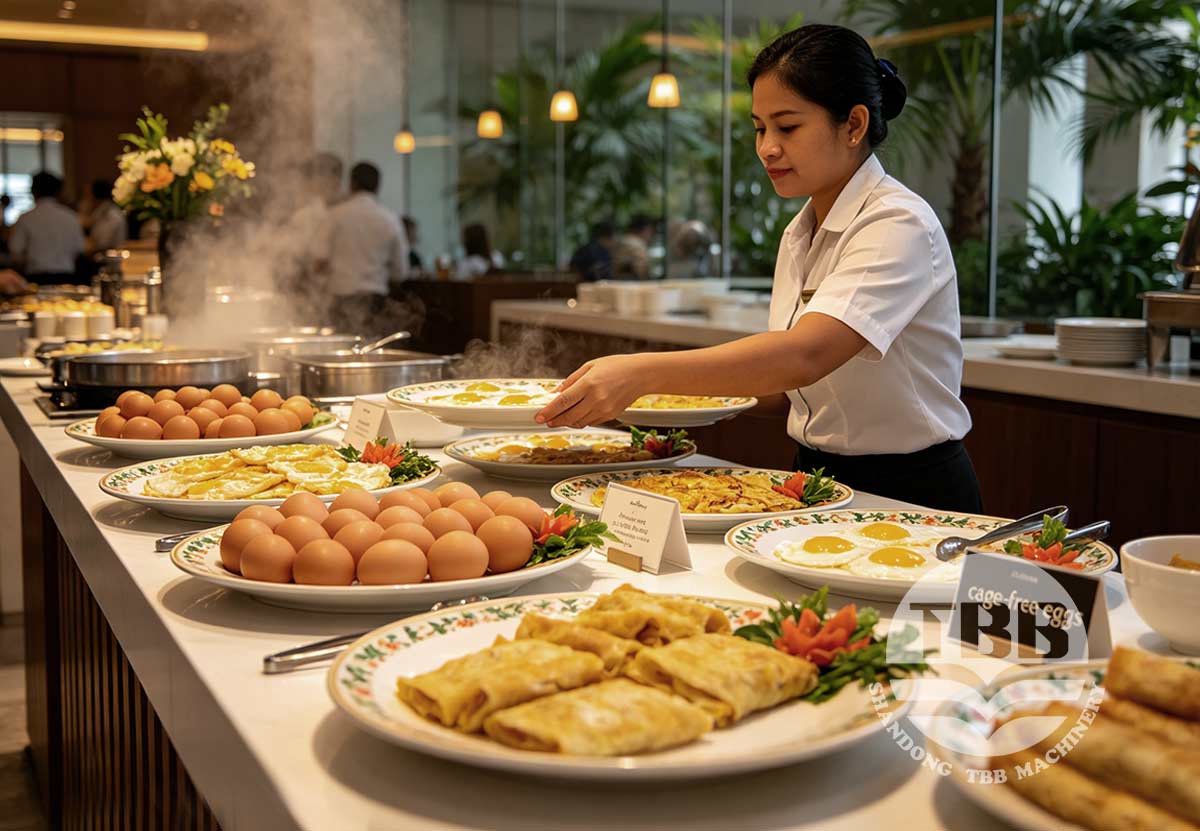
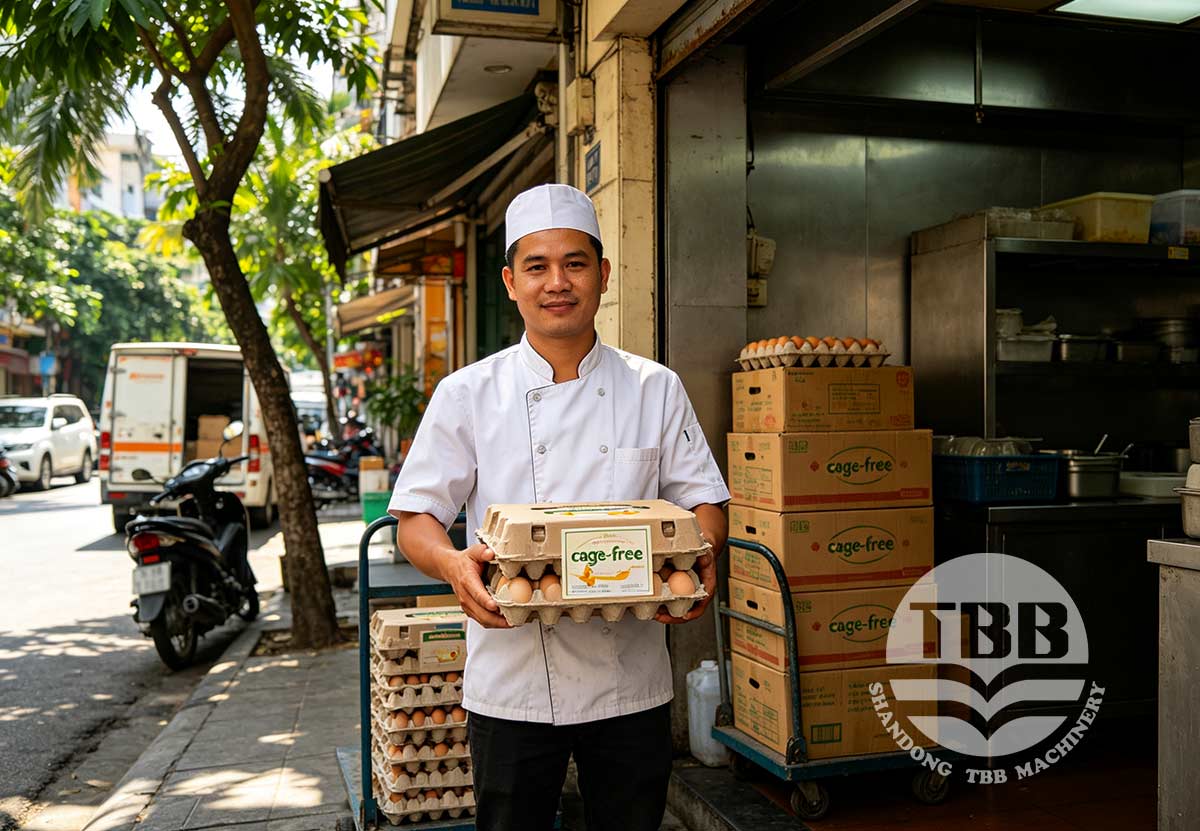
Walk into a Marriott, Accor, or Hilton breakfast buffet in Hanoi or Ho Chi Minh City, and the eggs are cage-free now. The sourcing commitments were signed, most with a 2025 cutoff, and they are active. Corporate foodservice sites run the same line. For a layer farmer, that clause in a procurement contract is the whole game.
It is bigger than a few hotel chains. Humane World for Animals tracked more than 40 Vietnamese hotels, restaurants, retailers, and manufacturers that committed to cage-free eggs in its 2025 survey, and its consumer poll found 92% of local respondents would consider buying them. Global Food Partners tracks the same Asia-wide pledges. Domestic processors are moving too — Vinh Thanh Dat, Ba Huan, and Dabaco have all pushed cage-free or free-range lines. The Nguyen Gia cooperative took 50,000 hens through a Certified Humane audit, among the country’s largest single conversions. Market watchers at statsndata valued Vietnam’s cage-free systems segment at roughly USD 120 million in 2026, heading toward USD 210 million by 2033.
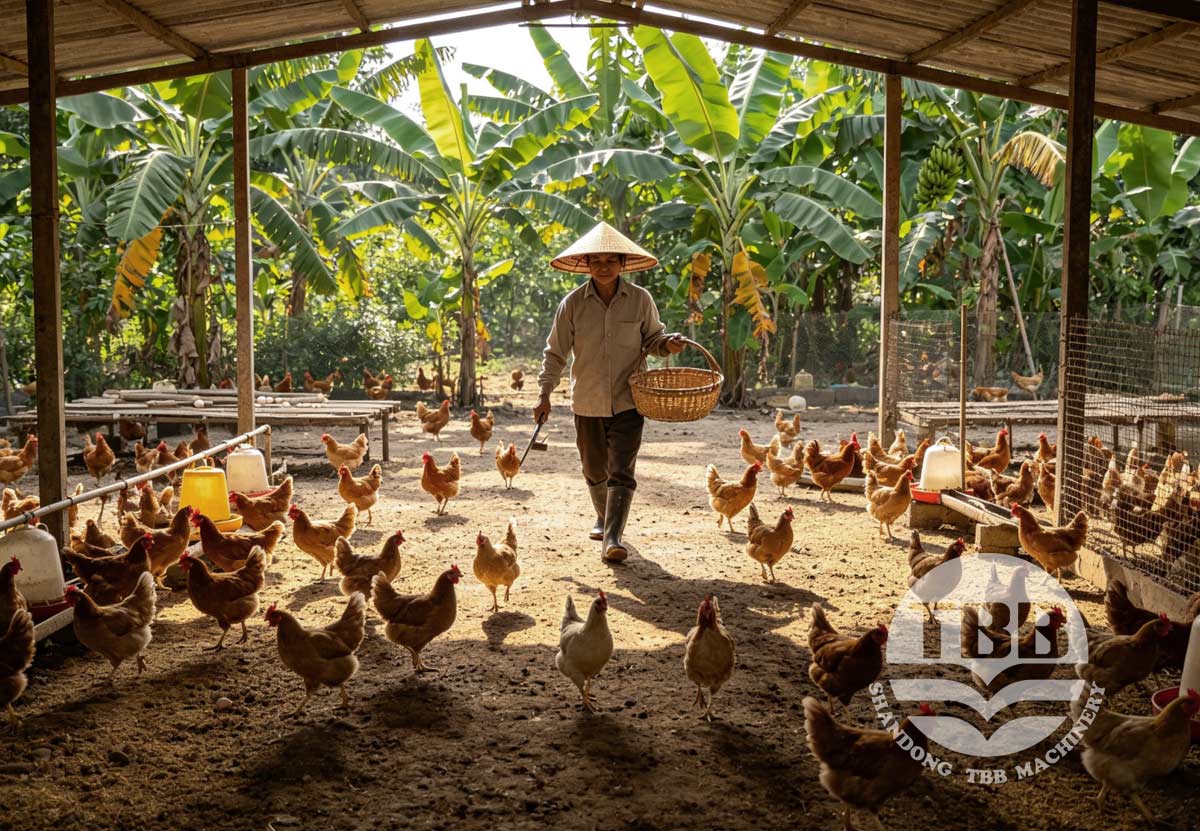
Not a niche anymore. A supply chain reorganizing itself — and cage-free eggs Vietnam restaurant buyers asked for are now driving the build.
▶ What “Cage-Free” Actually Demands From a House
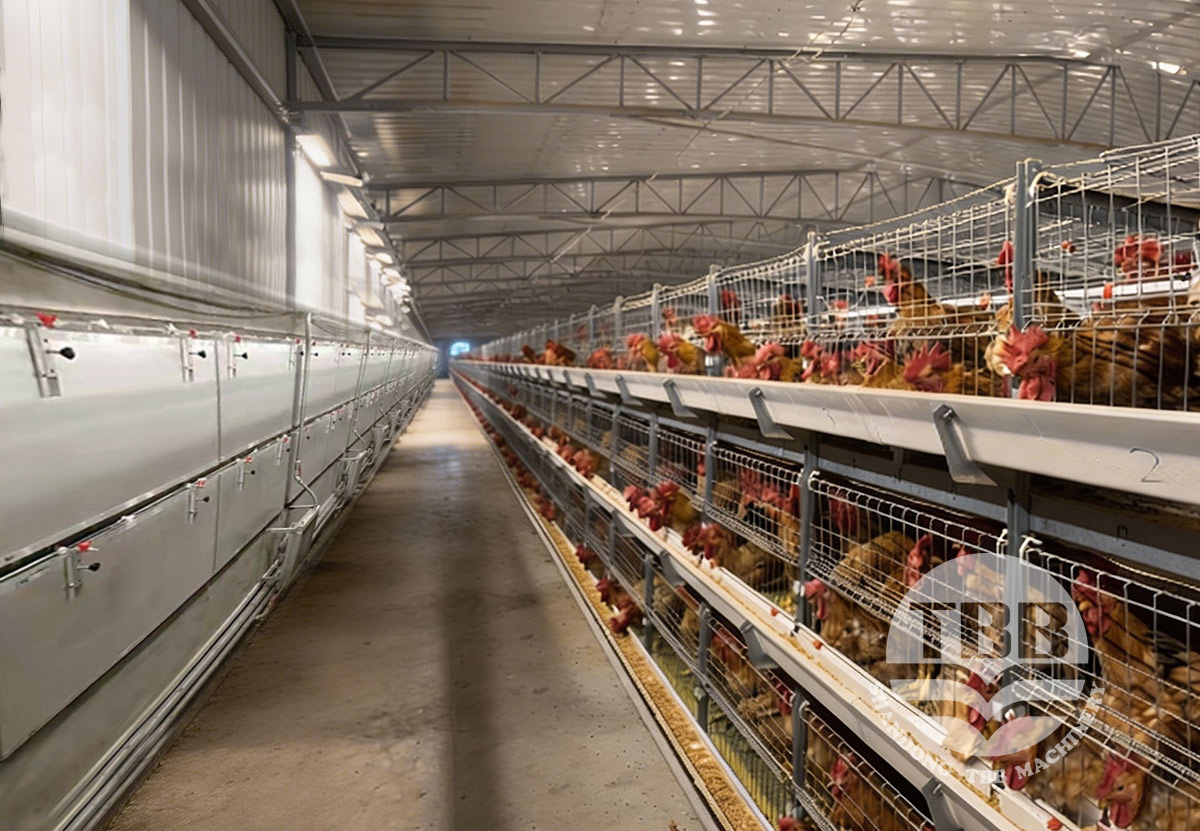
A cage-free layer house — an aviary system being the multi-tier version — gives hens floor space, perches, nest boxes, and litter to scratch. No battery cages. The birds move, and that movement is what the restaurant buyer pays for.
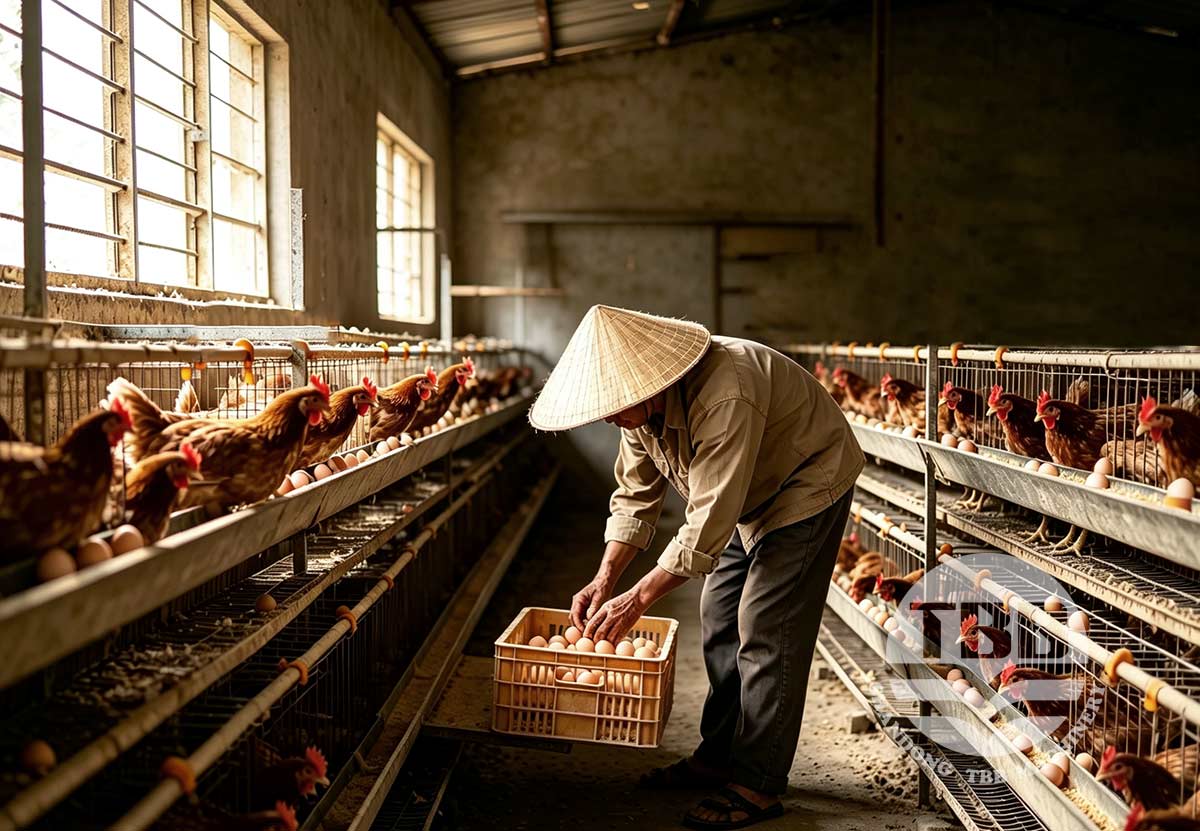
It is also what makes the building harder to run. More birds on the floor means more manure, dust, and heat than a stacked cage setup. A farmer who converts without rethinking the equipment usually regrets it by the second flock. This is where Vietnam cage-free eggs stop being a marketing line and become a build problem.
▶ Ventilation: The First Pillar of Cage-Free Housing
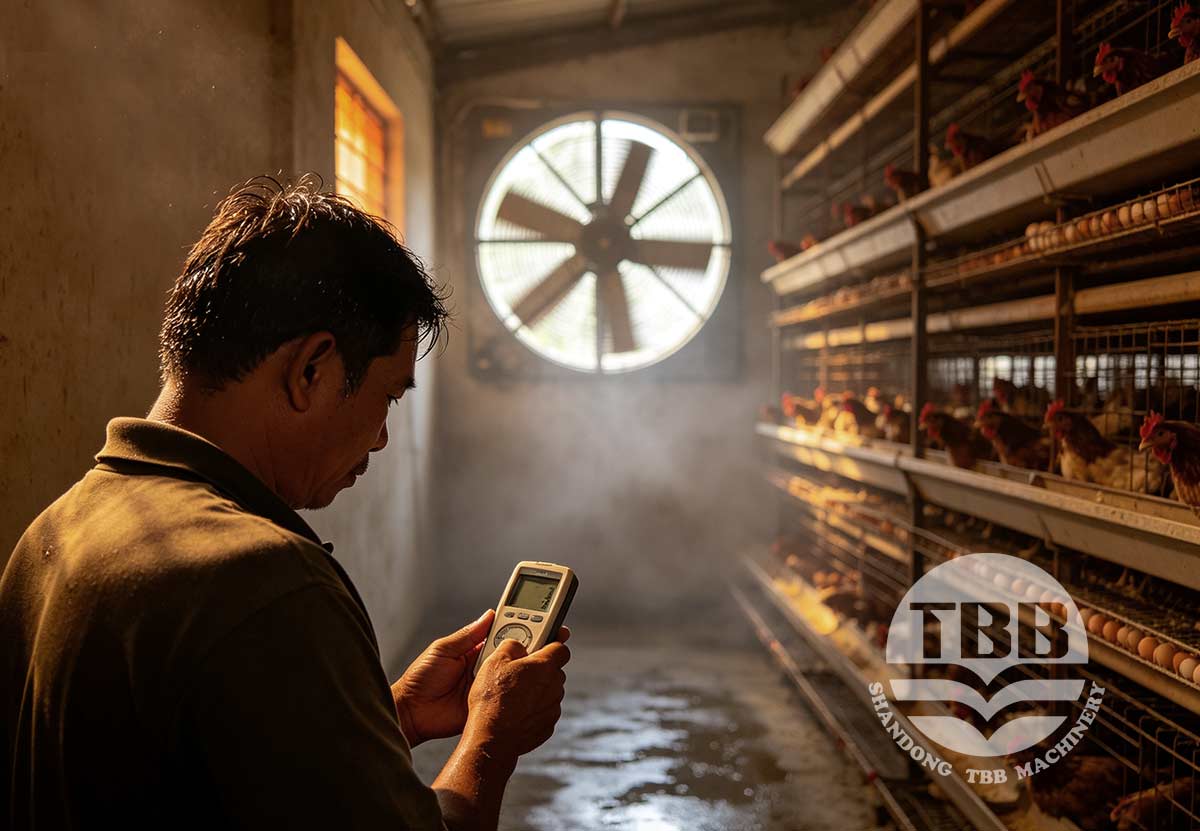
Ventilation comes first. With birds loose on multiple levels, heat builds fast in Vietnam’s climate — the wet season drives humidity, the dry season pushes temperature, and a packed aviary hits both at once. A cage-free house needs airflow that reaches the lower tiers, not just a ridge vent at the top. Farmers who just pull cages out of a cage house end up with wet litter and foot lesions. Good aviary layer house design plans the air before the birds arrive.
▶ Manure Management: Where Most Retrofits Go Wrong
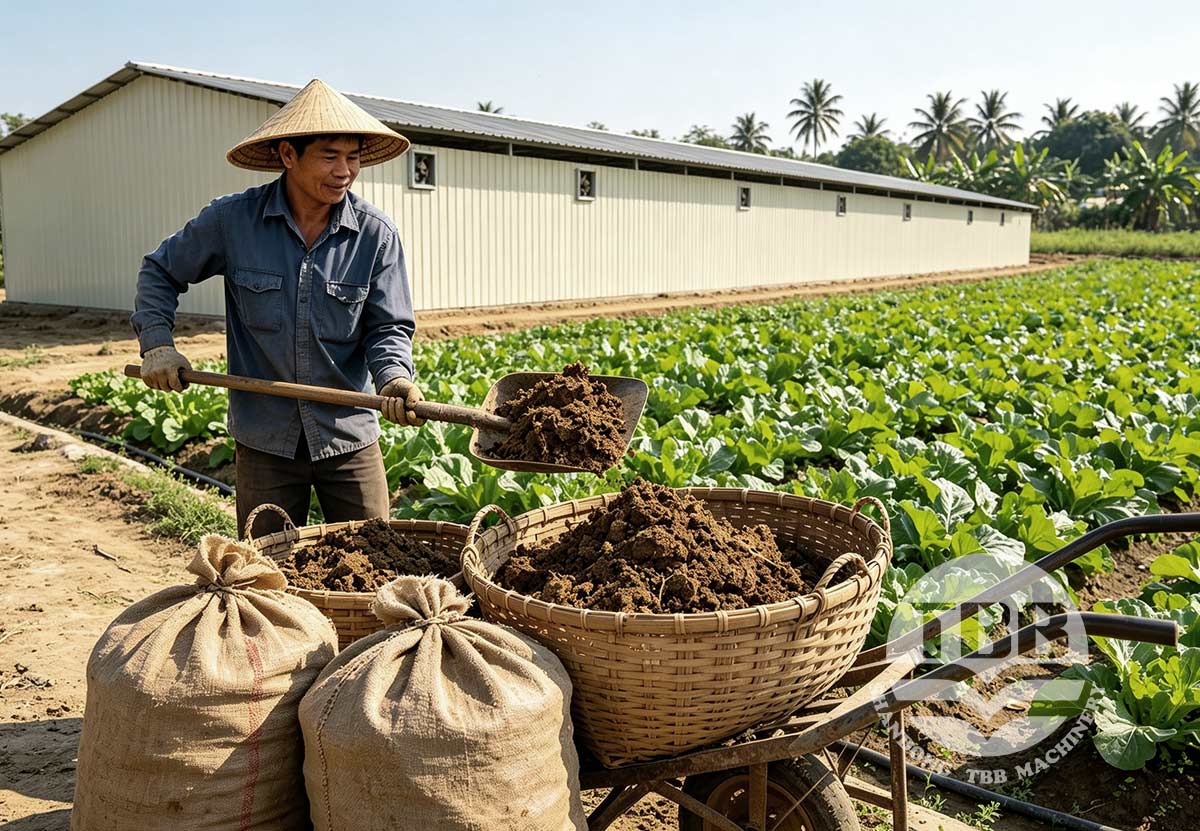
Manure is the second. In a cage system, the belt carries it out clean. On the floor, it drops where the bird stands. You need pits, scraper belts, or a deep-litter strategy that actually gets turned — or ammonia climbs and so does mortality. The equipment choice here decides whether cage-free stays profitable or turns into a cost you cannot defend to your buyer. Cage-free egg farm equipment is a different animal; the manure plan is where most retrofits go wrong.
▶ Feed and Water: Why Feeder Layout Beats Steel Brand
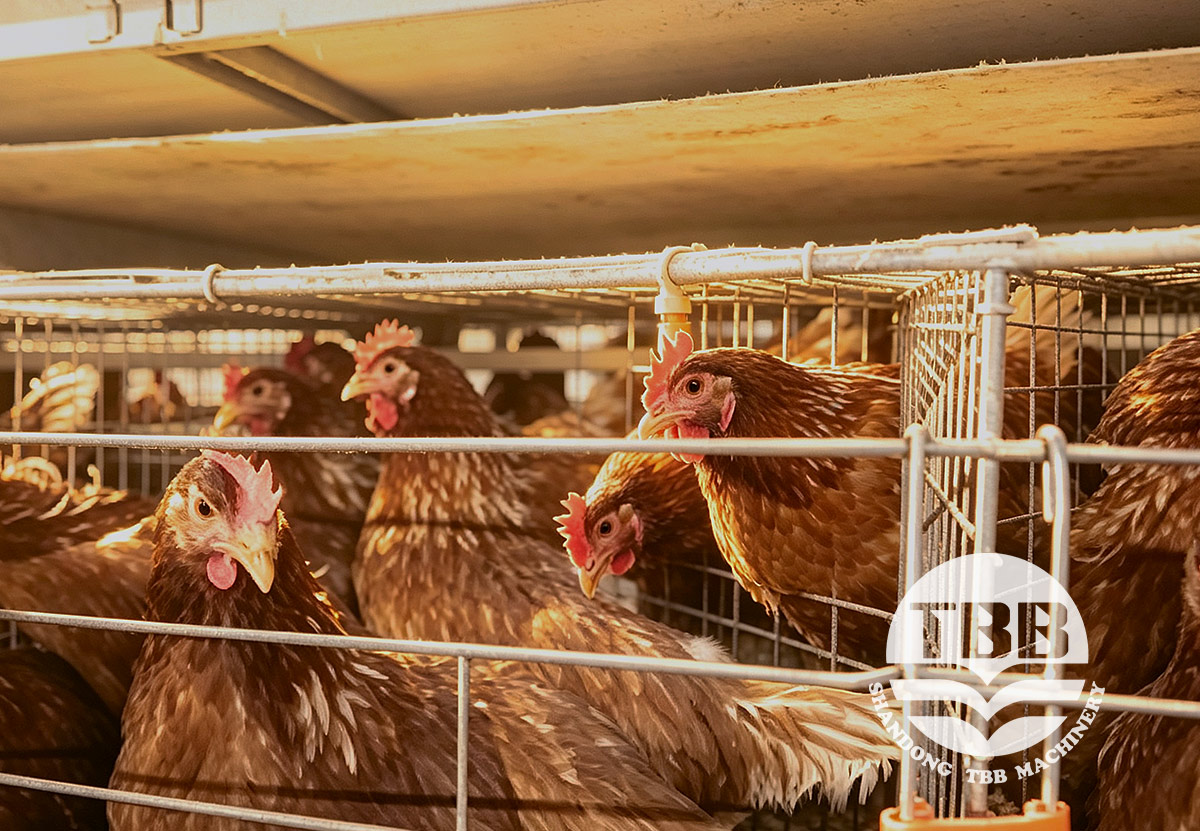
Feed and water come third. Loose birds compete for space at the feeder. Good cage-free layouts stagger nipples and pans across the tiers so the shy bird at the back still eats. Get this wrong and your uniform flock splits into fat and thin — and the restaurant contract does not pay for thin. Cage-free layer system Vietnam buyers tell us feeder layout matters more than the brand on the steel.
▶ The Cost Truth Most Suppliers Skip
None of this is free, and pretending otherwise wastes a farmer’s money. A cage-free conversion costs more up front than a cage house of the same size. The aviary management curve is real — birds on the floor peck, and litter has to be managed or mortality climbs. The welfare audits buyers ask for carry fees.
The farms that make it work treat the building as the project, not an afterthought. Built right, the restaurant premium covers the gap. Built wrong, cage-free is just an expensive regret.
That is the part suppliers like Tobetter engineer for. We build aviary and floor-based cage-free systems sized for tropical conditions, with ventilation, manure handling, and tiered feeding worked out before the steel goes up. We also support the certification path buyers ask for, design for modular expansion, and provide local service after installation — because a house that stalls in its second flock is not a reference, it is a repair bill.
We have watched too many conversions stall on airflow alone. It is fixable if it is designed in from day one. Ask us for a recent project reference close to your flock size and climate zone.
▶ Why Move Now and Not Next Year?
The buyers are not waiting. Every farm that converts early locks a supply agreement with a hotel group or processor before the shelf fills. The ones who wait get spot-market eggs at a price that will not cover a cage-free build. Most farms retrofit an existing shed or add a second house, so the capital sits next to revenue instead of replacing it.
Humane layer farming Vietnam is no longer just a compliance cost for the farms already in. It is the reason the buyer calls back.
If you are running layers in Vietnam and a buyer has started asking what “cage-free” means on your spec sheet, that question is the opening. The restaurant demand is real, the commitments are signed, and the farms that move first are the ones those contracts find.
Get a 2026 Cage-Free Layout Review
Send us:
your shed dimensions and number of houses, and your expansion timeline.
We will come back with a ventilation, manure, and feeding layout recommendation — plus this year’s best price for the equipment package.
Message us for this year’s best price.