



News
What It Costs to Set Up a 20,000-Bird Layer Farm in Peru (2026)
Source: TBBView: 109What It Costs to Set Up a 20,000-Bird Layer Farm in Peru (2026)
Peru's table-egg market has been on a steady climb. National consumption reached about 511,000 tonnes in 2022 and was worth roughly $1.5 billion, growing at better than 4% a year through the late 2010s, according to IndexBox. Layer flocks cluster in Ica, Lima and La Libertad, and MIDAGRI's livestock subsector still posted a 1.8% gain in early 2026 with chicken output up 2.1%. For anyone weighing the cost to set up a layer farm in Peru, the demand side looks solid — the harder question is what the build actually costs.
This guide models a 20,000-bird layer (table-egg) house using typical 2026 market ranges drawn from equipment suppliers and Peruvian farm quotes. Broiler and cage-free setups differ, and a conventional floor-reared broiler house costs far less because there are no cages; the numbers below are for a caged layer operation. Cage-free and barn systems carry different capital and labor profiles, but caged layers remain the volume backbone of Peru's egg supply.
▶ Land and house
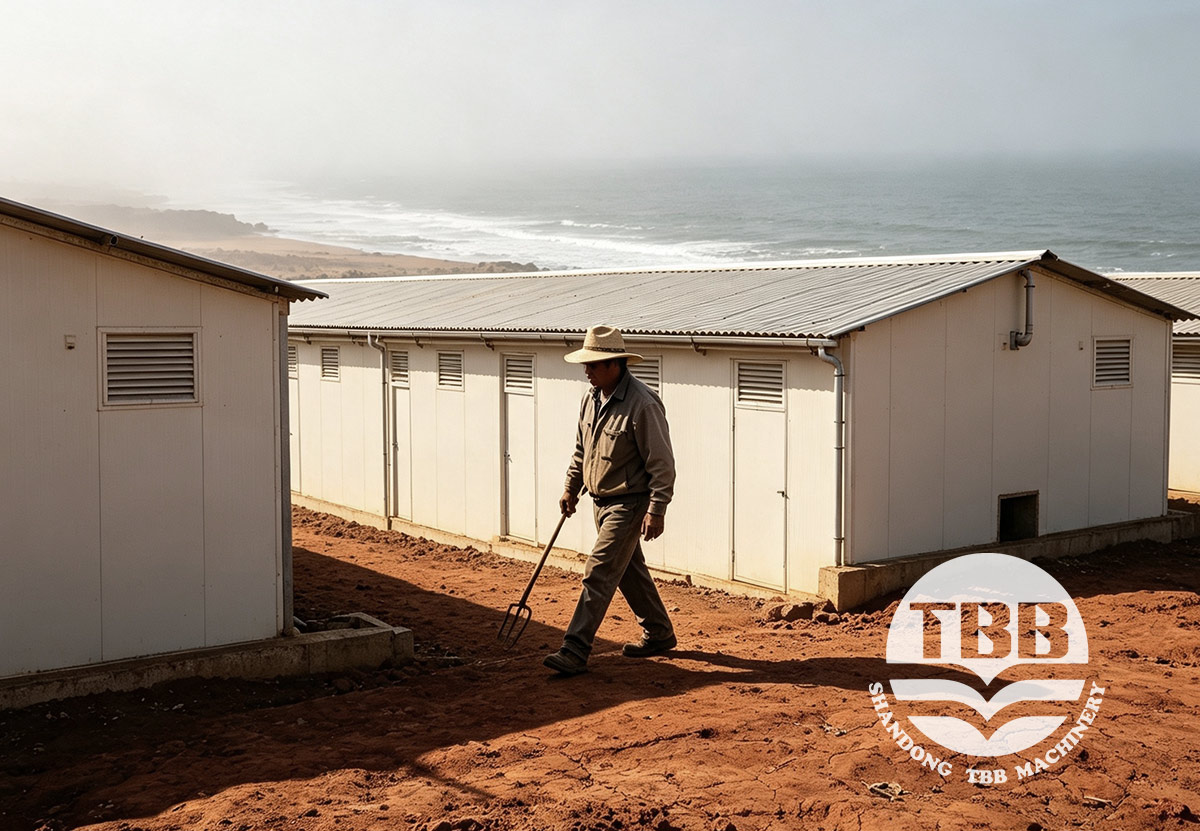
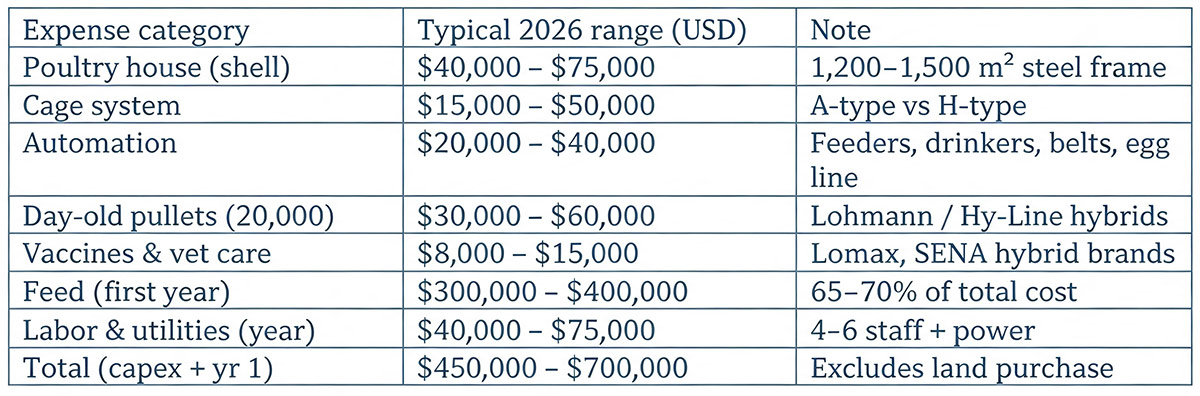
A 20,000-bird layer house runs about 1,200–1,500 m². Steel-frame sheds are now common along the coast because they go up faster than brick and shrug off the marine climate.
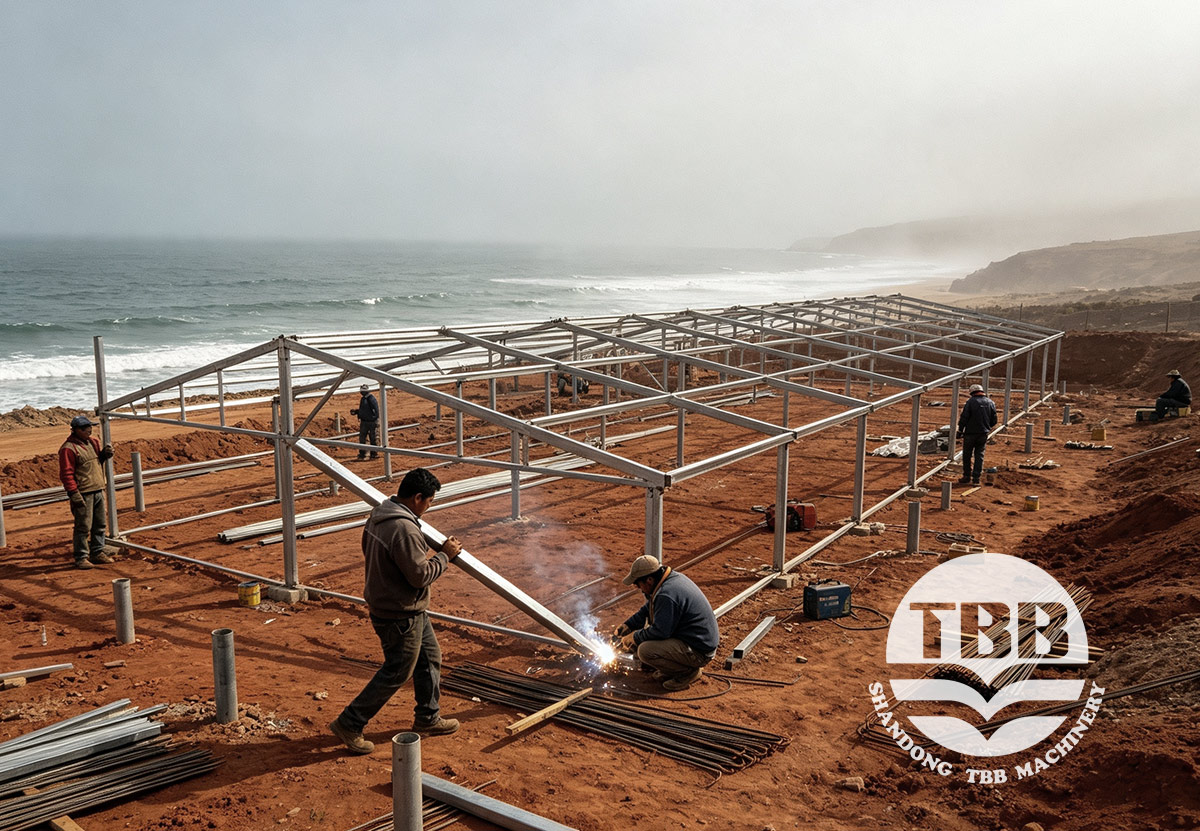
Shell construction typically lands at $30–$250 per m² depending on finish and ventilation prep, so budget $40,000–$75,000 for the building alone.
▶ Cage system
This is where Peru poultry cage equipment choices matter most. A-type cages are the budget option and suit sites with land to spare; H-type battery cages stack tighter for operations short on space.
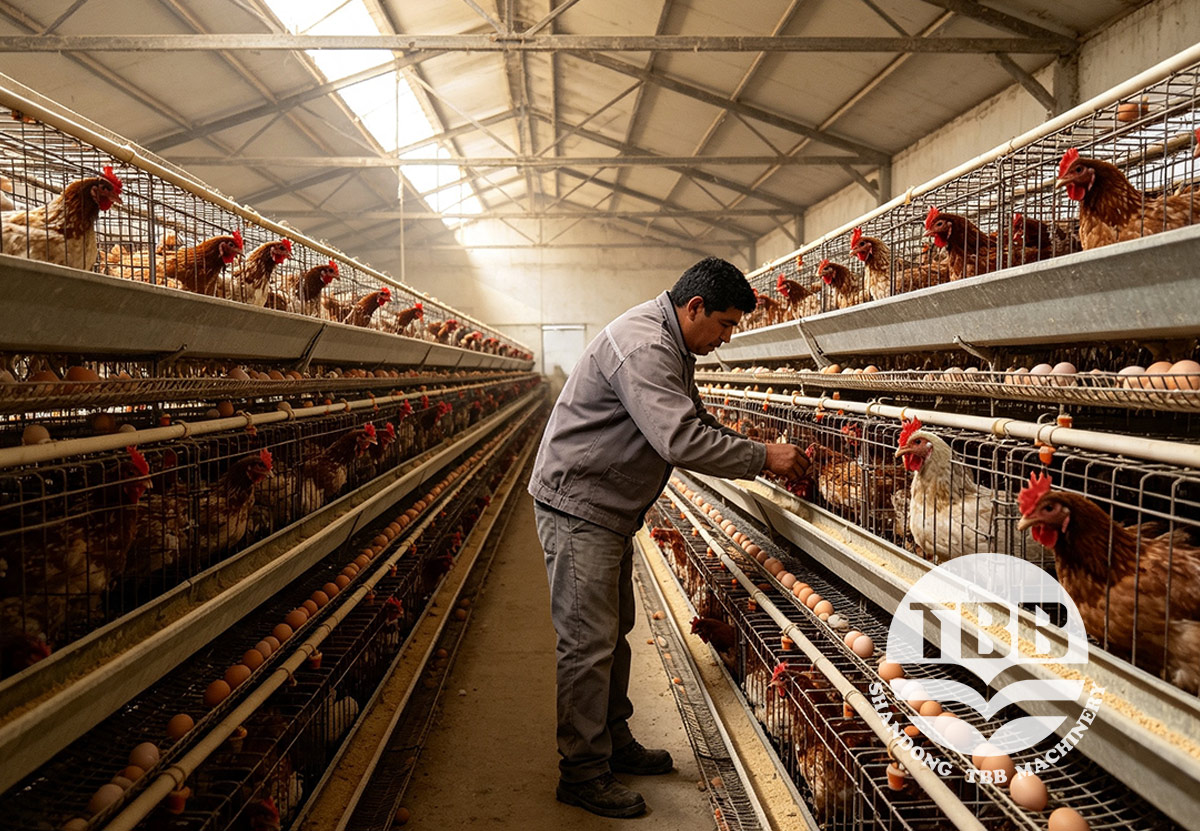
Expect $15,000–$50,000 for the cages themselves on a 20,000-bird scale.
▶ Automation
Automatic feeding lines, nipple drinkers, manure-removal belts and egg-collection conveyors add another $20,000–$40,000. The payoff is labor: well-specified automation can cut daily work by more than 40%, which matters in a market where trained farm hands are not always easy to find. Some buyers start manual and retrofit conveyors later; either way, run the conduit and floor loads before the slab is poured.
▶ Day-old pullets
You will need 20,000 point-of-lay pullets, or chicks raised to that stage. Commercial hybrids such as Lohmann or Hy-Line typically run $1.50–$3.00 per bird, putting chicks at $30,000–$60,000.
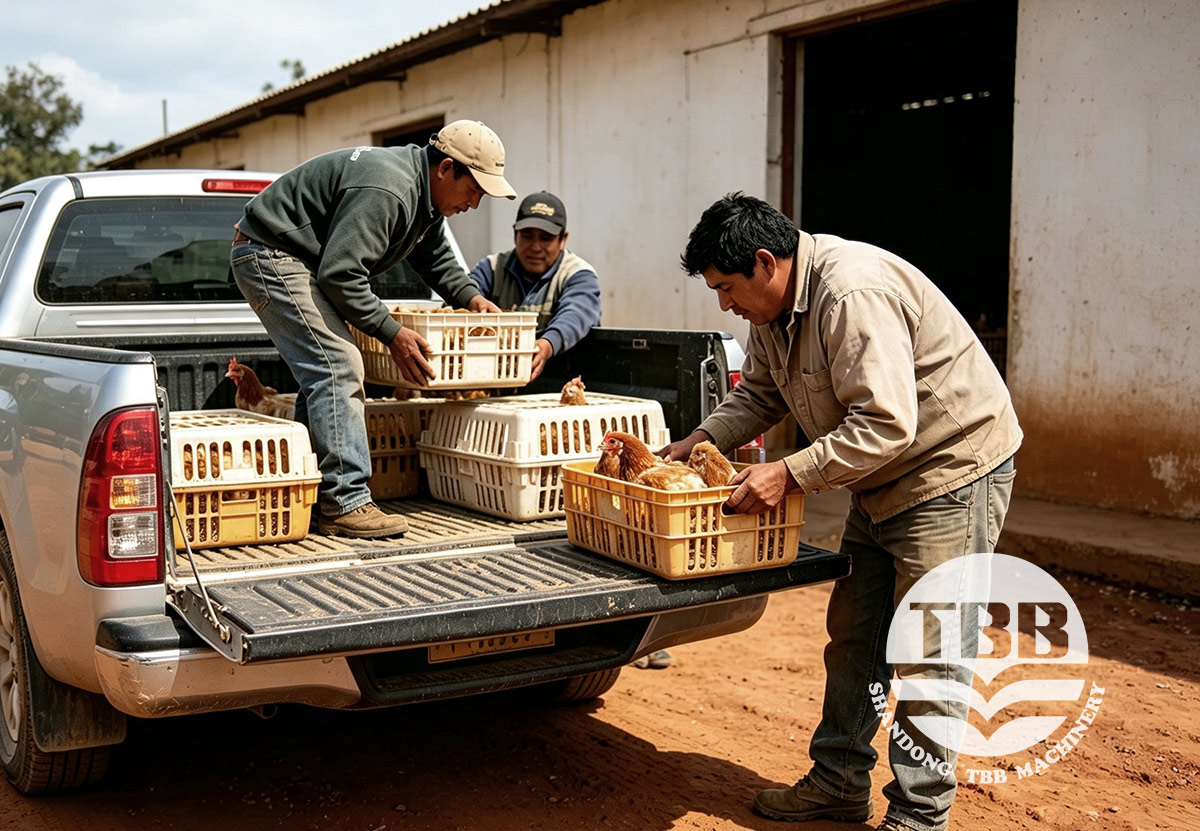
The higher-cost genetics pay back through better feed conversion and a longer, steadier laying cycle.
▶ Feed — the heavyweight
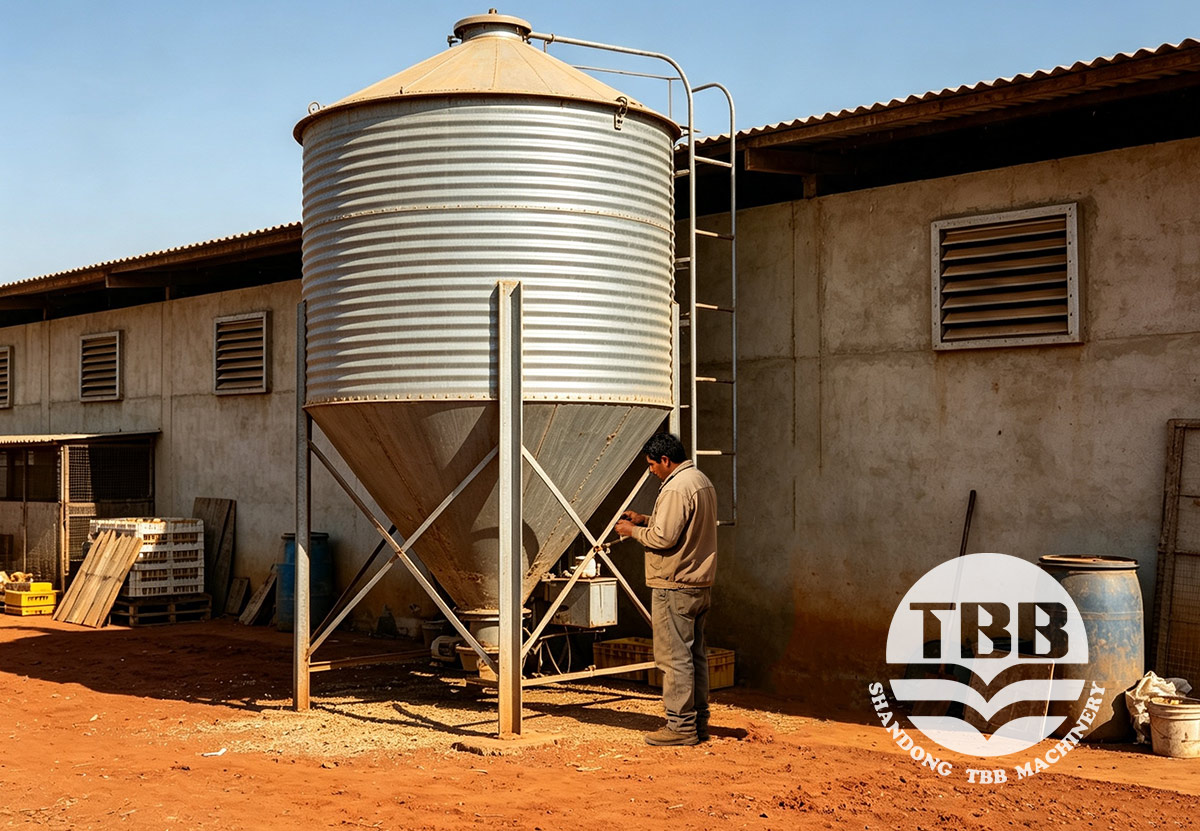
Feed is the single largest recurring cost in any layer operation, normally 65–70% of total production expenses. A laying hen eats roughly 110–120 g of feed per day. For 20,000 birds that is about 730 tonnes a year, which at current Peru feed prices works out to roughly $300,000–$400,000 annually. Bulk buying and on-site storage are the simplest ways to blunt price swings, since Peruvian feed leans on imported soy and maize logistics.
▶ Health, labor and utilities
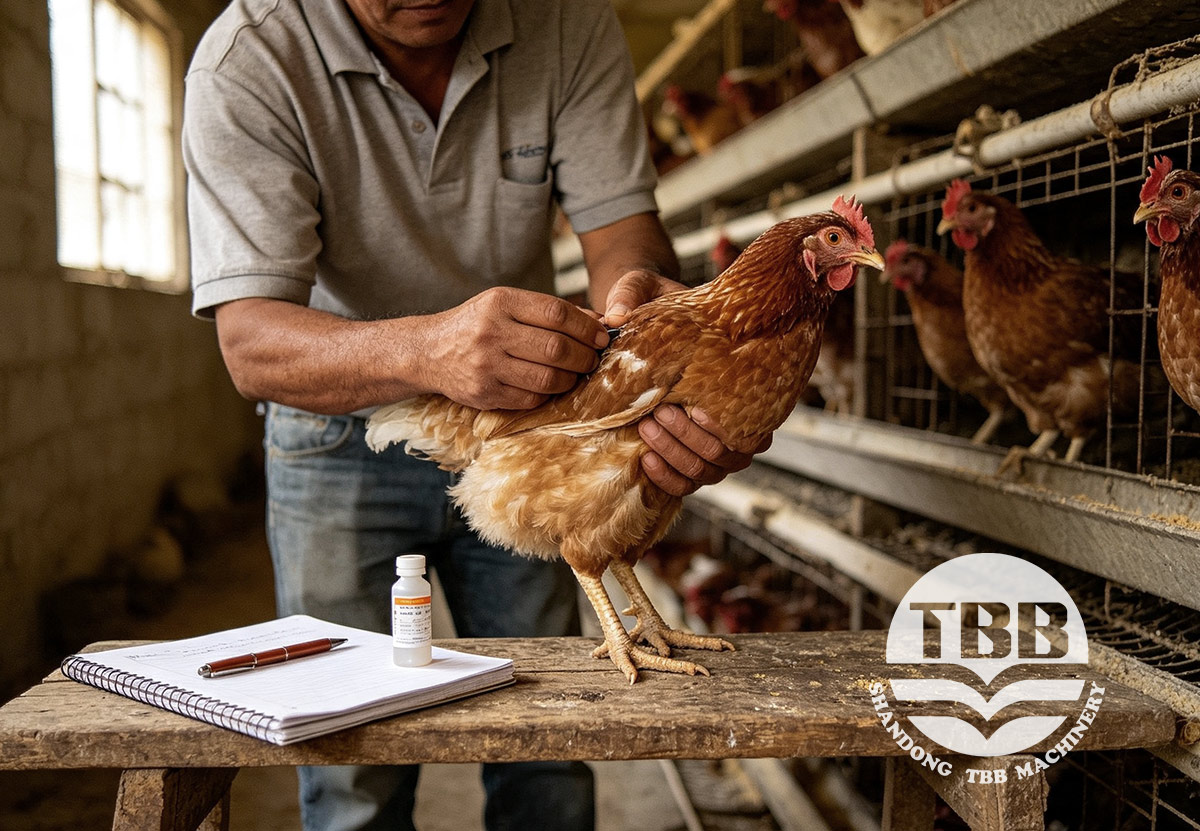
A vaccination and veterinary program for 20,000 birds runs about $8,000–$15,000 a year. SENASA keeps close watch on avian influenza, so biosecurity is not optional.
Staffing a 20,000-bird house takes roughly 4–6 workers at $2,000–$4,000 a month in wages, plus $1,500–$2,500 a month for electricity to run fans, lights and cooling. Peruvian cooperatives and a few commercial banks offer agri-equipment credit lines, which can soften the upfront hit — worth asking about before you commit capital.
▶ What it all adds up to
Before you lock a 20,000 layer farm budget, separate one-time capital from recurring feed. Line item by line item, initial capital plus the first year of operating costs comes to roughly $450,000–$700,000. The wide band reflects automation level, cage type and your feed contract. First-time builders often forget working capital: you pay for chicks and feed long before the first eggs sell, so keep a cash buffer.
Is it worth it?
Layer farms in Peru typically pay back in 3–5 years, with operating margins around 5–8% for a new entrant and 12–15% once management tightens. The levers are familiar: pick the cage layout that fits your site, automate to match your labor market, lock in bulk feed, and never skip biosecurity. Peru's urban middle class keeps expanding, so per-capita egg demand is still trending up, and egg prices have held up better than many inputs — which is why new entrants keep asking the same question, just with clearer numbers.
If you are planning a layer house in Peru and want cage, feeding and ventilation equipment sized to your site and budget, talk to a supplier who knows the local climate. Tobetter designs layer systems for tropical and coastal conditions. Message us for this year's best price.