



News
South Africa's Cage-Free Egg Market: Premiums, Buyer Contracts, and the Equipment Behind Them
Source: TBBView: 63South Africa's Cage-Free Egg Market: Premiums, Buyer Contracts, and the Equipment Behind Them
South Africa's egg sector is splitting into two distinct lanes. Conventional cage production still carries the volume, but cage-free and free-range eggs are climbing fast — pulled by shifting consumer ethics and by food-service buyers rewriting their sourcing rules. For a producer weighing where to put capital, the question is no longer “cage or not” but “which lane, and what does it take to win it.”
▶ Market Size and the Two-Lane Reality
Industry estimates put South Africa's cage-free egg segment at roughly USD 90 million in 2024, with the same forecasts projecting it toward about USD 132 million by 2033 at a compound annual growth rate near 4.5%. Modest, but durable — and it sits on top of a conventional cage sector that remains the backbone of national supply. The South African Poultry Association's own position is that all production systems should stay on the table so consumers choose by what they can afford. That is the reality equipment suppliers and farmers both live in: two lanes, both growing, neither disappearing.
▶ The Cost Wall That Keeps Both Lanes Open
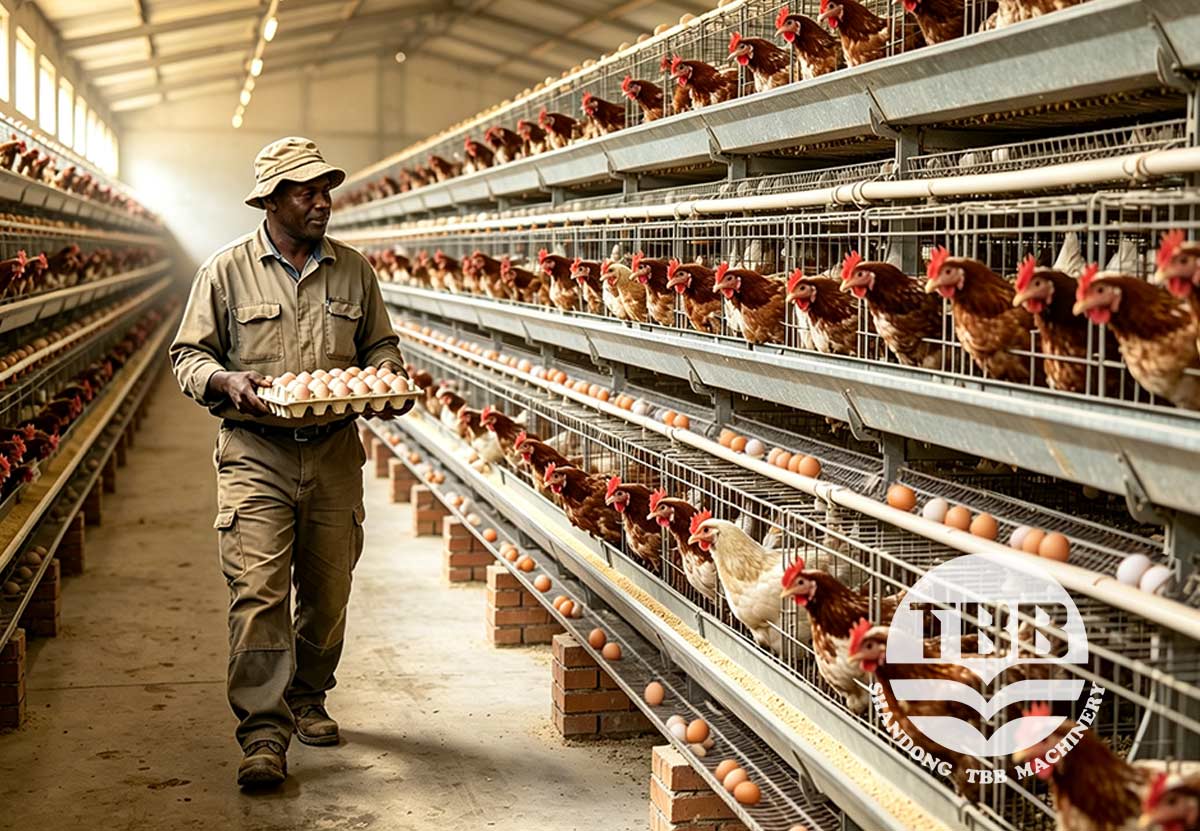
Why hasn't the cage-free lane swallowed the other? Money. Research commissioned by the South African Poultry Association through the National Agricultural Marketing Council puts capital expenditure at about R461 per hen for a cage-free system versus R355 per hen for a conventional cage setup — a direct investment the study sizes at roughly R4.93 billion to convert the entire industry. The same study estimates that if those costs are passed to consumers, eggs would cost between R5.70 and R6.00 more per dozen. That price gap is exactly why conventional cages still dominate and why the transition is a slow climb, not a cliff.
▶ Premium Pricing and the Consumer Pull
The pull is real, though. Health- and ethics-minded urban buyers actively seek cage-free and free-range, and retailers are giving those SKUs more shelf space. One caveat worth knowing: South African rules permit free-range birds at up to 10 adult hens per square metre (12 with proper perching) — a density critics say falls short of what shoppers imagine. Producers positioning a cage-free brand have to manage that expectation honestly.
▶ Why Buyer Contracts Decide Everything
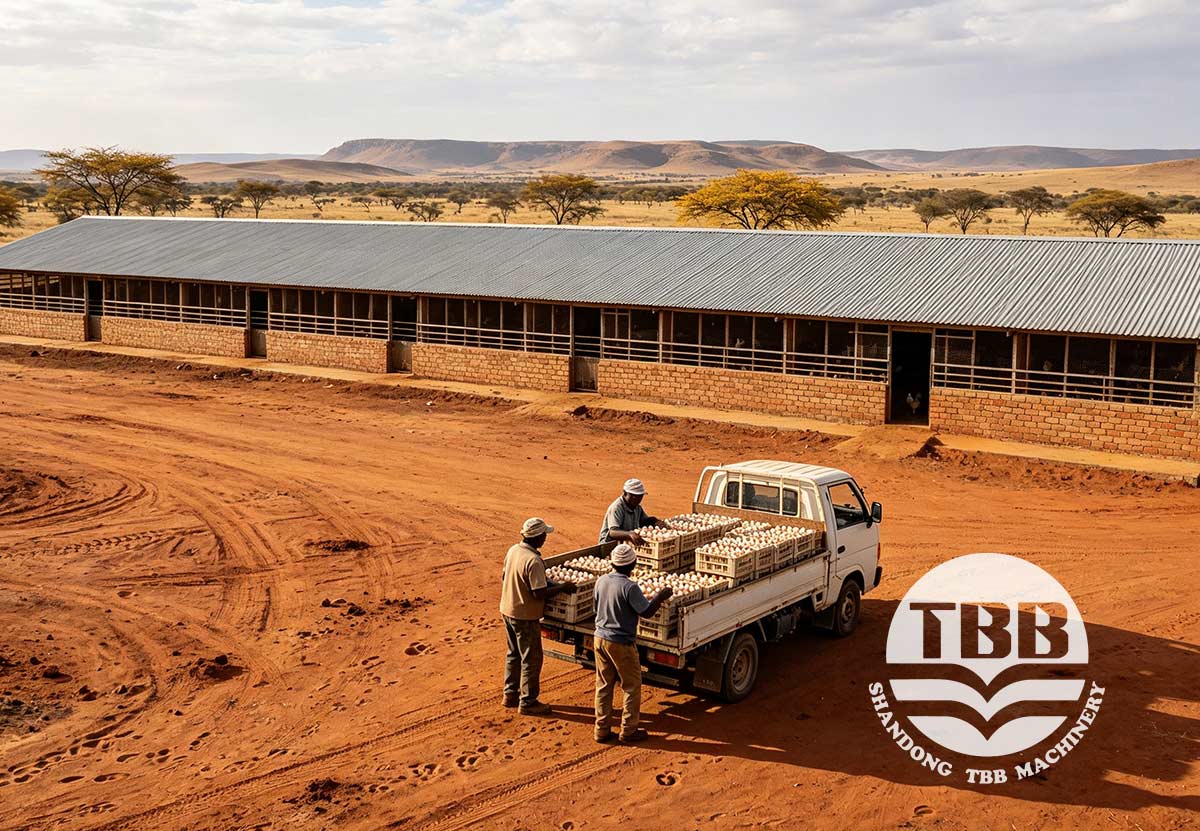
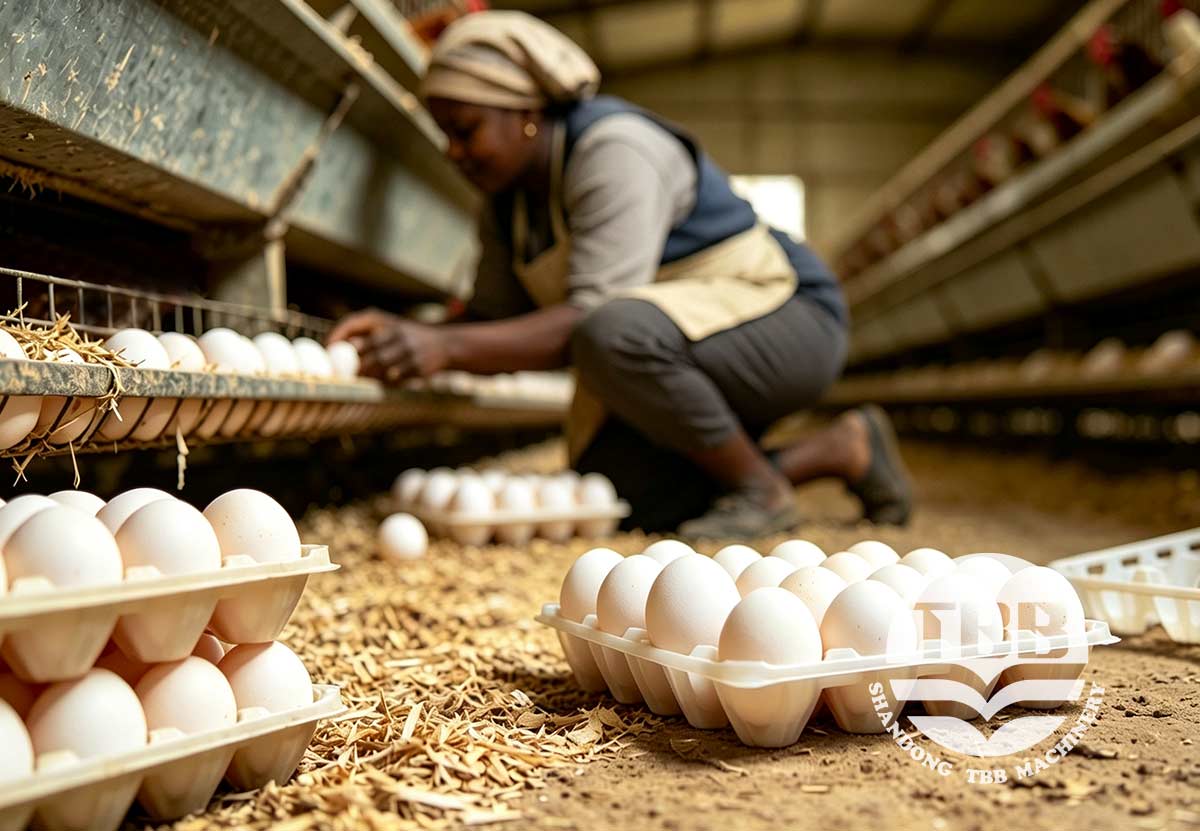
For a producer, the cage-free lane lives or dies on contracts, not just infrastructure. South Africa's egg market is concentrated and vertically integrated; major retailers and food-service chains prefer structured offtake agreements over spot sales. Brands including Nando's and Famous Brands, alongside global players such as McDonald's and Nestlé, have publicly pledged to move away from battery-cage eggs — which means more buyer contracts will explicitly require cage-free standards. A signed offtake agreement does double duty: it secures a route to market and it is often a prerequisite for agricultural finance, since lenders weight demonstrable market access heavily.

▶ What Cage-Free Production Actually Needs in Equipment
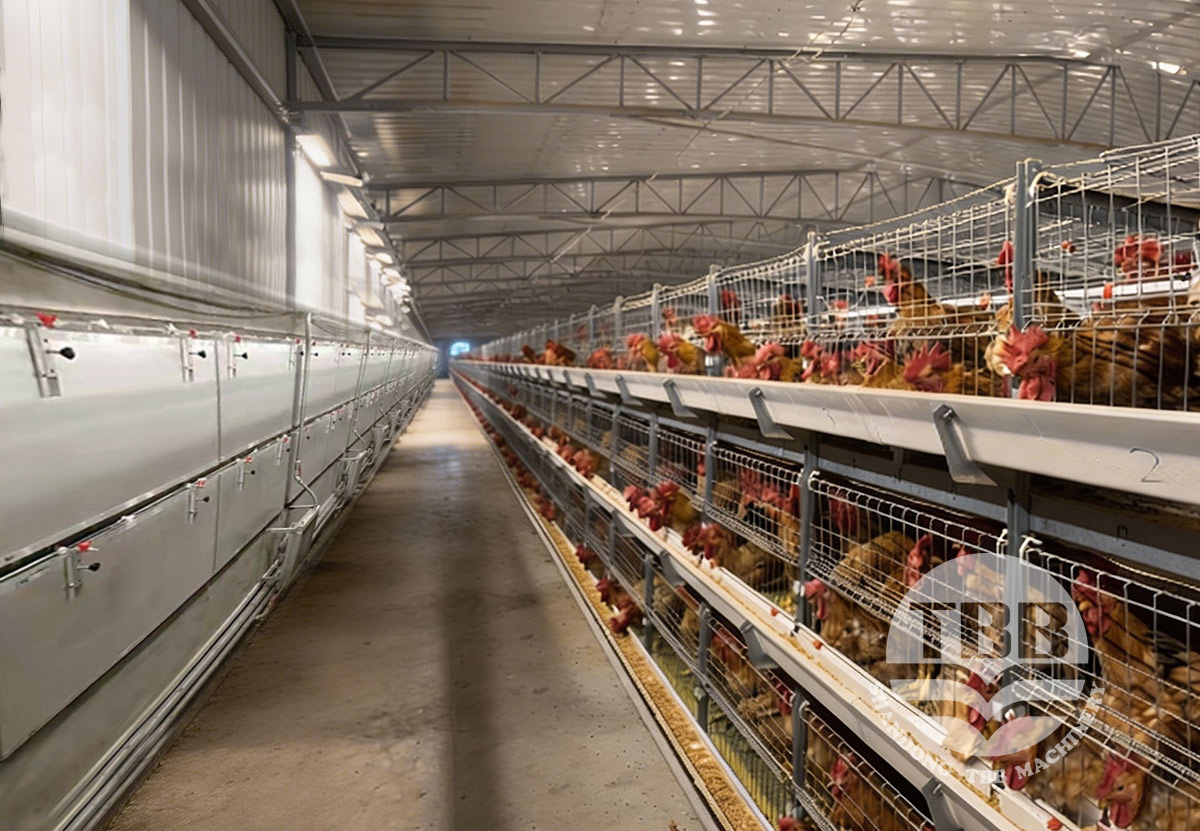
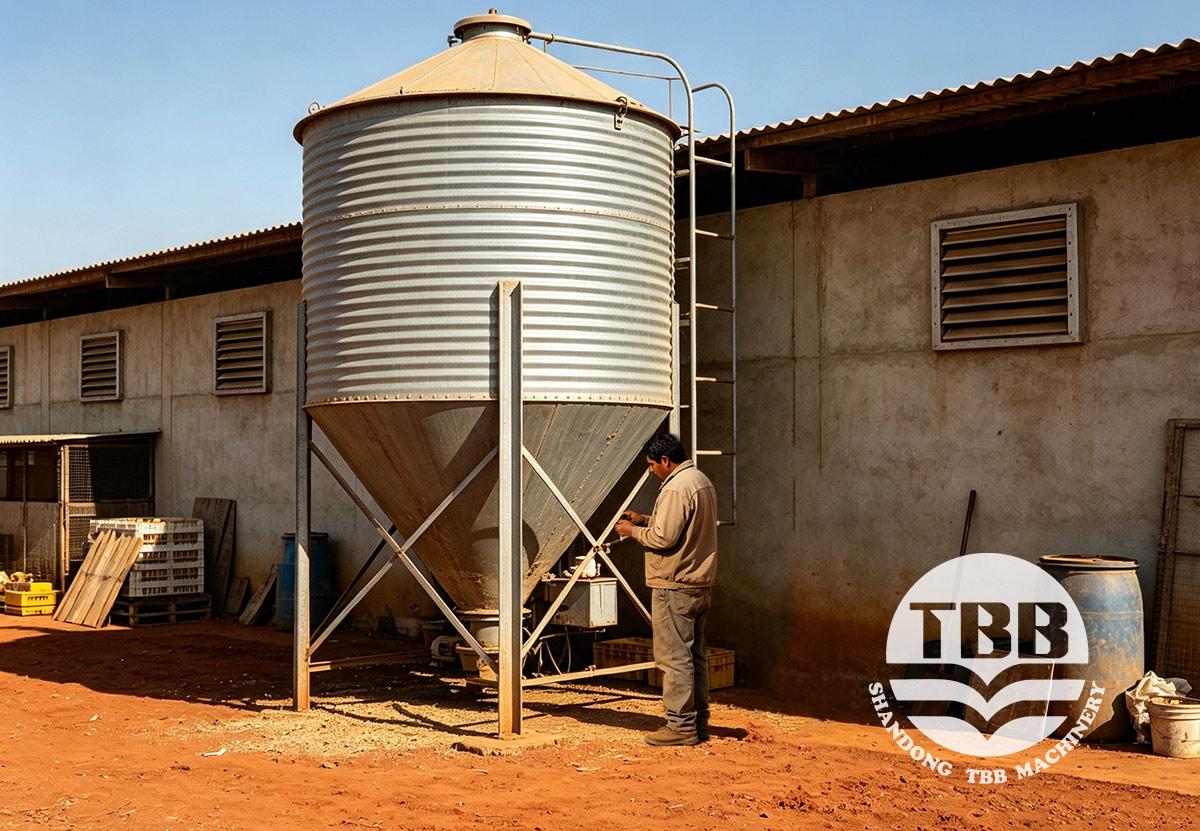
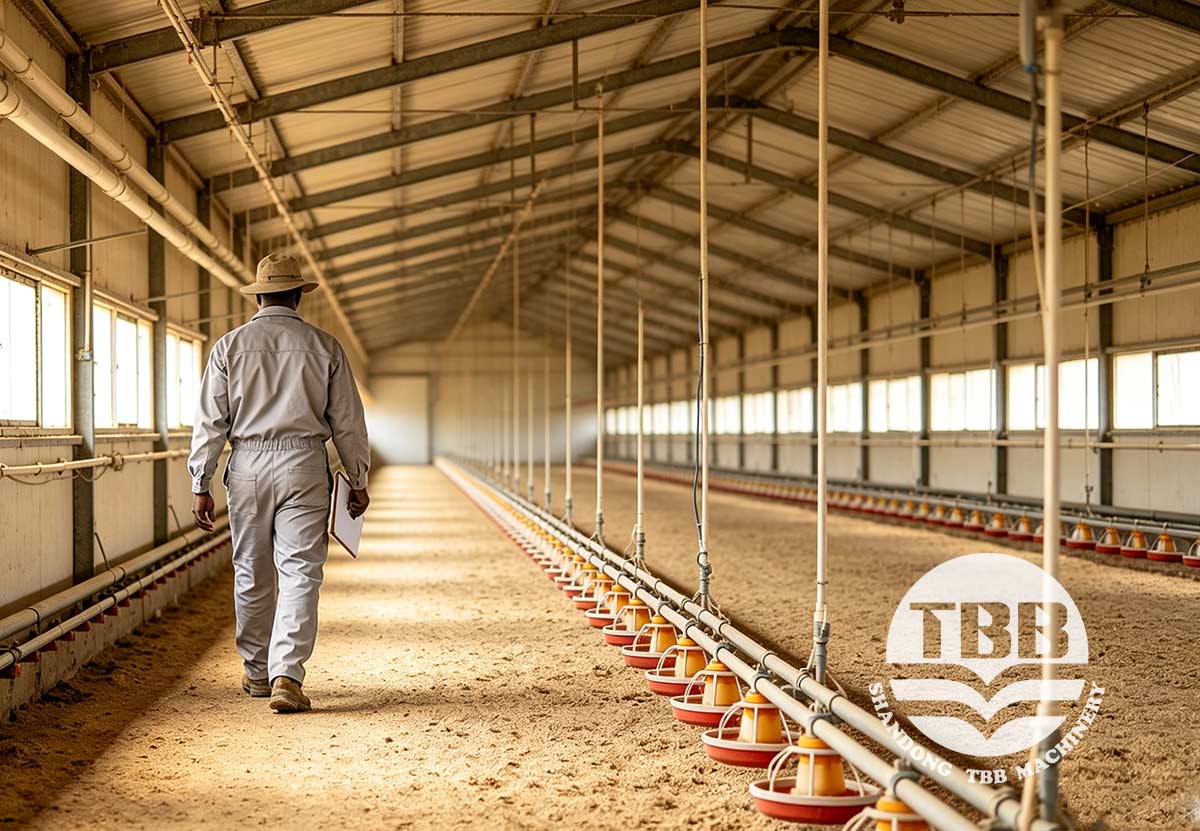
This is where the opportunity meets the hardware. Cage-free and barn egg production are floor-based systems, and getting them right means more than open space. The equipment list is specific: automated feed lines so birds across a house eat evenly, nipple drinking systems that keep litter dry, tunnel or fan ventilation that controls ammonia in a denser flock, manure belts or daily removal that stop moisture and pathogen build-up, and the perches and nest boxes the standard actually requires. Tobetter's floor-rearing systems cover the feeding, drinking, climate-control and manure-handling backbone — the parts that make or break daily production. Perches and nest boxes are fitted to your housing standard as part of the same coordinated layout: we engineer the backbone around the space they need, so the whole floor system lands as one plan rather than piecemeal parts.
▶ Transparency and the Verified Cage-Free Signal
Labelling remains a soft spot. Under the Agricultural Product Standards Act, production-method disclosure is permitted but not mandatory, so buyers can't always tell what they're getting. Campaigns such as Verified Cage-Free are pushing the market toward published, audited commitments — and for a producer, joining that transparent ecosystem is a differentiator that buyers notice.
The Bottom Line
South Africa's cage-free egg market is expanding, but the conventional cage lane isn't closing. The producers who win are the ones who pick a lane and equip it properly. If you're moving into cage-free or barn production, the floor system — feeding, drinking, ventilation, manure handling, and the perching and nesting space your standard requires — is the foundation your premium and your contracts rest on. Tobetter engineers that backbone and plans the layout around it.
Tobetter supplies floor-rearing and cage systems alike, sized to your flock and your market. Message us for this year's best price.