



News
5 Common Biosecurity Mistakes on Ethiopian Poultry Farms (And the Equipment That Fixes Them)
Source: TBBView: 1845 Common Biosecurity Mistakes on Ethiopian Poultry Farms (And the Equipment That Fixes Them)
Ethiopia's poultry sector is expanding rapidly, with an estimated national chicken population of 57 million — about 78.9% indigenous, 12% exotic and 9.1% hybrid breeds. Yet despite this growth, frequent disease outbreaks keep cutting into production and eroding farmer income. A single Newcastle Disease outbreak, for instance, can wipe out 80–100% of an unvaccinated flock — translating to tens of thousands of Birr in losses for a medium-scale operation.
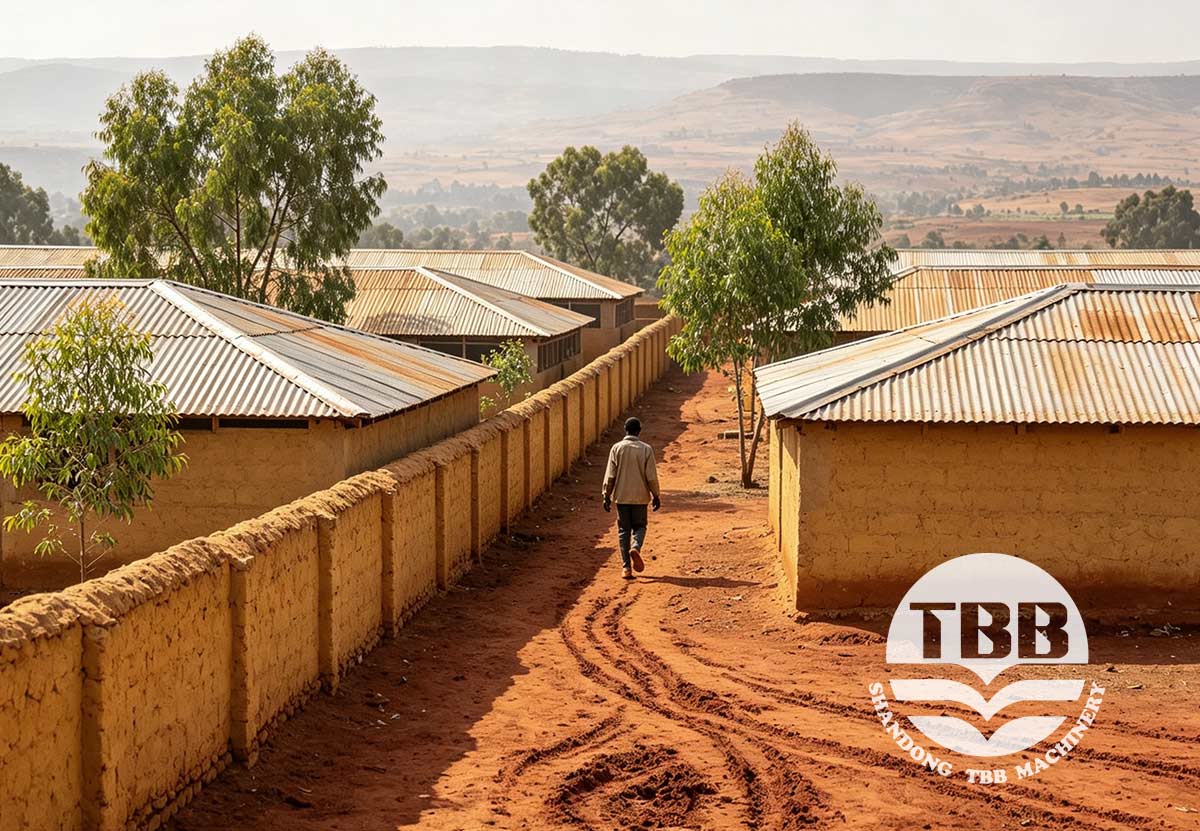
Assessments across Oromia and central Ethiopia point to one root cause: weak biosecurity. A 2023 study of 226 farms in Addis Ababa, Bishoftu and West Shaggar recorded an overall biosecurity score of just 43.1% — far below the global average of 64.3%.
If you run a poultry operation in Ethiopia, here are five of the most common biosecurity mistakes, and how the right combination of daily routines and purpose-built equipment closes them.
▶ Mistake #1: No Protective Gear or Visitor Control
In north-central Oromia, 93.4% of small-scale farms lack shower facilities for workers. In Sebeta, 97.5% neglected regular cleaning of protective gear, only 11.25% of visitors wore appropriate attire, and 88.3% of farms kept no visitor logbook. Staff and visitors moving between houses without changing clothes or disinfecting footwear carry pathogens from farm to farm — effectively turning your poultry house into a rest stop for disease.
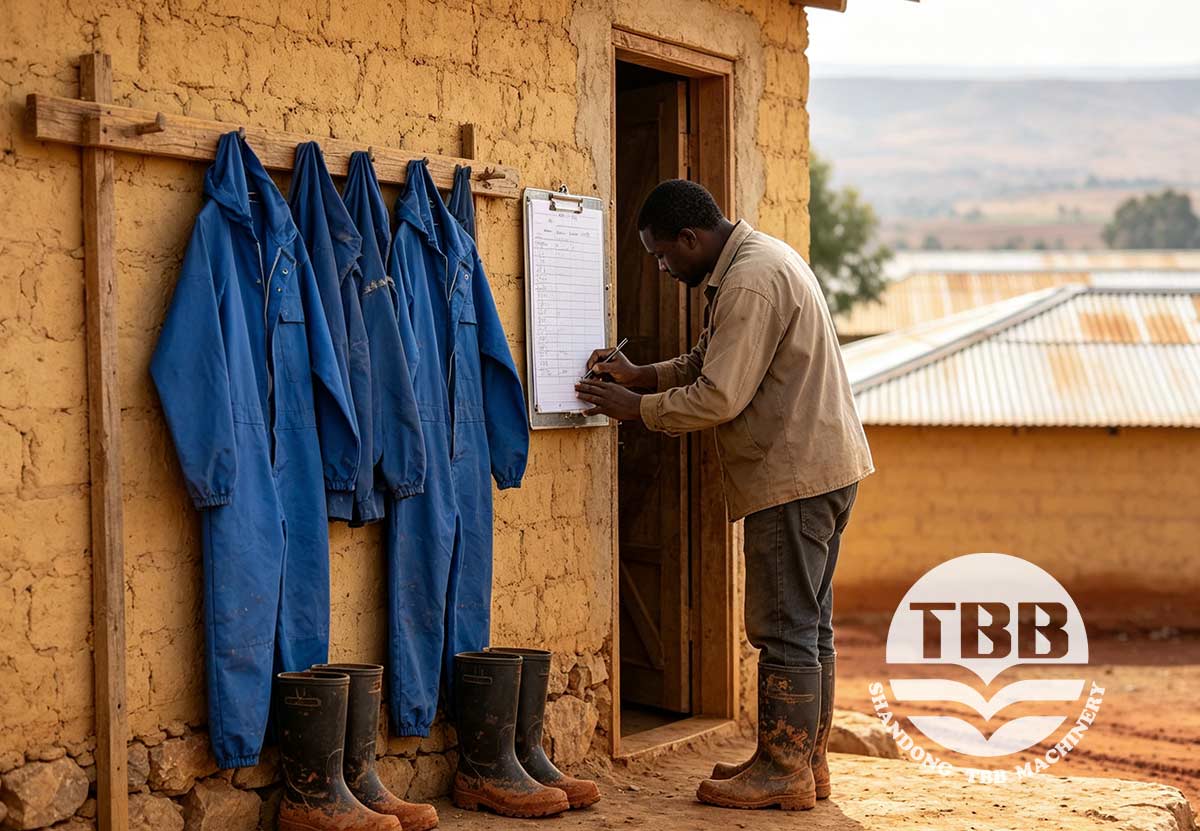
The fix: Start with a mandatory daily check-in protocol — every worker signs in, changes into farm-dedicated boots and coveralls, and steps through a footbath before entering any house. Keep a visitor logbook at the gate and enforce it strictly; no signature, no entry. But here's where equipment makes the discipline stick: a footbath at every entrance, a dedicated boot rack, and a coverall hanging station ensure the gear is always where it needs to be. Tobetter supplies these as part of a turnkey house fit-out, so the routine is built into the layout — not left to memory.
▶ Mistake #2: Irregular Disinfectant Replacement
Disinfectant loses potency over time — some within 24 hours of mixing. Yet in north-central Oromia, 89.2% of farms fail to replace it on a schedule, giving workers a false sense of security while pathogens continue to spread through the house.
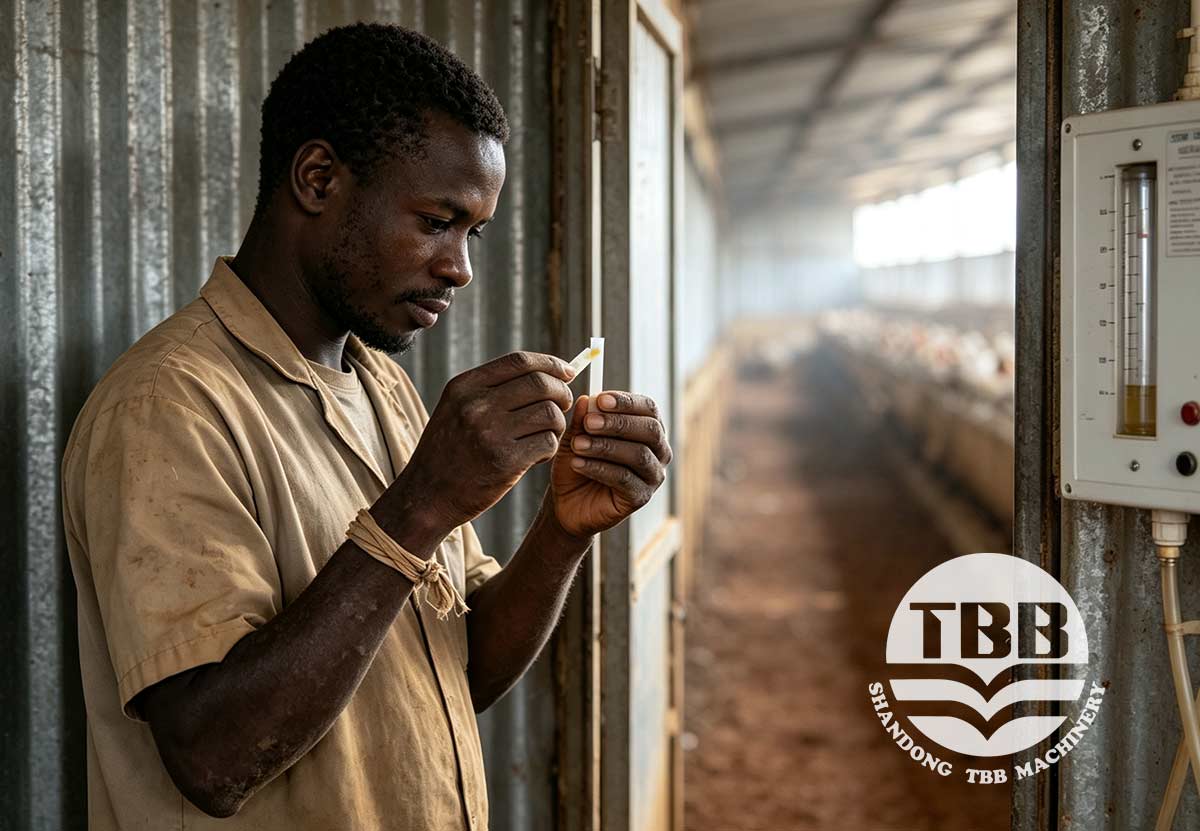
The fix: Institute a fixed rotation calendar — footbaths get fresh solution every morning, equipment dip stations are changed daily, and spray lines are flushed weekly. Assign one person on each shift to verify concentration using simple test strips. But human error remains the biggest variable. That's why more of our clients now spec an automated dosing station into the house from day one — it removes the guesswork and guarantees the right concentration, every time. Pair it with a daily sign-off sheet and you've closed this gap completely.
▶ Mistake #3: No Quarantine for New Birds
Mixing newly purchased chickens with the flock without isolation is a fast track to an outbreak. In Dire Dawa, just 19.4% of farms had any isolation room at all. Surveys in East Gojam repeatedly find farmers skipping routine vaccination and basic disease-prevention steps — letting endemic Newcastle Disease sweep through entire flocks before symptoms even appear.
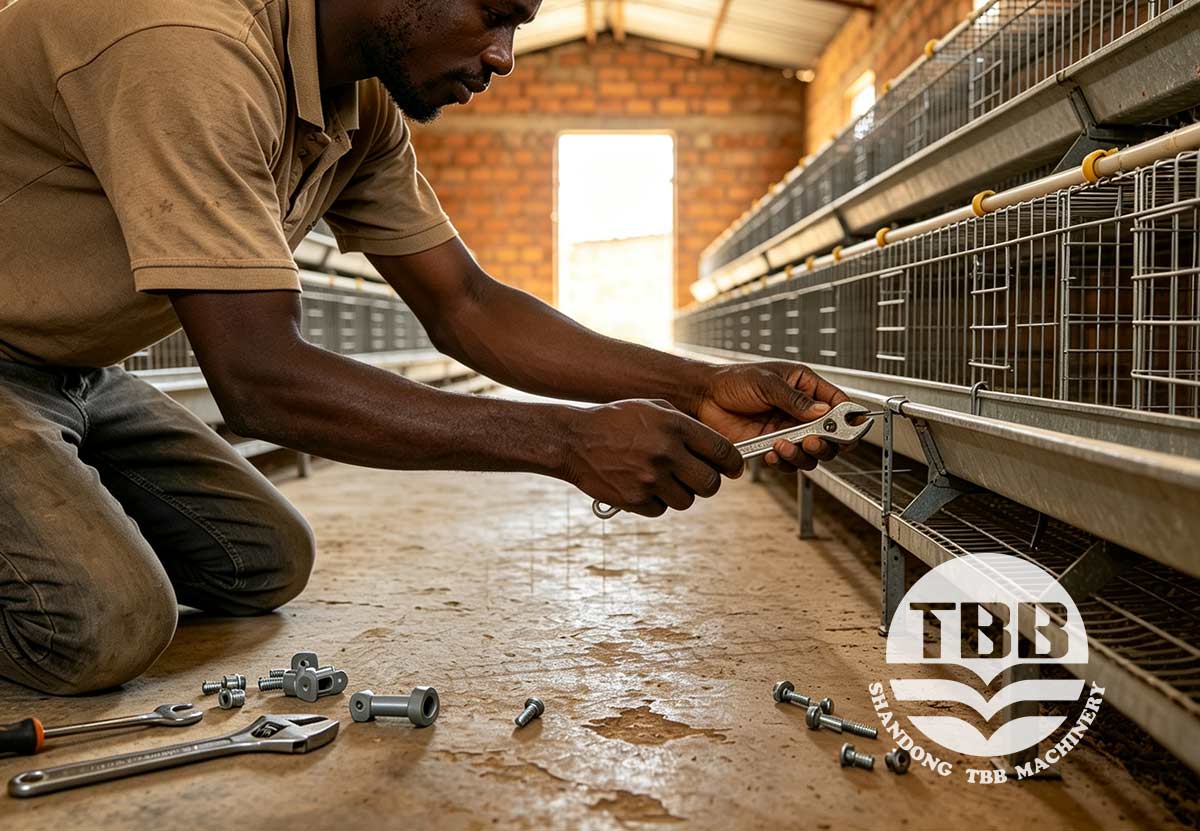
The fix: Quarantine all new birds for a minimum of 14 days in a separate pen — observe, vaccinate if needed, and only then integrate. This is a management rule, not an option. Equipment-wise, a modular starter-cage section — easily added to any Tobetter battery cage line — gives you that isolation space without rebuilding the house. And if you're tight on space, even a simple mobile wire pen placed at the far end of your property, with dedicated feeders and drinkers, buys you the separation you need.
▶ Mistake #4: Open Access for Wild Birds, Rodents and Pets
The same 2023 assessment found wild birds reaching poultry houses on 60.7% of farms in Addis Ababa and 64.3% in Bishoftu, rodents present on 98.2% of Addis farms, and vegetation harboring rodents on 91.1%. These animals are vectors for avian influenza, Newcastle Disease, Salmonella and Campylobacter — and they don't respect your fence line.
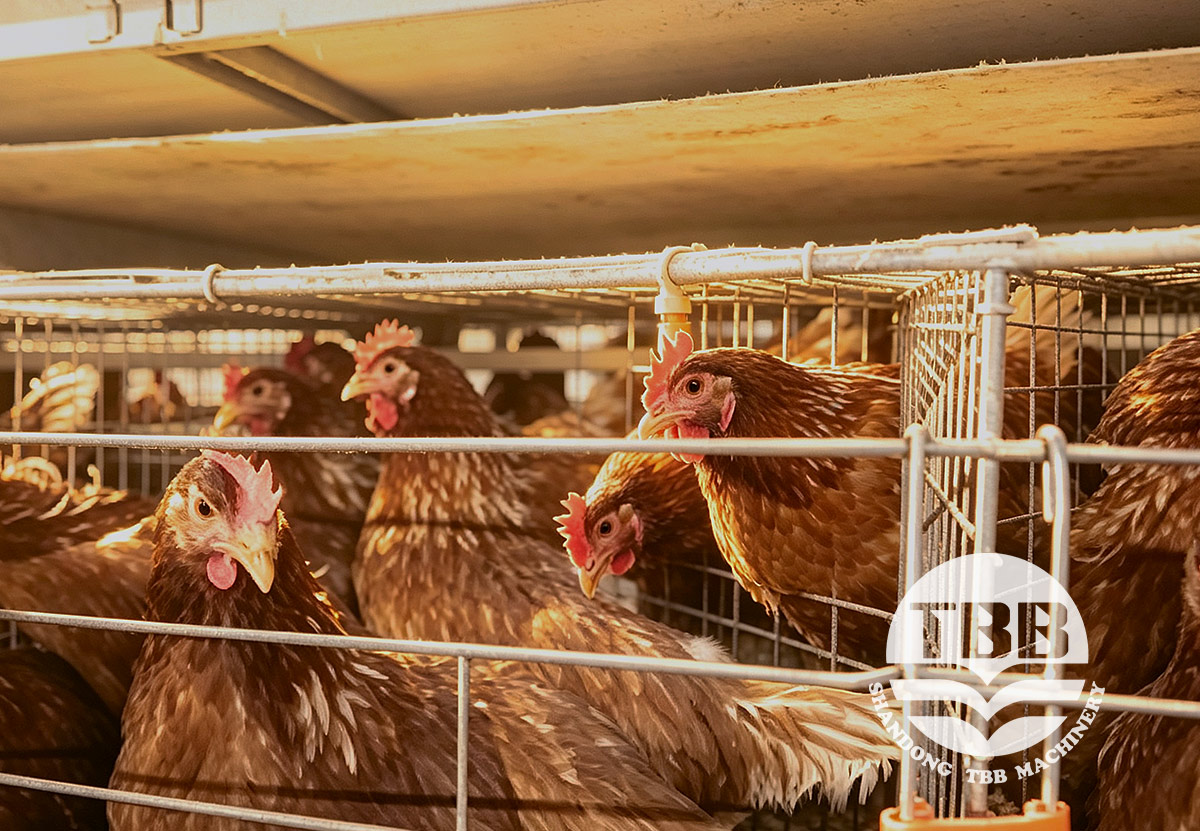
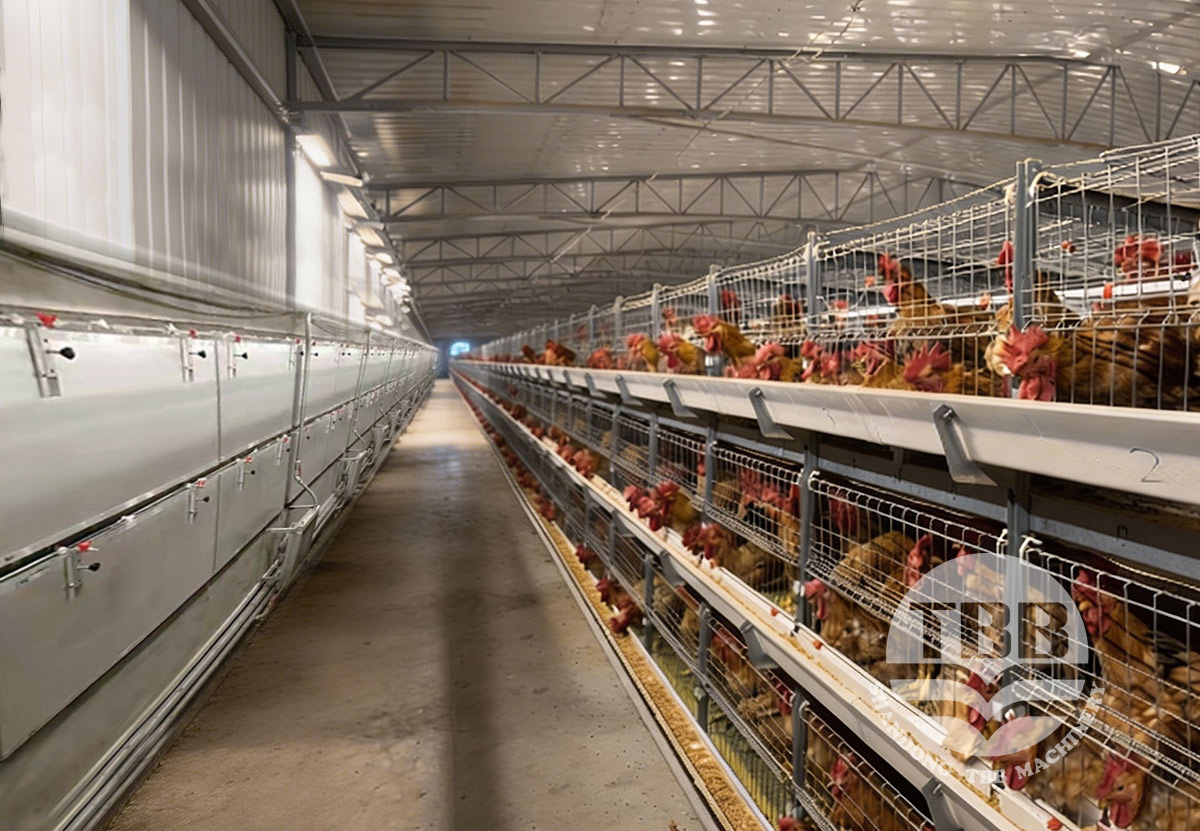
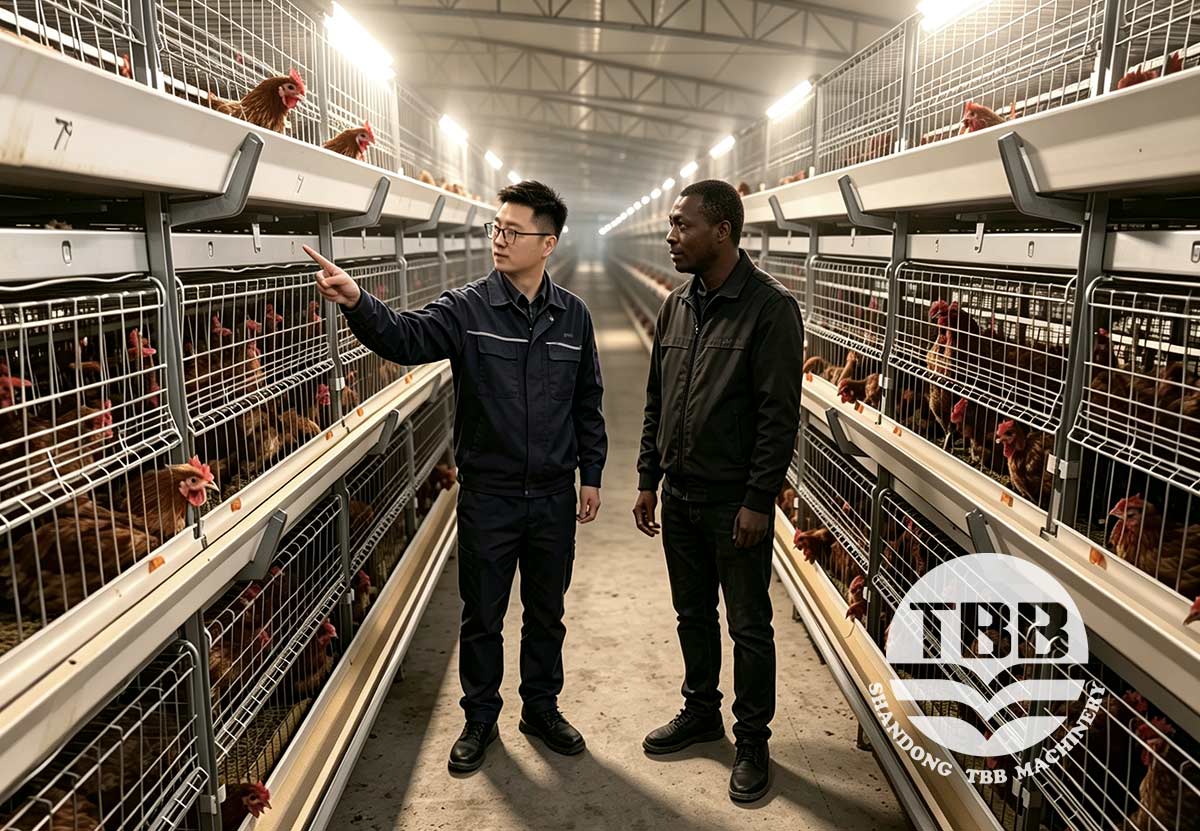
The fix: Start with the basics — bird netting over every opening, active rodent baiting stations placed every 15–20 meters around the house perimeter, and cleared vegetation within at least 5 meters of any poultry structure. But the bigger lever is the house itself. Tobetter's enclosed cage systems use bird-proof side curtains and automated manure belts that remove droppings daily — cutting off the feed source and nesting material that rodents and wild birds come for. When you combine these structural measures with a weekly perimeter inspection, you're tackling the problem at both ends.
▶ Mistake #5: Improper Disposal of Dead Birds
Dead-bird disposal is the most overlooked failure — and arguably the most dangerous. In East Gojam, carcasses were thrown out, left for dogs and cats, or dumped into rivers — practices that actively fuel reinfection cycles. In Sebeta, only 12.5% of farms disposed of dead birds properly. One carcass left exposed can attract scavengers that spread the virus to neighboring farms for kilometers around.
The fix: Bury (at least 1 meter deep) or burn carcasses immediately — never leave them where scavengers can reach them. This is a zero-tolerance rule that every farm worker must understand. Equipment makes execution easier: a belt manure-removal system keeps the house dry, limits carcass contact with the flock, and pairs with a simple on-site incinerator to complete a safe, fast disposal routine. For farms without incinerators, a designated burial pit lined with quicklime is a low-cost alternative that still breaks the infection cycle.
The Bottom Line
The research is clear: Ethiopian poultry farms are losing money to preventable biosecurity gaps — and 74.2% of farmers have never had formal training to close them. The most durable wins come from getting two things right: a consistent daily routine that your team follows without exception, and a house and cage system that does half the biosecurity work for you.
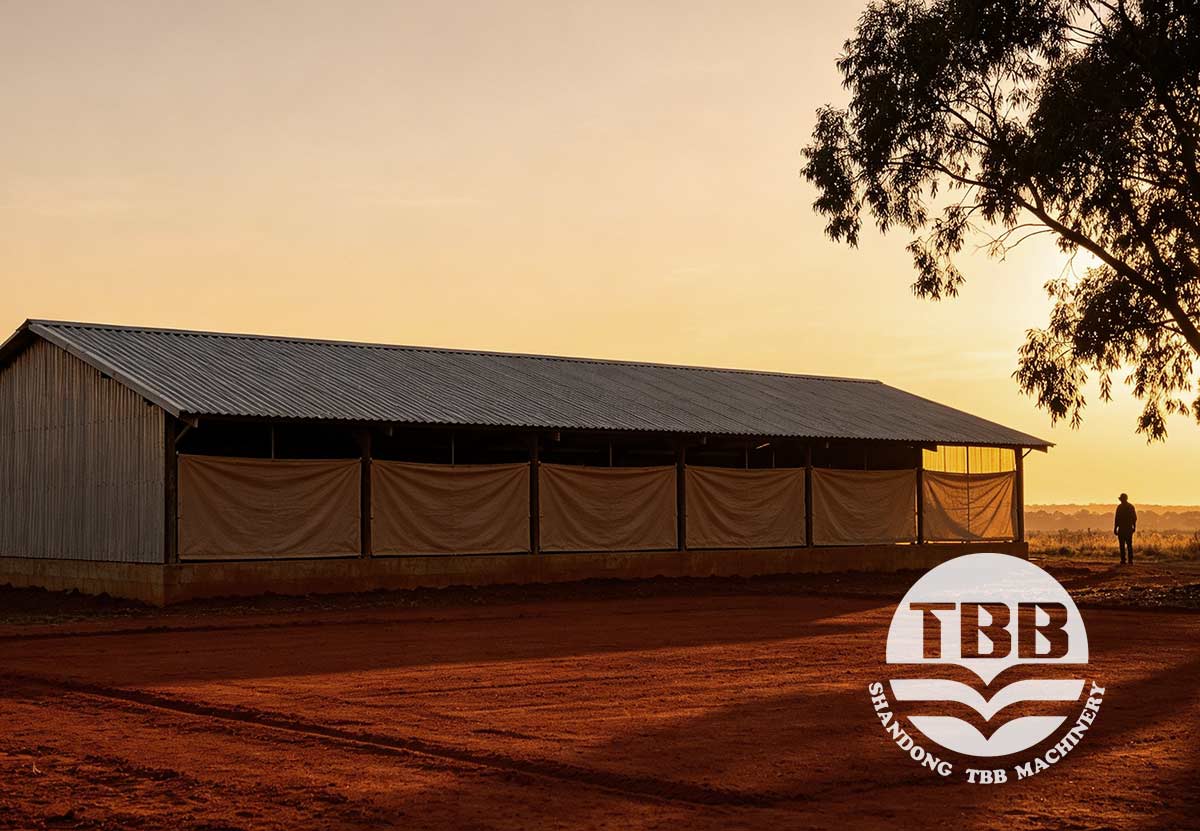
An enclosed layer cage system with automated manure belts, nipple drinkers and bird-proof housing is built to close exactly these five gaps — less labor, fewer pathogens, more sellable eggs. But no piece of equipment replaces a well-trained team. That's why we walk every customer through the daily routines that make the system work from day one.
Whether you run a backyard operation or a commercial farm in Addis Ababa, Bishoftu or Dire Dawa, we can size a system to your flock — and help you build the routines around it.
Message us for this year’s best price on a system sized to your flock.