



News
How to Build a 20,000-Bird Layer Farm in Brazil in 2026 (Real Costs + MAPA 1.617)
Source: TBBView: 121How to Build a 20,000-Bird Layer Farm in Brazil in 2026 (Real Costs + MAPA 1.617)
In April 2026, Brazil’s Ministry of Agriculture and Livestock quietly rewrote the economics of every new layer house in the country. Portaria SDA/MAPA nº 1.617, effective immediately, banned five antimicrobial growth promoters — avoparcin, bacitracin, zinc bacitracin, bacitracin methylene disalicylate, and virginiamycin — from use as feed additives. Farms that held their margins by leaning on those products suddenly had to earn them from housing and management instead. For anyone planning a 20,000-bird layer farm in Brazil this year, that one rule is the strongest argument for getting the cage system right the first time.
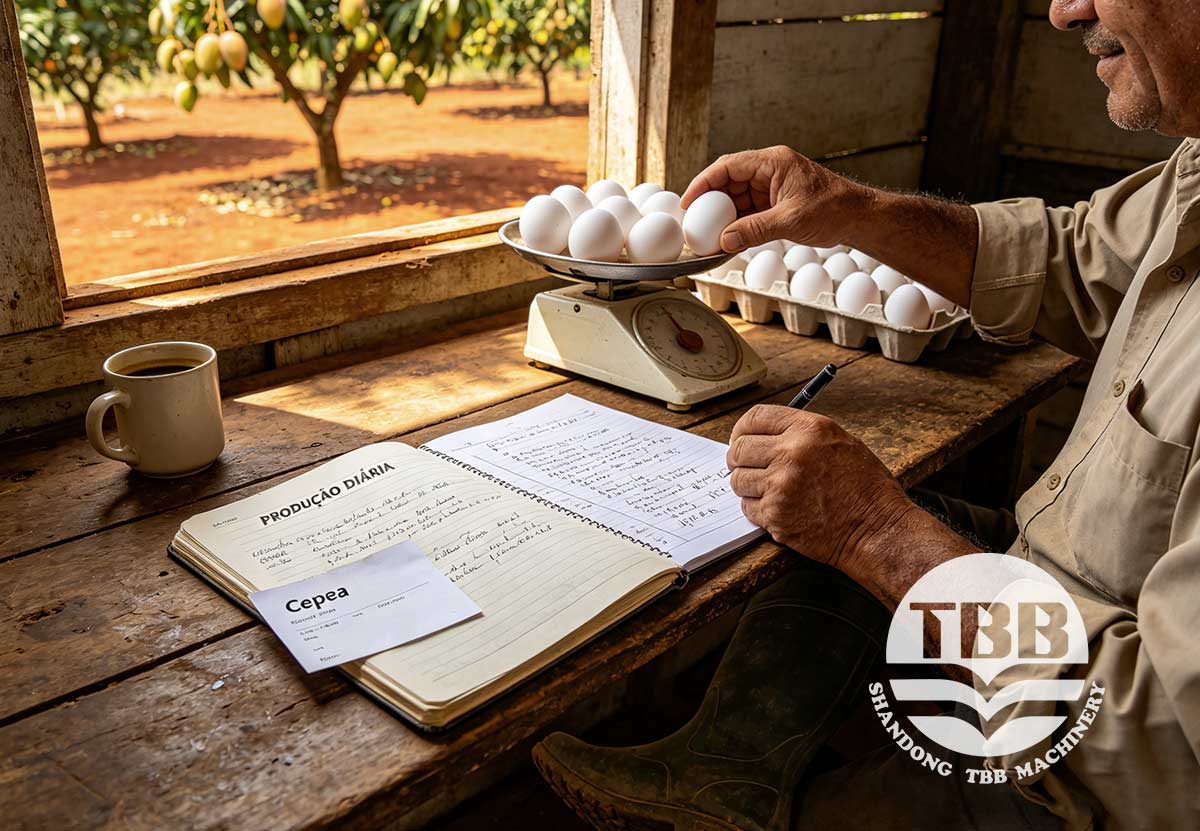
Brazil’s egg demand backs the case up. Consumption is steady, and Lent plus back-to-school seasons spike it hard — Cepea reported Bastos white eggs (tipo extra) averaging around R$147 per 30-dozen box in early 2026, roughly R$0.41 per egg at the farm gate, with Lent-driven peaks near R$0.49. At that price, 20,000 layers is a sensible entry: big enough to cover fixed costs, small enough to run without a full integration contract.
▶ How much does a 20,000-layer farm cost in Brazil in 2026?
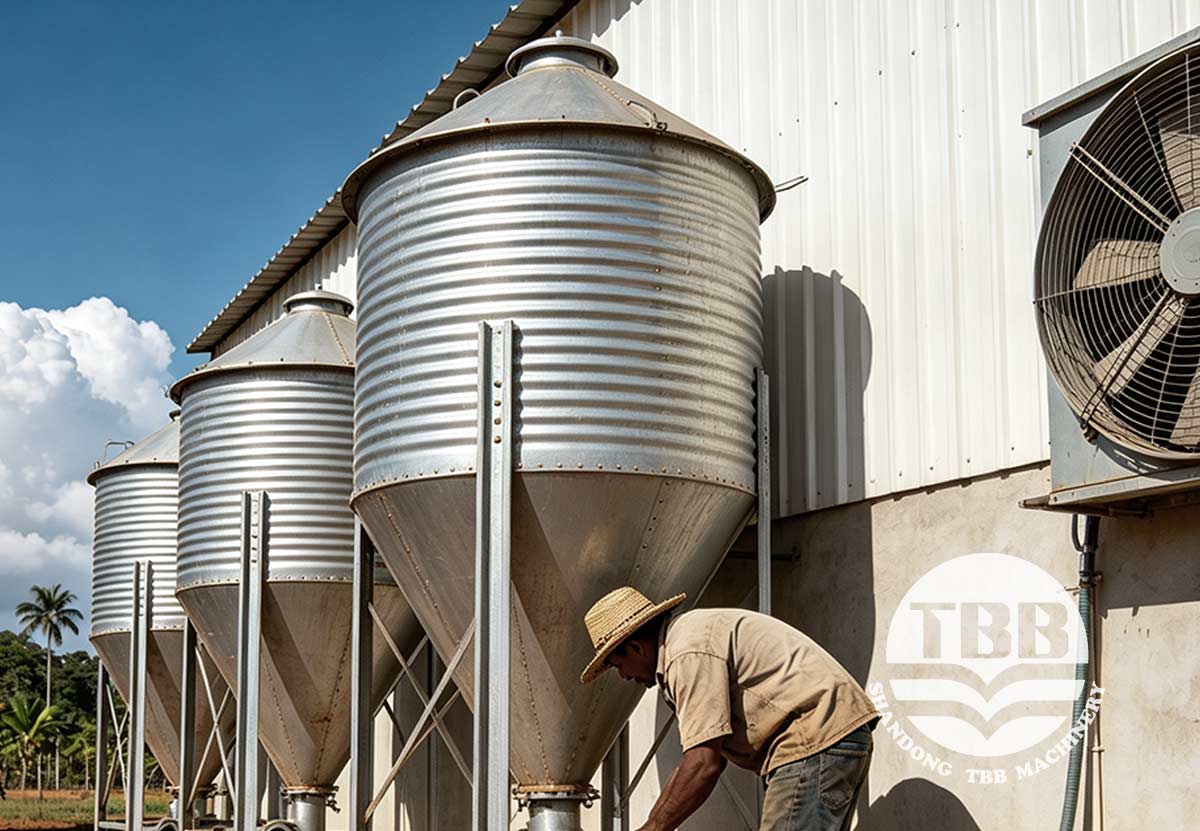
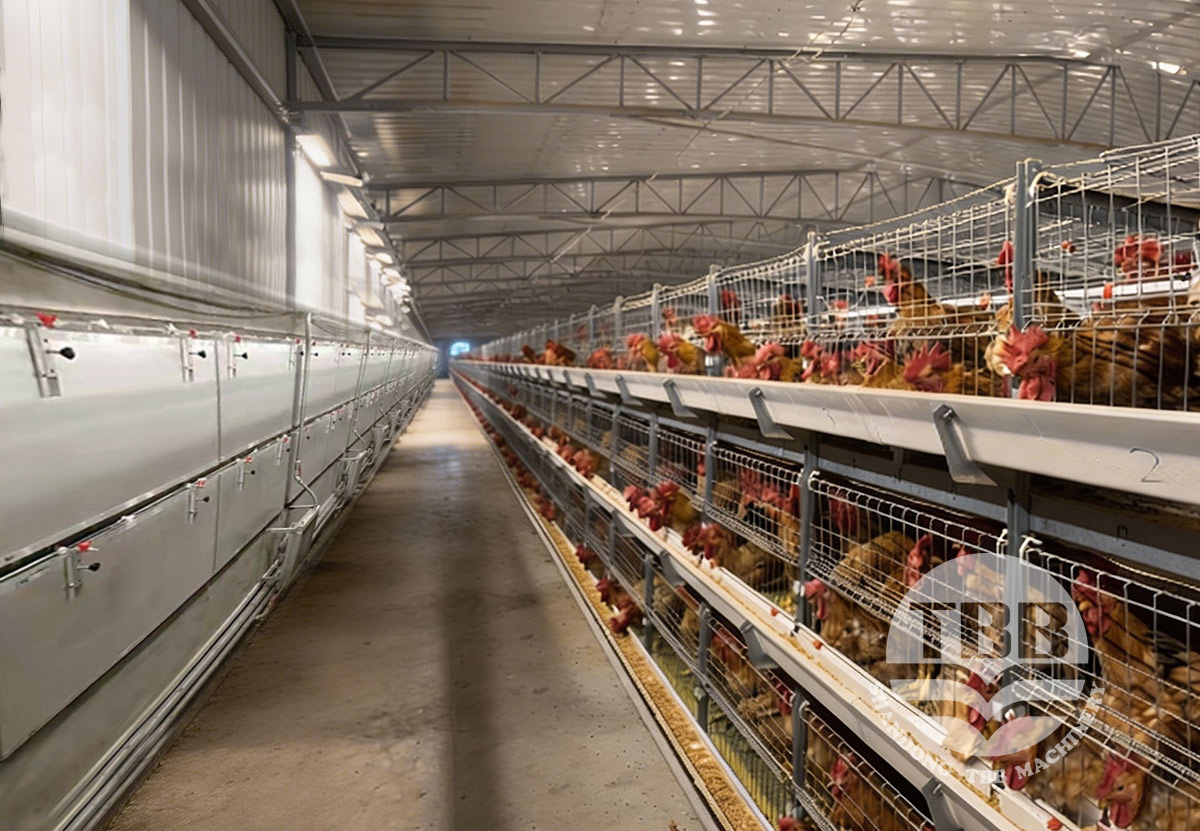
A setup like this splits into two tickets. Bird-side equipment — cages, feeding and drinking lines, egg collection, ventilation, and manure handling — runs R$1.2–1.8 million. The house itself, including construction, adds R$0.4–0.6 million. Neither includes land, which swings too much by state to pin down. The error first-time planners make is treating the cage system as a minor line; it is the backbone that sets your labor, hygiene, and egg grade.
▶ Why MAPA 1.617 should shape your cage system
The ban is partial — avilamycin, enramycin, flavomycin, and halquinol stay approved — but the direction is clear: bird health has to come more from the house and less from the feed bag.

A cage system with controlled density, strong airflow, and fast manure removal keeps birds off their own waste, cuts ammonia, and lowers the infection pressure those additives used to mask. If your design relied on medication to stay profitable, the new rule just made that model fragile.
▶ Layer cage specs that hold up in Brazilian conditions
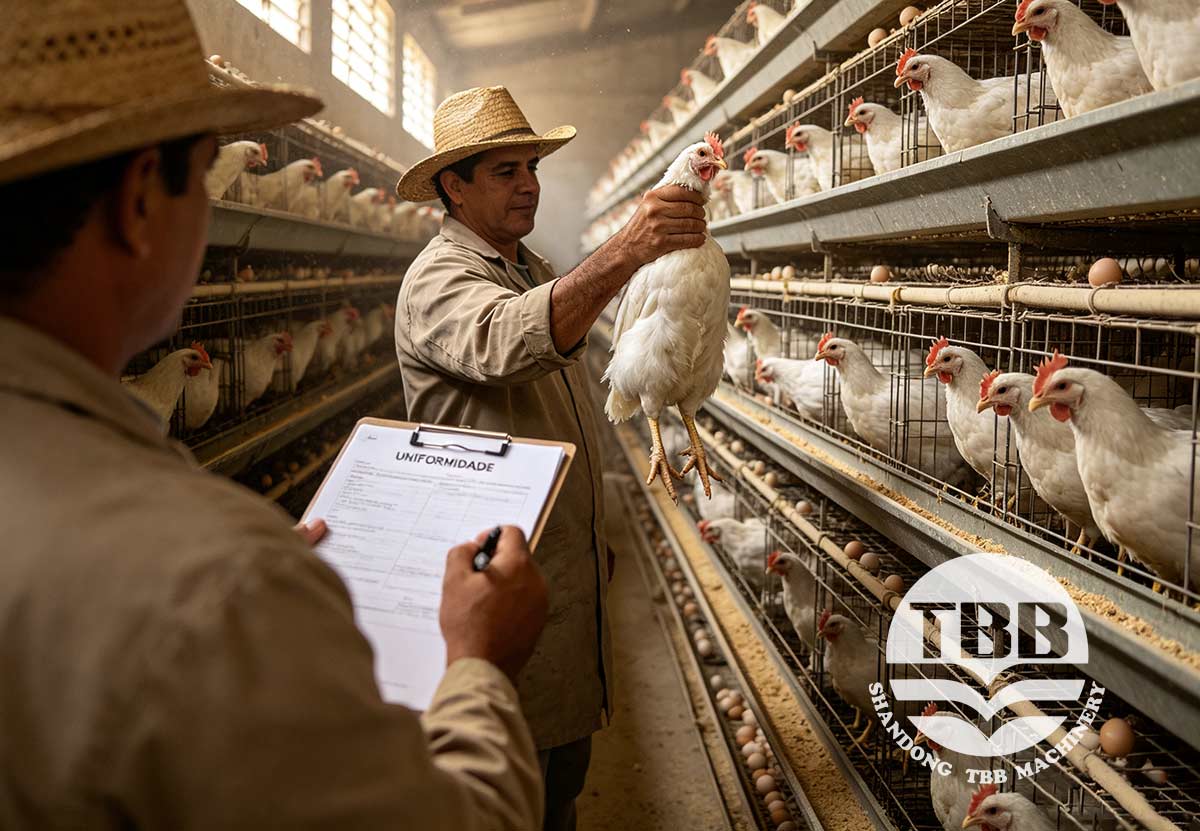
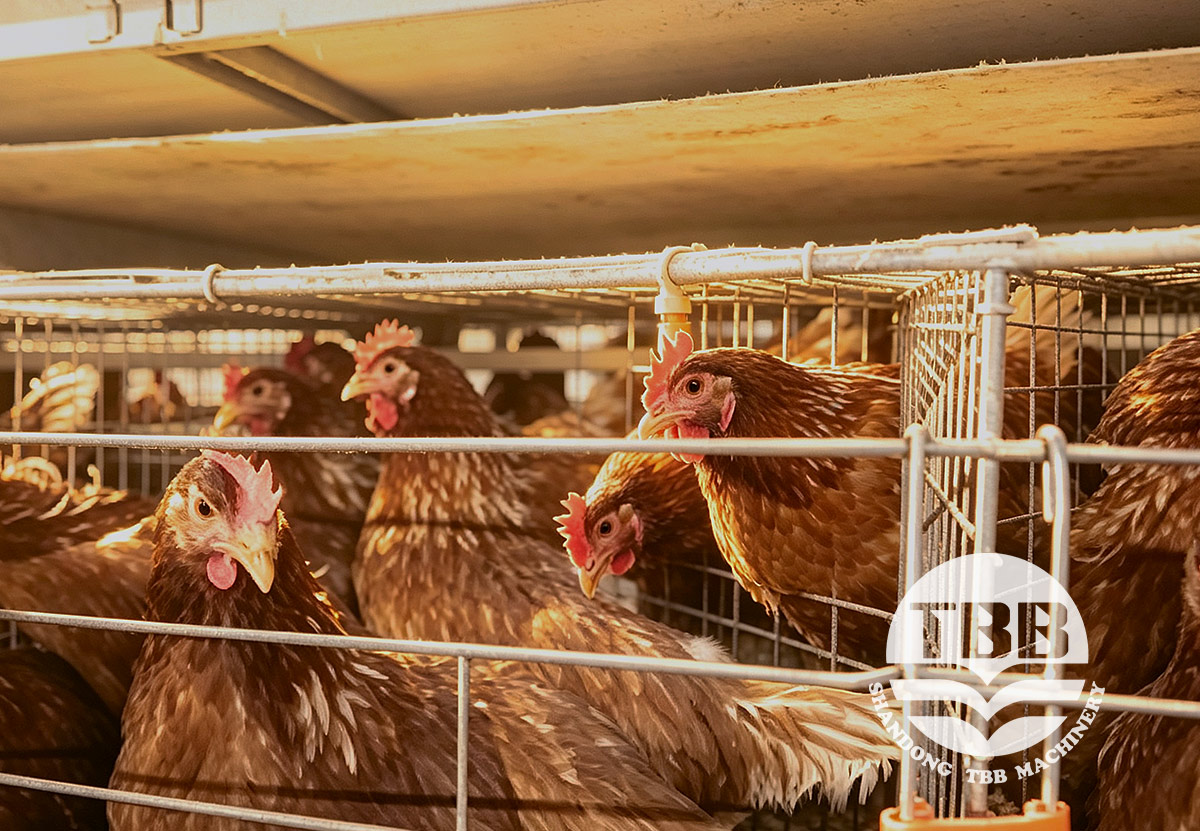
Commercial layers do well at 450–500 cm² per bird in cages, which supports even feed access and fewer foot and pecking problems. Eggs roll to a belt instead of sitting in litter, protecting grade and shelf life. For the heat, plan real ventilation — about 3 m³ of air per kg of bird per hour at peak summer design, plus evaporative cooling in the hottest states. Manure belts that run continuously matter more now than they used to: less standing litter, less ammonia, fewer reasons to reach for a banned additive.
▶ Birds, power, and the numbers that decide payback
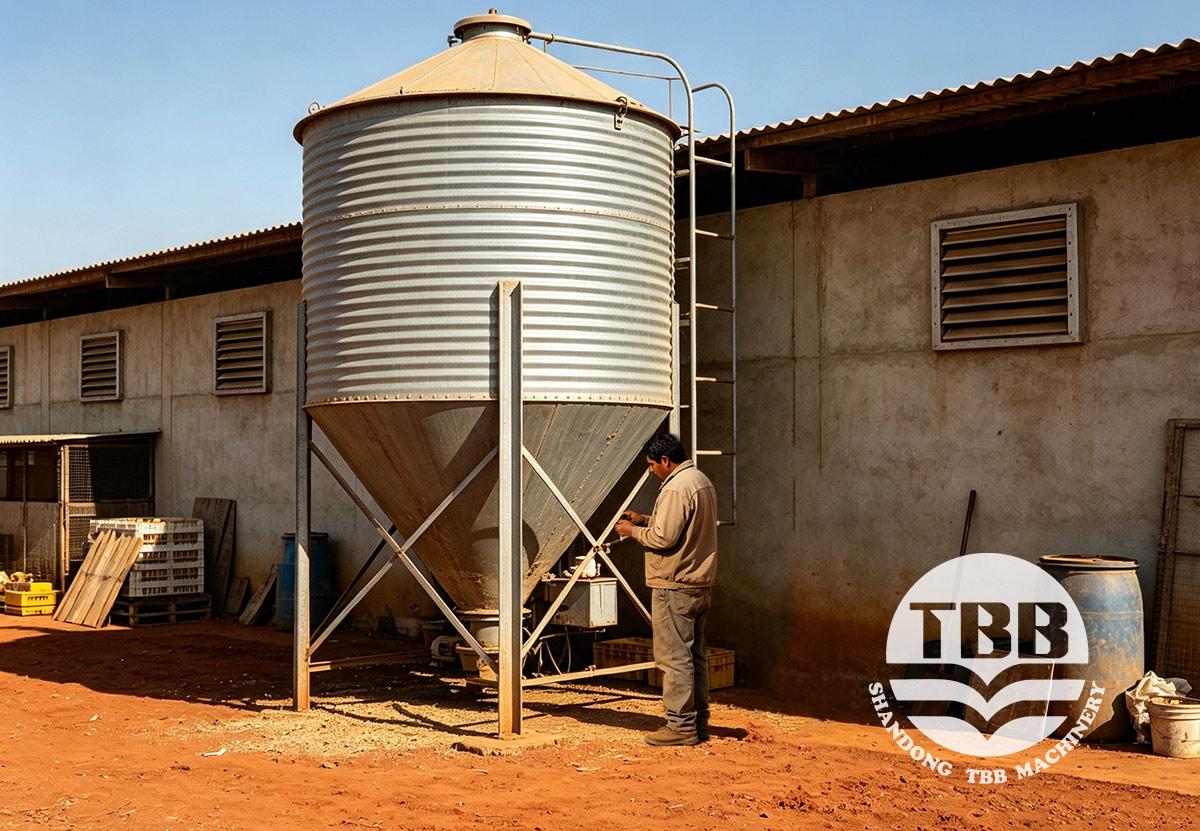
Dekalb, Hisex, and Hy-Line remain the workhorse commercial strains and all perform in managed cage houses. Day-old and point-of-lay pullet prices move with strain and season, so confirm the current quote with your hatchery before you lock a budget — it is usually the largest single biological input after feed. Well-run houses hold laying mortality in the 5–7% range; above that, check ventilation and water quality first. Power matters too: a 30–40 kVA standby generator covers a 20,000-bird house, tunnel fans included, if you size it for motor start-up surge rather than just running watts.
At R$0.41 per egg and 20,000 birds, daily revenue tracks hen-day production, so small gains in lay % and shell quality show up fast. Published payback runs about 24–30 months with net margins near 25–30%, but those are illustrative — feed cost, which tracks corn and soybean meal, is the swing factor.
▶ Choosing layer cage equipment that meets MAPA 1.617 — and actually reaches your site
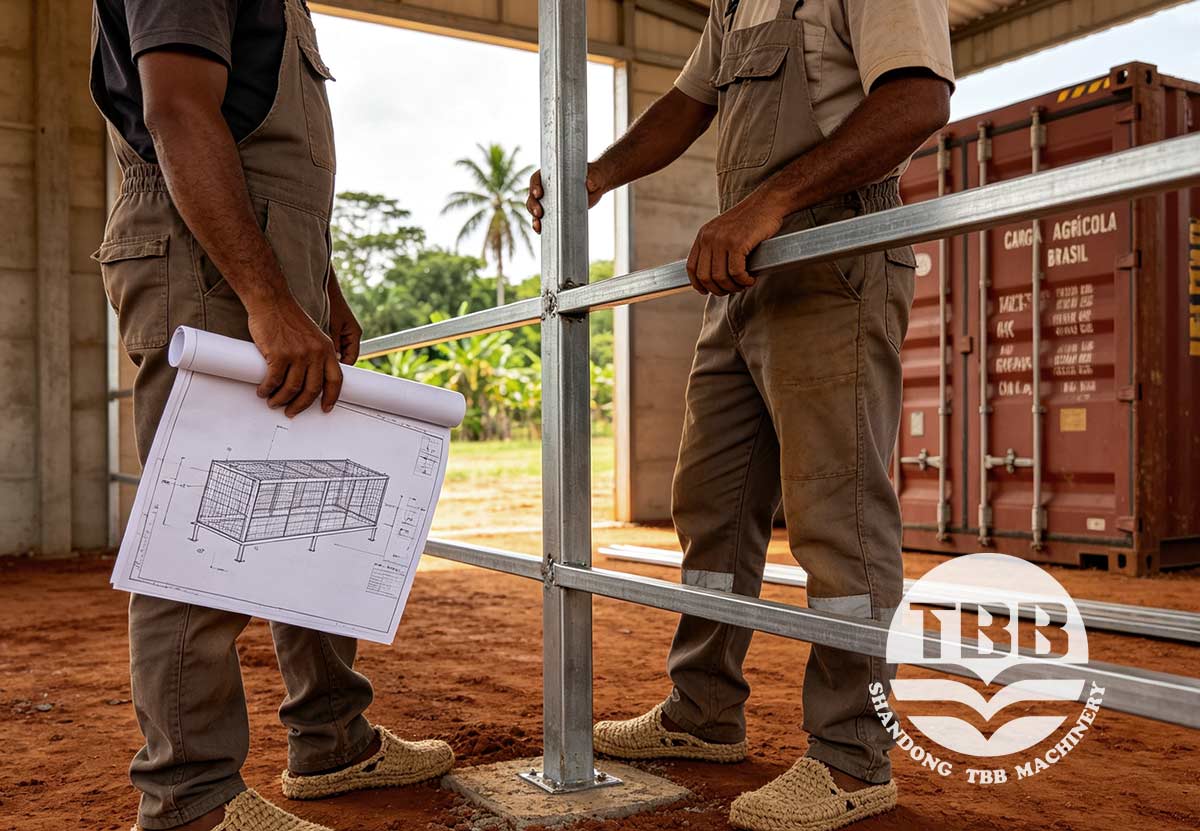
This is where the week-to-week workload is won. Tobetter builds the full line — cages, automated feeding, nipple drinking, belt egg collection, and manure handling — as one matched system, so it ships as a consolidated knock-down kit with complete assembly drawings instead of incompatible parts scattered across five suppliers. You choose the footprint: an A-type stack (3–4 tiers) suits houses leaning on natural ventilation, while an H-type (4–8 tiers) packs more birds per square metre where tunnel ventilation is planned. Either way the house is built on site following the drawings, and the automated lines mean one person moves a full house rather than hand-feeding and hand-collecting. Because birds stay separated from droppings and manure leaves continuously, the system lines up with the MAPA 1.617 direction — less reliance on banned additives, more on clean housing.
If you are planning a 20,000-bird layer farm in Brazil for 2026, the equipment spec is where the payback is won or lost. Message us for this year’s best price.