



News
Complete Guide to Poultry House Ventilation Systems: Everything Farmers Need to Know in 2026
Source: TBBView: 62Complete Guide to Poultry House Ventilation Systems: Everything Farmers Need to Know in 2026
If you're running a poultry farm - or planning to build one - ventilation is one thing you cannot afford to get wrong.
Poor ventilation kills birds slowly. Good ventilation keeps them healthy, growing, and profitable. Great ventilation does all that while keeping your energy bills under control.
This guide walks you through everything from basic principles to specific system types, so you can make informed decisions for your operation - whether you're managing 5,000 layers or 500,000 broilers.
What Does Ventilation Actually Do in a Poultry House?
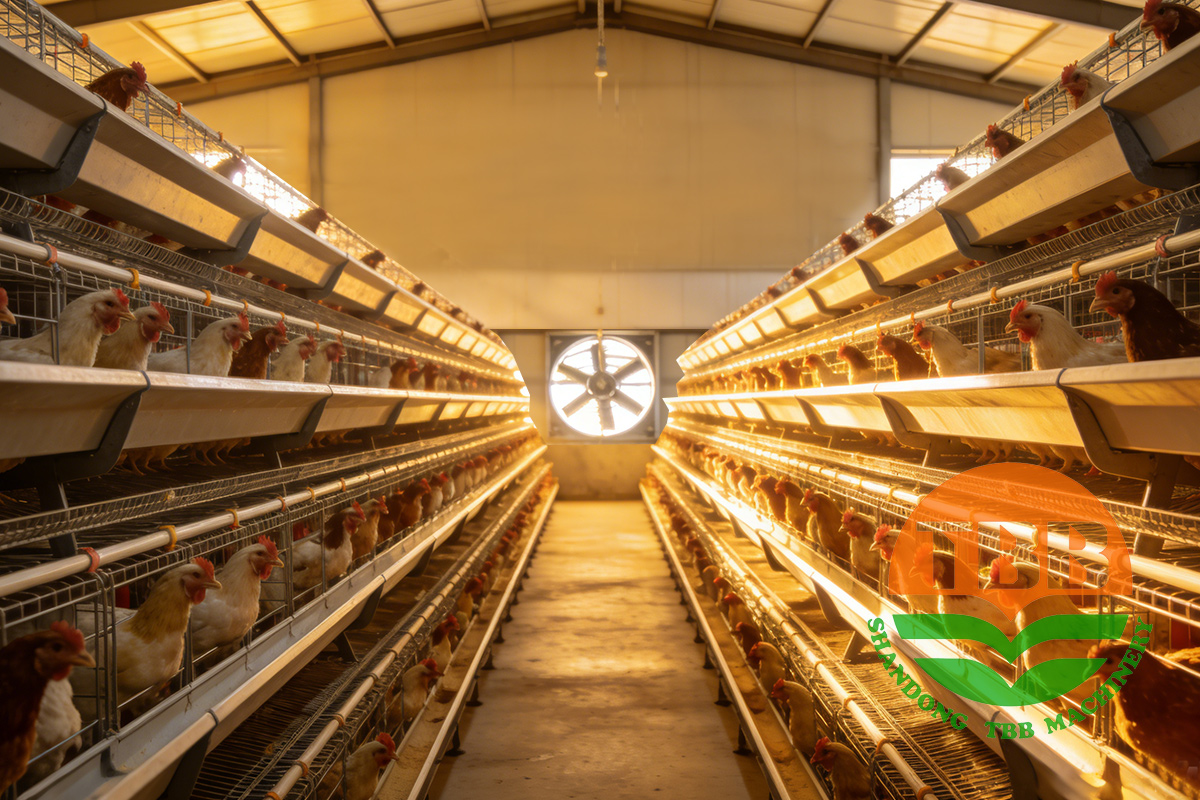
Ventilation in a poultry house does more than just move air. It handles four critical jobs at once:
Removes heat generated by the birds
Flushes out moisture, ammonia, and carbon dioxide
Brings in fresh oxygen-rich air
Distributes air evenly so there are no dead zones
Get any one of these wrong, and your flock suffers. Get all four right, and you're looking at better feed conversion, lower mortality, and higher egg production or faster weight gain.
That's not marketing talk - that's what years of on-farm experience across 12 countries has taught us.
Natural Ventilation vs. Mechanical Ventilation
The first decision every poultry farmer faces is which type of ventilation system suits their setup.
Natural ventilation relies on wind and thermal buoyancy - warm air rises and exits through ridge vents, while fresh air enters through side openings. It's simple, low-cost, and works well in temperate climates with consistent wind patterns.
But natural ventilation has real limits. In hot summers, humid conditions, or enclosed high-density housing, wind alone won't cut it. The moment you stack more birds per square meter, you need mechanical support.
Mechanical ventilation - also called tunnel ventilation or forced-air ventilation - uses fans to actively push air through the house regardless of weather conditions. This is the standard for commercial-scale layer and broiler operations in most parts of the world.
Most medium-to-large farms use a hybrid approach: natural ventilation for mild weather, with mechanical fans on standby for hot seasons or high-density periods.
Tunnel Ventilation: The Industry Standard for Commercial Poultry Houses
Tunnel ventilation has become the go-to system for commercial poultry operations, and for good reason.
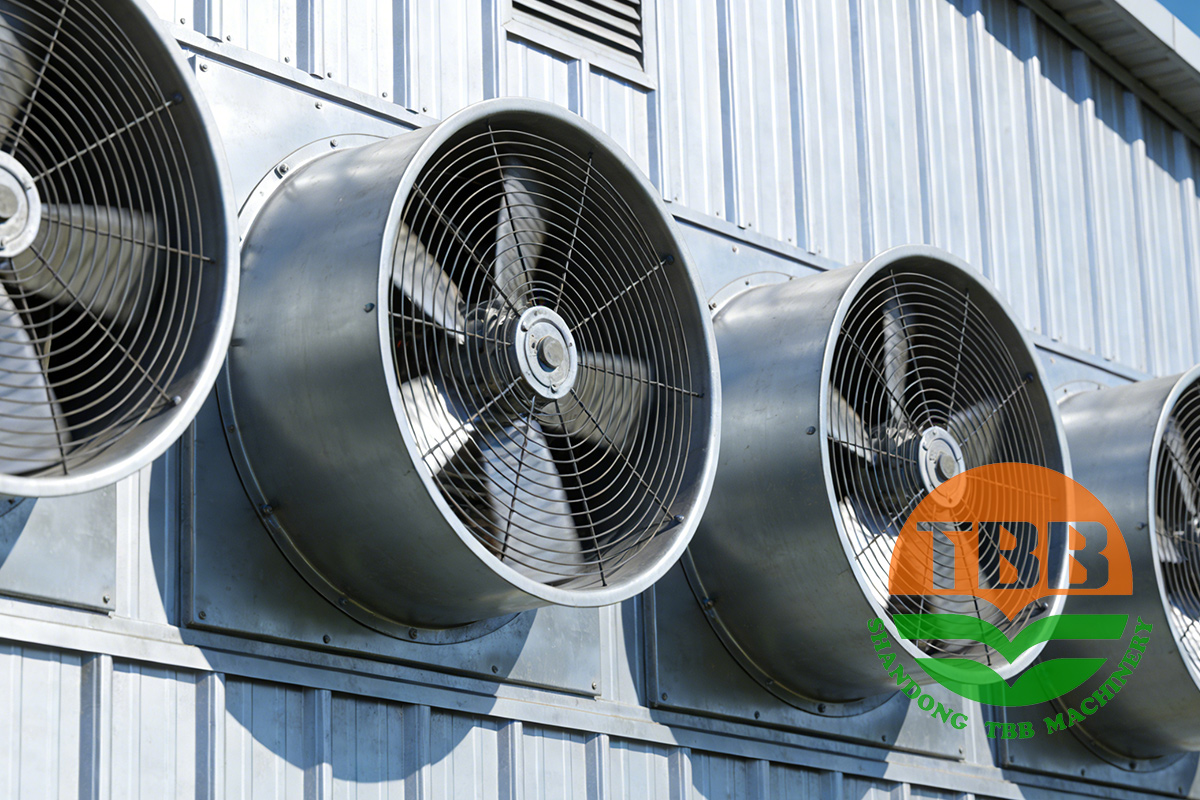
Fans pull air through the full length of the house at high speed, creating a consistent airflow that removes heat and keeps birds cool even when outdoor temperatures spike. When combined with cooling pads, tunnel systems can lower effective house temperatures by 8-12 degrees C - a lifesaver in regions with extreme summer heat.
Key components of a tunnel ventilation system include:
Exhaust fans at one end of the house
Inlet openings at the opposite end
Cooling pad systems for hot climates
Circulation fans to eliminate dead zones
Environmental controllers that adjust fan speed based on temperature readings
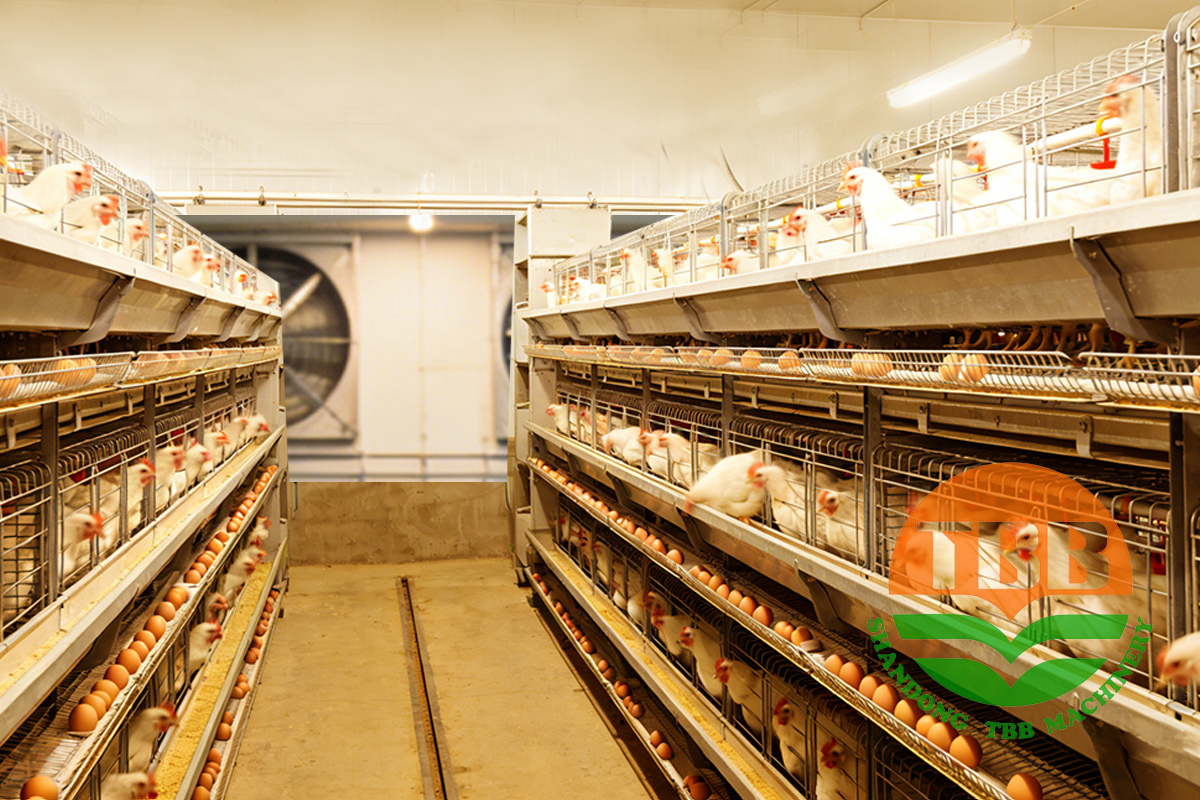
For layer houses, tunnel ventilation works especially well with multi-tier cage systems, where birds are stacked vertically and heat buildup between tiers is a common challenge.
For broiler houses, the system needs to account for faster growth rates and higher metabolic heat in modern fast-growing breeds - which means more airflow capacity per bird than older genetics required.
Cross Ventilation: A Practical Option for Smaller Operations
Cross ventilation moves air horizontally across the house rather than along its length. It's simpler to install and works best for narrower buildings - typically under 12 meters wide.
For small-to-medium layer farms running 2-4 tier cage systems, cross ventilation combined with ceiling fans can maintain adequate air quality without the capital cost of a full tunnel setup. It's also easier to manage manually, which some farmers actually prefer.
That said, cross ventilation struggles in wide houses or in climates where summer temperatures regularly exceed 35 degrees C. Know your limits - and know when to upgrade.
Ventilation and Cage System Design Must Work Together
Here's something many farmers overlook: your ventilation system and your cage layout are not separate decisions.
When we design a poultry cage layout for a client, ventilation comes first. We calculate the minimum airflow required per bird, factor in house dimensions and orientation, then size the cage system around those requirements.
In our own farm operation, we learned this the hard way. Early on, we optimized for cage density and ended up with airflow bottlenecks in the center rows. It took a redesign to fix - and we've applied that lesson to every project since.
For layer cage systems with automated egg collection, ventilation must account for the additional equipment footprint. For broiler cage systems with higher stocking density, the fans need more capacity, not just more cages.
This is where working with a manufacturer who actually runs a farm gives you a real advantage. We don't just ship equipment. We design the whole system to work together.
Signs Your Poultry House Ventilation Needs an Upgrade
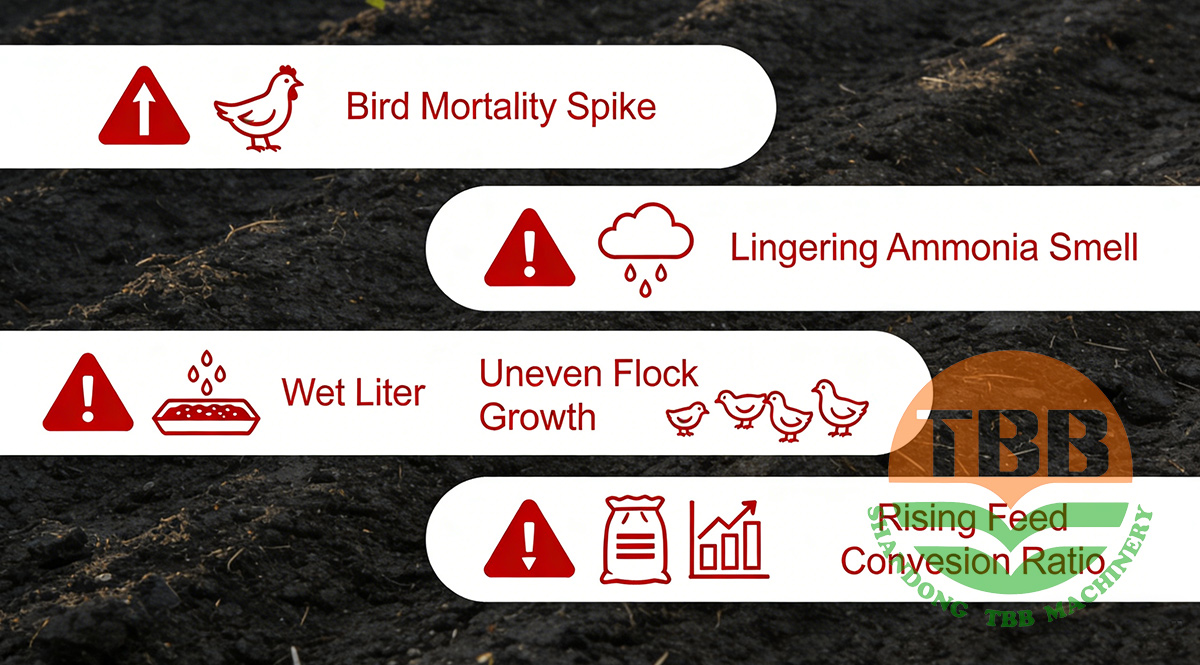
How do you know it's time to rethink your ventilation? Watch for these warning signs:
Bird mortality spikes during hot weather
Ammonia smell lingers even with the fans running
Wet litter despite dry conditions outside - a sign of excess moisture
Uneven growth across the flock - some birds thriving, others struggling
Feed conversion ratio climbing without any other explanation
Any of these can point back to inadequate ventilation. The fix is usually a combination of increasing fan capacity, improving air distribution, and adjusting the balance between inlet and exhaust.
How to Choose the Right Ventilation System for Your Farm
There's no universal answer here. The right system depends on:
Your geographic location and typical climate range
House dimensions and construction type
Bird type and stocking density
Budget for initial investment vs. long-term operating costs
Whether you're building new or upgrading existing housing
For new construction, we always recommend designing the ventilation system before finalizing the cage layout. For existing operations, a ventilation audit is a smart first step - it tells you exactly where you're losing performance before you spend money on upgrades.
Final Thoughts: Don't Cut Corners on Air
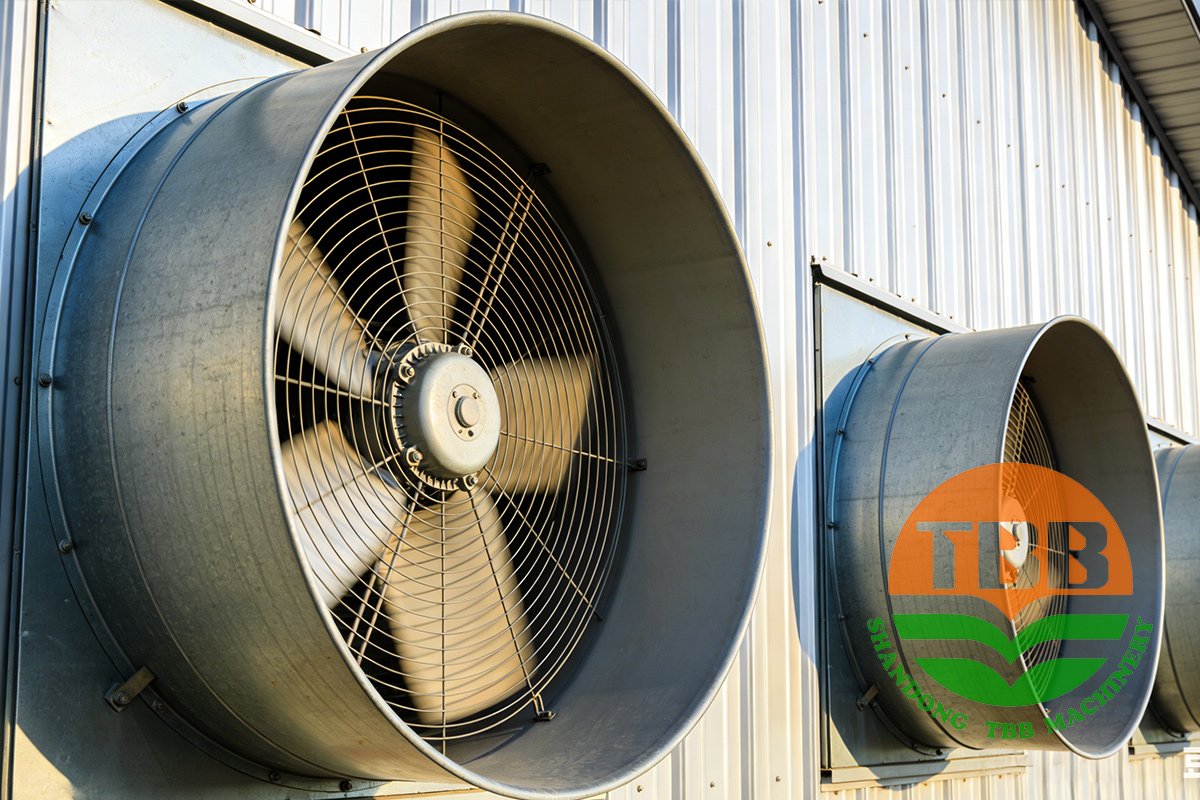
Ventilation is one of those areas where the upfront investment almost always pays off. The cost of upgrading fans and controls is small compared to the losses from poor bird performance, high mortality, or blown feed conversion ratios.
Whether you're running layer cages, broiler cages, or a mixed operation, your ventilation system is the backbone of everything else.
If you're planning a new poultry house or thinking about upgrading your current setup, we're happy to talk through the options - no obligation, just honest advice from people who've built and run these systems themselves.
Reach out to us today and tell us about your current operation. We'll give you a practical recommendation based on your specific situation - and for projects booked this year, we have pricing that won't come around again in 2026.