



News
Layer Cage Manufacturer in Indonesia: What Farms Need to Know
Source: TBBView: 102Layer Cage Manufacturer in Indonesia: What Farms Need to Know
Thinking about upgrading your laying hen operation in Indonesia? Here's what actually matters when choosing a layer cage supplier — from materials to after-sales.
The Indonesian Egg Market Is Growing. So Are the Mistakes.
Indonesia's commercial egg sector has expanded fast over the past five years. New farms are coming up across Java, Sumatra, and Sulawesi — and with them, a wave of equipment purchases that don't always go well.
Some farms import the cheapest cages they can find. A year later, they're dealing with rusted frames, jammed egg belts, and suppliers who stopped returning calls. Others overspend on systems that were never designed for tropical conditions.
If you're planning a new layer farm or upgrading an existing one, this is worth reading before you sign anything.
Tropical Climate Changes What "Good Equipment" Means
A cage system that performs well in northern China or Europe may deteriorate quickly in Indonesia's heat and humidity. A few things to look out for:
Hot-dip galvanizing vs. cold galvanizing. This distinction matters more than most buyers realize. Cold-galvanized cages start showing surface rust within 2–3 years in humid conditions. Hot-dip galvanized steel holds up for 15+ years. Always ask for the galvanizing method in writing — don't assume.
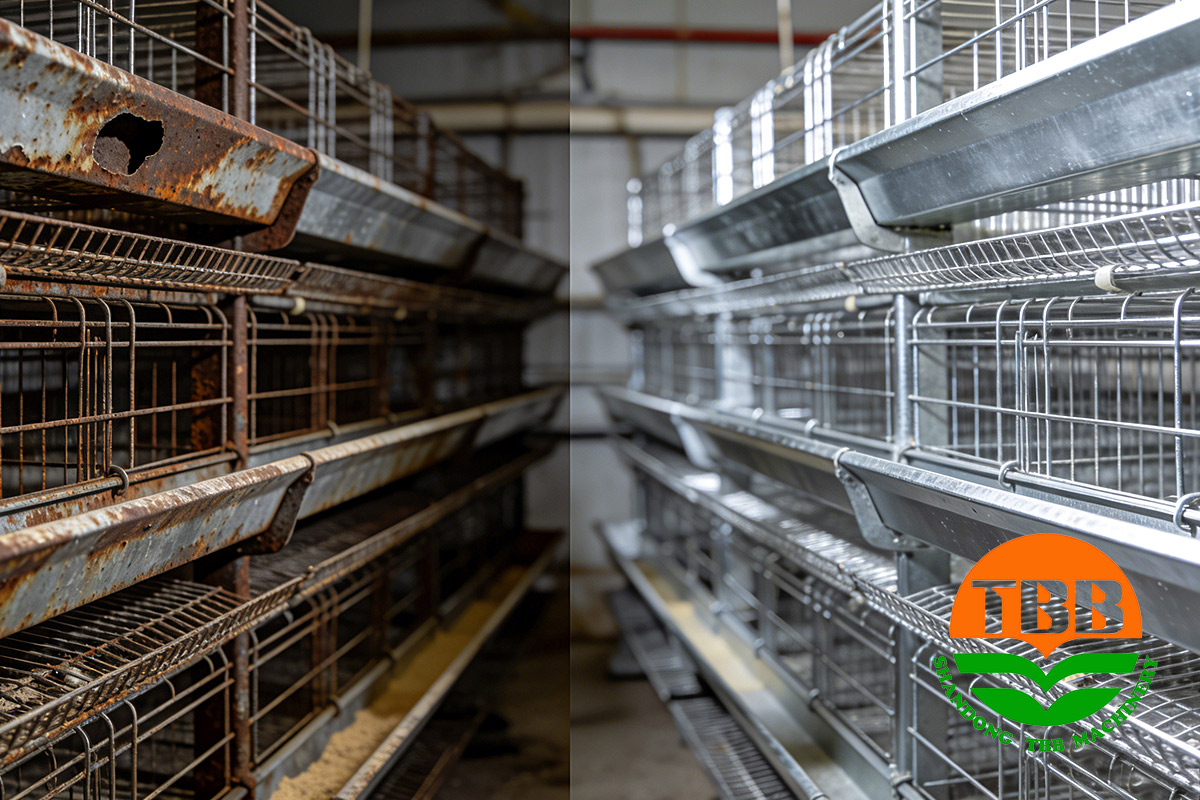
Plastic and rubber components. Nipple drinkers, egg belt joints, and conveyor guides made from standard plastics degrade under constant UV and heat exposure. Suppliers building for tropical markets should use UV-stabilized materials throughout.
Ventilation compatibility. H-type stacked cage systems generate significant heat and ammonia. Your poultry house design and the cage layout need to work together. A supplier who offers poultry house layout drawings alongside their equipment is worth more than one who just ships cages.
The Egg Breakage Rate Question Nobody Asks Early Enough
For a farm running 50,000+ hens, even a 2% egg breakage rate means thousands of lost eggs per day. It adds up to a serious revenue leak, and most of it comes down to the egg collection system design.
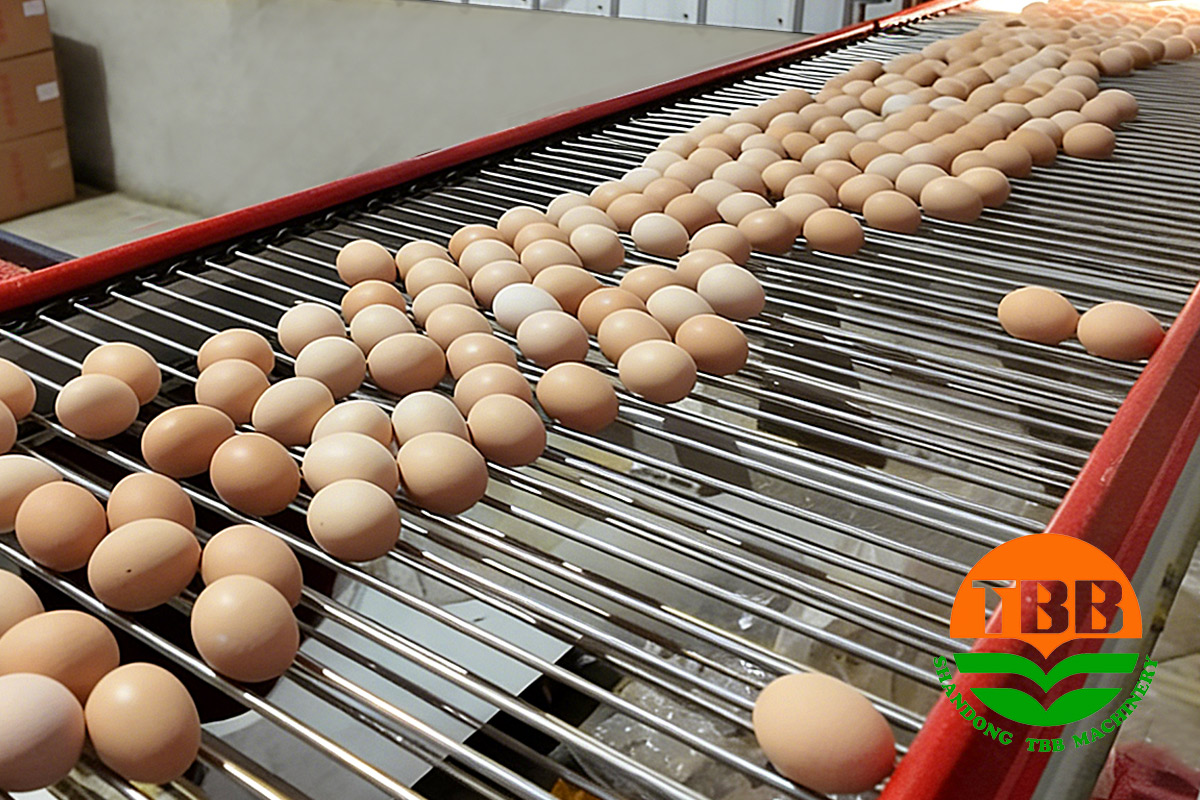
A well-engineered dual-side egg collection conveyor — where eggs roll gently onto the belt from both sides of the cage row and travel at the right angle and speed — can keep breakage below 0.8%. That's the benchmark worth holding suppliers to. Ask for actual farm data, not brochure numbers.
H-Type vs. A-Type: Which One Fits Your Operation
A-type stepped cages are still widely used on smaller Indonesian farms. They're less expensive to buy, easier to maintain without technical staff, and work fine for flocks under 30,000 birds. If you're starting out or working with a modest budget, A-type with semi-automated feeding is a reasonable entry point.
Layer Chicken Cage Type Comparison: A-type Stepped vs H-type Stacked
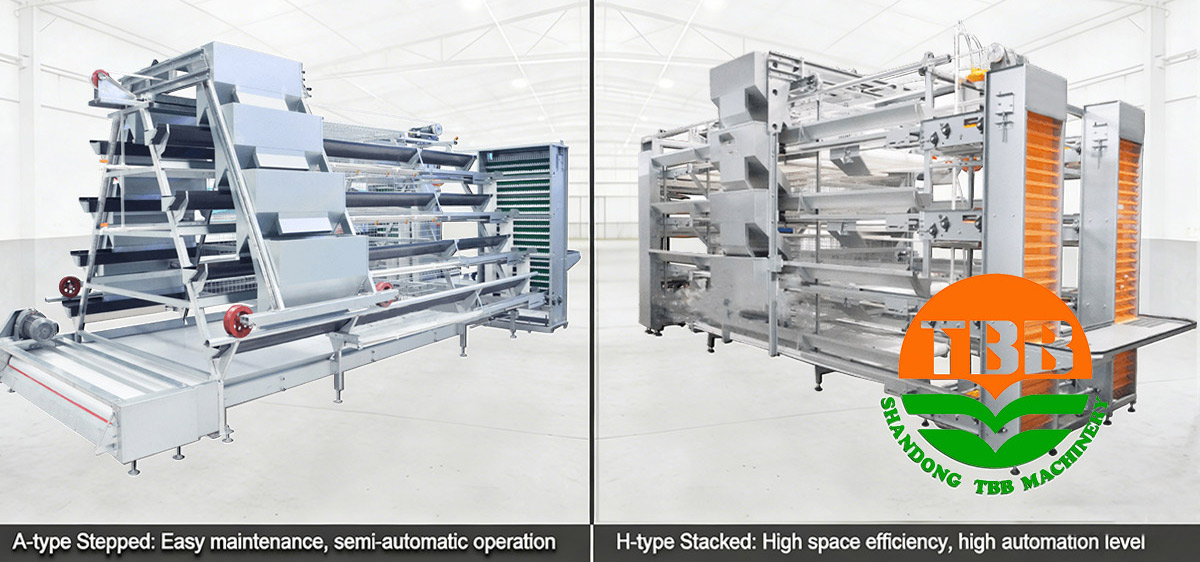
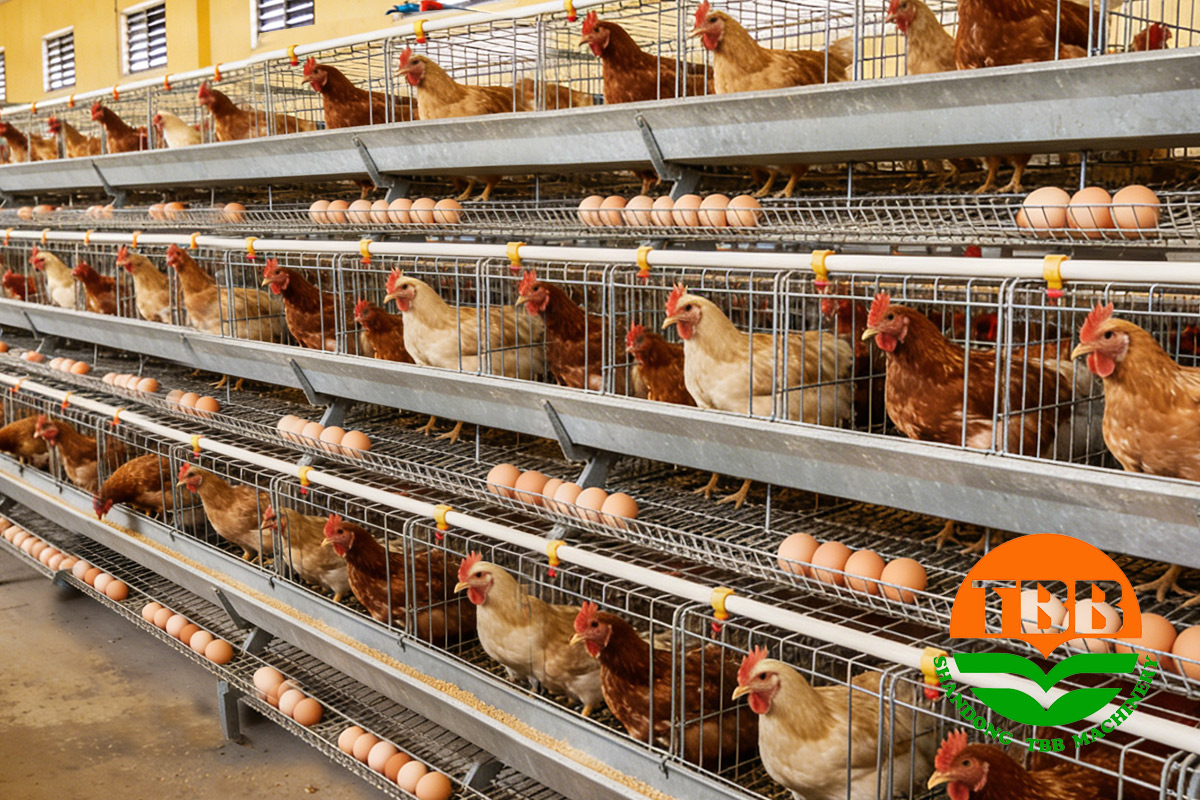
H-type stacked systems are where large-scale commercial egg production is heading. Four to eight tiers of cages, fully automated feeding lines, centralized egg collection conveyor to a packing station, and automatic manure belt removal. The upfront cost is higher, but labor requirements drop significantly and biosecurity improves.
If you're planning for 100,000 birds or more, H-type is the right direction. Just make sure your poultry house dimensions are planned around the system — not the other way around.
What Separates a Real Manufacturer from a Trading Company
A lot of what's listed on Alibaba or Made-in-China as "poultry equipment manufacturers" are trading companies reselling other factories' products. That's not always a problem, but it becomes one when something goes wrong and nobody takes ownership.
A few ways to tell the difference:
Patents. A real manufacturer has them. Ask for patent certificates, not just patent numbers. Companies with 50+ utility and invention patents have clearly invested in engineering, not just sourcing.
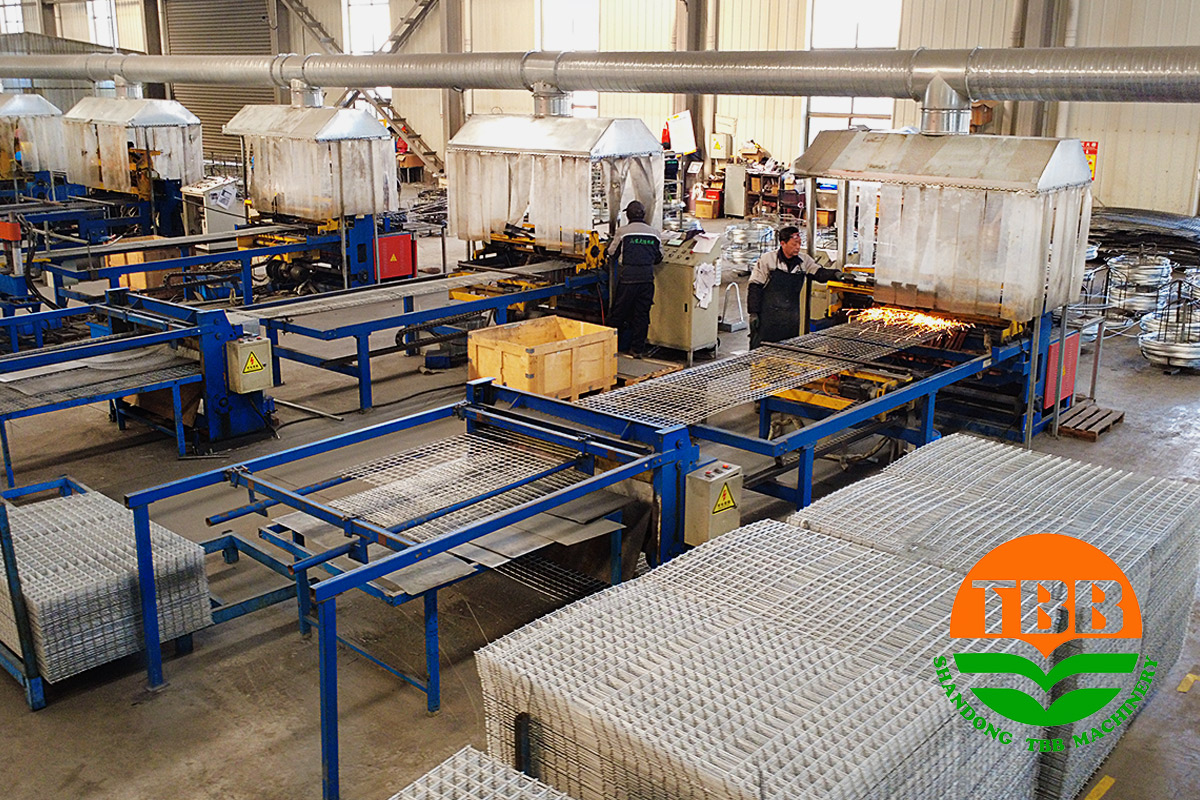
Factory visit or video tour. Request a live walkthrough. A manufacturer will show you the production floor without hesitation.
Demonstration farm. The best suppliers operate or work with a live commercial farm where you can see the equipment running under real conditions — actual egg yields, actual breakage rates, actual flock performance.
Installation track record in your region. A supplier who has installed systems in Indonesia (or at minimum Southeast Asia) understands the logistics, local electrical standards, and climate factors. A first-time exporter to your region is a higher-risk choice.
About Shandong Tobetter Machinery
We're a poultry equipment manufacturer based in Shandong, China — established in 2015, recognized as a National Specialized and Sophisticated enterprise, with 62 patents across cage systems, egg collection technology, and automation equipment.
Our layer cage systems are running on commercial farms in Indonesia, Tajikistan, and across 12 countries. We supply H-type and A-type laying hen systems, broiler equipment for both cage and floor-raise setups.
If you're evaluating options for a new farm or an upgrade, we're happy to put together a layout drawing and quotation based on your actual site and flock size.
Get in touch with our export team →