



News
Poultry Farm Setup Cost in Kenya: A Practical Guide
Source: TBBView: 120Poultry Farm Setup Cost in Kenya: A Practical Guide
So you're thinking about starting a poultry farm in Kenya. Good move. Chicken farming is one of those agribusiness ideas that actually puts money in your pocket fast — if you plan well. But I get it: everyone talks about profits, but nobody gives you a real breakdown of what it costs to start. Let me walk you through it, the way I wish someone had done for me.
Why poultry? Because Kenyans eat a lot of chicken
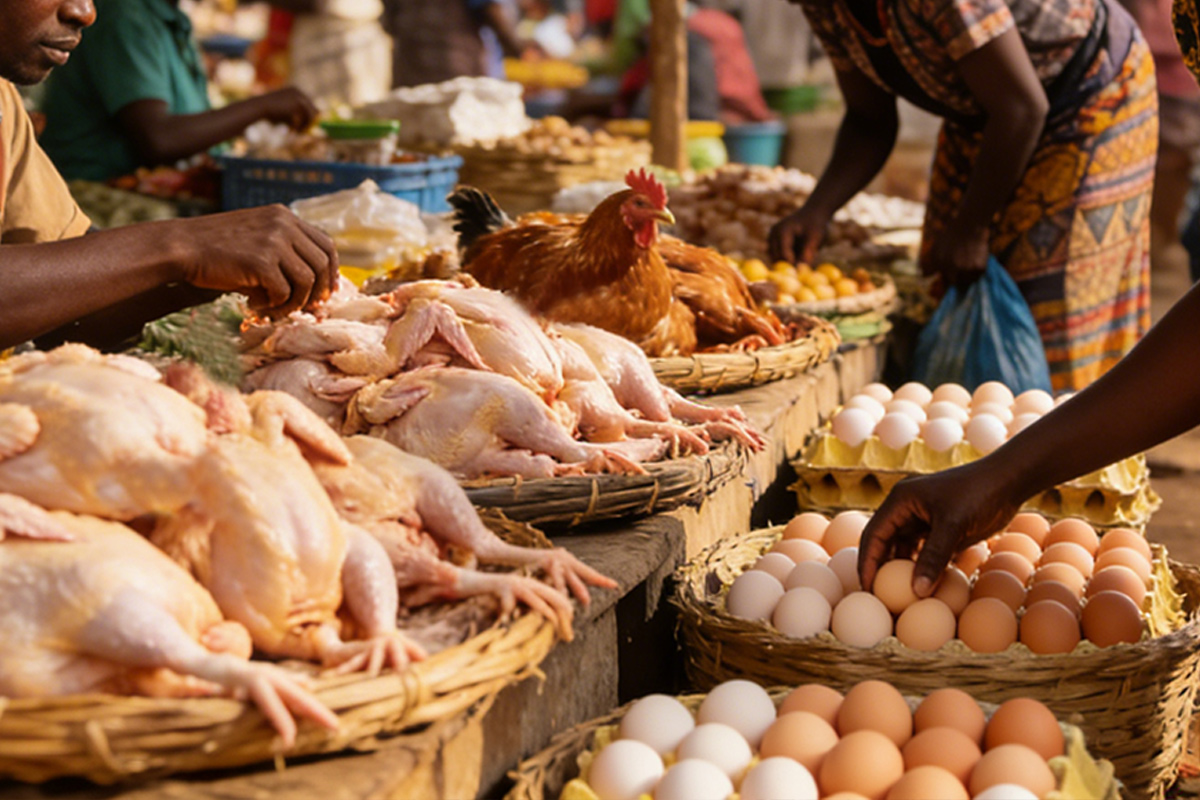
Walk into any supermarket in Nairobi, Mombasa, or Kisumu. You'll see eggs flying off the shelves and customers asking for "kuku fresh." Hotels, schools, even local roadside joints need steady supply. And unlike keeping a cow for two years, broilers are ready in six to eight weeks. Layers? They start laying around four months. That quick turnaround is why small-scale farmers are making it work.
But here's the catch — most people jump in without calculating the real poultry farm setup cost in Kenya. Then they run out of cash halfway. Let me save you that headache.
Land and shelter: where your money first goes
If you already have land at home, you're ahead of the game. For 500 birds, you'll need roughly the size of a small plot — about 50 to 100 square meters. Renting land? In rural areas, expect KES 10,000-30,000 per year. Near towns, triple that.
Now, the house. Your options:
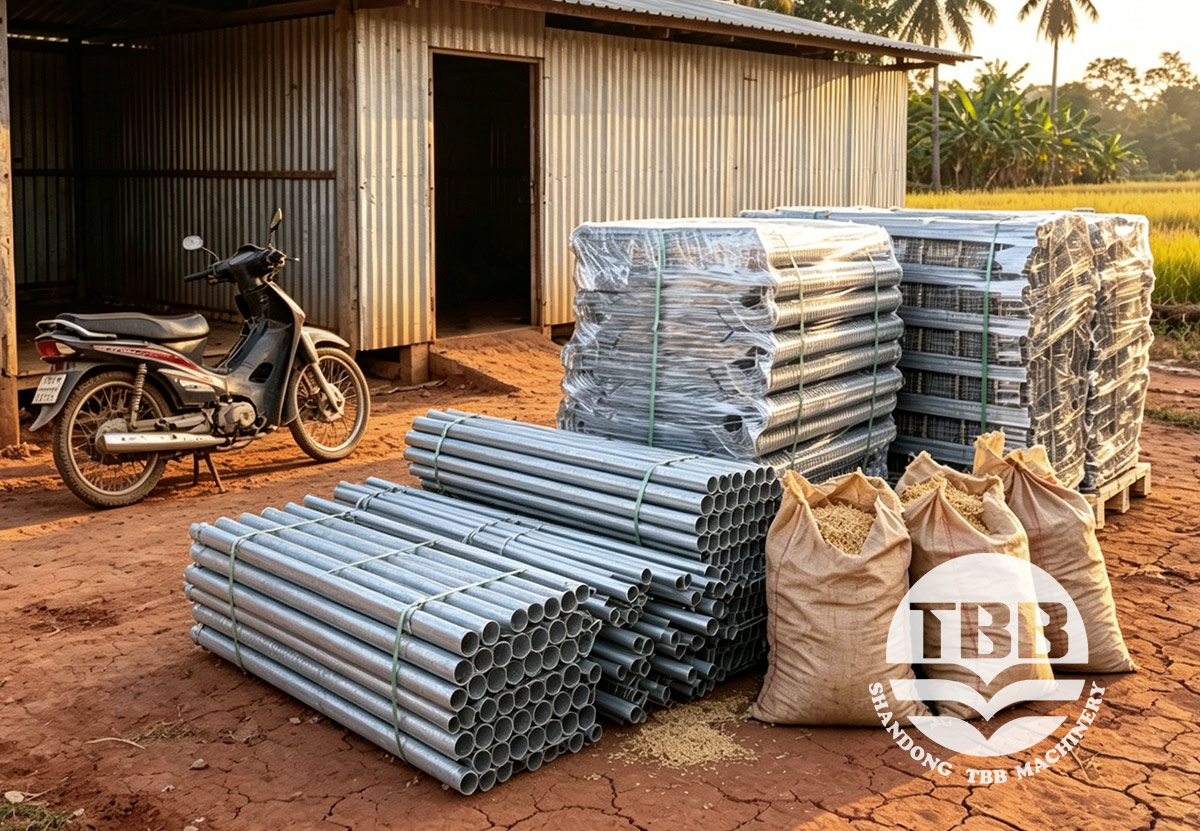
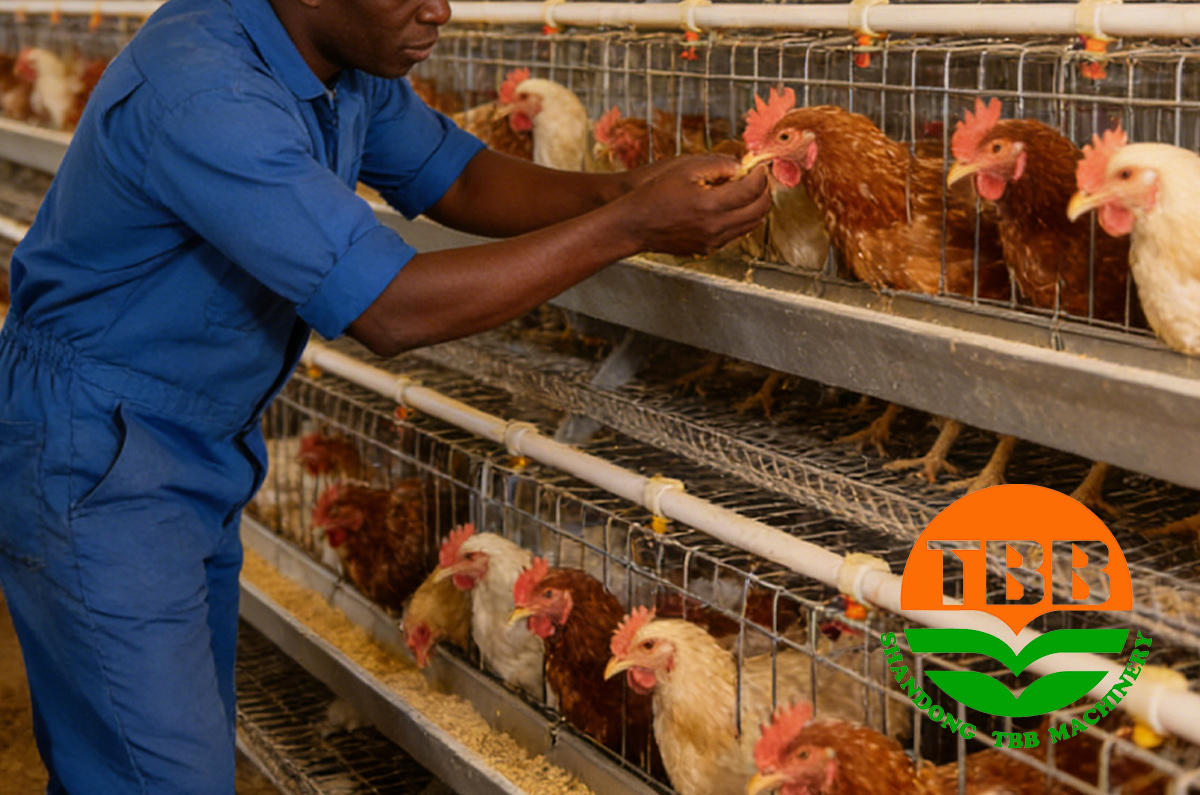
Deep litter (timber frame + wire mesh) — good for starters. Around KES 80,000-150,000 for 500 birds.
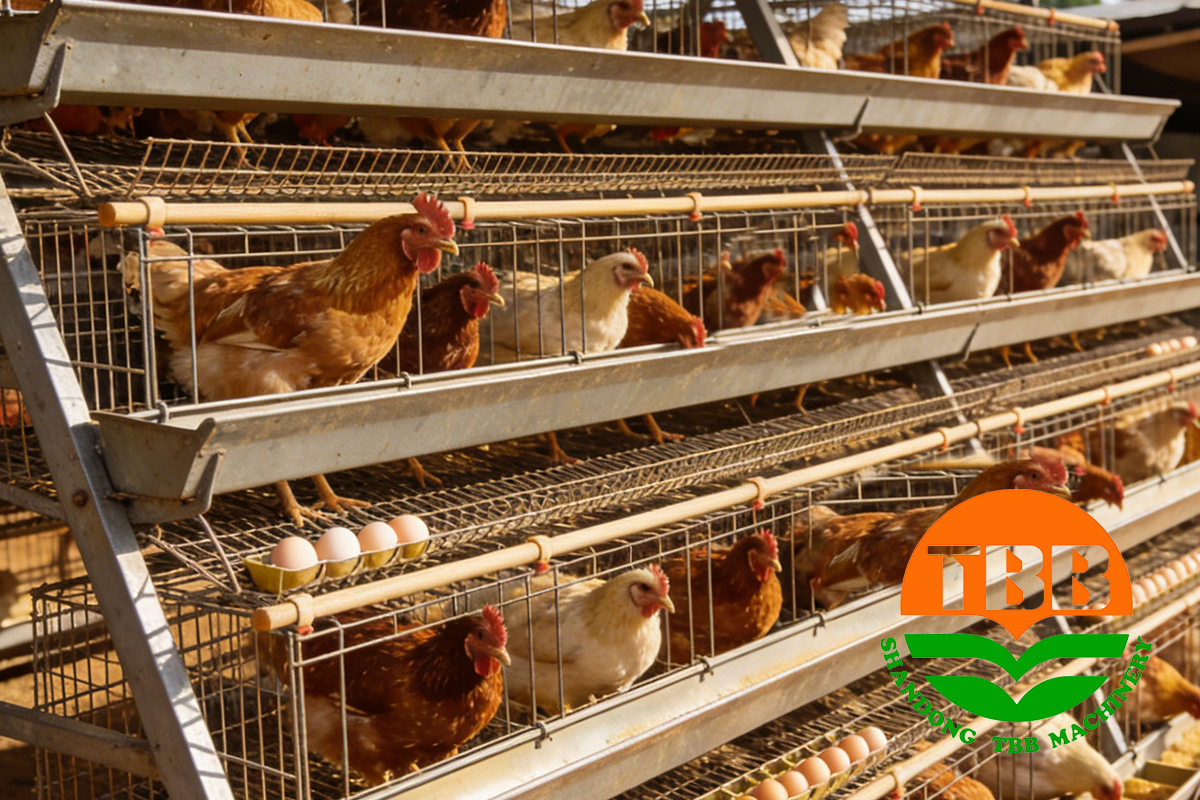
Battery cages — expensive but you pack more birds. KES 200,000-400,000.
Free-range shelter — simplest and cheapest. KES 30,000-60,000. Birds roam, but you lose some to predators.
A farmer in Kiambu once told me: "Don't overspend on the house before you've bought the first bag of feed." Wise words. Search for low-cost chicken coop construction Kenya or affordable poultry house plans for small farmers — you'll find local carpenters who do a decent job with recycled timber.
Gear you actually need (not the fancy stuff)
Feeders, drinkers, egg trays, brooder equipment, maybe a small incubator if you want to hatch your own. For 500 birds, here's the real list:
Tube feeders (10 pieces): KES 2,000-4,000
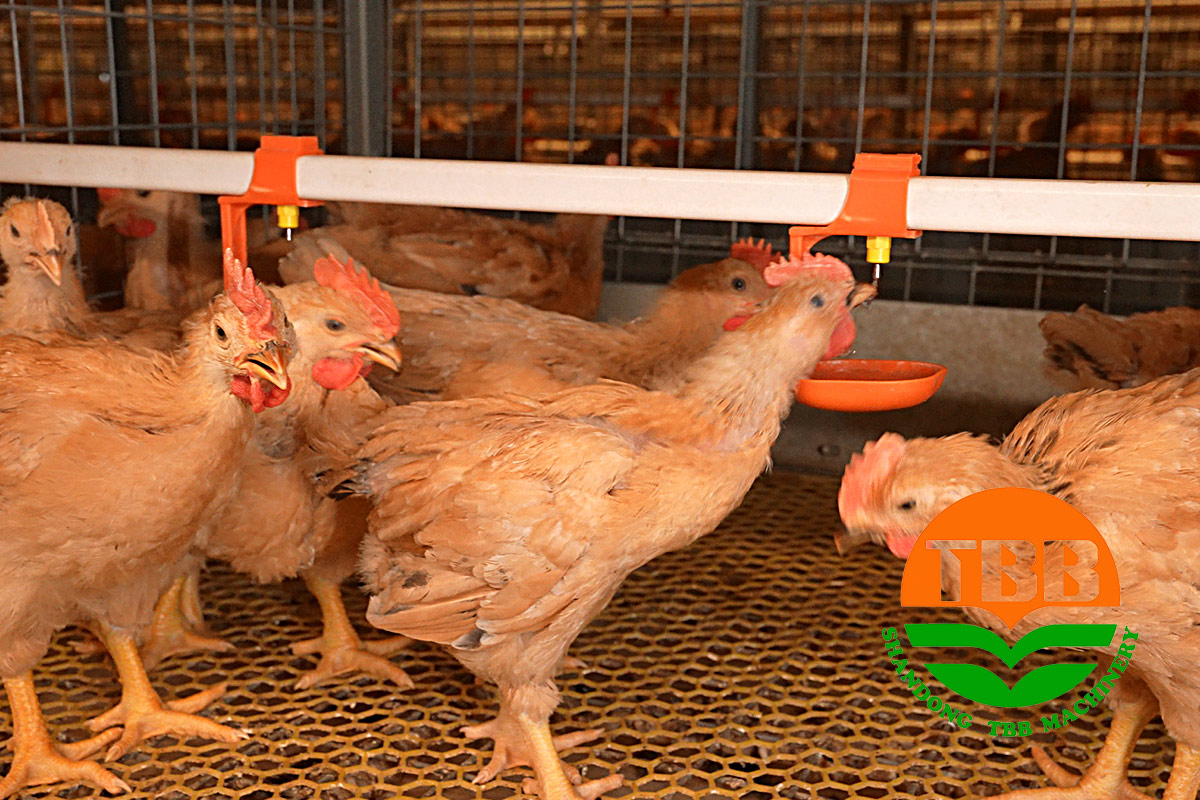
Drinkers (20 pieces): KES 3,000-6,000
Brooder (heat source for chicks): KES 10,000-25,000
Incubator (optional but useful): KES 15,000-80,000
You can find best poultry drinkers in Kenya at any agrovet in Naivasha or Eldoret. And don't buy everything new — some farmers sell used equipment when they upgrade.
Chicks and feed: the daily grind
Day-old broiler chicks go for KES 80-120 each. Layers are a bit pricier: KES 100-150. For 500 birds, that's KES 40,000-75,000 just to get started.
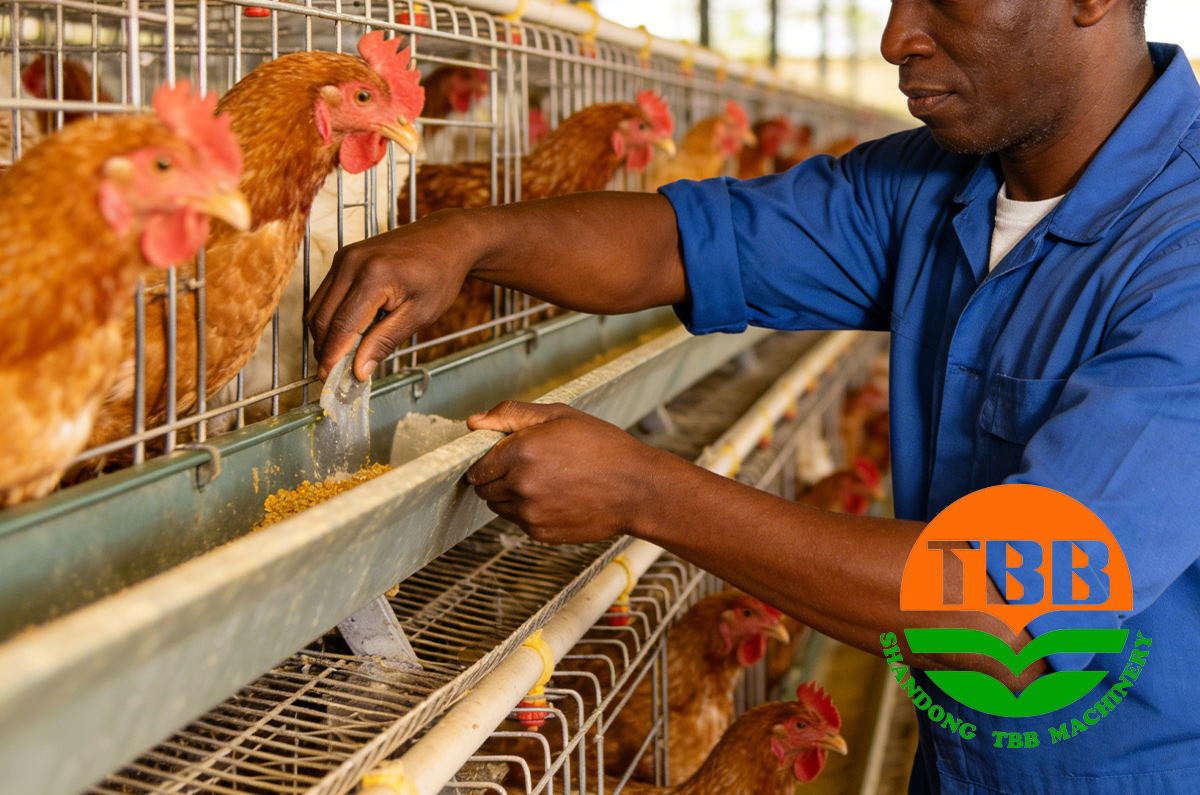
Then comes the real cost: feed. It eats up 60-70% of your running budget. A 70kg bag of starter mash is around KES 3,500-5,000 right now (prices jump every few months, I warn you). Each broiler will eat about 4-5 kg before slaughter. Layers eat roughly 110-120 grams per day.
Smart farmers ask about poultry feed formulation costs and look for cheap chicken feed alternatives like black soldier fly larvae. Some mix their own using maize germ, omena, and sunflower cake. It takes time, but it saves shillings.
Labour, vet visits, and the small stuff
One trained farmhand will cost you KES 10,000-20,000 monthly. You can start with family help, but for 500 birds, you'll need extra hands on vaccination days.
Speaking of vaccines: Newcastle and Gumboro are musts. Budget KES 30-50 per bird per cycle. Plus disinfectants, footbaths, maybe a spray pump — another KES 2,000-5,000 monthly.
And don't forget water, electricity, and transport to the market. Those little things add up.
So what's the real total for 500 birds?
Deep litter system: KES 180,000-300,000 start-up
Battery cages: KES 350,000-600,000
Free-range with basic shelter: KES 100,000-180,000
Monthly running costs (feed, labour, vet): KES 60,000-120,000.
When do you break even? Broilers can pay you back in three months if markets are good. Layers take longer — eight months to a year — but then you have steady egg income.
How to lower your poultry farm setup cost in Kenya (real talk)
Start smaller. 100 or 200 birds first. Learn the ropes. Too many beginners build a palace for 1,000 birds and run out of feed money.
Use local timber. Don't buy imported wire mesh from big hardware shops — go to a local fundi.
Join a farmers' cooperative. Bulk buying of chicks and feed cuts costs by 10-15%.
Throw kitchen scraps and vegetable waste to your chickens. It's not enough to replace feed, but it helps.
Check grants from Equity Bank's Young Africa Works or AGRA. Some youth and women groups get equipment funding.
Can you actually make money?
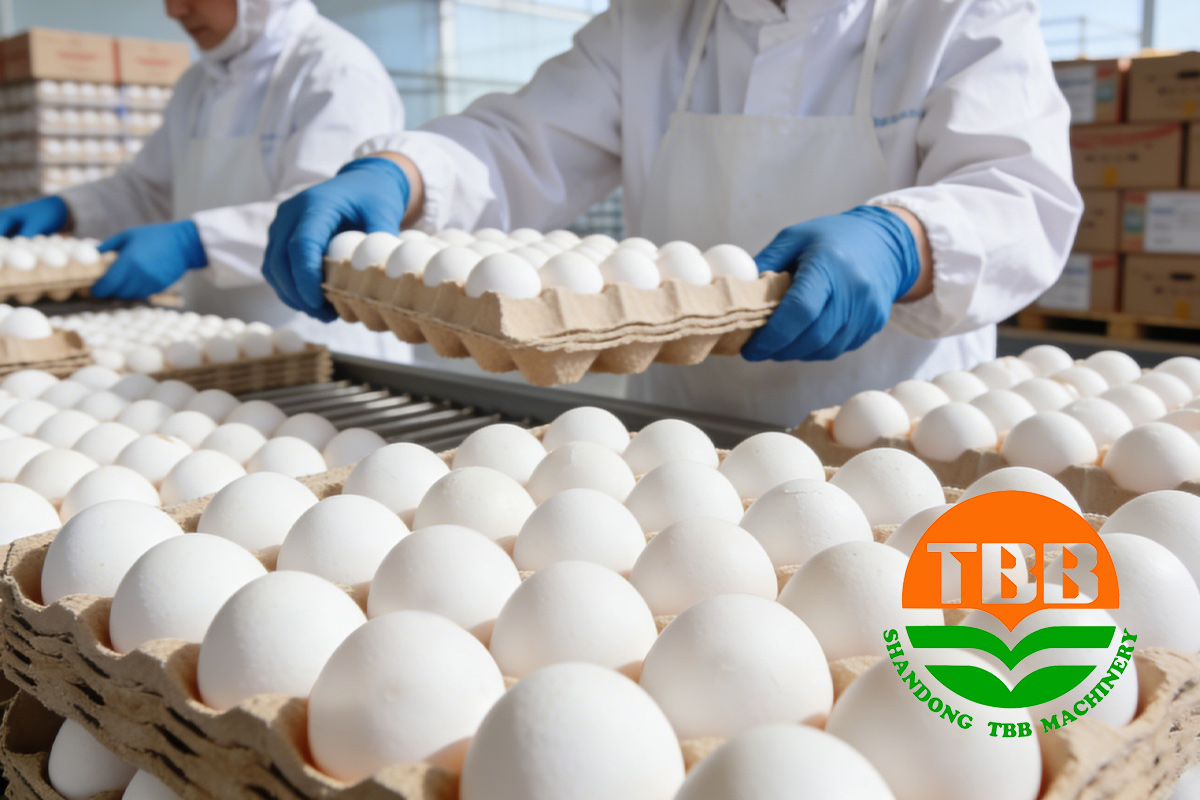
Yes. A 2.5 kg live broiler sells for KES 800-1,200 at the local market. After feed and other costs, your profit per bird can hit KES 200-350. Eggs from layers (around 240-280 per hen per year) give you cash every week.
I know a farmer in Machakos running 500 layers. He told me last month: "Egg money paid my daughter's school fees, no stress." That's the dream.
Farmers equipped with quality automated layer cages — like those from Tobetter Machinery — consistently report lower egg breakage rates (under 0.8%) and stronger long-term yields.
One last thing — don't let cost scare you
Yes, setting up takes money. But you don't need a million shillings to start. You need a plan, some hard work, and the right advice. Every successful poultry farmer I know started small, made mistakes, and learned.
And right now, getting quality inputs at a fair price is harder than ever. That's why I'm offering a hand.
Need a custom budget or the best prices this year?
I help farmers like you set up without wasting cash on overpriced equipment or bad chicks. Reach out today for a free, no-fluff consultation on your poultry farm setup cost in Kenya. Mention this guide, and I'll lock in the most competitive rates for 2025 — from day-old chicks to feeders to housing plans. Don't wait; costs keep climbing, but your profit window is wide open. Inquire now, and let's get your poultry business off the ground!