



News
How to Reduce Egg Breakage Rate in Automated Layer Cages
Source: TBBView: 69How to Reduce Egg Breakage Rate in Automated Layer Cages
Egg breakage is a quiet profit killer in commercial layer farming. On a 50,000-hen farm running at 90% lay rate, a 1% difference in breakage equals 450 eggs a day — that adds up fast. The good news is that most breakage in battery cage systems and enriched colony cage setups is preventable, and it usually comes down to a handful of fixable causes.
Where Breakage Actually Happens
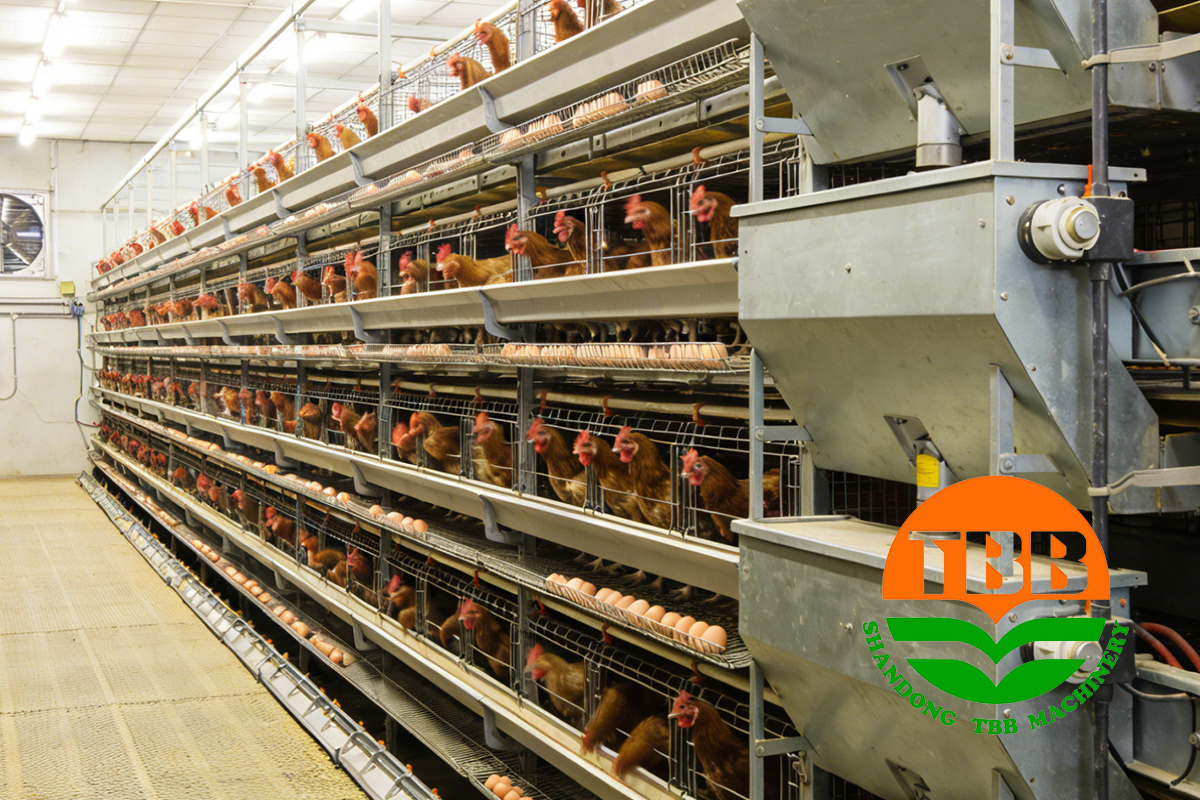
Most cracked eggs in automated layer cage systems occur at one of three points:
During collection — when eggs roll off the sloped cage floor onto the egg collection conveyor belt. A floor angle that is too steep, a rough belt surface, or misaligned transfer points all cause impact damage at this stage. This is the single most common source of mechanical egg breakage in high-density layer cage housing.
At cross-floor transfers — in multi-tier layer cage systems (A-type or H-type configurations), eggs moving between levels hit every junction. Gravity chutes without cushioning are the biggest offenders. Poorly synchronized belt-to-belt transitions create micro-collisions that crack eggs without leaving obvious signs.
Shell quality issues — no conveyor system can compensate for thin, fragile shells caused by calcium deficiency, heat stress, or older flocks in late lay. Mechanical and nutritional problems often compound each other, making the root cause harder to diagnose.
Equipment: What Actually Makes a Difference
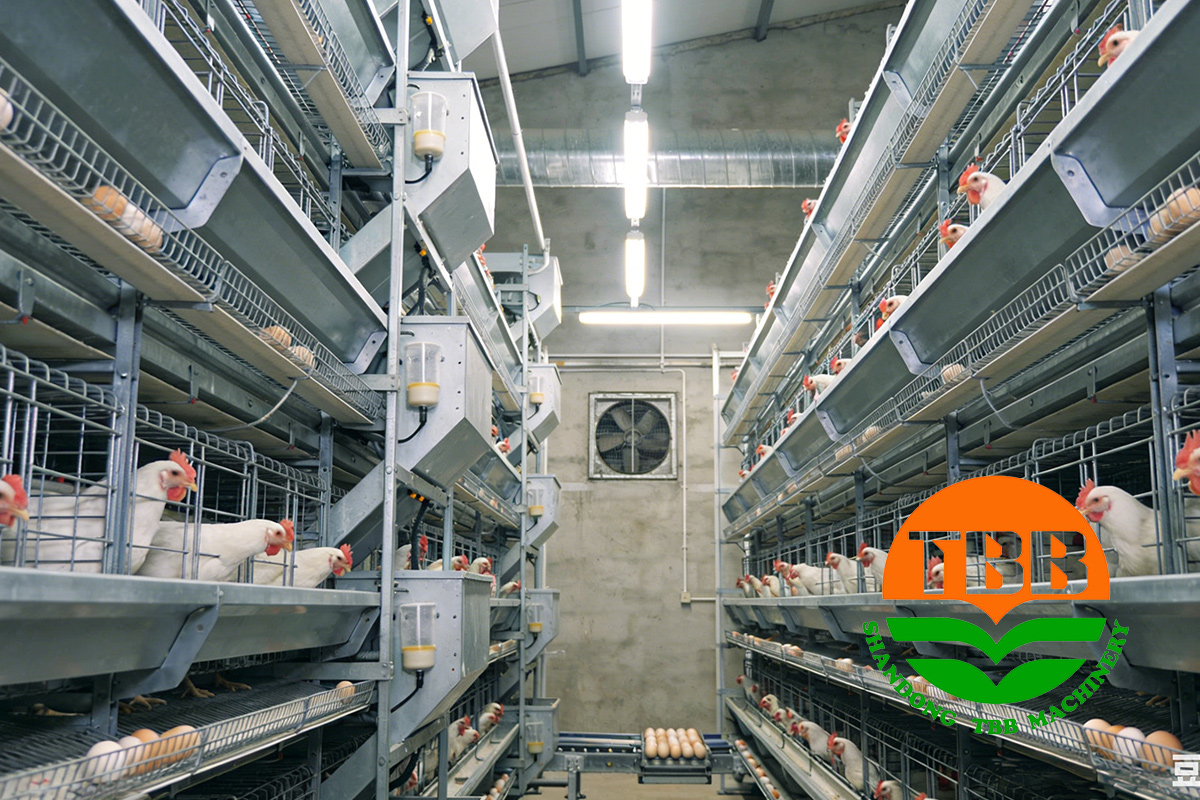
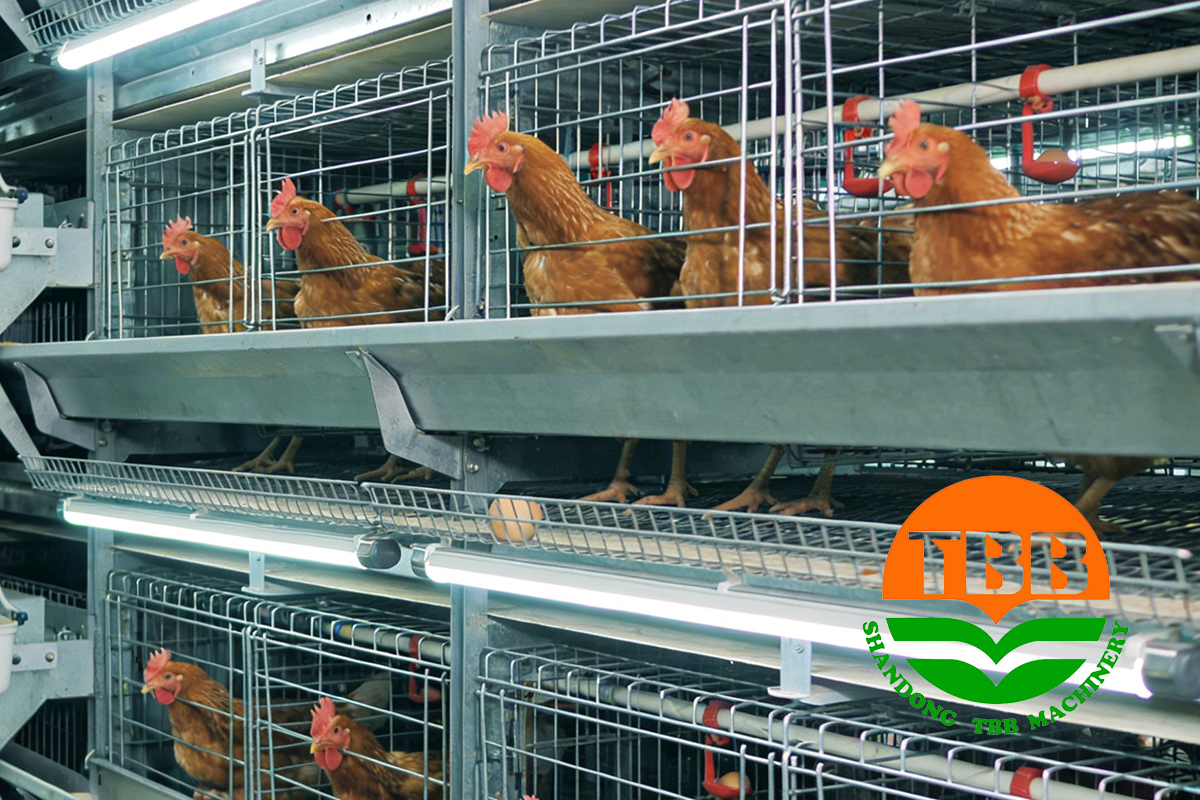
Cage floor angle. A 6–8° slope is the sweet spot in any well-engineered laying hen cage — steep enough for reliable egg roll-out, gentle enough that eggs do not arrive at the belt with too much momentum. Shallower angles cause incomplete collection; steeper angles drive up breakage. This dimension is often overlooked in low-cost cage specifications.
Dual-side egg collection. Single-side collection forces eggs to roll the full cage width before reaching the belt. A bilateral egg collection system cuts that rolling distance in half. On farms equipped with Tobetter's dual-side egg collection design, breakage rates consistently come in below 0.8% — one of the most impactful single changes you can make to an automated egg handling system. This design is a core feature across our A-type and H-type layer cage lines.
Belt speed and surface. Soft PP (polypropylene) egg conveyor belts running below 0.1 m/s, with rubber-padded guides at every transfer point, dramatically reduce impact forces. Hard surfaces and high belt speeds are a bad combination for any automated egg collection line.
Material quality. Hot-dip galvanized steel cage wire holds its surface geometry for 15–20 years under commercial farm conditions. Equipment that corrodes develops rough, uneven surfaces over time, and that directly causes more shell abrasion and breakage. Galvanization quality is a long-term investment in egg quality.
Management Side
Nutrition. Laying hens need 4.0–4.5 g of available calcium per day for adequate eggshell formation, ideally sourced from large-particle limestone (2–4 mm) so absorption timing aligns with overnight shell mineralization. Vitamin D3 deficiency is a common hidden cause of weak shells and is worth checking first before assuming an equipment problem.
Flock age. Eggshell quality in commercial layer flocks drops noticeably past 60–65 weeks of lay. Factor this into your flock replacement schedule before egg breakage rates start climbing. Many farms with high breakage are simply running birds too long past peak production.
Heat stress. Above 28°C (82°F), feed intake drops, calcium absorption falls, and shell calcification is rushed — a well-documented issue in tropical and subtropical layer farming. Proper tunnel ventilation, evaporative cooling pads, and shifting feeding times to cooler parts of the day make a measurable difference in summer eggshell strength.
Collection frequency. Even with automated conveyors, collecting 3–4 times daily reduces the time eggs spend at risk of being stepped on by cage mates or rolling into each other at the collection trough. This is especially important in high-stocking-density layer cage environments.
A Quick ROI Check
On a 100,000-hen farm at $0.08/egg:

That is a $31,500/year difference between a 2% breakage rate and 0.8% — before accounting for any downstream egg grading or export quality impacts. For farms operating at larger scale or selling to premium markets, the numbers compound quickly.
Final Thought
The farms that consistently hold breakage below 1% in large-scale poultry operations are not doing anything exotic. They have the right equipment geometry — especially bilateral egg collection and proper cage floor slopes — they watch their flock nutrition closely, and they do not let heat stress slide during peak summer months. Get those three things right, and the numbers take care of themselves.
If you are evaluating layer cage equipment or troubleshooting high breakage rates on an existing farm, Tobetter's technical team offers free system assessments. reach out and let us look at the specifics of your operation.