



News
Uganda Poultry Expansion 2026: Financing the Leap from 1,000 to 20,000 Birds
Source: TBBView: 59Uganda Poultry Expansion 2026: Financing the Leap from 1,000 to 20,000 Birds
Uganda's poultry sector is growing about 4.4% a year, and the country still eats far less egg and meat protein per person than nutrition guidelines recommend. That gap is the real opportunity — but only for the farmers willing to scale past the backyard flock.
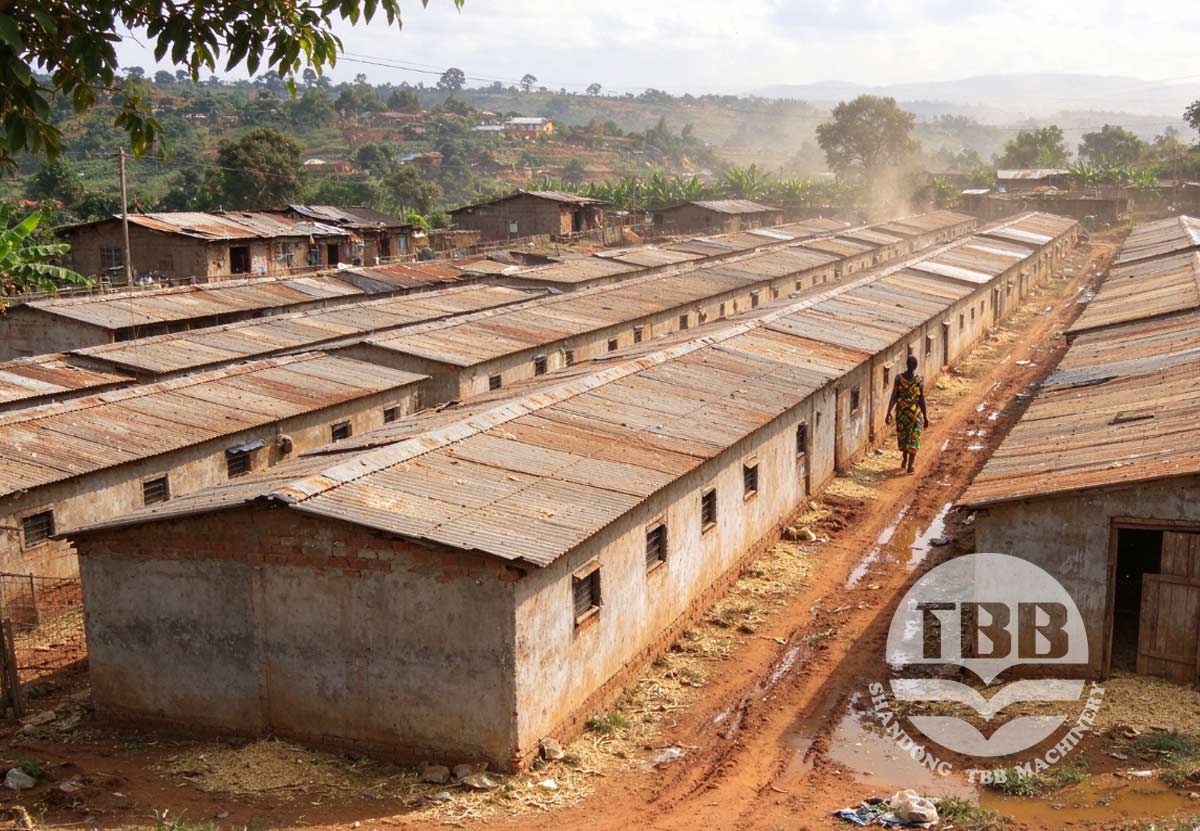
The operators actually building businesses here aren't stopping at a few hundred birds. They're pushing from 1,000 toward 10,000, even 20,000. And the constraint that decides who makes it isn't bird health or feed price alone. It's how they finance the leap.
▶ The smallholder on-ramp still works — up to a point
The Parish Development Model's SACCO network has moved serious capital into rural hands. As of June 2026, Ugandan farmers had put Shs425.27 billion into poultry through PDM SACCOs — the third-largest investment category after piggery and coffee. Each of the country's 10,589 parishes received Shs50 million as a first tranche in the FY2025/26 release, and beneficiaries can borrow up to Shs1 million at 6% interest over three years with a two-year grace period.
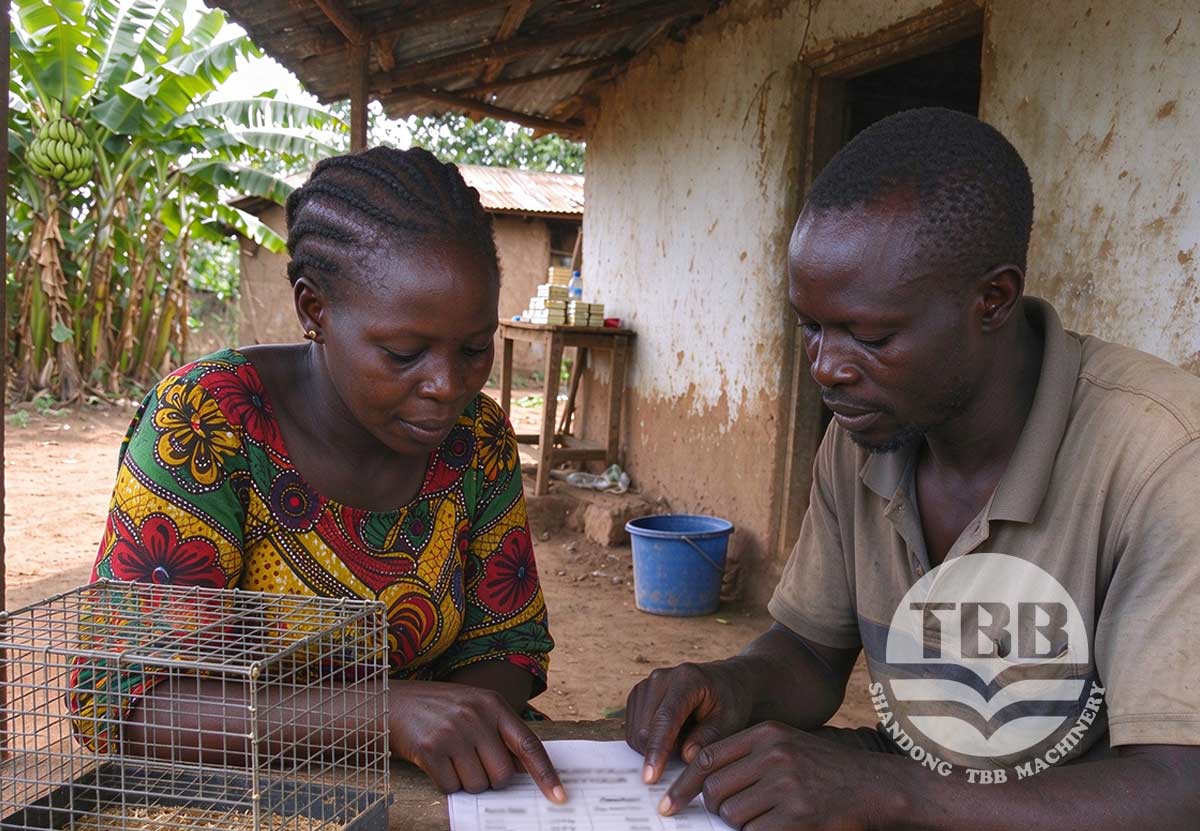
That Shs1 million is enough to build a modest starter house and buy a few hundred chicks. It gets a new farmer through the first cycle. What it does not do is finance a commercial operation. A 1,000-bird layer setup already runs well beyond that ceiling once you add cages, feeding, and housing — and the farmers who stay small are exactly who the model was built to serve, not the ones running 20,000-bird houses.
▶ Where commercial scale gets its money
This is the part nobody posts about. The farmers expanding to 10,000–20,000 birds aren't using PDM micro-loans. They're working with commercial bank asset finance and supplier payment plans.
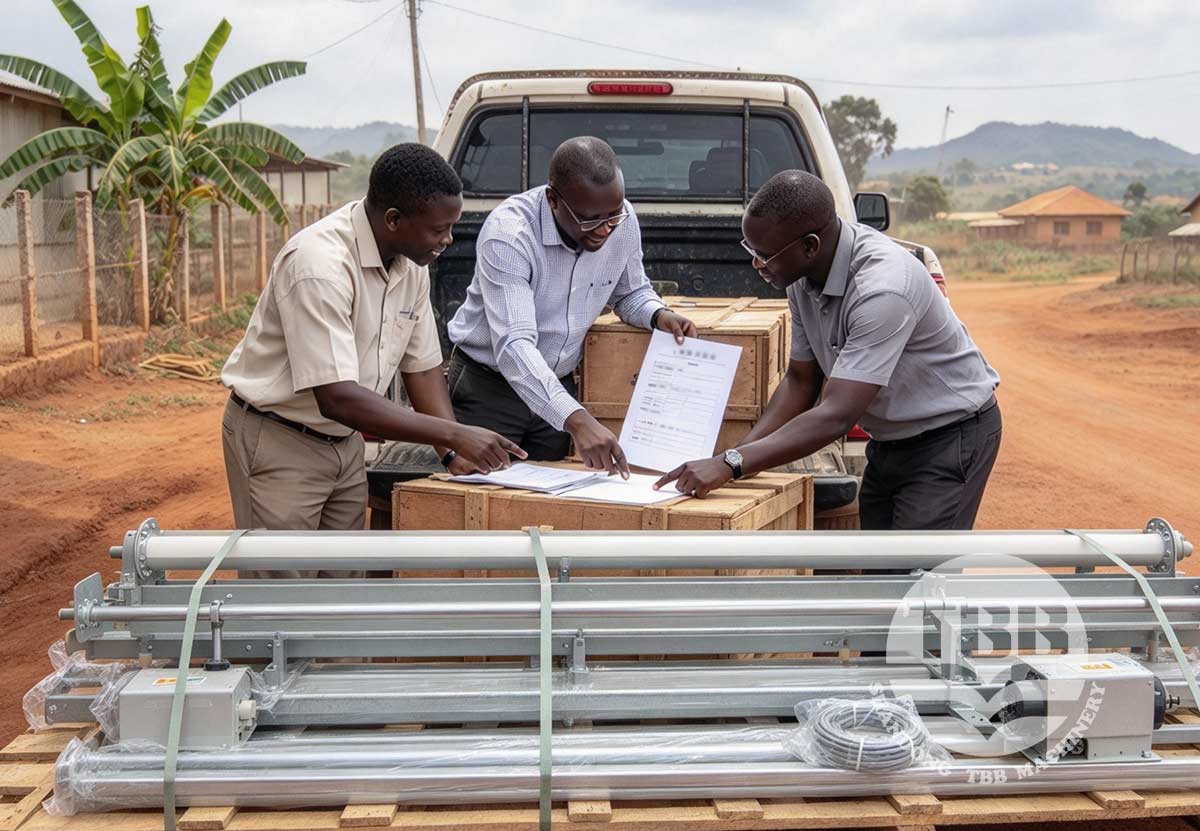
Pearl Bank, which counts agriculture at roughly 35% of its loan book, runs a value-chain financing model that covers poultry alongside coffee, dairy, and grains. dfcu Bank's Food and Agriculture Unit backs equipment and infrastructure through asset financing — Dem Poultry Farm, a dfcu-backed operation, now runs more than 10,000 birds on that model. SACCO groups have also pooled purchasing power to buy cages and feeding lines in bulk, spreading cost across members.
The point isn't which institution. It's that at commercial scale, the financing conversation shifts from "can I borrow enough to start" to "which structure lets me add 5,000 birds without freezing cash flow."
▶ What the equipment has to do at each step
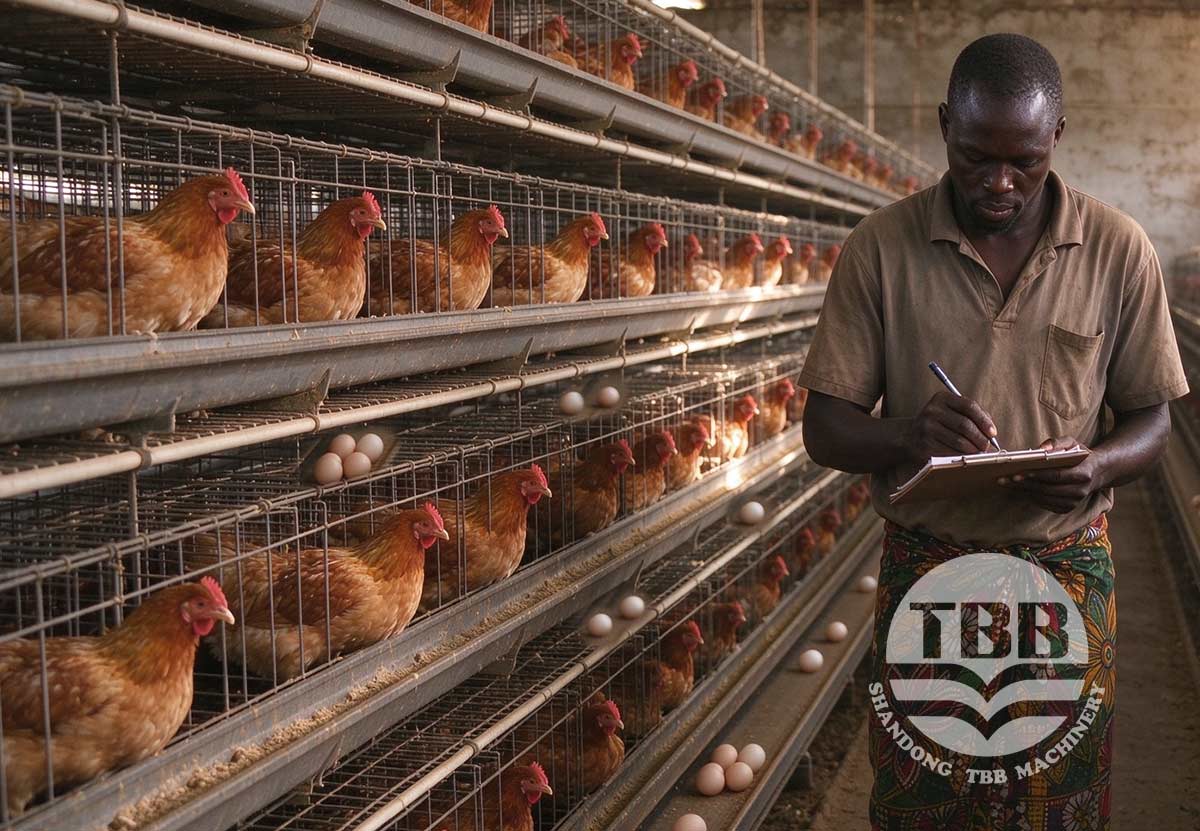
Scale changes what the house demands. At 1,000 birds, manual feeding and basic brooders can still work. Cross 5,000 and the math breaks: labor, spillage, and uneven feed distribution eat a margin that's already thin.
For broiler operations heading to 20,000 birds, the non-negotiables are brooding heat that holds steady, ventilation that doesn't fail in a power dip, and water lines that never run dry. Improved dual-purpose breeds gaining ground in Uganda — Kuroiler among them — need more structured housing than free-range stock.
For layers, the decision is the cage bank. A 1,000-bird layer system runs roughly UGX 8–15 million on the current market (2026 estimates); a 10,000–20,000-bird commercial setup multiplies that several times over, before housing, feeding lines, and climate control. The revenue side scales too — predictable laying, clean eggs, lower feed waste per bird.
Market estimates put a complete 10,000-bird commercial layer house — cages and feeding included — in the UGX 80–150 million range as of 2026. That's asset-finance territory, not micro-loan territory.
▶ Why the equipment choice drives the financing
Banks lend against what holds value and produces. A cage system with automated feeding and climate control converts feed to eggs or meat more efficiently and loses fewer birds to heat and crowding. That efficiency is what makes the loan repayable — and what lets a farmer add the next 5,000 birds on schedule.
Farmers who treat the first purchase as the foundation of a 20,000-bird operation — not just a bigger version of the starter house — are the ones the financing follows.
▶ The window is open
Uganda's poultry demand keeps climbing, and commercial-scale supply hasn't caught up. The farmers moving from 1,000 to 20,000 birds this year are building the supply the market is short of.
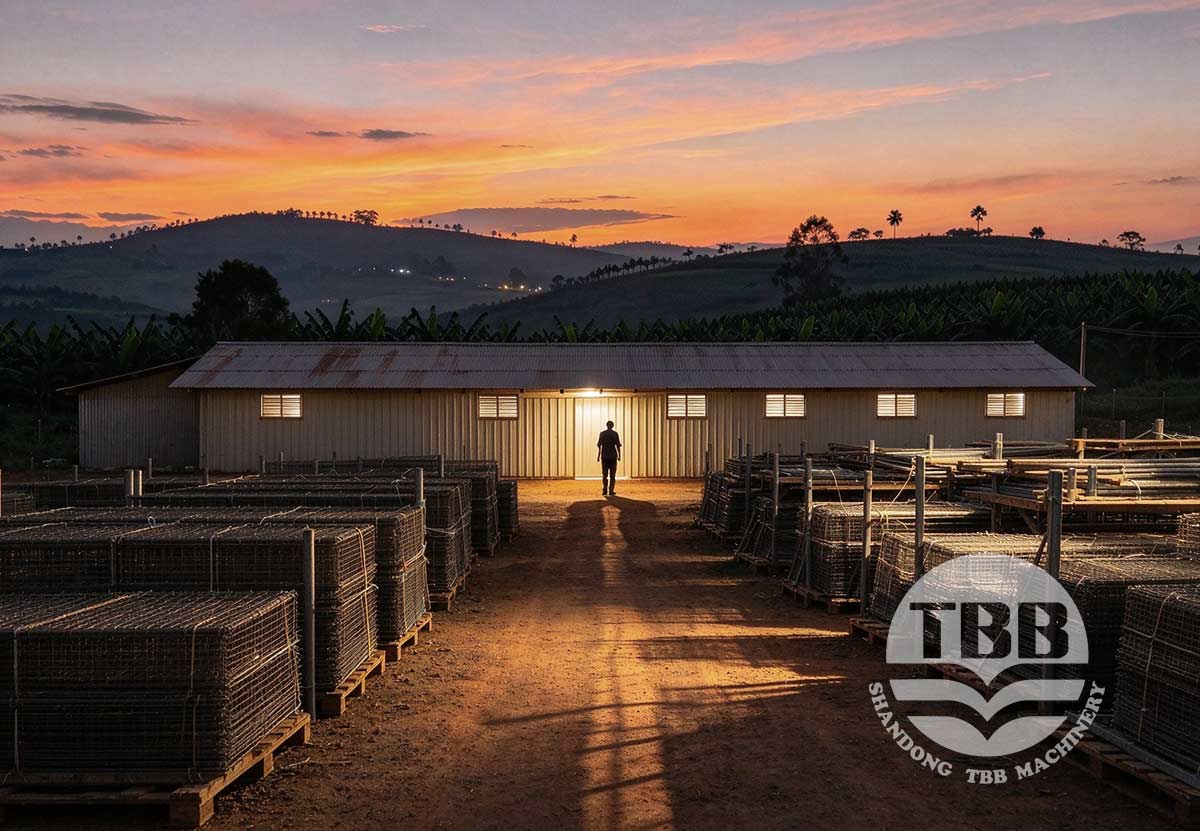
If you're planning a commercial poultry expansion in 2026, size the equipment for where you're going, not where you're starting — then match the financing to that. Reach out and we'll size a layer cage or broiler house system for 10,000–20,000 birds and quote this year's best price when you message us.
Message us for this year's best price.