



News
Morocco Layer Farm Upgrade 2026: What Cage Conversion Really Costs — and How to Specify It Right
Source: TBBView: 157Morocco Layer Farm Upgrade 2026: What Cage Conversion Really Costs — and How to Specify It Right
Demand is rising, heat is breaking records, and feed isn't getting cheaper. The farms that convert in 2026 will own the next decade of supply.
Morocco's layer sector isn't a startup. FISA reported 7.06 billion table eggs produced in 2025. Per-person egg consumption reached 191 eggs, up from 138 in 2010. There are 264 layer farms supplying that demand, and poultry is now 55% of the meat eaten in the country.
So the question for 2026 isn't whether Morocco needs more eggs — it's whether the houses producing them are built for the conditions they face. Many aren't, and that's why conversion keeps coming up in farm offices this year.
▶ Why layers are converting now
Three things have shifted since these houses were built.
1. Drought has run seven years. Red-meat prices are up, and households are moving toward chicken and eggs. Demand isn't the problem; supply capacity is.
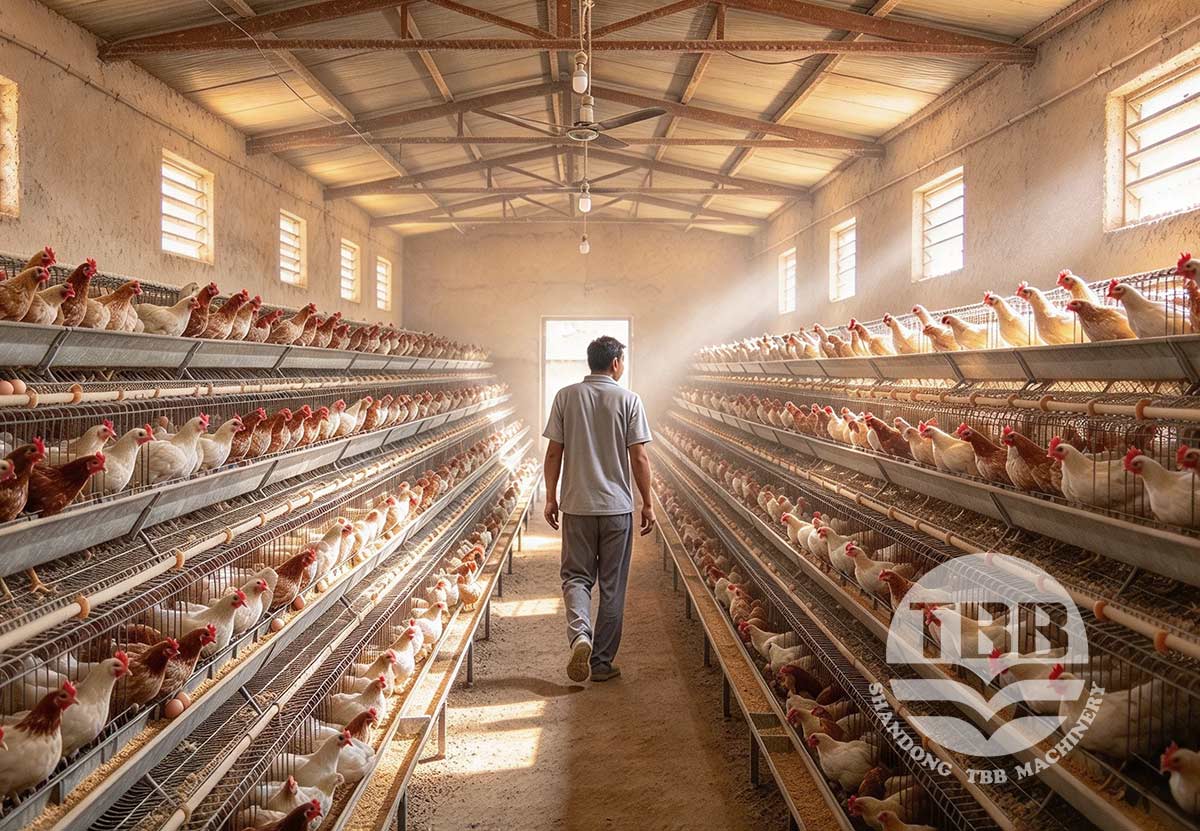
2. Heatwaves now regularly break 40°C. Ventilation is no longer a comfort setting — it's life support. Old houses and first-generation cages weren't designed for that.
3. Feed is 60–70% of production cost, most of it imported corn and soy. Every point of feed conversion lost to spillage or uneven distribution hits the margin directly.
Older floor houses and first-generation cages were right for their time and wrong for 2026.
▶ What "conversion" actually means
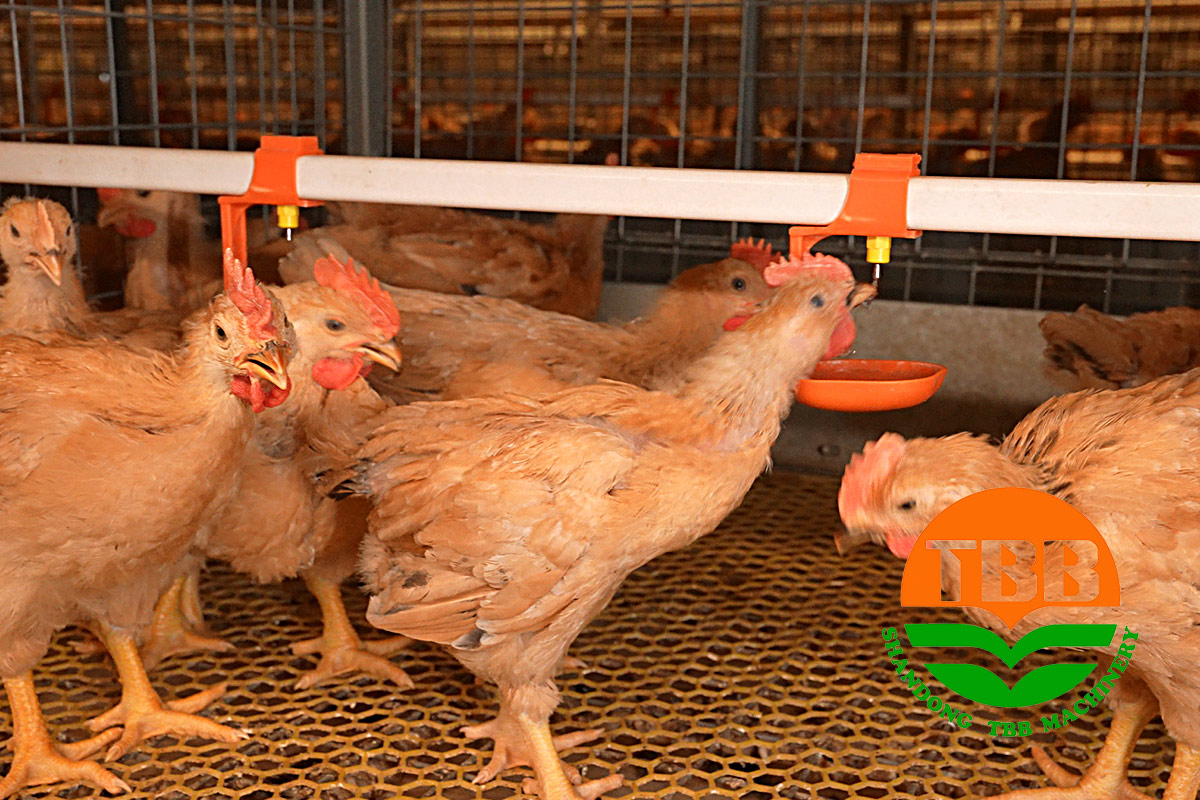
This isn't patching worn cages with new wire. A real conversion replaces the housing with a battery cage system built for the climate: H-type, multi-tier, with automated feeding, egg collection, manure-belt removal, and ventilation all running on one controlled circuit.
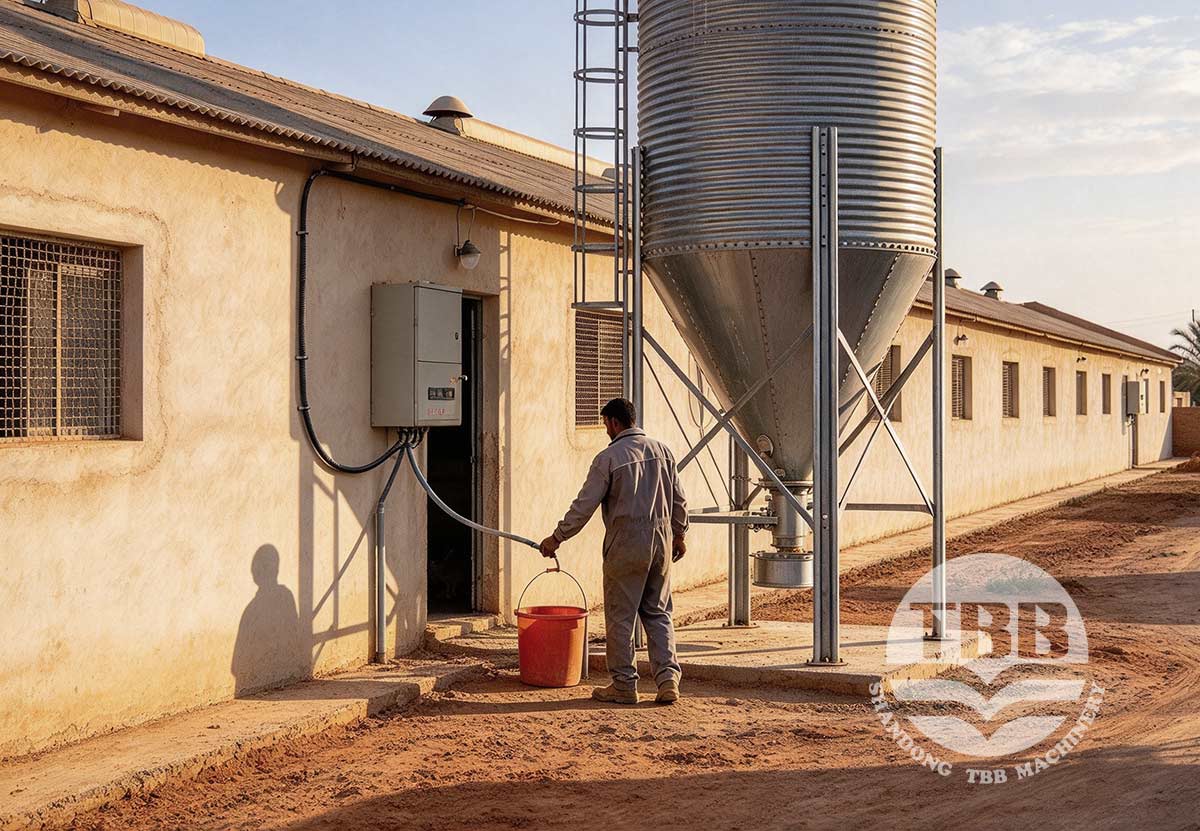
For some farms it's floor-to-cage. For others it's ripping out a legacy cage bank and dropping in a system that holds uniformity across 10,000 or 20,000 birds. Either way the goal is the same: more eggs per square metre, cleaner eggs, and less labour per bird.
▶ What cage conversion really costs in 2026
Here's the part everyone asks about and few answer straight. Published supplier quotes for layer cage systems sold into Moroccan farms run roughly USD 65–200 per cage set, with commercial orders starting around 200 sets. That's the cage hardware alone.
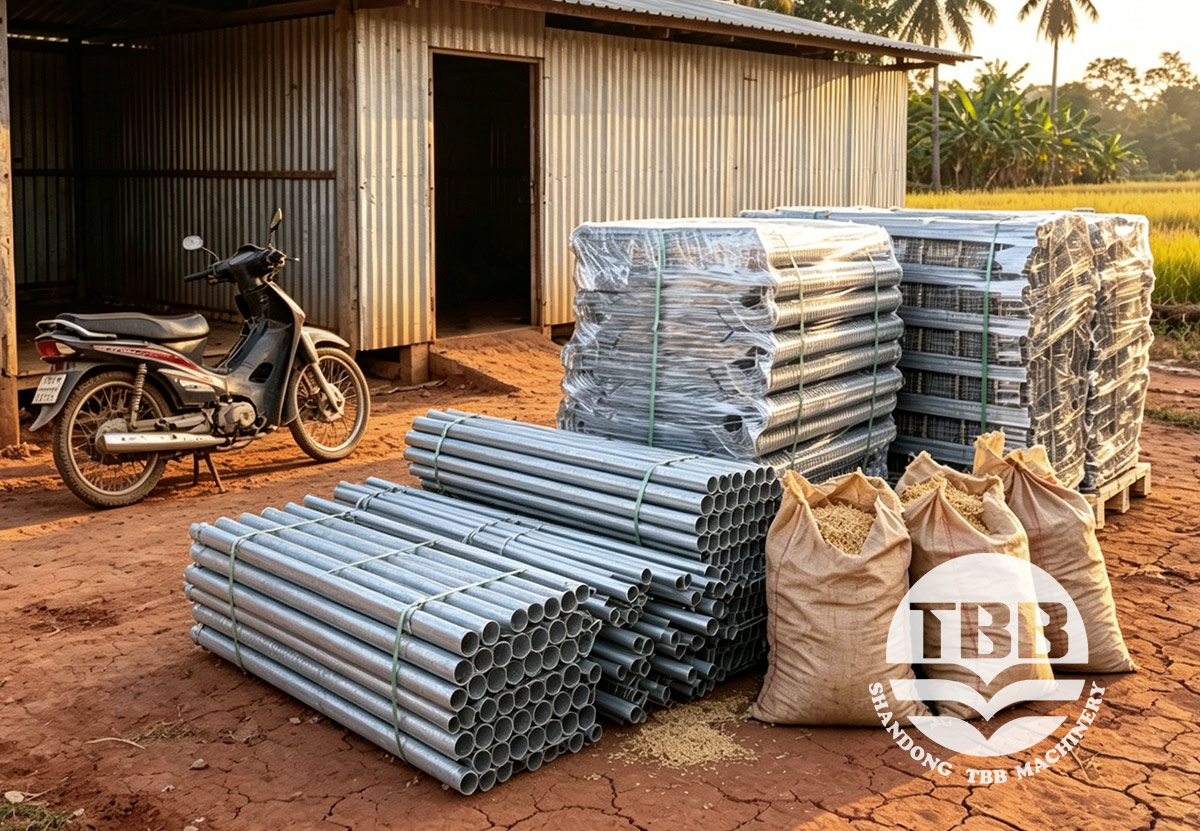
For a 10,000-bird house, the full package — H-type cages, automatic feeding and drinking lines, belt manure removal, and climate-controlled ventilation — lands in the low six-figure USD range on 2026 estimates. Double the birds and the package doubles; structure and site work are separate. Industry cases put a 5,000–7,000-hen conversion with ventilation near USD 30,000, and those houses are still producing in 2025 after a 2020 install.
None of those figures are fixed. Bird count, tier height, automation level, and how much legacy structure you keep all move the number. Budget the system as one integrated package, not a pile of parts — and ask what's excluded. Civil works, power upgrade, feed storage, and freight are often quoted separately.
▶ Where the money comes back
A conversion only makes sense if the new house pays for itself in production, not just in purchase price. The returns show up in four places.
1. Feed conversion. Automated lines cut spillage and even out distribution, so more of that 60–70% feed cost becomes eggs instead of floor waste. On a thin margin, that's the difference between a good month and a bad one.
2. Labour. One person runs what used to take two or three. In a country where skilled farm labour isn't getting cheaper, that compounds every cycle.
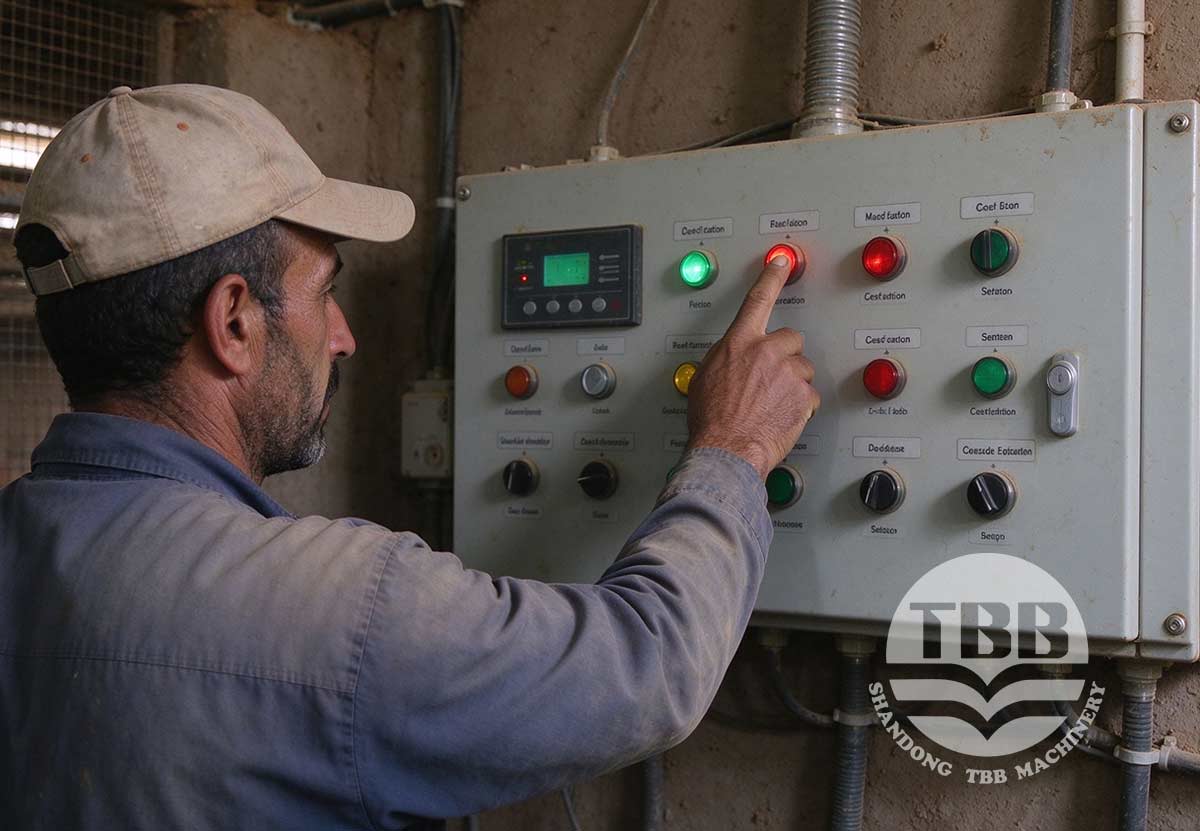
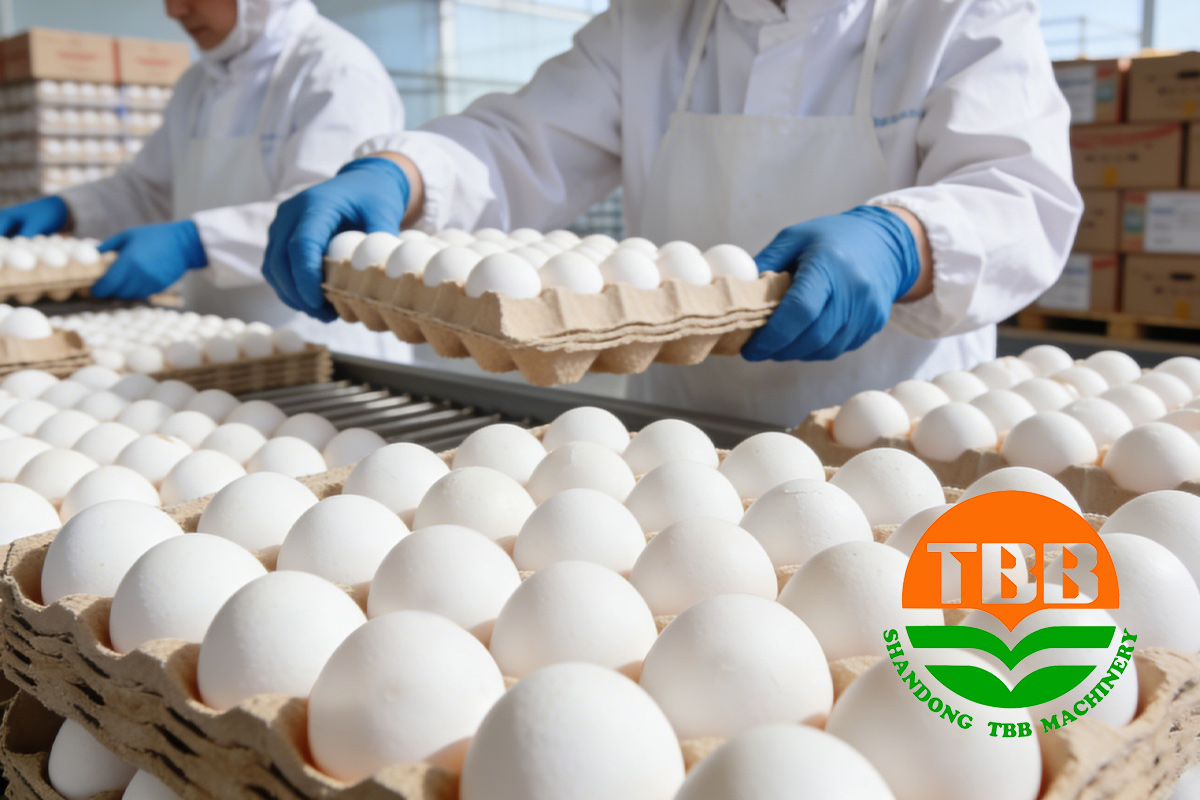
3. Egg quality. Belt collection and clean housing cut breakage and grade rejects. At 191 eggs per person, near a record, grade matters at the packing centre.
4. Density. More birds per metre without more land — exactly what a maturing market with limited expansion room needs.
▶ Don't convert on price alone
The cheapest cage quote hides the real cost: wire that rusts in coastal humidity, mesh that traps or injures birds, clogged nipple lines. Morocco's heat and salt air are unforgiving. Hot-dip galvanized frames, proper cage mesh, and reliable nipple drinkers aren't upgrades you add later — they're the baseline.
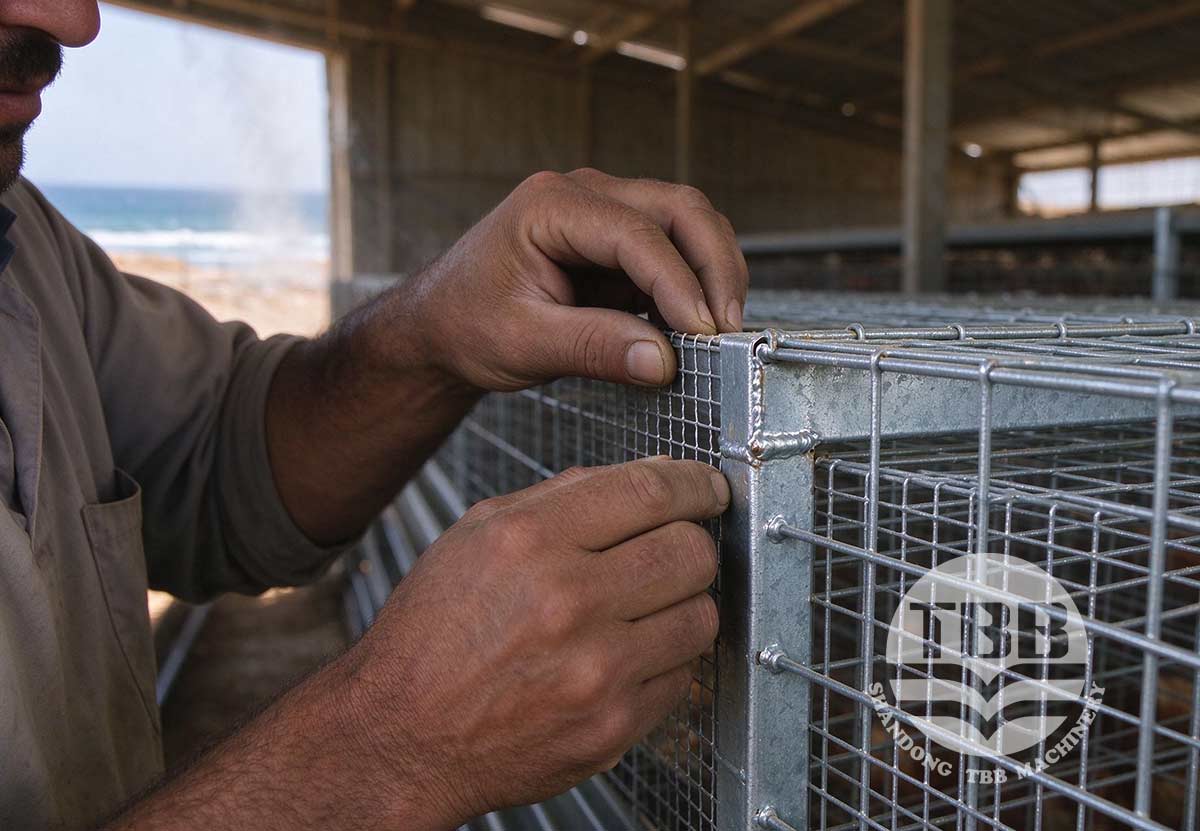
Size the system to your bird count and your climate, not to the lowest bid. A cage bank that fails in its third summer costs more than the one that held from the start.
▶ What to specify before you sign
Ask every supplier these questions:
What is the zinc coating thickness on the frame?
What is the mesh wire diameter and opening?
Which nipple drinker brand and flow rate?
What is the manure belt material and thickness?
How is ventilation designed for 40°C+ and power failure?
What spare parts are stocked in Morocco or North Africa?
What warranty covers rust, mesh failure, and drinker lines?
▶ The window is open
Demand is climbing and the sector has room to scale — 264 layer farms supplying a country eating 191 eggs each. The farms converting in 2026 are the ones that will own the next decade of supply.
If you're planning a layer farm upgrade this year, size the cage system for 10,000 to 20,000 birds and build it as one integrated package. Send us your house dimensions, bird count, and climate conditions — we'll spec a battery cage system for your house and quote this year's best price.
Message us for this year's best price.