



News
Second-Cycle Layer Flock Management & Molt Program Guide
Source: TBBView: 99Second-Cycle Layer Flock Management & Molt Program Guide
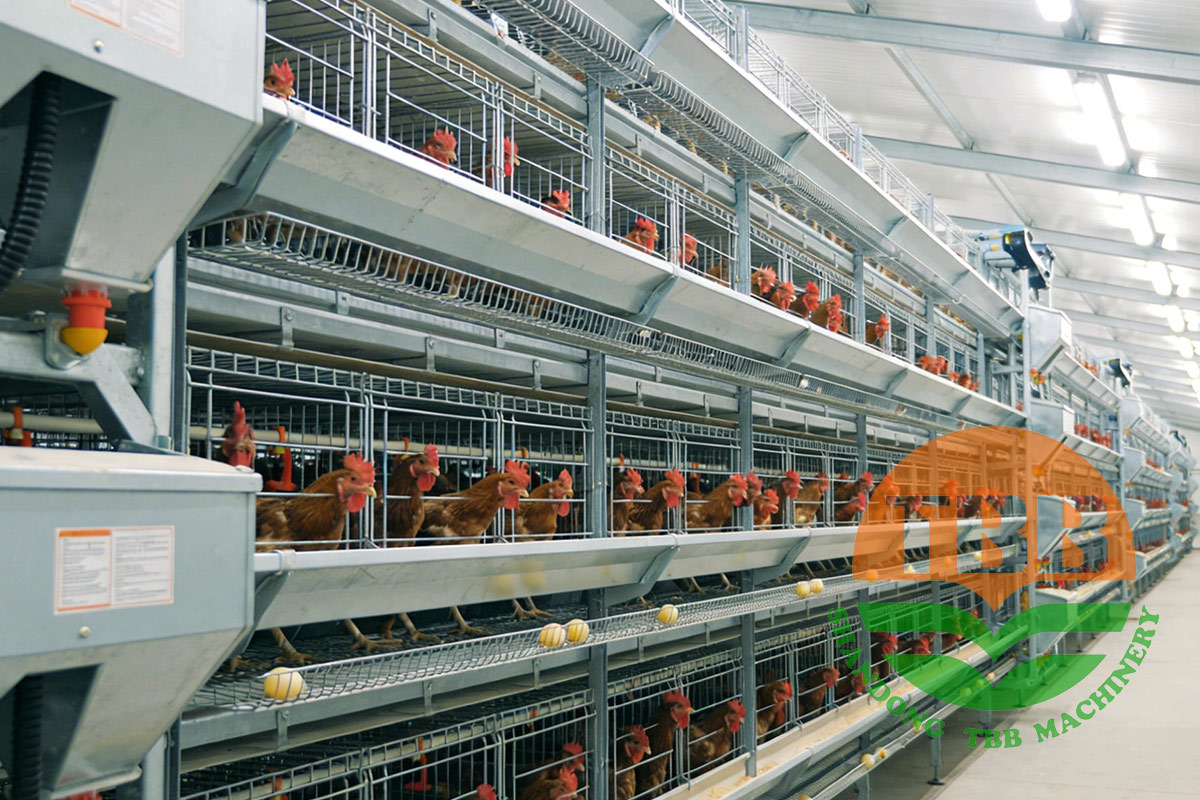
Properly managed, a second-cycle flock typically delivers larger egg size, stronger shells, better feed conversion, and a meaningfully lower cost per dozen -- because capital expenditure on replacement pullets is deferred or eliminated entirely, especially when paired with high-quality fully automated layer cage systems that optimize flock health and productivity.
Quick Numbers
- Replacement pullet cost can account for up to 30-35% of total annual layer production cost, a burden that can be further alleviated by using efficient commercial layer cage equipment to reduce overall operational waste.
- A well-executed molt program can reduce that cost by 60-70% for the second cycle, especially when supported by precision feed dispensing layer cages that ensure uniform nutrient delivery during the molt process.
- Second-cycle flocks typically achieve 70-75% peak production vs. 90-95% in first cycle -- but with significantly better margins given lower capital input, particularly when utilizing long-service-life layer cage systems that minimize equipment replacement costs.
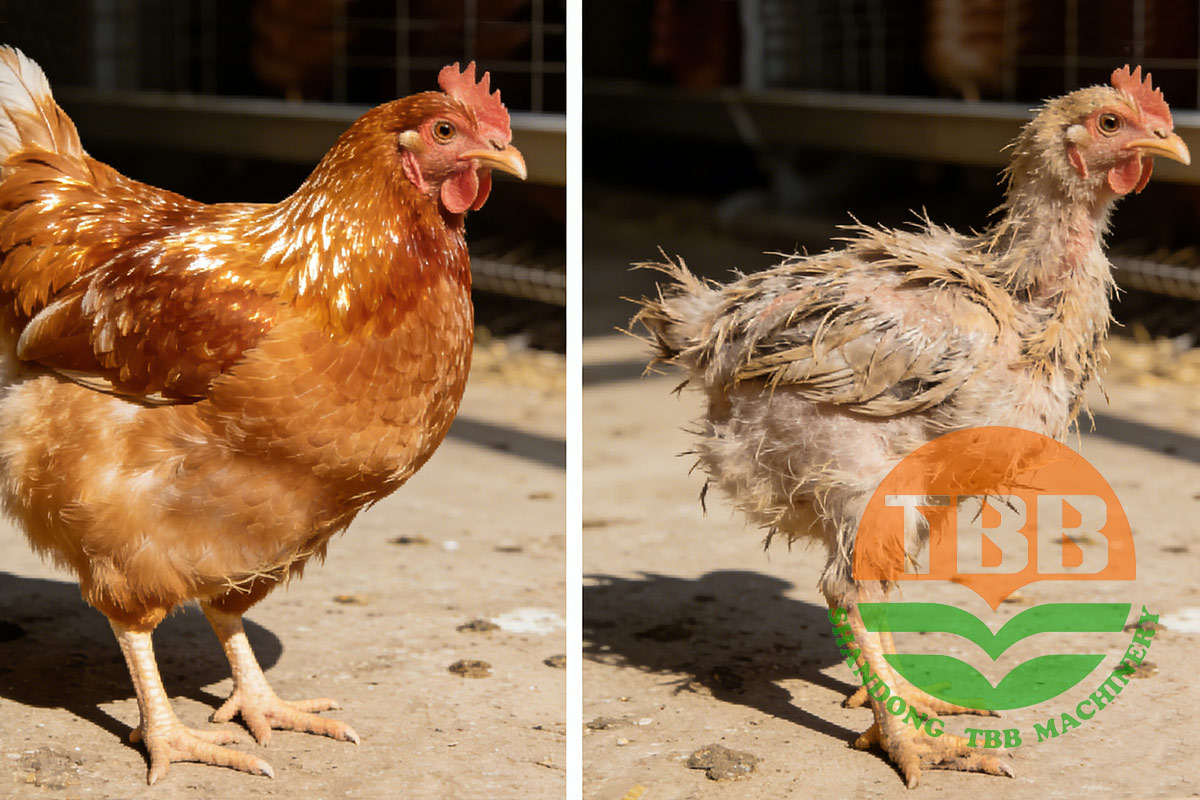
Choosing the Right Molting Method
There is no single correct molt protocol -- the optimal approach depends on your farm's biosecurity status, equipment (including automated layer cage systems for commercial farms), market demands, and regulatory environment. Three main methods dominate commercial practice today, each compatible with different types of layer raising equipment.
1. Feed Withdrawal (Conventional)
The classic approach involves removing feed entirely for 5-14 days, triggering rapid weight loss (target: 25-30% of body weight) that stresses the reproductive axis and induces molt. It produces highly synchronized flocks and consistent results, but is increasingly restricted or banned in several markets due to animal welfare concerns. This method works best with easy-to-clean layer cage systems that maintain hygiene during feed withdrawal.
2. Low-Nutrient Diet Molt (Welfare-Friendly)
Hens remain on feed throughout, but are switched to a specially formulated diet extremely low in sodium, energy, or amino acids -- such as alfalfa-based, high-fiber, or zinc-supplemented corn diets. Molt completion takes 10-18 days but is widely accepted in welfare-regulated markets including the EU and much of Southeast Asia. This method is ideal for use with precision feed dispensing layer cage equipment that ensures uniform distribution of low-nutrient diets across the entire flock.
3. Partial Feed Restriction
A hybrid approach: feed is restricted to 30-50% of normal daily intake for 7-10 days. Results fall between the above methods in terms of speed and welfare profile. Often used in large-scale Asian operations where full withdrawal is not preferred but dietary molt protocols are difficult to manage at scale, especially with large-scale automated layer cage systems that streamline feed restriction control.
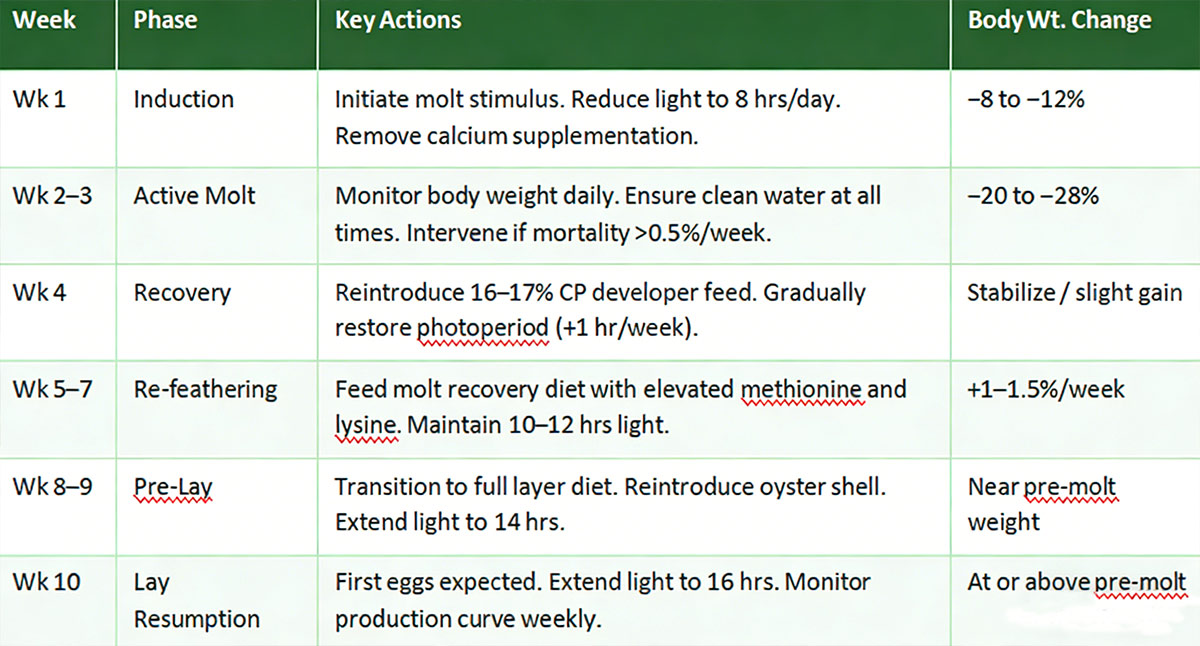
Step-by-Step: A Practical 10-Week Molt Program
Below is a field-tested timeline for commercial cage-housed flocks, optimized for use with Shandong Tobetter fully automated layer cage systems. Adjust to your chosen molt method, local climate, and specific layer cage configuration.
Lighting: The Underrated Driver of Re-Lay Performance
Light management is arguably the most powerful tool in your molt toolkit -- and the most frequently mismanaged. Laying hens are photostimulated: their reproductive system responds directly to day length. During molt, suppressing light inhibits the hypothalamic-pituitary-gonadal axis and halts production; restoring light in a controlled, progressive manner recruits follicular development and triggers re-lay. This process is significantly enhanced by windowless layer cage systems that allow full control over photoperiods, eliminating light leaks that disrupt molt timing.
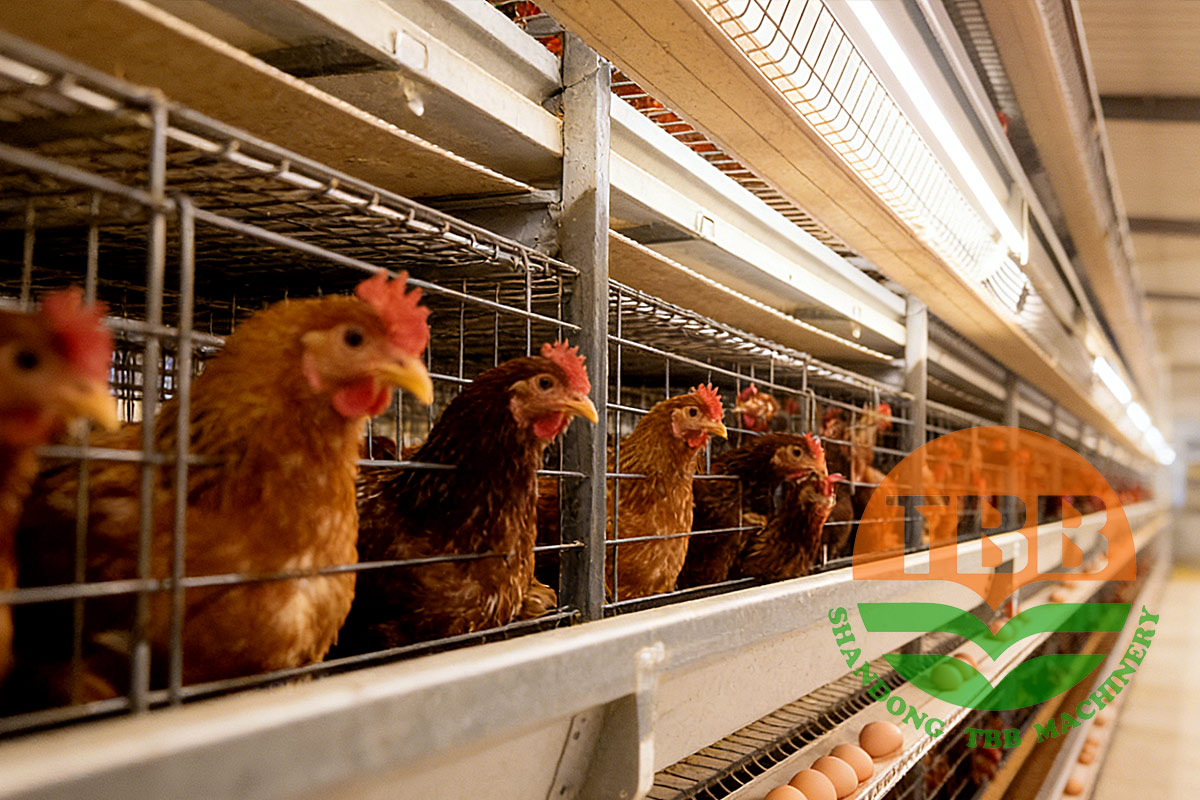
Practical lighting guidelines for your molt program (optimized for automated layer cages):
- Induction phase: Drop to 8 hours of light per day (as low as 6 hrs in windowless commercial layer cage houses)
- Recovery phase: Add no more than 1 hour of light per week, easily controlled with the lighting system integrated into automated layer cage setups.
- Pre-lay phase: Target 14-16 hours as lay approaches, synchronized with the egg collection cycle of your dual-side egg belt layer cages.
- Light intensity: Maintain a minimum of 10 lux at bird eye level during production, achievable with lighting fixtures designed for layer cage systems.
- Light leaks: Inspect curtains, ventilation baffles, and access doors weekly -- even brief interruptions disrupt hormonal rhythms, a concern easily addressed with well-sealed Tobetter layer cage houses.
When Things Go Wrong: Troubleshooting Common Molt Issues
Common Problems & Solutions
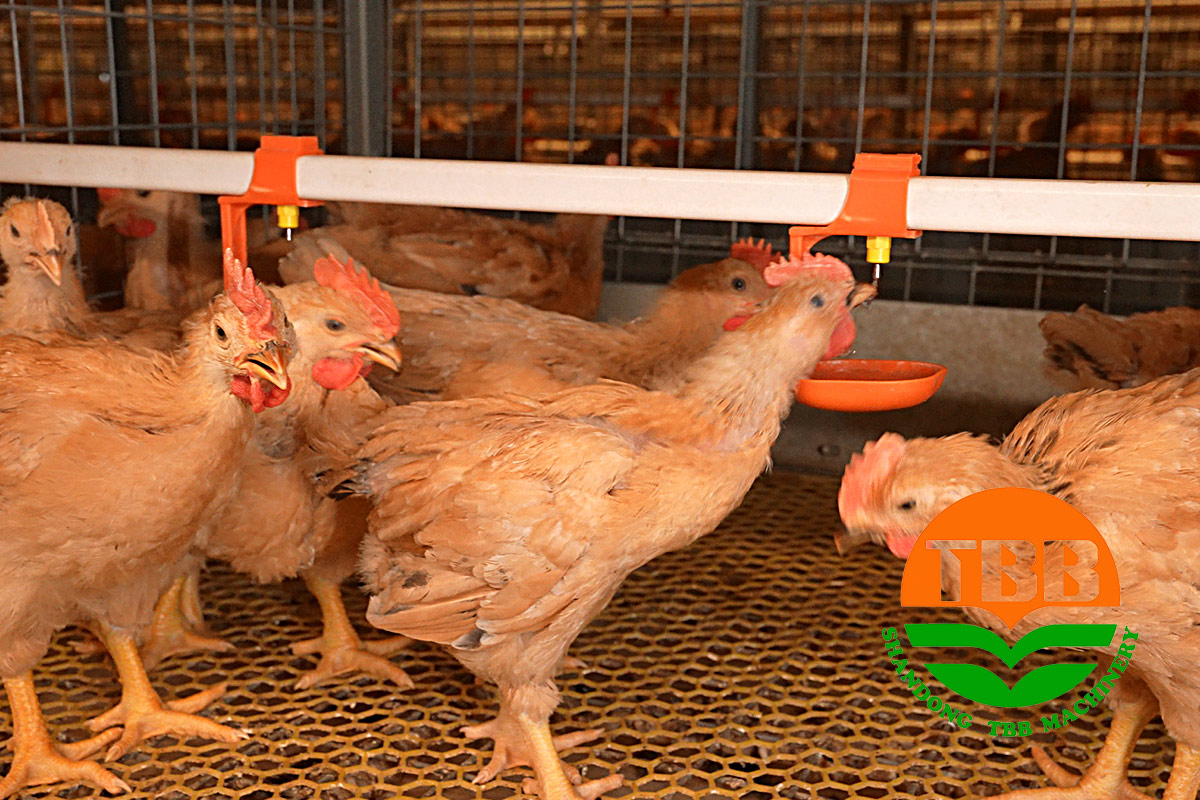
- Mortality exceeds 1%/week: Review water access immediately (check nipple drinkers in your layer cage system). Consider moderating molt stimulus intensity. Conduct necropsy on dead birds to rule out concurrent respiratory or parasitic infection.
- Inconsistent feather loss across the flock: Indicates uneven feed/water distribution. Audit feeder trough coverage and nipple drinker flow rate per cage section in your automated layer cage equipment.
- Flock fails to reach 50% production by Week 12: Re-evaluate photoperiod program (ensure no light leaks in your layer cage house). Check for subclinical Marek's disease or IB re-infection. Consider serology testing.
- Soft-shelled or deformed eggs in early second cycle: Introduce oyster shell at least 2 weeks before expected lay resumption. Ensure calcium is adequate in pre-lay diet (3.5-4.0%), dispensed uniformly via your precision feed layer cage system.
- High broken egg rate post-molt: Check egg belt speed, padding thickness, and collection frequency in your dual-side egg collection layer cage. Larger post-molt eggs may require belt speed adjustments, a simple tweak with Tobetter's automated systems.
A successful molt puts immense demands on your feeding, watering, and egg collection systems -- at precisely the moment when your hens are at their most vulnerable. That's why choosing the right commercial layer cage equipment is critical to molt success and long-term flock profitability.
At Shandong Tobetter Machinery, our fully automated layer cage systems are engineered with extended service life, precision feed dispensing, and a dual-side egg collection belt that keeps breakage below 0.1% -- cycle after cycle, flock after flock. Our Shandong Tobetter automated layer cage systems are specifically designed to support successful molt programs, with sealed designs to control light, precision feeders for uniform diet delivery, and durable construction to withstand the demands of second-cycle flocks.
Whether you're planning your first molt program or optimizing a second-cycle flock, our technical team is ready to walk you through equipment configurations built specifically for your farm's scale and breed requirements -- including custom layer cage setups tailored to your molt method and market needs.
- Visit: www.tobetterm.com | Email: haven@tobetterm.com | Free Farm Consultation Available