



News
Rwanda's Poultry Revolution: How 3,000 Small Farms Are Going Commercial
Source: TBBView: 55Rwanda's Poultry Revolution: How 3,000 Small Farms Are Going Commercial
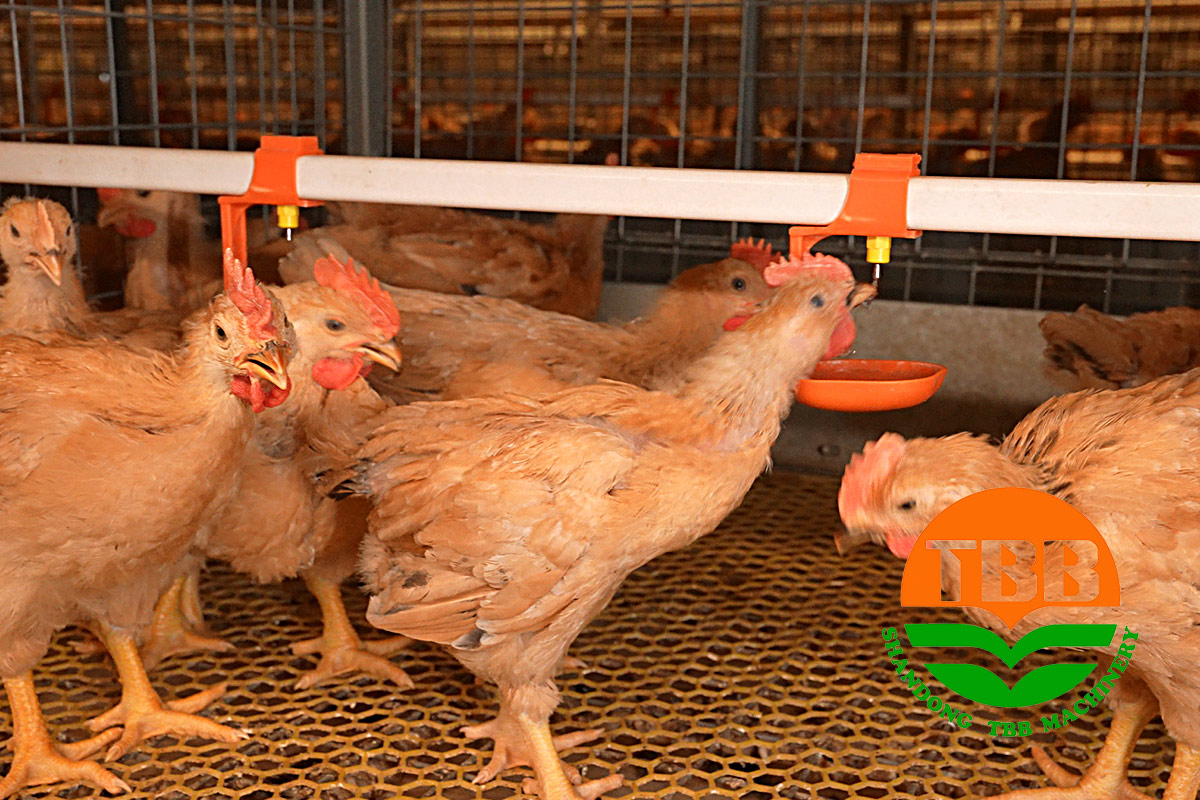
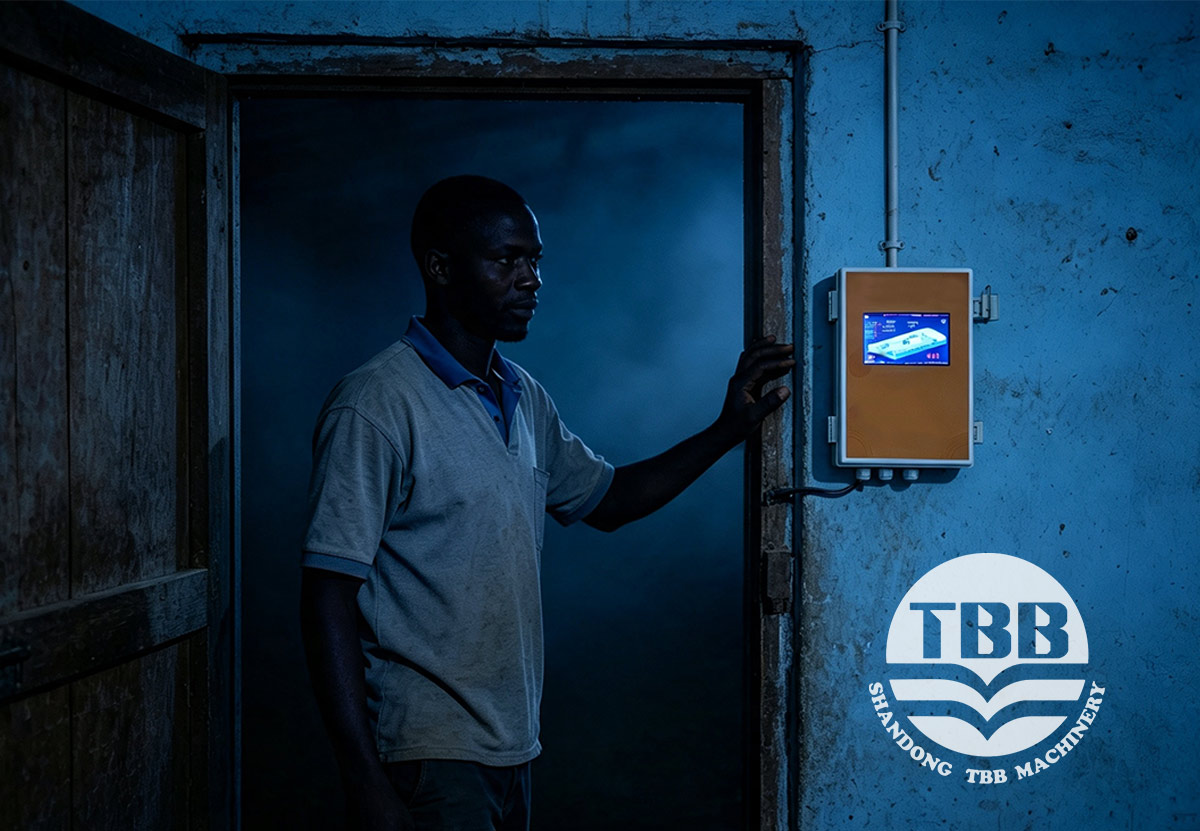
At 4:30 AM in Bugesera District, a smallholder farmer steps into a house of 5,000 broilers. A few years back he tended 50 family chickens; now he checks temperature gauges and feed conversion ratios. He is one of roughly 3,000 smallholders across Rwanda who have crossed from subsistence keeping to running commercial poultry operations — and the shift is moving faster than most expected.
This is the story behind Rwanda's poultry revolution.
▶ The Numbers Behind the Shift
According to the Ministry of Agriculture and Animal Resources, the national chicken population more than doubled in a single year, reaching nearly 13 million birds in 2025 — up from about 6.2 million in 2024 and 5.3 million in 2020. Egg output followed, rising to 29,855 tonnes in 2025 from 20,211 tonnes the year before. Chicken meat climbed too, from 54,145 tonnes in 2023/24 to 62,233 tonnes in 2024/25.
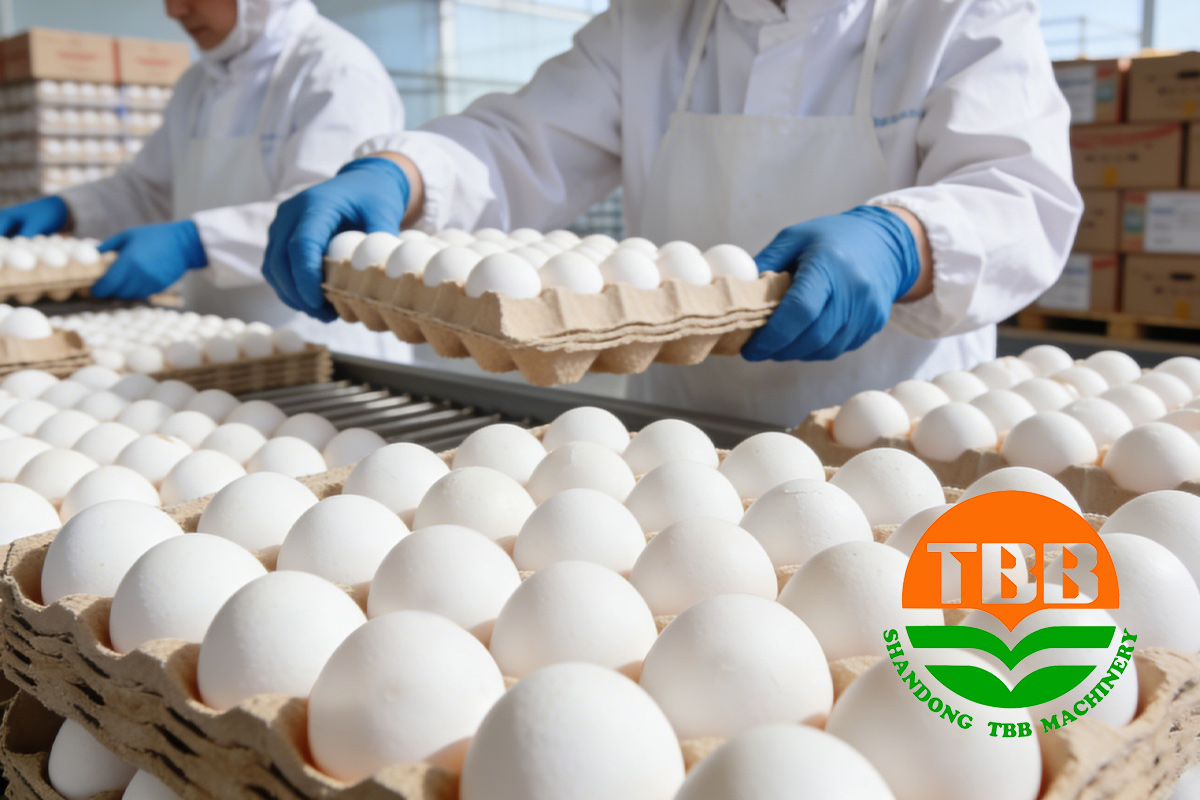
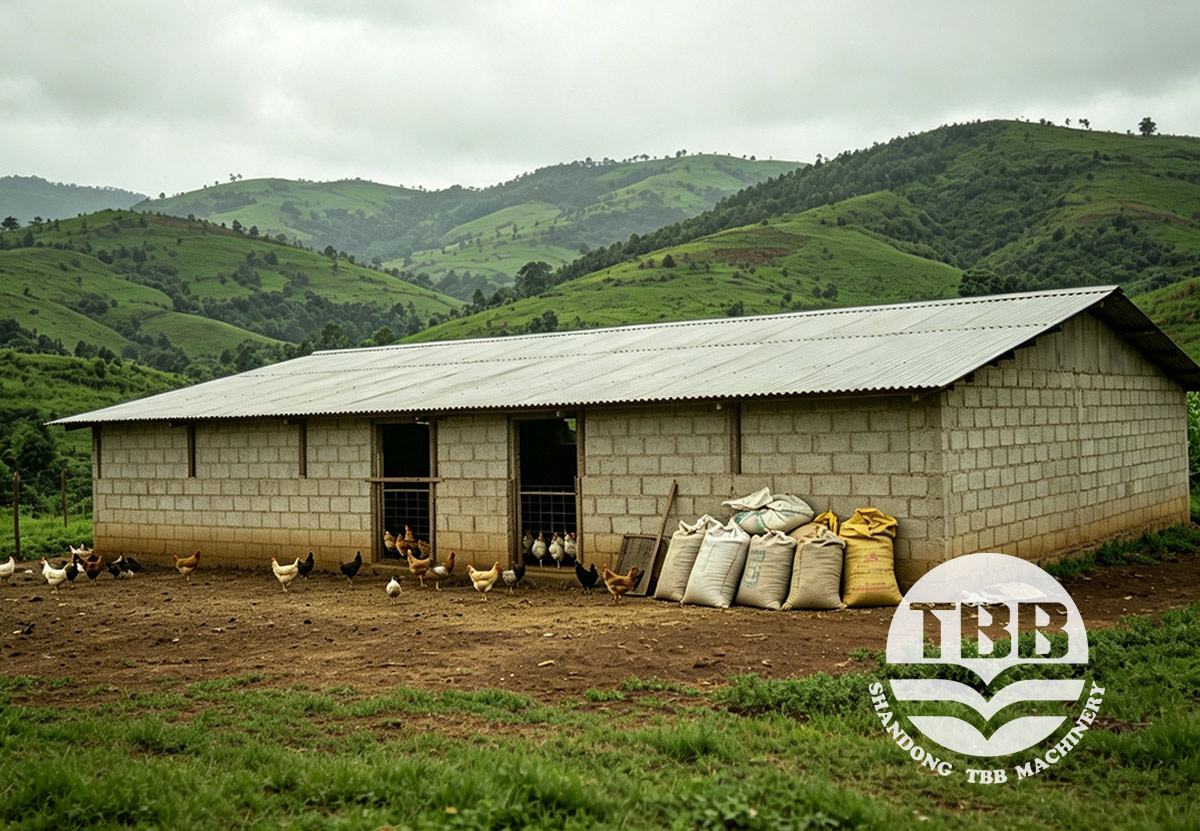
The bigger change is commercialisation. Large farms of 5,000 to 120,000 birds grew from just 15 in 2019 to 56 in 2025. Today around 550 medium farms and 1,900 small commercial operators are active, managing between 1.5 and 2 million birds combined. For smallholder poultry keepers and anyone exploring commercial poultry farming in Rwanda, that production base is now real, not hypothetical.
▶ What's Driving It
The government has put Rwanda poultry at the centre of the fifth Strategic Plan for Agriculture Transformation (PSTA5) and the Livestock Development Strategy. The target is to lift total meat output from 207,097 tonnes in 2023/24 to 247,223 tonnes by 2028/29, with poultry doing much of the work.
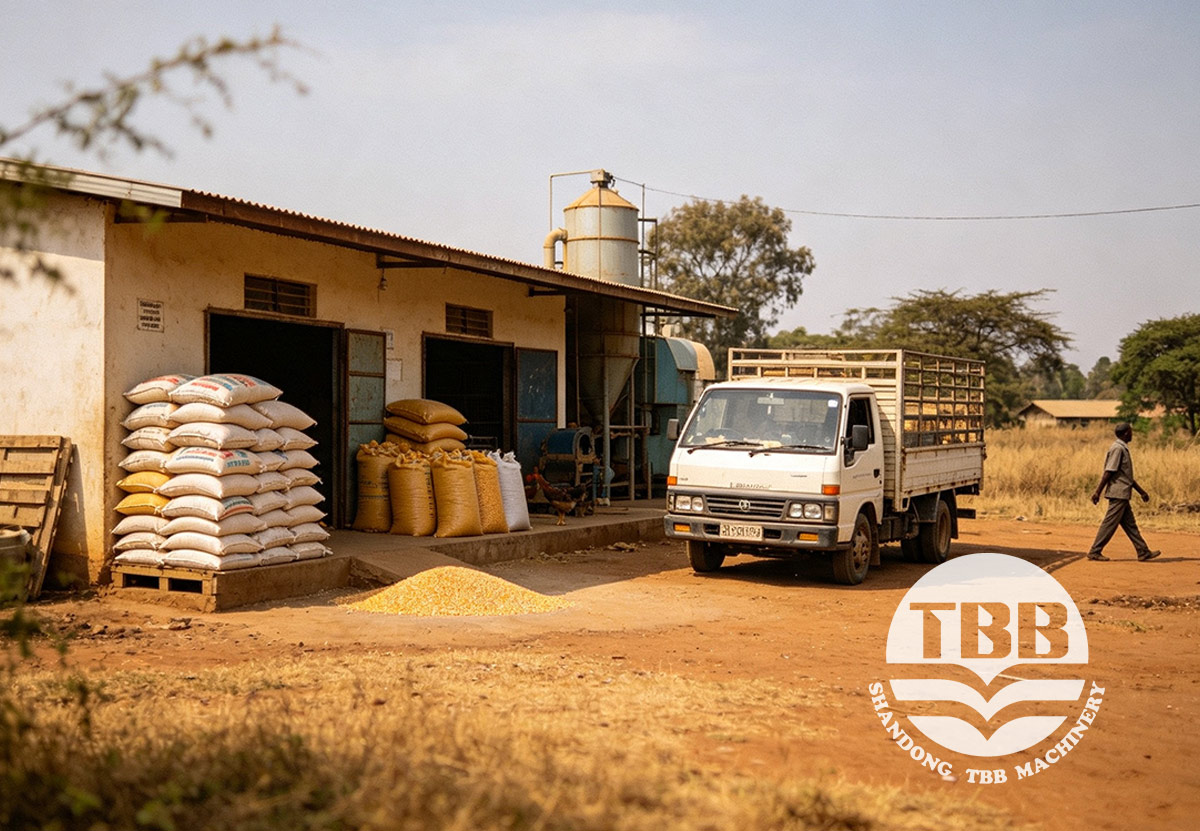
The plan backs seven hatcheries for high-yield broiler and dual-purpose chicks, more than 10 local feed mills, over 34,000 farmers trained through Farmer Field Schools, and nearly 215,000 dual-purpose chickens distributed to vulnerable households. For those starting a poultry business in Rwanda, the support system is unusual for the region.
▶ Innovation Centres Closing the Gap
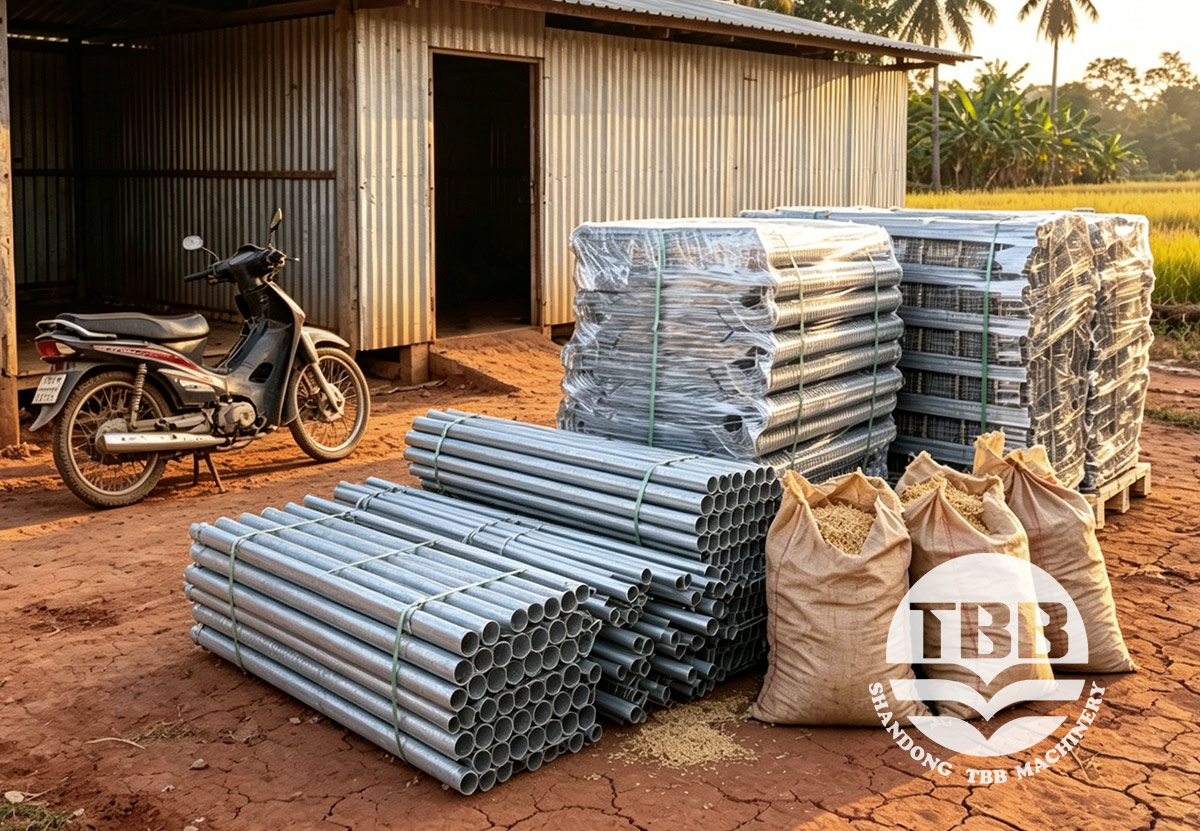
A central piece is the Poultry Farming, Training and Innovation Centre (PFTIC), a public-private partnership linking IPRC Gishari and Ngoma colleges with private firm Abusol and the Rwanda Development Board. Its "frugal innovation" approach builds local cages, feeds protein from black soldier flies, and pushes antibiotic-free production — practical poultry equipment in Rwanda rather than costly imports.
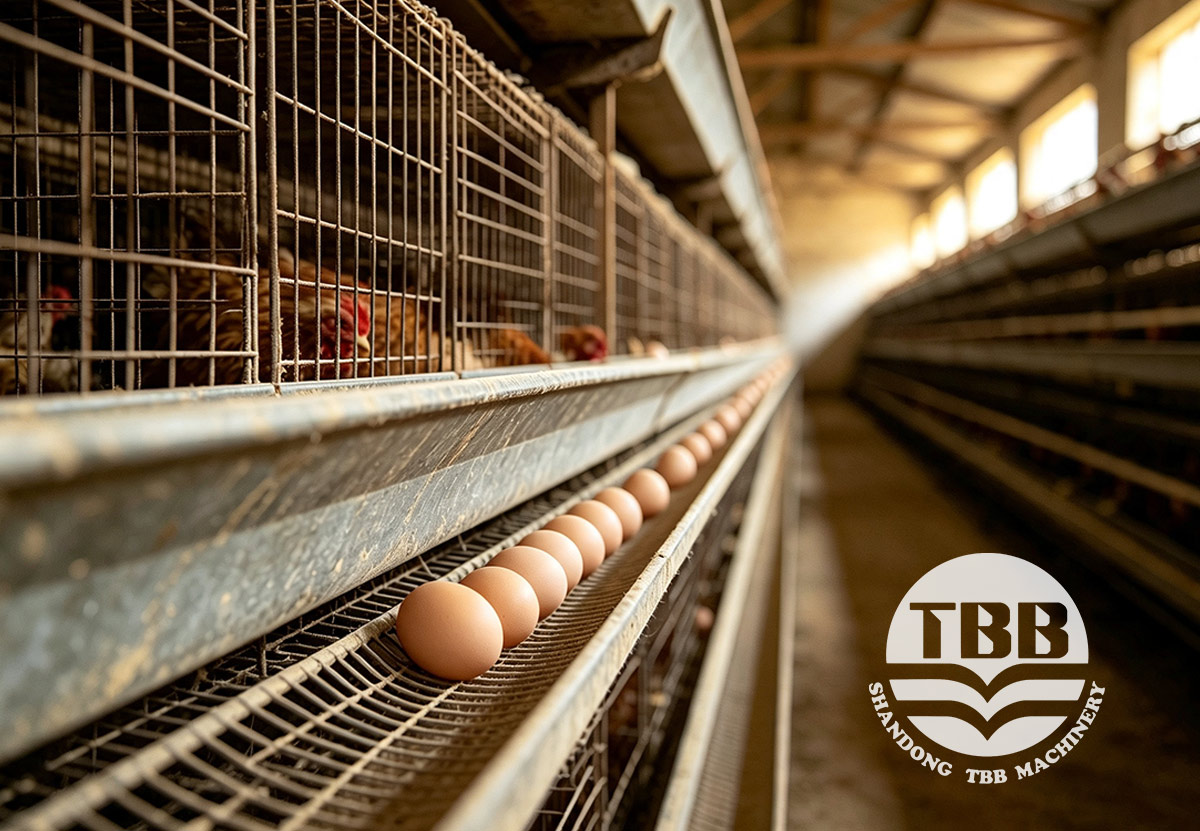
It runs short courses and has helped women and youth cooperatives launch their own farms, advancing poultry value chain development in Rwanda.
▶ Real Results on the Ground
Florence Batoni of Platinum Agribusiness Ltd reached full feed self-sufficiency with CASA Programme support. Before her feed mill, mortality was severe — up to 20 birds a day at 12 months. Now it is one to three. The farm employs 17 permanent and about 45 total staff.
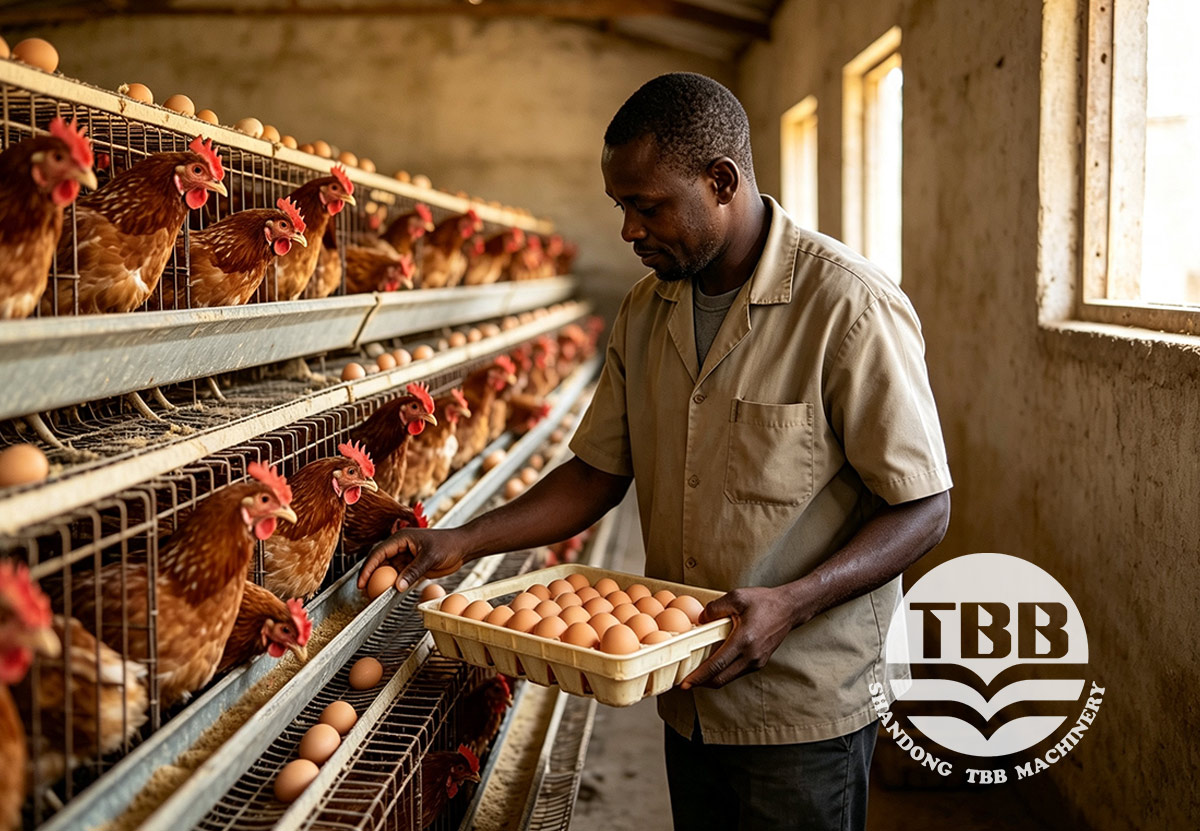
In Gasabo District, Delphine Mutirabura runs 20,000 ISA Brown layers — double her 2021 start — with roughly 30 staff and 5,000 to 7,000 eggs daily. She wants 50,000 birds if feed prices stabilise. "If maize prices keep climbing, we're working for nothing," she says, "but the demand is there. Every egg we produce sells before noon."
▶ The Cost Problem
Feed has nearly doubled, from about Rwf400 per kg in 2021 to Rwf750 today, and accounts for roughly 70 per cent of production cost. Imported maize and soya keep margins thin. Per capita egg use is just 2.1 kg a year against a 4.5 kg target — room to grow, if input costs ease. For broiler farming in Rwanda and layer farming in Rwanda alike, feed formulation is now the deciding factor.
▶ Why the Timing Matters
The commercialisation of 3,000 small farms is reshaping Rwanda's agricultural landscape. As cities grow and consumers want affordable protein, demand will keep rising. Whether the play is poultry feed production in Rwanda, day-old chick supply, poultry farm management in Rwanda, or broiler systems, the early-mover window is closing.
High feed costs are squeezing margins — which is why Tobetter Machinery now offers a subsidised feed formulation and farm setup package built for first-time commercial converters. We work from hatchery selection through market access and value chain integration, using methods proven on Rwandan smallholdings.
Reach out today. Message us for this year's best price on new client setups — this quarter's rate closes soon, and with demand surging, there is no better moment to get your operation off the ground.