



News
Poultry Equipment Upgrades in Pakistan 2026 – Top 3 Investments Worth the Cost
Source: TBBView: 147Poultry Equipment Upgrades in Pakistan 2026 – Top 3 Investments Worth the Cost
Pakistan's poultry sector does not slow down. The latest Economic Survey of Pakistan 2025-26 puts the national flock at roughly 2.47 billion birds. Commercial broilers alone account for about 2.27 billion, while layer birds have crossed 89 million. The country now ranks as the world's 11th largest poultry producer, growing at a steady clip of nearly 8 percent annually. Poultry meat supplies more than 43 percent of all meat consumed domestically, and the industry employs over 1.5 million people across the country.
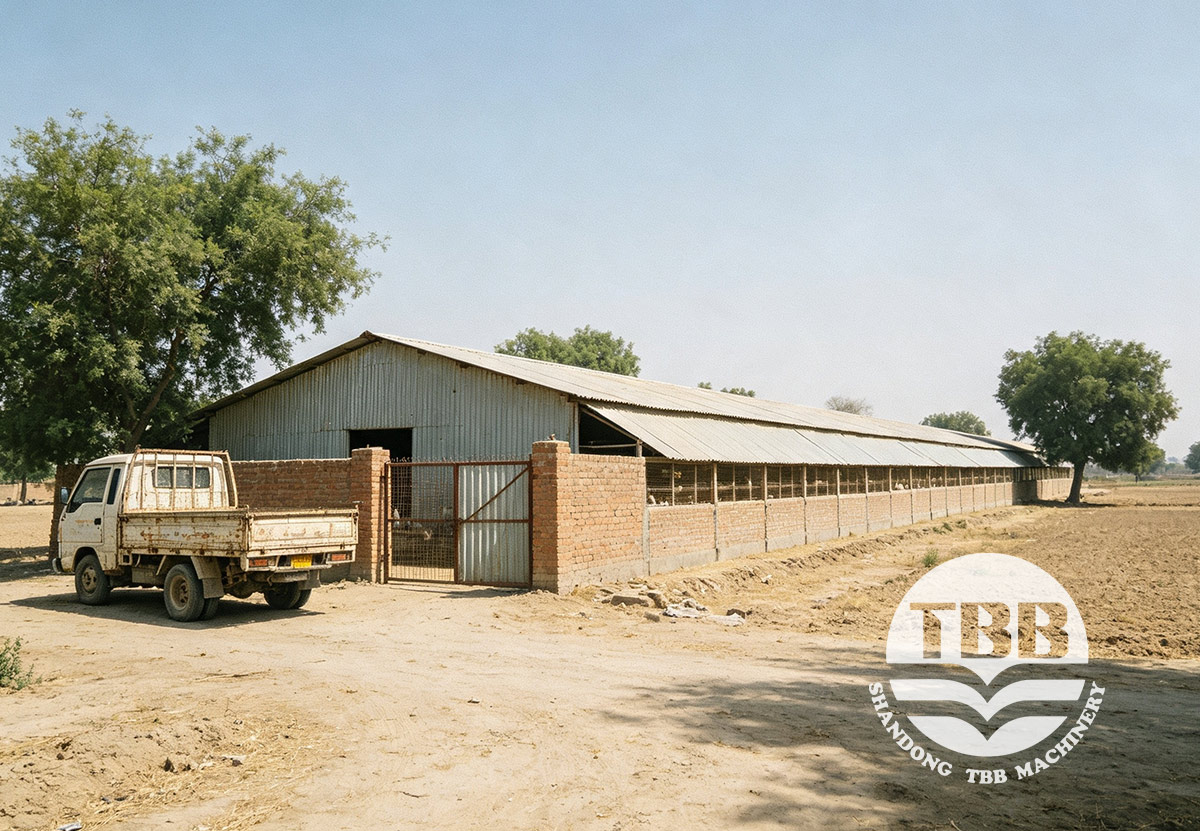
For anyone running commercial poultry farming in Pakistan, the real job in 2026 is picking the poultry equipment upgrades in Pakistan for 2026 that actually put money back in your pocket. Feed and energy costs keep climbing. Skilled labour gets harder to hold onto. And summers keep breaking records—last year's floods did not help either.
Contract farming is spreading fast across Punjab and beyond, pushing smaller operations toward standardised, automated setups. The Punjab government is even looking at interest-free loans for poultry entrepreneurs to bring in advanced machinery. That makes 2026 a smart year to put capital into the right equipment.
Here are three upgrades that earn their keep for most Pakistani farms this year.
▶ 1. Climate-Smart Ventilation and Cooling – Non-Negotiable in Pakistani Summers
When temperatures cross 40°C—and they will, for months—heat stress becomes the quiet profit-killer on broiler and layer houses alike. Birds let you know they are struggling before the thermometer does: feed intake drops, mortality creeps up, and the flock misses its finish weight.
The first upgrade worth every rupee is a proper poultry climate control Pakistan package: tunnel ventilation paired with evaporative cooling pads, balanced exhaust fans, and controllers that hold their setpoints through the worst afternoons.
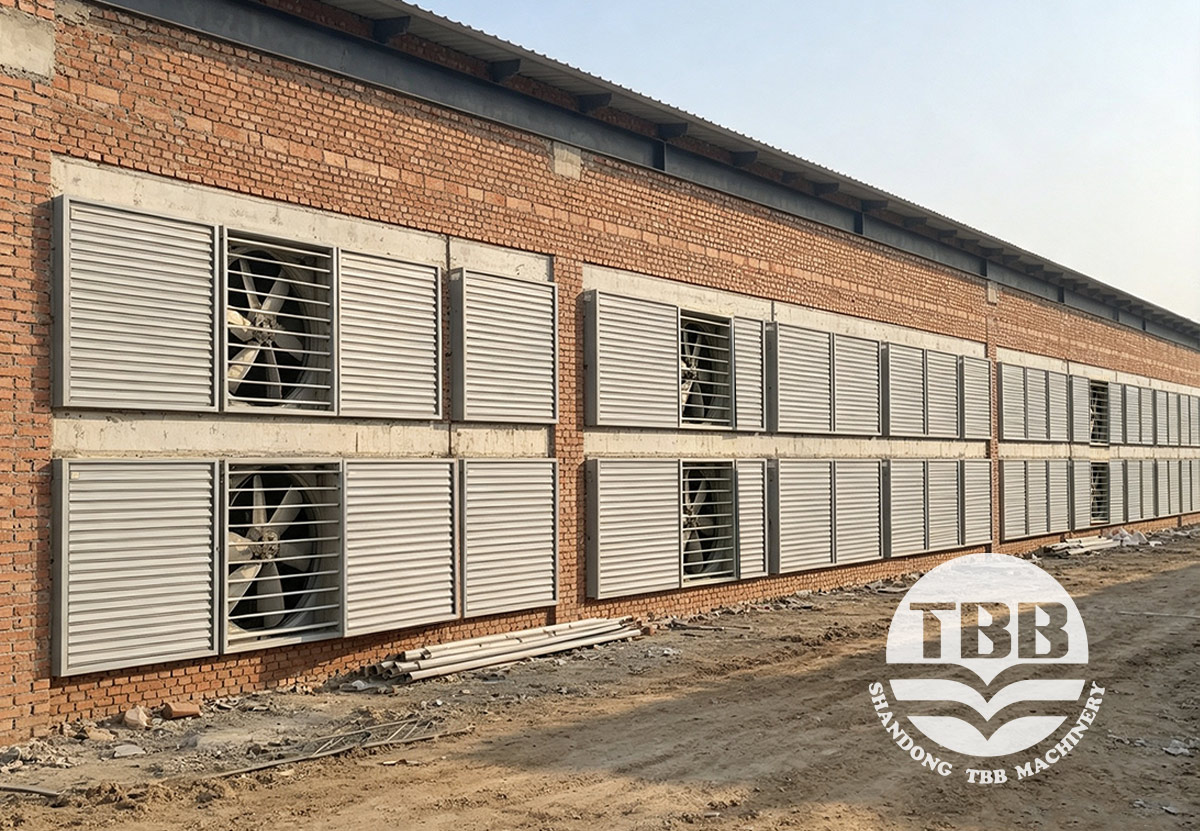
A well-designed poultry house ventilation system in Pakistan cuts heat-related mortality during heat waves and improves feed conversion by keeping birds comfortable. With feed already eating 65 to 70 percent of production cost, even a small gain in FCR lands straight on the bottom line.
Heat stress management for broilers is what separates a flock that finishes on schedule from one that stalls and eats into margin. If you are building new sheds, design the airflow path before the slab goes down. Retrofitting tunnel ventilation later always costs more and performs worse. Khyber Pakhtunkhwa's new semi-environmentally controlled poultry projects are already proving this point—cooling pads, exhaust fans, and solar power are being installed as core infrastructure, not afterthoughts.
▶ 2. Automated Feeding and Drinking Lines – Where Feed Waste Gets Cut
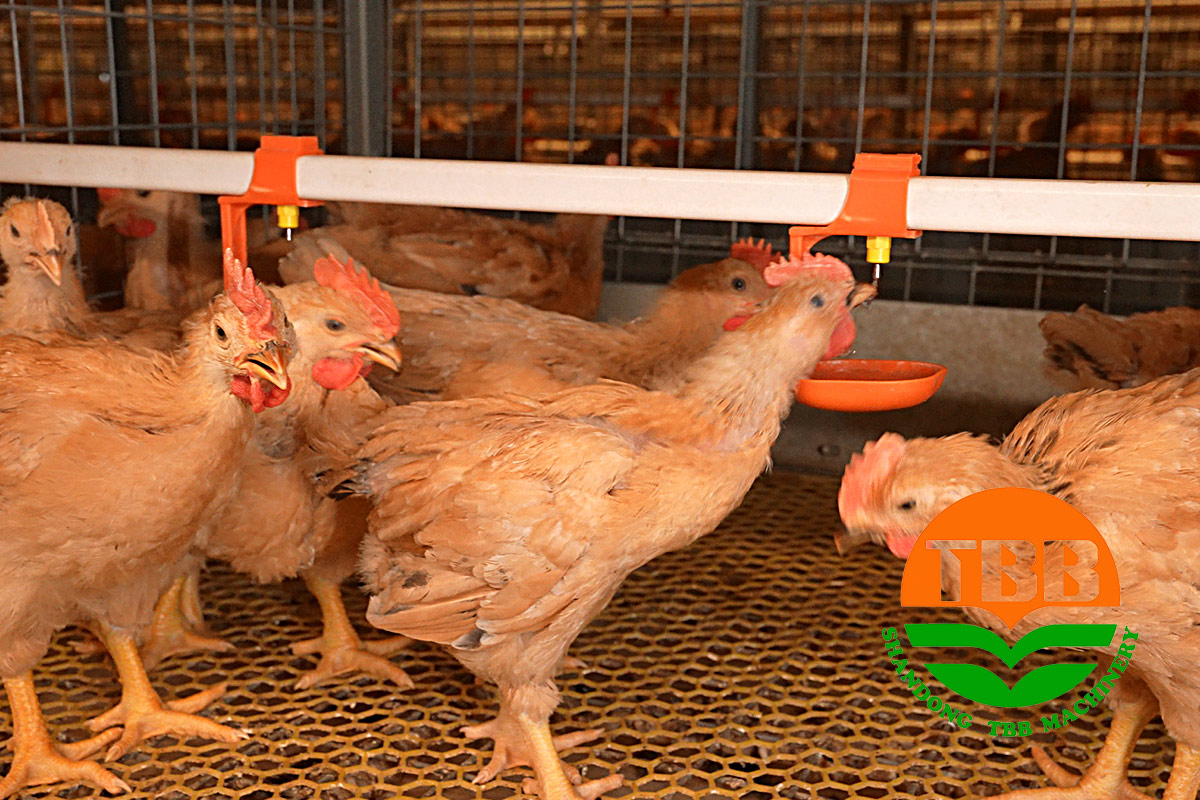
With feed at 65 to 70 percent of cost, trimming waste is the fastest payback. The second upgrade is an automatic feeder and drinker system for poultry: pan or chain feeders with accurate regulators, plus nipple drinking lines that hold steady pressure across the entire house.
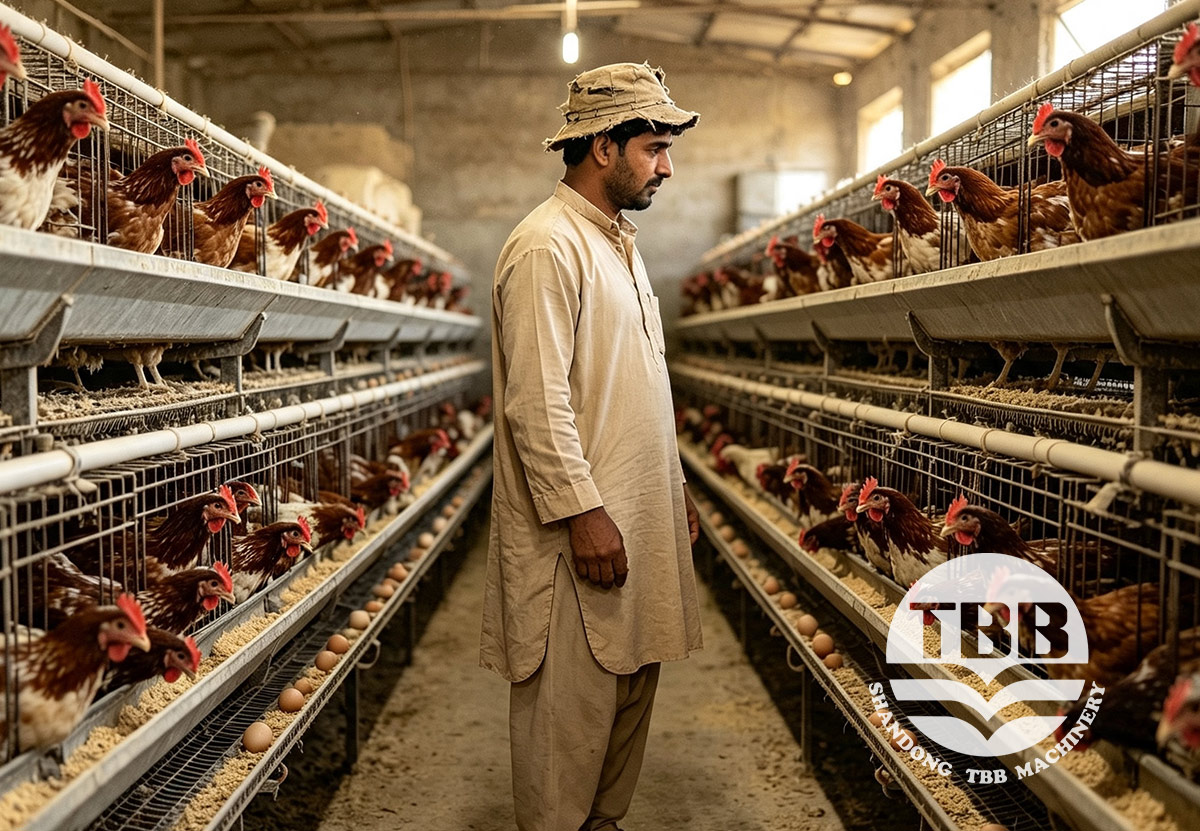
These systems cut spillage, even out feed intake from one end of the shed to the other, and hand labour back to the manager. Instead of spending hours hauling feed sacks and checking drinkers by hand, you spend your mornings making decisions.
On a 20,000-bird house, the labour and feed savings from automated lines show up within a couple of cycles. When you weigh broiler farming equipment cost in Pakistan, the cheapest sticker price is rarely the lowest lifetime cost. Spillage adds up. Leaks add up. Downtime adds up. Good lines also improve flock uniformity—and buyers notice that at settlement time. The poultry farm automation ROI on feeding and drinking lines is one of the clearest numbers you will run all year.
▶ 3. Rearing Systems, Cages, and Manure Handling – Protect Bird Health and Your Margin
The third upgrade depends on what you raise. For layer operations, a modern layer cage system in Pakistan with belt manure removal and automatic egg collection pays for itself through cleaner eggs, less manual gathering, and drier litter that cuts ammonia and disease pressure.
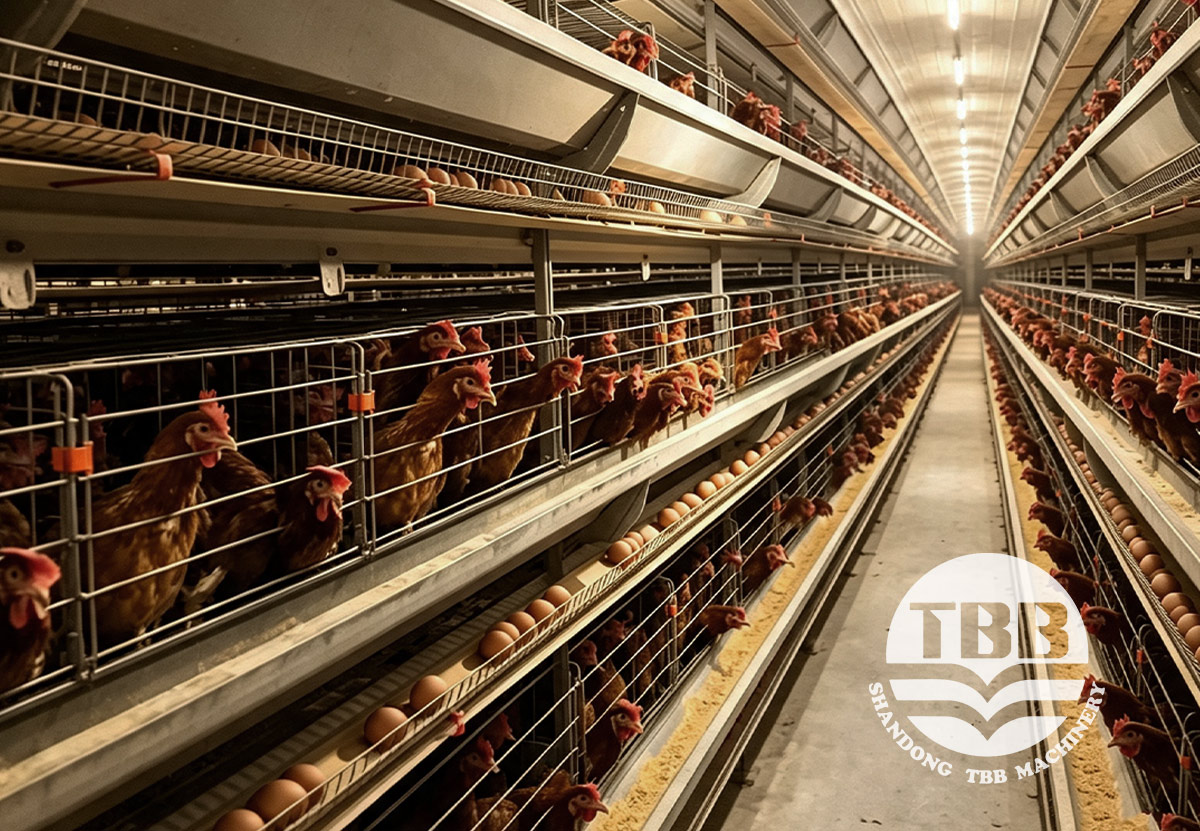
For broilers, structured cage systems or well-run deep-litter setups with the right density and automation reduce footpad problems and lift uniformity across the flock.
Here is a practical rule of thumb: if your flock size exceeds 50,000 birds, the density gain from cages plus automated egg collection (for layers) typically covers the extra capital within 12 to 18 months. For operations under 20,000 birds, upgrading your deep-litter management—better litter conditioning, more uniform stocking, and semi-automated feeding—often delivers a quicker and safer return than a full cage conversion. That does not mean cages are wrong for smaller farms; it just means you need to run the numbers carefully.
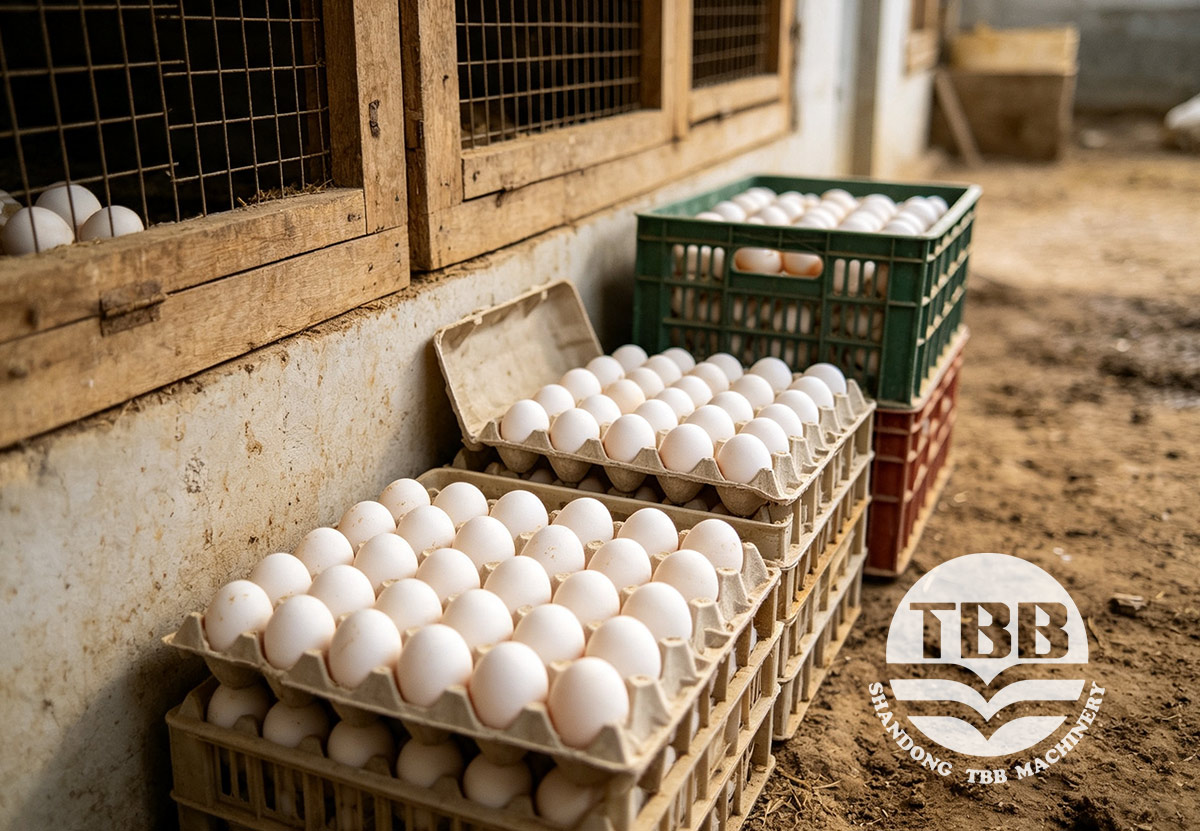
Poultry manure drying equipment in Pakistan is also gaining real traction. It turns a disposal headache into a saleable product. Tying manure handling into the original house design—rather than bolting it on afterward—protects flock health and strengthens your poultry farm profit margin Pakistan operators compete on. An egg collection machine for poultry farm setups removes a daily manual step and lowers breakage, which starts to matter once your flock passes tens of thousands of birds.
Where to Put Your Money in 2026
All three are practical buys. Together they are the upgrades worth the cost for Pakistan poultry in 2026: climate control that protects the flock, feeding and drinking lines that protect the feed bill, and rearing and manure systems that protect bird health and margin.
The farms pulling ahead this year buy equipment to protect margin, not just to tick a box.
If you are planning a new build or a retrofit and want a side-by-side comparison of the three leading ventilation packages with real power consumption data from local installations, send us a message at Tobetter. We will share the sheet with you—no strings attached. And if you are ready to move this quarter, we are holding this year's floor price for early birds. Reach out now to lock it in before the rate adjusts.