



News
Broiler Farming in Mozambique: Counting the Real Cost of Tropical Heat
Source: TBBView: 139Broiler Farming in Mozambique: Counting the Real Cost of Tropical Heat
Mozambique's chicken sector is growing faster than almost anywhere else in Africa. Output reached roughly 135,000 tonnes of chicken meat in 2024, and in the first nine months of 2025 alone producers raised another 99,200 tonnes, according to figures from the Minister of Agriculture, Environment and Fisheries, Roberto Albino.
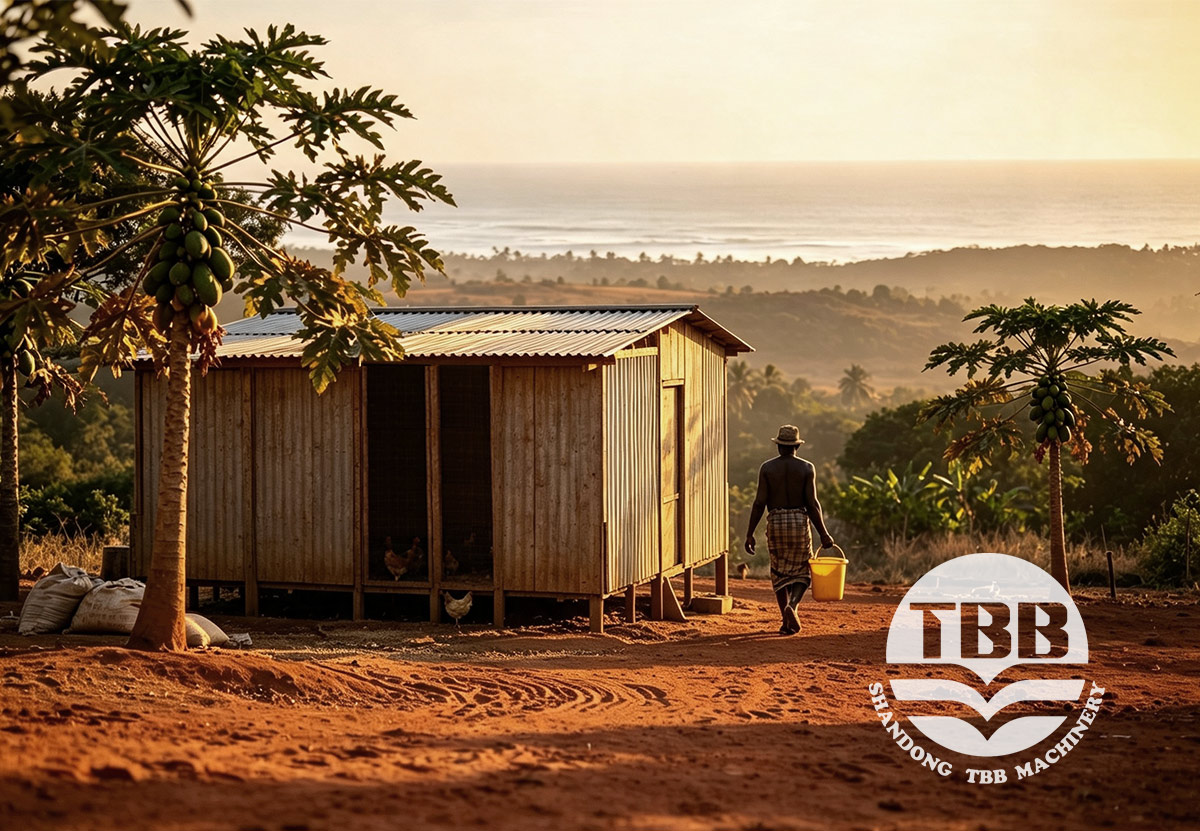
The country now ranks among the continent's ten largest poultry producers by volume, with a compound annual growth rate near 8.9% since 2013. Imports have fallen below 20% of consumption. For anyone planning a broiler house here, the demand side of the equation looks genuinely good.
The hard part is the climate.
Most of Mozambique sits in the hot, humid tropics. Broilers are comfortable between 18 C and 22 C; heat stress sets in around 30 C.
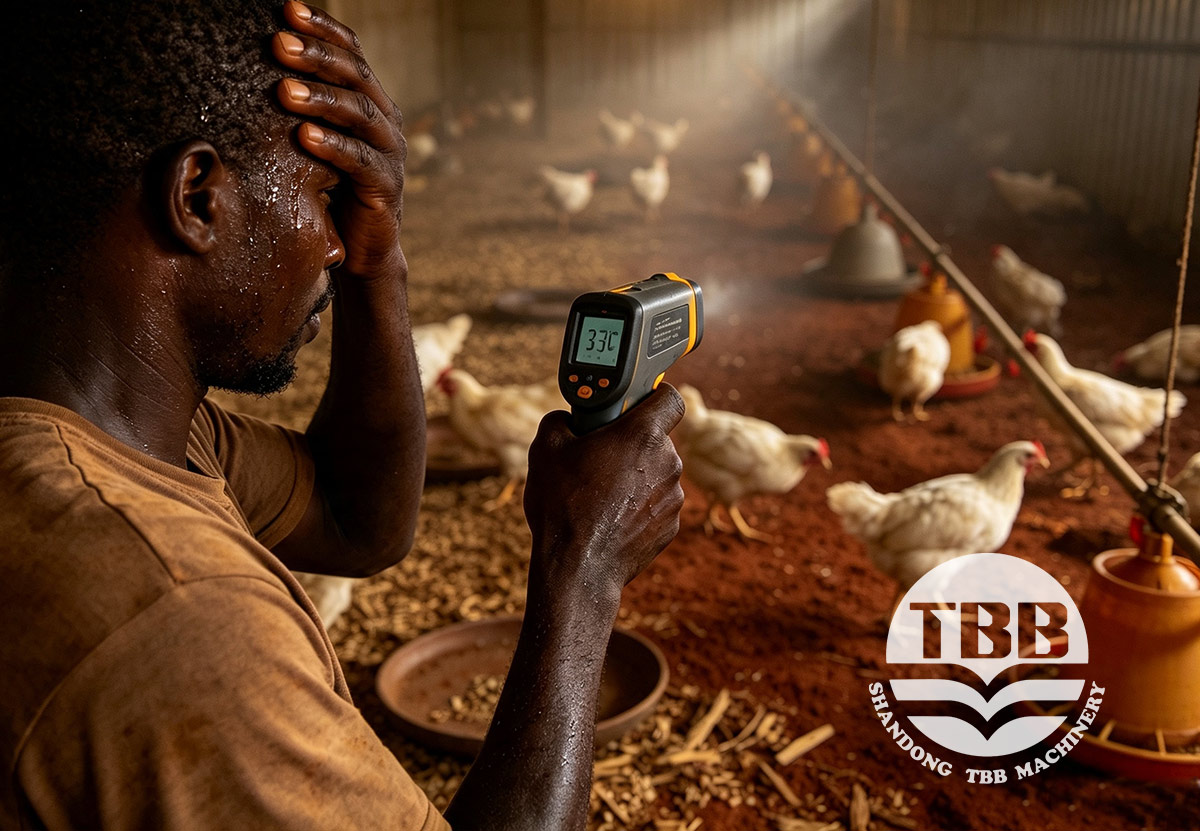
That is not a rare bad day, it is most afternoons for much of the year. And the financial damage is larger than most first-time growers expect.
▶ What the research actually shows
A 2020 meta-analysis of twelve controlled studies, published in the peer-reviewed poultry literature, found that heat-stressed broilers ate less, gained less weight, and converted feed roughly 0.17 points worse than birds kept in thermal comfort. Mortality told the starkest story: the odds of death under heat stress were about 3.7 times higher than in a controlled house. In plain terms, a flock that should lose 3% can just as easily lose 10% or more once the shed overheats night after night.
Feed is the biggest single cost on a broiler farm, so a shift from an FCR of 1.65 to around 1.90 does real damage.
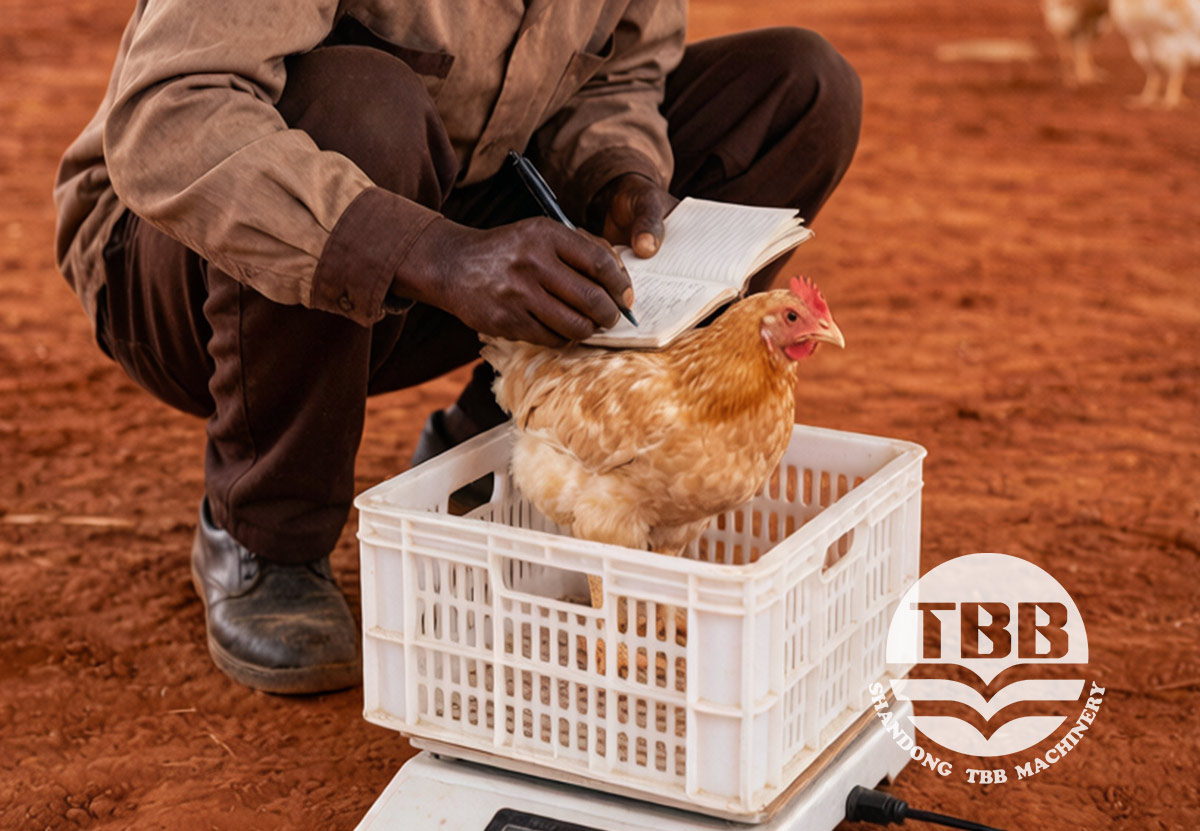
Mortality compounds it: every bird that dies before harvest is a chick you paid for and feed you already bought, with no sale at the end.
▶ A worked example using real Mozambican prices
To make the numbers concrete, here is an illustrative 10,000-bird floor house on a 42-day cycle, priced off current Mozambican market rates. Day-old chicks from integrated producers such as Higest were listed at about MZN 55 each in 2025. Broiler feed runs roughly MZN 48 to 54 per kg.
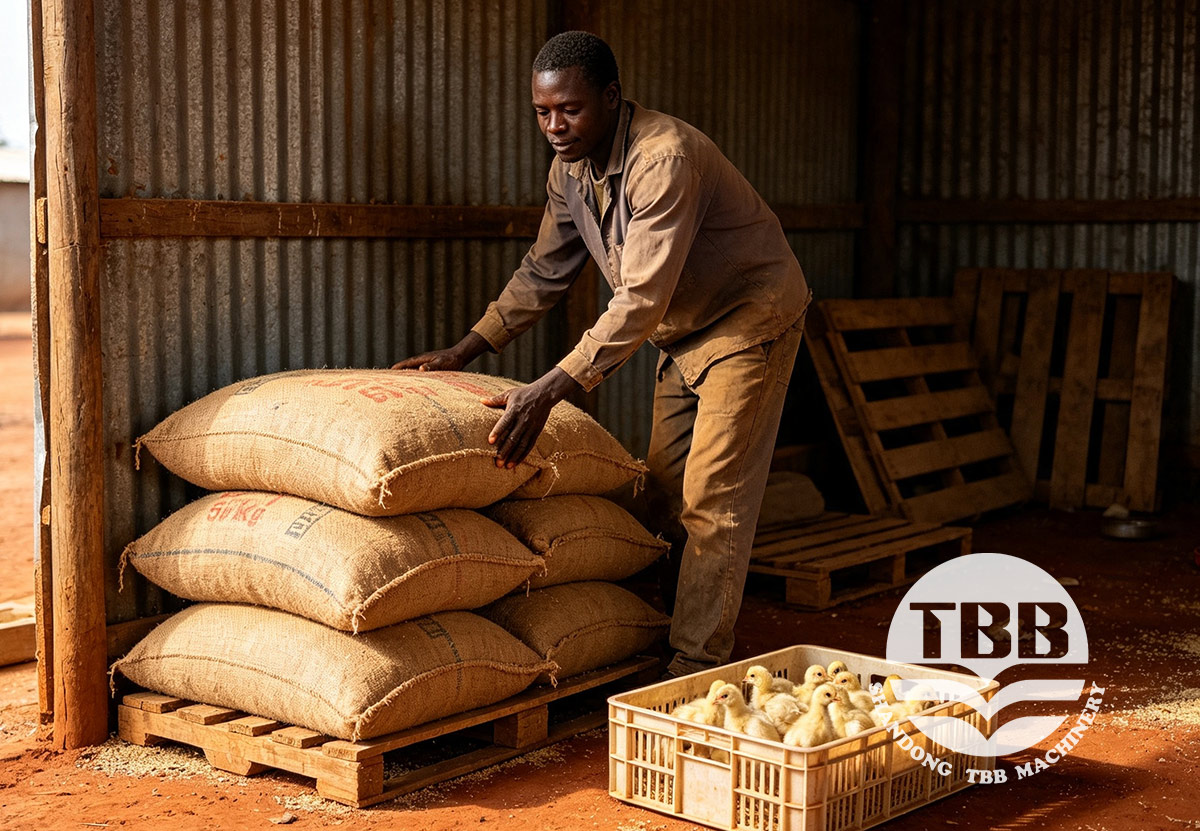
Live broilers were being bought by processors at around MZN 110 to 131 per kg, depending on weight.
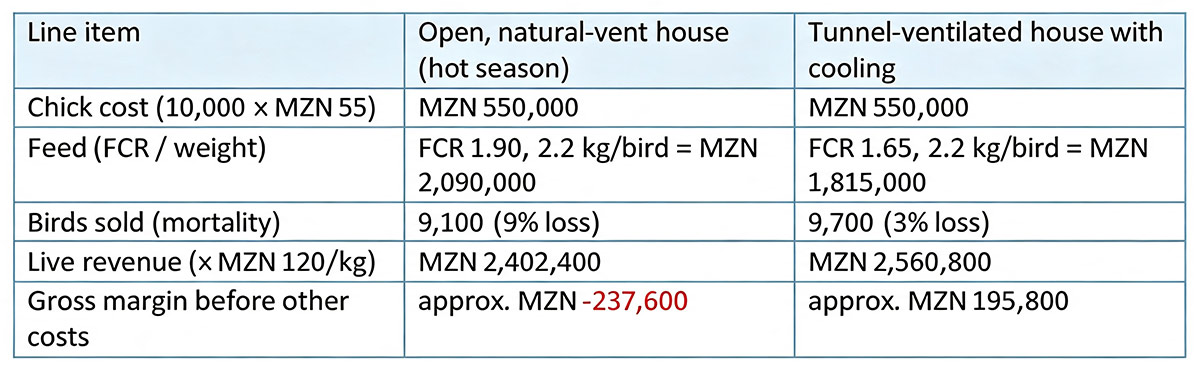
The difference between the two sheds is about MZN 430,000 per cycle on the same number of birds, driven almost entirely by feed efficiency and mortality, not by feed price. Run six cycles a year and the gap passes MZN 2.5 million.
▶ Where tropical climate poultry equipment pays for itself
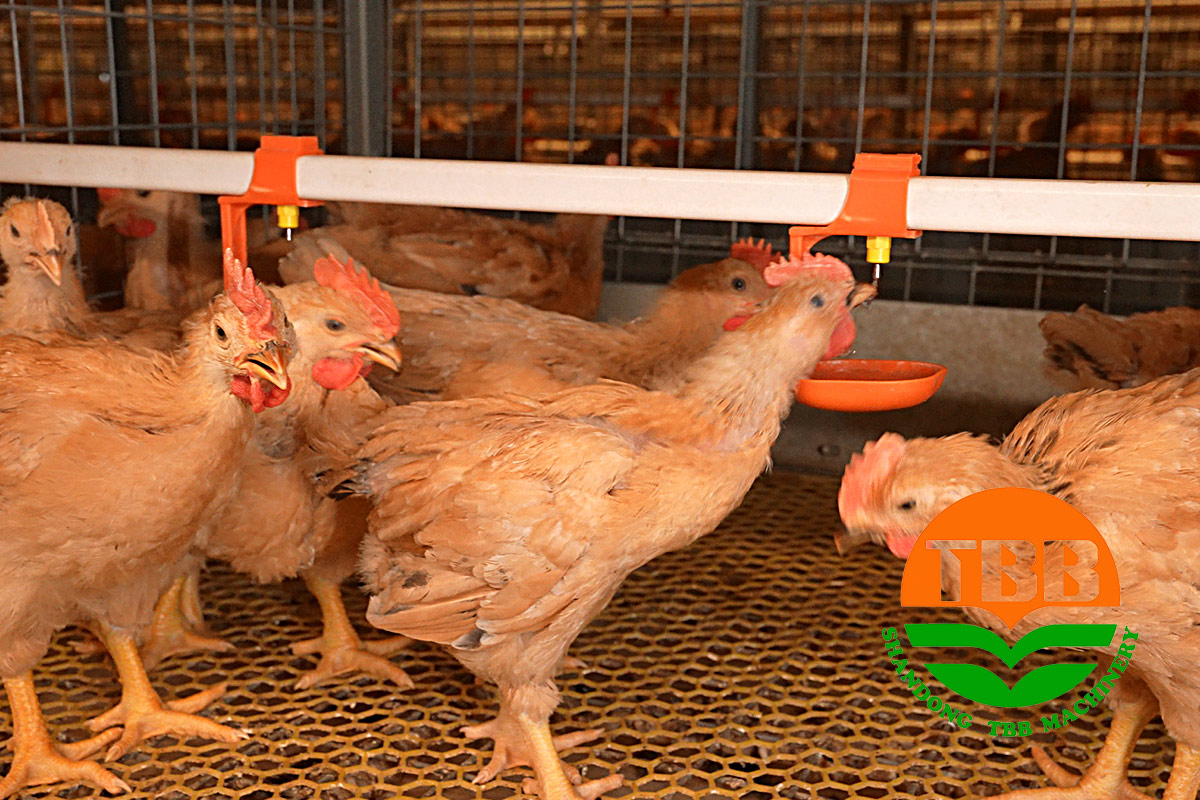
The example above is illustrative, but the mechanism is exactly what the published data predicts: cooling the air and keeping it moving lets birds eat, drink and convert feed normally even when it is 33 C outside. A negative-pressure tunnel-ventilation system with evaporative cooling pads, paired with automatic pan feeders and nipple drinkers, holds the house in the birds' comfort zone through the hottest part of the day.
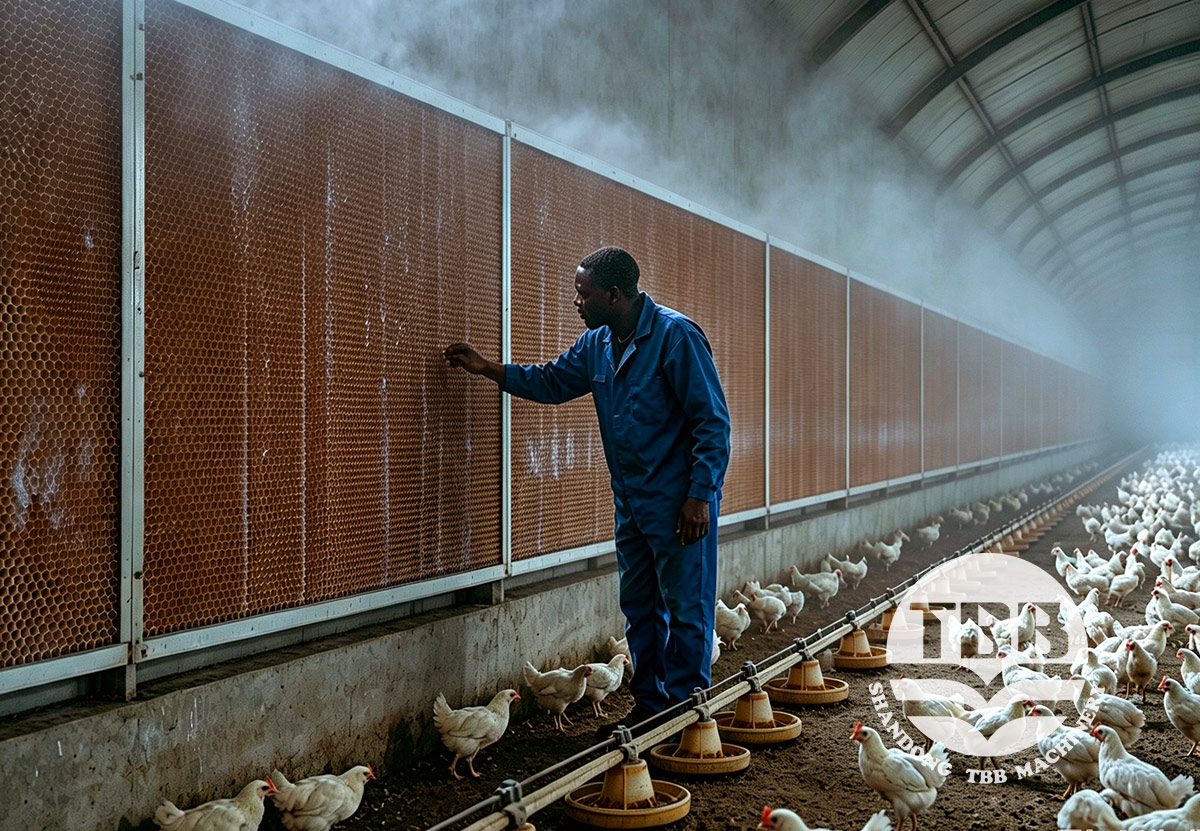
This matters more in Mozambique than in temperate markets because the heat penalty applies to most cycles, not just a few weeks. The government's PROCAVA programme, backed by a US$33 million African Development Bank facility, is explicitly funding hatcheries, feed mills and processing infrastructure, but the house environment is still the grower's own responsibility and the weakest link in the chain.
▶ Practical takeaways for a new house
·Size ventilation for the worst month, not the average. Mozambique's October to November shoulder season is when heat spikes hit the youngest flocks.
·Pair cooling with automatic feeding and drinking so birds can eat during cooler night hours without extra labour.
·Treat biosecurity, foot dips and vaccination against Newcastle and Gumboro as non-negotiable.
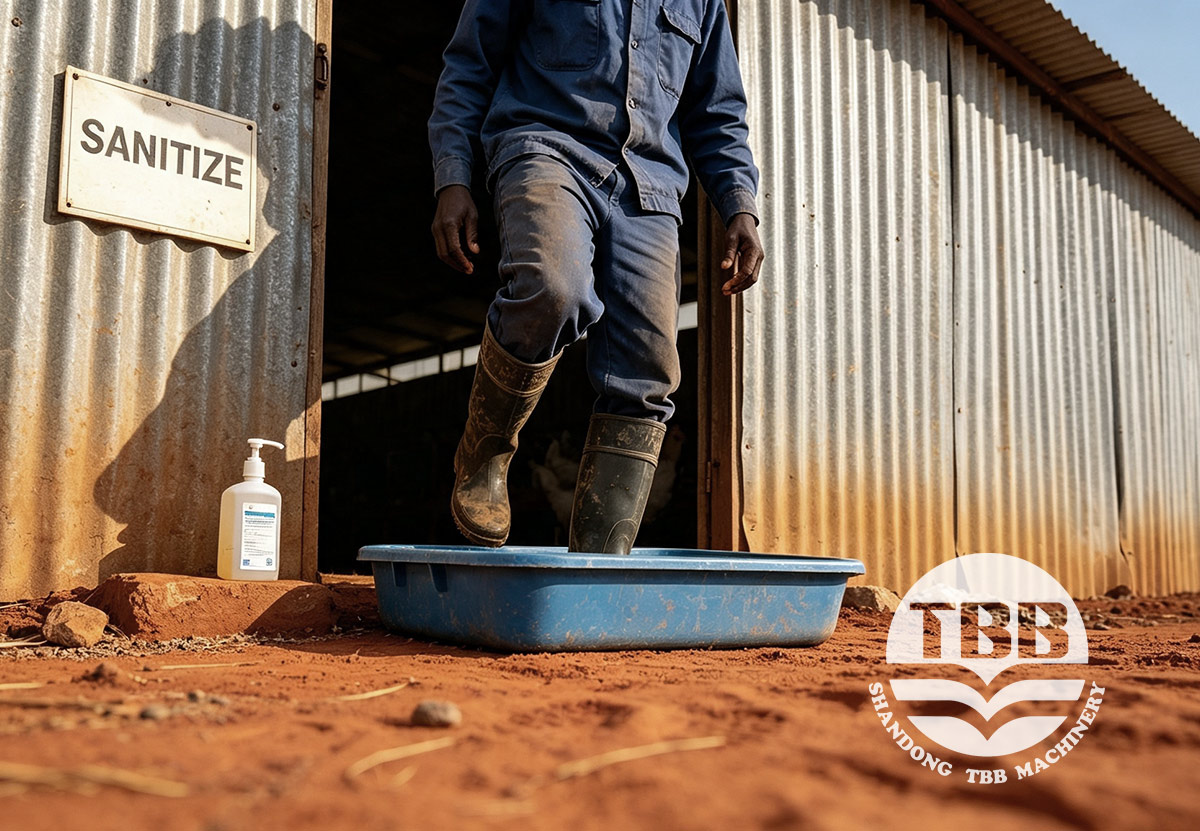
A disease event wipes out far more than a hot week ever will.
·Model your own numbers before borrowing. Local agri-loan rates are high, so a house that loses money in hot months cannot service its debt.
Tobetter supplies tunnel-ventilation systems, evaporative cooling pads, automatic pan feeders and nipple drinker lines sized for tropical broiler houses from Maputo to Chimoio to Nampula. If you are planning a house, the single highest-return decision is usually the environment, not the breed.
Message us for this year's best price.