



News
Uzbekistan Layer Farm: From Import Duty to First Egg in 6 Months
Source: TBBView: 102Uzbekistan Layer Farm: From Import Duty to First Egg in 6 Months
Tashkent, Uzbekistan – Central Asia's poultry sector is changing fast, and Uzbekistan is becoming one of the region's strongest bets for commercial egg production.
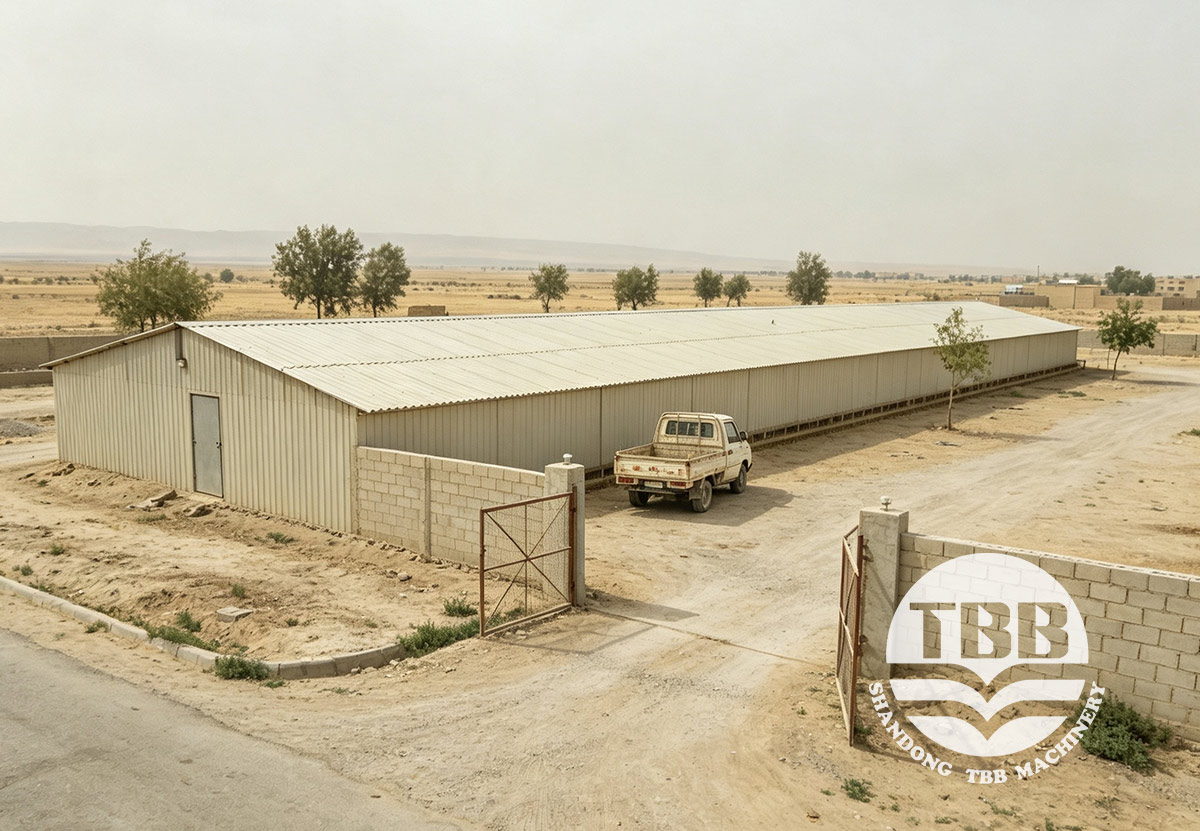
For investors looking at high-yield opportunities, the case is straightforward: poultry equipment comes in with reduced import duty, livestock farms get meaningful tax rebates, and a standard layer cycle puts marketable eggs on the table in under six months.
▶ Duty & Tax Advantages for Layer Farms
Uzbekistan is pushing hard on food security to cut its reliance on imported poultry. The result is a tax and duty setup that works well for modern layer farms. Zero-customs treatment on a defined list of agricultural processing and livestock equipment—plus a 50% VAT cashback for farms that earn over 90% of revenue from egg and poultry sales—brings the upfront cost of a large-scale layer operation down considerably.
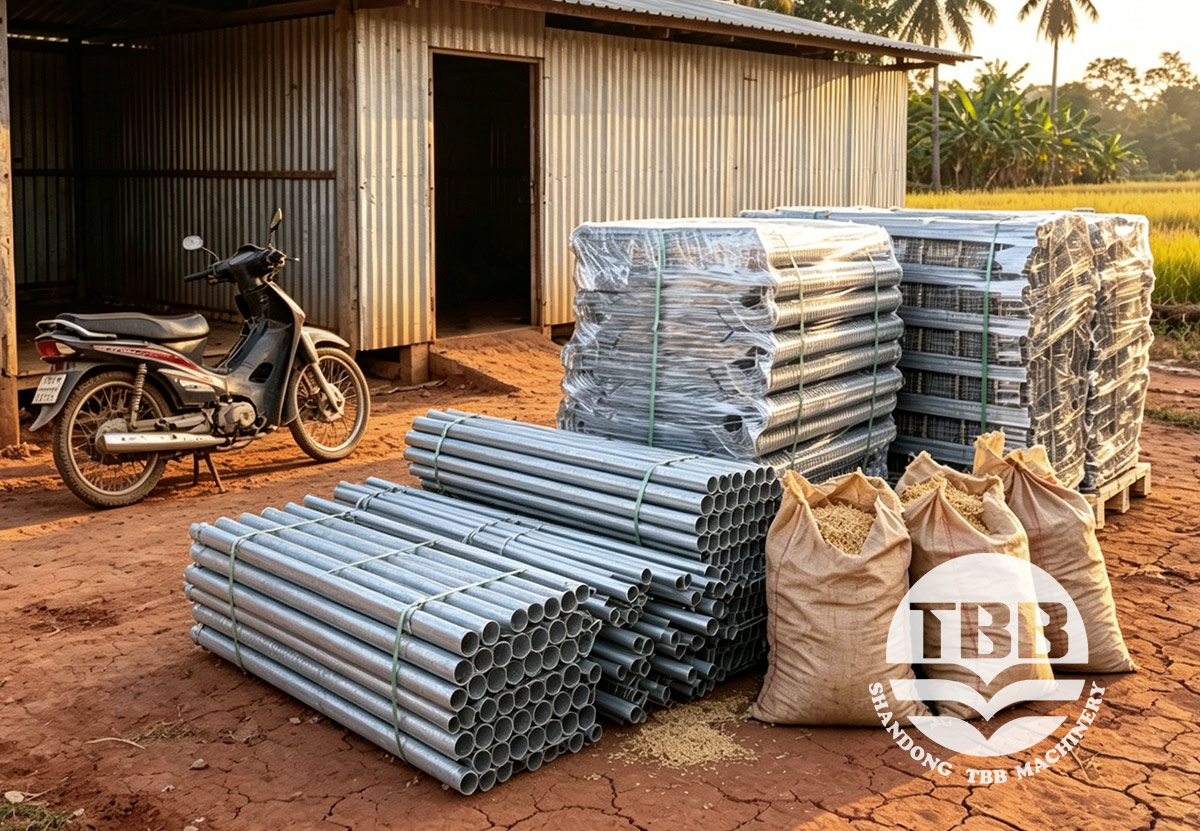
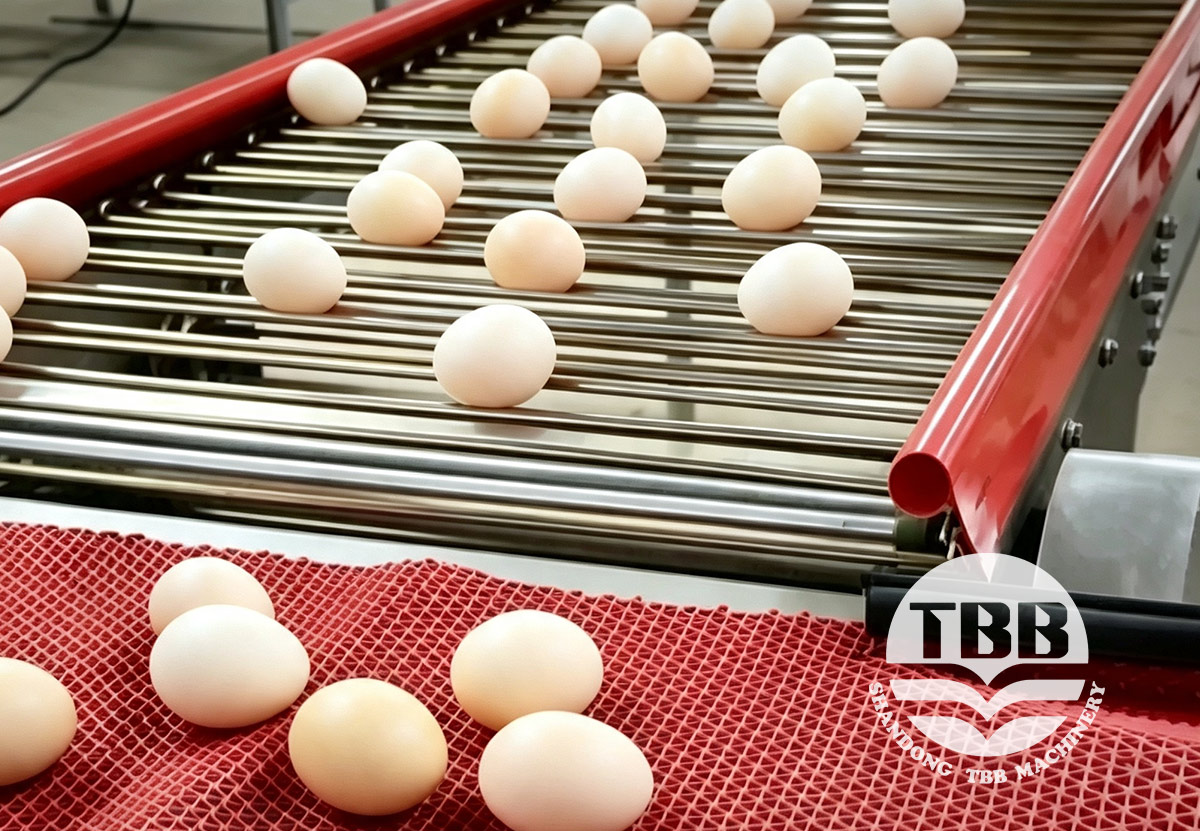
Import duty on layer farm machinery—automatic feeding systems, egg collection conveyors, manure drying equipment—has been cut substantially.
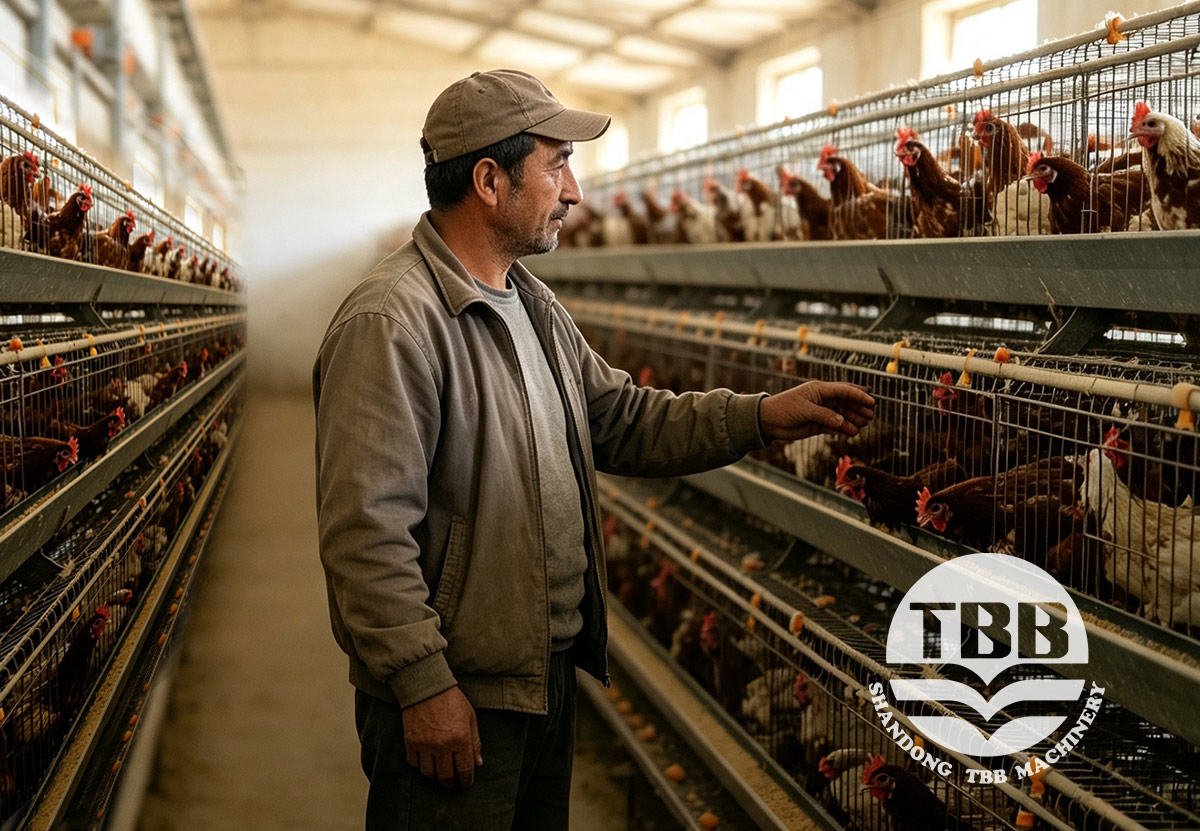
Add the reduced property and profit tax rates that qualifying poultry enterprises can use, and the projected operating margins on new layer farms look better than in most other CIS markets.
Moving early matters. The current duty exemptions and rebates carry sunset dates, so the first movers lock in the bigger savings. Local partners do best when they bring more than money—sound biosecurity and flock-health management count for a lot here.
▶ 6-Month Timeline: Land to First Egg
For anyone weighing poultry layer farming investment in Uzbekistan, the distance from bare land to first egg is short. Commercial layer breeds normally start laying at 18 to 20 weeks. With tight project management—biosecure house construction, automated climate control,
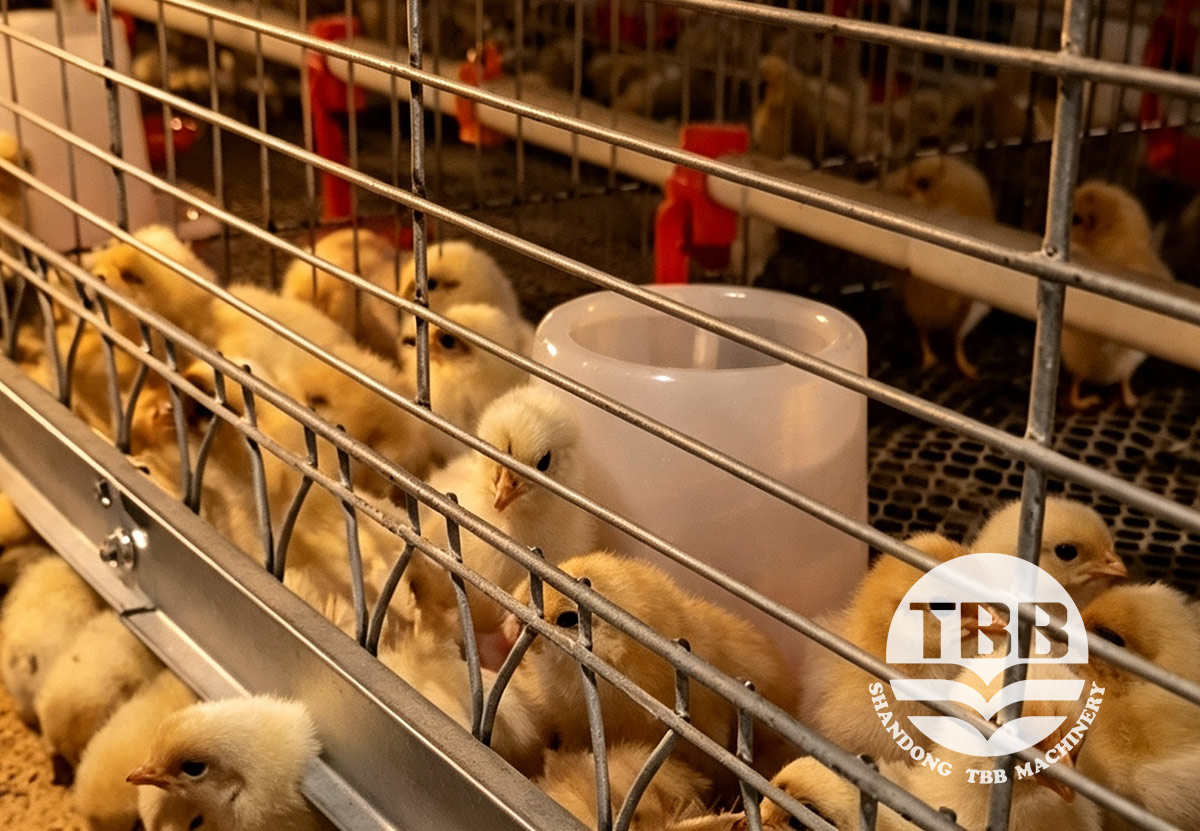
and day-old parent or commercial stock brought in on time—a farm can collect its first commercial-grade eggs within roughly six months of breaking ground.
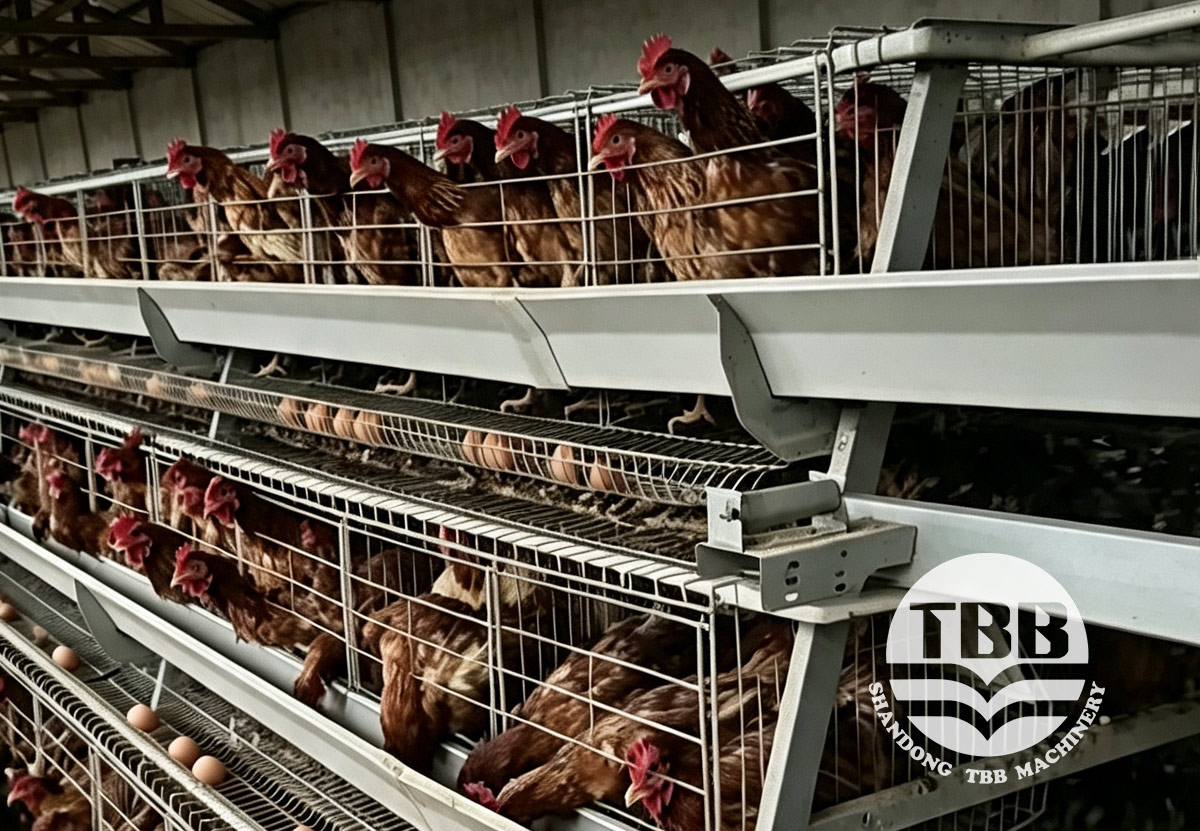
In practice it comes down to four steps: lock your land, bring in automated infrastructure duty-free, place high-performance layer genetics, and roughly six months later you're past the build-out phase and selling eggs.
▶ Operating Costs & Profit Margins
The numbers behind commercial egg production farms in Uzbekistan hold up. On top of the duty savings on imported equipment, day-to-day costs stay manageable thanks to locally grown feed and lower energy tariffs for agricultural producers. The government has also pushed extra soft loan capacity through Microcreditbank, which helps new farms get financed and plugged into existing supply chains.
Uzbekistan's egg consumption keeps climbing, but domestic output still trails the demand from a growing urban population. That gap keeps fresh table eggs in steady demand.
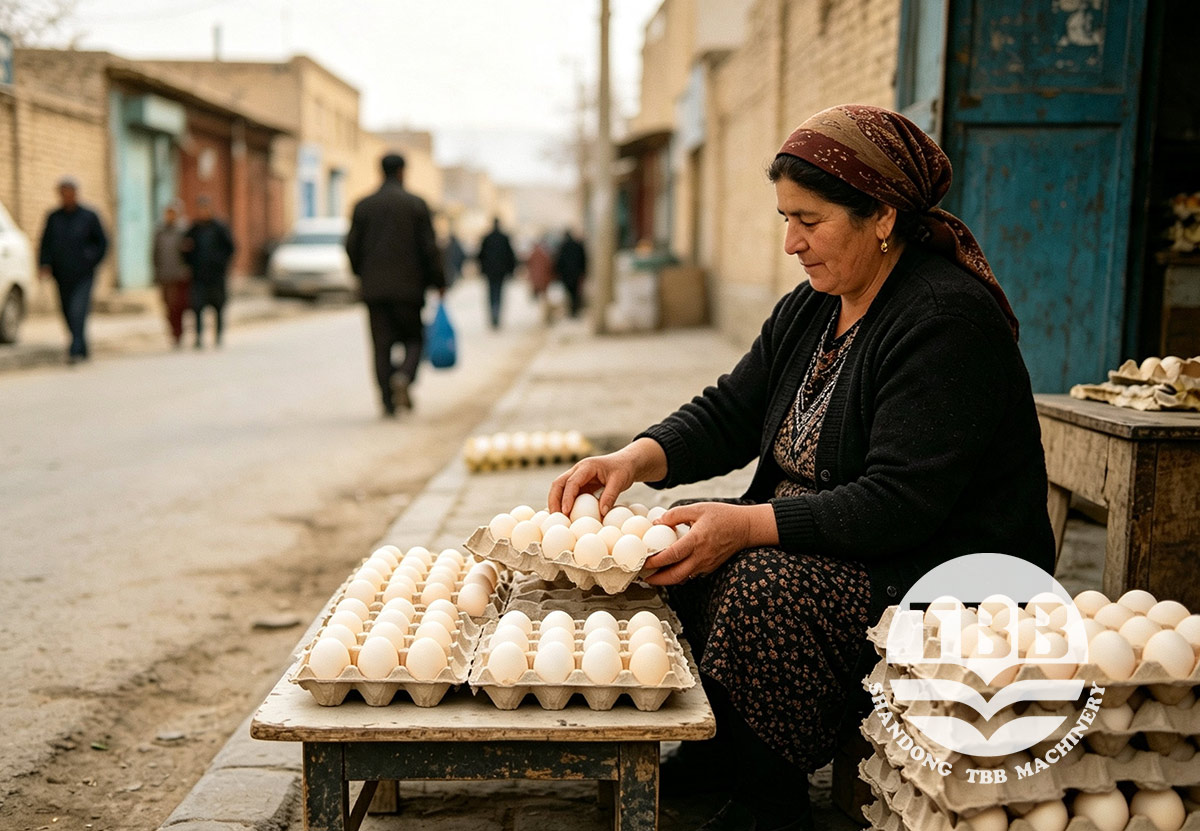
Large integrated poultry complexes are going up across the country, backed by the government and supported by a working system of vet services, feed milling, and cold-chain logistics. For those starting a profitable layer hen business in Uzbekistan, the conditions are about as clear as they get.
▶ Equipment Imports & First-Mover Window
Import duty on layer farm machinery—automatic feeding systems, egg collection conveyors, manure drying equipment—has been cut substantially. The current duty exemptions and rebates carry sunset dates, so the first movers lock in the bigger savings. Local partners do best when they bring more than money—sound biosecurity and flock-health management count for a lot here.
We're holding our most competitive consultation and project management rates for 2026 for serious investors who are ready to move. Get in touch for a tailored feasibility assessment—secure this year's best pricing and let's get your Uzbekistan project off the ground before the window closes.