



News
Second Molt vs Flock Replacement: Which Saves More Money?
Source: TBBView: 165Second Molt vs Flock Replacement: Which Saves More Money?
When egg prices fluctuate and feed costs keep climbing, every poultry farmer faces the same tough call: push your current flock through a second laying cycle or bring in fresh birds? This decision impacts your cash flow, labor hours, and long-term profitability. Let us break down what actually happens when you compare forced molting against flock replacement in commercial layer operations.
Understanding the Second Molt Strategy
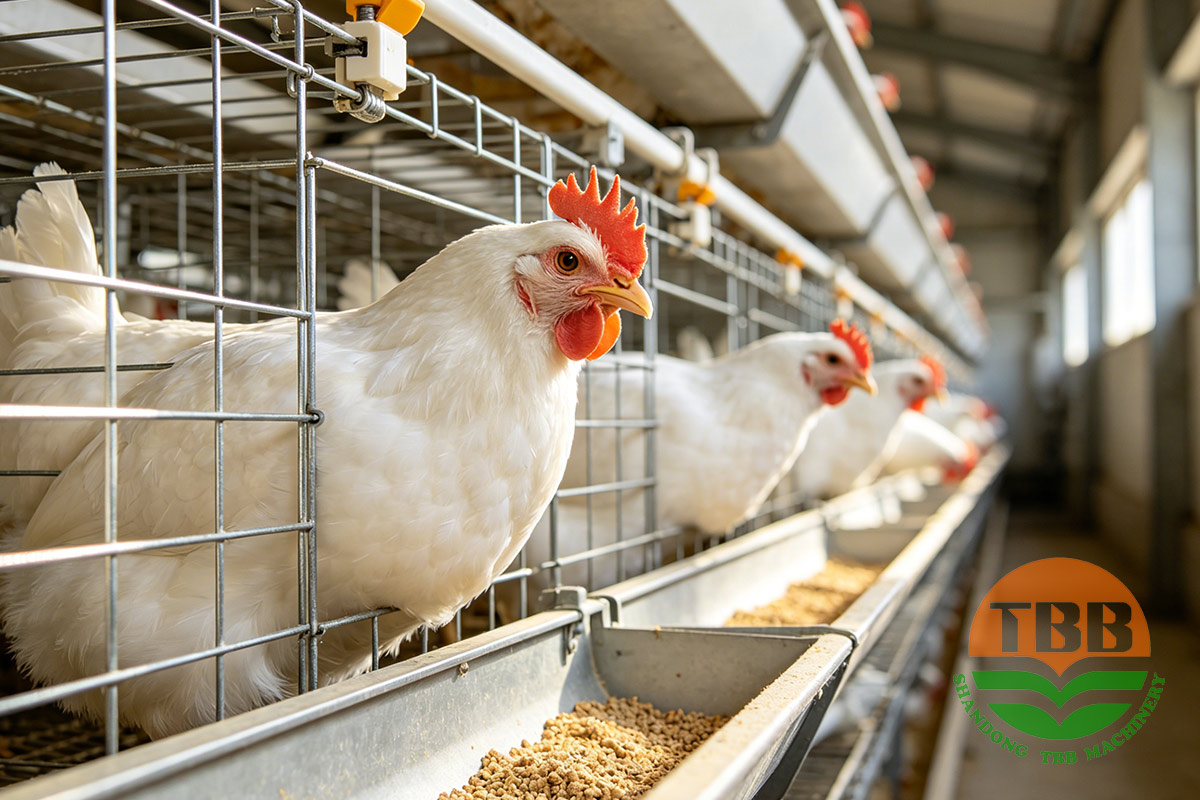
Forced molting, also called induced molting, triggers a resting period for your hens after their first laying cycle ends. By manipulating light exposure and adjusting nutrient intake, you push the flock to stop producing eggs temporarily. Once the rest period completes, the birds enter a second production cycle with renewed shell quality and improved internal egg grade.
The upfront appeal is obvious. You avoid purchasing replacement pullets, eliminate the six-week rearing period, and skip the biosecurity headaches of introducing new stock. For farmers running older cage systems or managing tight capital, this path feels like the practical choice. You keep the birds you know, in the housing you already have, without the disruption of a complete flock turnover.
However, the second molt comes with hidden costs that rarely show up in basic spreadsheets. Feed consumption per dozen eggs increases significantly during the second cycle. The birds are larger, their metabolic efficiency drops, and maintenance energy requirements climb. Mortality rates typically rise too, cutting into your effective flock size just when you need consistent production volumes.
The Real Economics of Flock Replacement
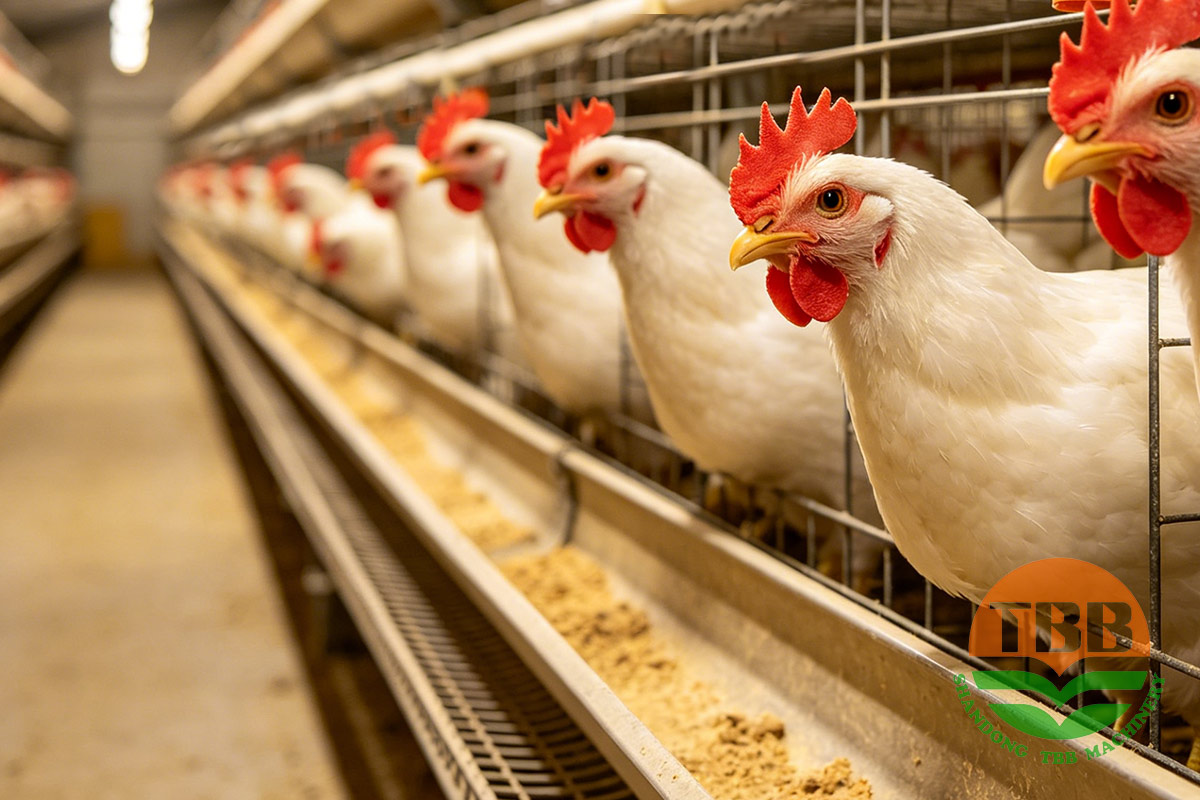
Bringing in a new flock means investing in point-of-lay pullets or day-old chicks if you operate your own rearing facility. The initial outlay stings, especially when pullet prices trend high. Add in vaccination programs, transportation, and the inevitable learning curve as young birds adjust to your specific cage layout and water systems.
Yet replacement flocks deliver advantages that compound over time. Peak production percentage runs higher in first-cycle hens. Eggshell strength stays superior throughout the laying period, reducing cracks and downgrades that eat into your revenue. Feed conversion ratios remain tighter, meaning less feed cost per kilogram of eggs produced.
Modern layer genetics have improved dramatically. Today's commercial hybrids reach maturity faster, maintain longer peaks, and show better persistency than breeds available even five years ago. Starting fresh lets you capture these genetic gains immediately rather than carrying older genetics through an extended production period.
Comparing Long-Term Profitability
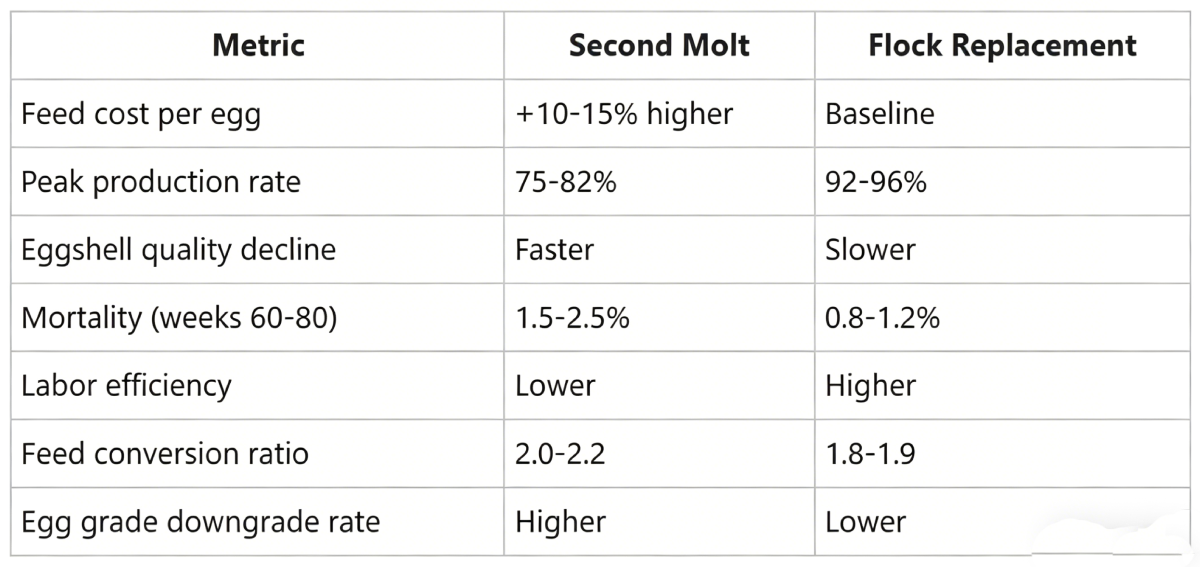
Feed represents sixty to seventy percent of total production costs in most layer operations. When second-cycle hens consume ten to fifteen percent more feed per egg, that margin erosion adds up fast. Over a twelve-month second cycle, the cumulative feed cost difference often exceeds the savings from avoiding pullet purchases.
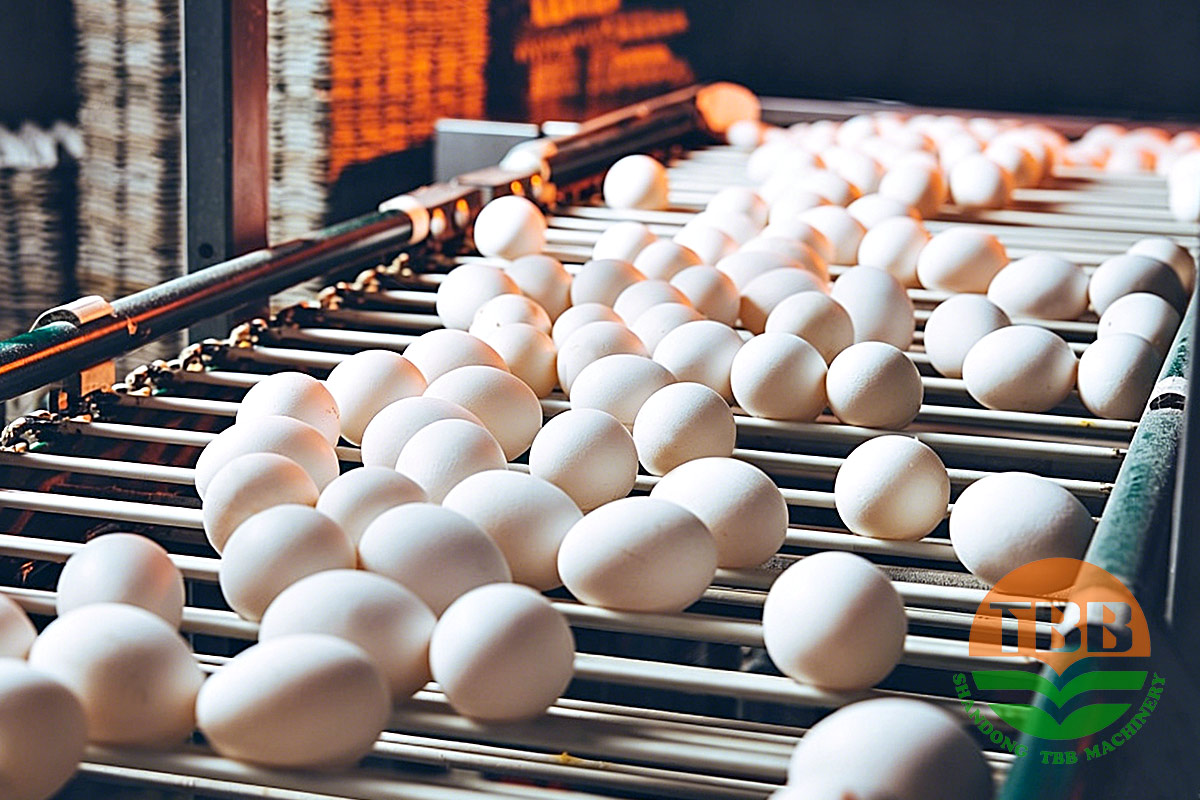
Egg quality metrics tell a similar story. Haugh unit scores decline more rapidly in second-cycle flocks. Shell thickness decreases, leading to higher percentages of cracked eggs during collection and grading. For operations supplying breaking plants or premium retail markets, these quality penalties translate directly to price deductions or rejected loads.
Labor efficiency favors replacement as well. Younger birds adapt better to automated feeding systems and nipple drinkers. They move more freely through cage rows, reducing the time staff spend checking individual birds. Health monitoring becomes simpler when the entire flock shares the same age and vaccination history.
Equipment and Housing Considerations
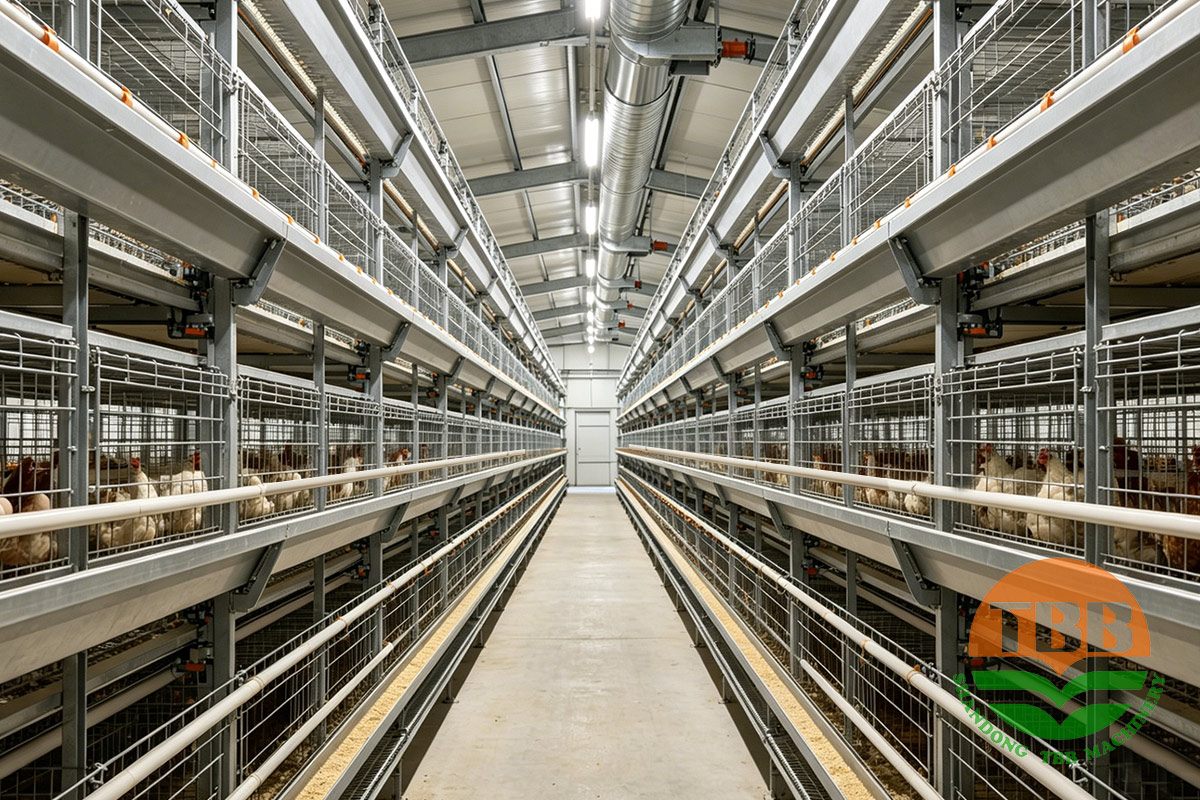
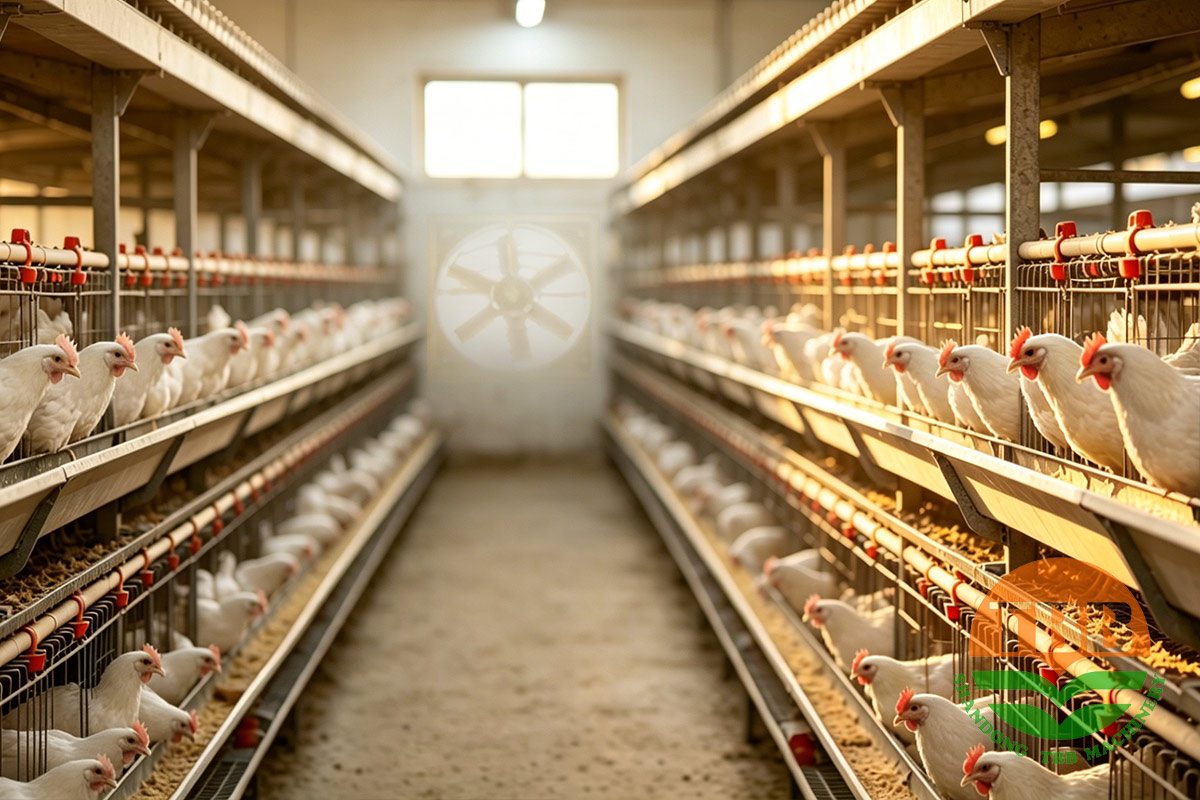
Your cage infrastructure plays a major role in this decision. Older A-type layer cage systems may lack the durability to handle the extended occupancy that forced molting requires. Hot-dip galvanized poultry cage equipment maintains structural integrity longer, but even quality steel faces wear when birds stay in place for eighty-plus weeks.
If you are running H-type layer cage configurations with automated egg collection and manure removal, the calculus shifts slightly. These systems handle longer cycles better because labor savings offset some of the production efficiency losses. Still, the fundamental biology remains: younger birds outperform older ones on nearly every metric.
Manure management presents another factor. Extended flock cycles generate more total waste per bird, increasing the frequency of manure belt cleaning or pit emptying. Ammonia levels can rise in older houses, affecting both bird welfare and worker safety if ventilation systems were not sized for extended occupancy periods.
Regional Market Factors
Egg market conditions in your area heavily influence the optimal choice. When shell egg prices spike during supply shortages, pushing flocks through a second cycle captures immediate revenue that might outweigh efficiency losses. Conversely, in oversupplied markets where every cent of cost matters, the superior economics of young flocks become decisive.
Feed ingredient availability matters too. Regions dependent on imported soybean meal or corn face greater price volatility. When feed costs surge, the efficiency advantage of replacement flocks widens dramatically. Local sourcing of alternative proteins can mitigate this, but formulation expertise varies widely between operations.
Climate and seasonal patterns affect the decision as well. In tropical regions where heat stress already challenges production, older birds struggle more during peak summer temperatures. The combined stress of age and environment pushes mortality higher and production lower, making replacement the safer financial bet.
Making the Call for Your Operation
There is no universal right answer. A farm with excellent biosecurity, modern housing, and strong feed conversion tracking might profitably extend flock life. Another operation with aging equipment, limited labor, or premium market contracts probably benefits from aggressive replacement schedules.
The key is running your own numbers honestly. Track feed consumption per hen housed, not just per egg produced. Monitor mortality weekly, not just at cycle end. Calculate the true cost of downgraded eggs and rejected loads. Factor in the management attention that older flocks demand during health challenges.
Consider your market position too. If you supply institutional buyers with strict quality specifications, second-cycle eggs may face acceptance penalties that wipe out any cost savings. Direct-to-consumer sales through farm shops or local markets offer more flexibility on shell quality variations.
Conclusion
For most commercial layer operations, flock replacement delivers stronger lifetime profitability than forced molting. The combination of superior feed efficiency, better egg quality, and lower mortality creates value that compounds across multiple production cycles. The upfront investment in quality pullets pays dividends in reduced labor, fewer health interventions, and more predictable cash flows.
That said, strategic use of second molt programs makes sense in specific circumstances: temporary capital constraints, extreme pullet supply shortages, or unique market timing opportunities. The key is entering that choice with eyes open to the true costs, not just the apparent savings.
If you are evaluating your flock management strategy or planning new housing investments, we can help you model the specific economics for your operation. Our team has supported layer farms across Southeast Asia, Africa, and Central America in optimizing their replacement schedules and cage system configurations.
Reach out now for a free consultation. Mention this article and we will lock in the best pricing of the year on your next equipment order. This offer expires soon, so do not wait to secure your quote.