



News
Kazakhstan Poultry Subsidy Reforms 2026: A Practical Guide for Broiler and Layer Investors
Source: TBBView: 65Kazakhstan Poultry Subsidy Reforms 2026: A Practical Guide for Broiler and Layer Investors
Kazakhstan has emerged as one of the most heavily supported poultry markets across Central Asia. If you plan to build or expand a broiler or layer farm in the country, investment conditions have turned favourable over the past 12 months. Two major changes drive this shift: updated subsidy regulations effective June 2025, and the new 2026–2030 Livestock Development Programme offering long-term low-cost financing. This guide breaks down available government support and explains how suitable farming equipment helps investors fully capitalise on subsidies to run a profitable commercial farm.
▶ The New Subsidy Framework
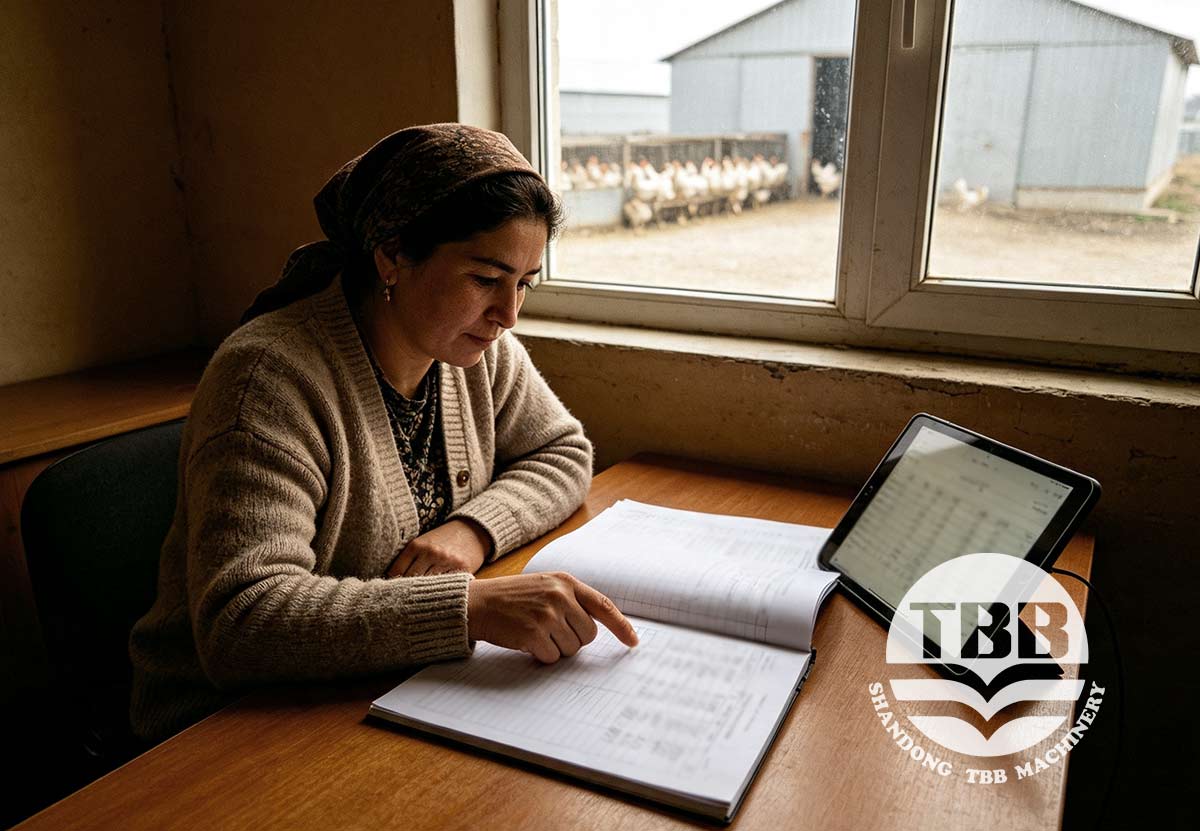
The revised Rules for Subsidizing Livestock Farming entered into force on 12 June 2025. The core adjustment links subsidies directly to measurable output, phasing out payments for unverified inputs. All farm operators and agricultural enterprises must submit documentation to prove production results; access to public funding depends on maintaining or boosting annual production value.
For meat poultry, production reimbursements operate on a tiered volume scale:
80 tenge/kg: annual output ≥ 15,000 tonnes
70 tenge/kg: annual output ≥ 10,000 tonnes
60 tenge/kg: annual output ≥ 5,000 tonnes
50 tenge/kg: annual output ≥ 500 tonnes
Based on an exchange rate of roughly 450 tenge per US dollar, the top tier equals approximately 18 US cents per kilogramme. While the per-kilogramme rate looks modest, the cumulative benefit is substantial for large-scale operations.
Additional support covers breeding stock: 600 tenge per day-old parent and grandparent chicks. Egg producers receive 60 tenge per qualified laying pullet sourced from breeding flocks.
Important update for budgeting: Reimbursement for capital expenditure (CapEx) on poultry farm construction and modernisation rose from 25% to 40% in February 2025. Many outdated industry materials still quote the old 25% rate — always use the updated 40% figure for project financial planning. Hatching-egg support is also available at rates published by the agriculture ministry.
▶ Low-Cost Financing: The Key to Farm Development
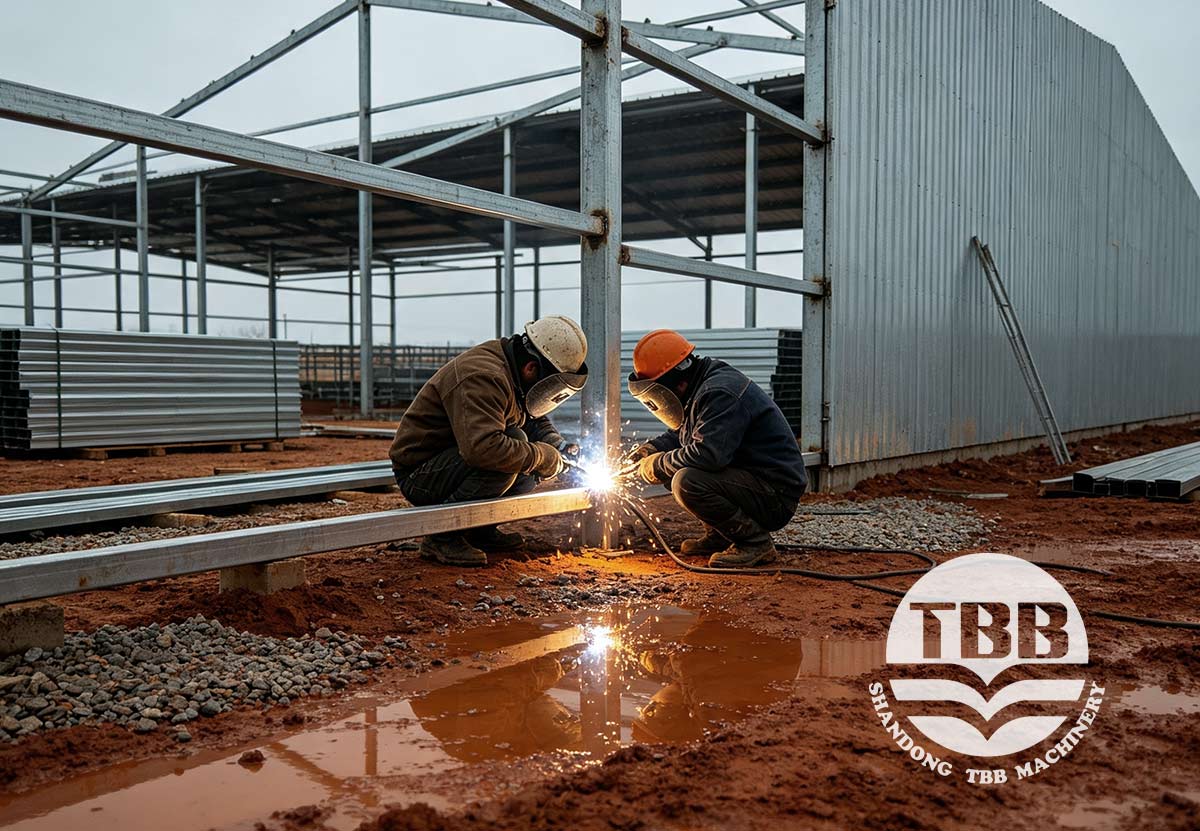
Production subsidies deliver extra revenue, yet preferential loans make new farm construction feasible. Under the 2026–2030 Comprehensive Livestock Development Plan:
6% annual interest rate for farm investment projects
5% annual interest rate for feedlot working capital
Loans are distributed via the Development Bank of Kazakhstan with guarantees under the Damu scheme.
The state also covers 80% of premiums for voluntary poultry and livestock multi-risk insurance. Policies offer protection against infectious diseases, fire, natural disasters and accidents. Applications can be submitted online through the Kezekte.kz agricultural insurance platform.
The combined package — 5–6% soft loans, up to 40% CapEx reimbursement and 80% insurance subsidy — greatly improves project cash flow. Total funding allocated under the 2026–2030 livestock development plan is projected to exceed 1 trillion tenge.
▶ Government Policy Objectives: Food Self-Sufficiency
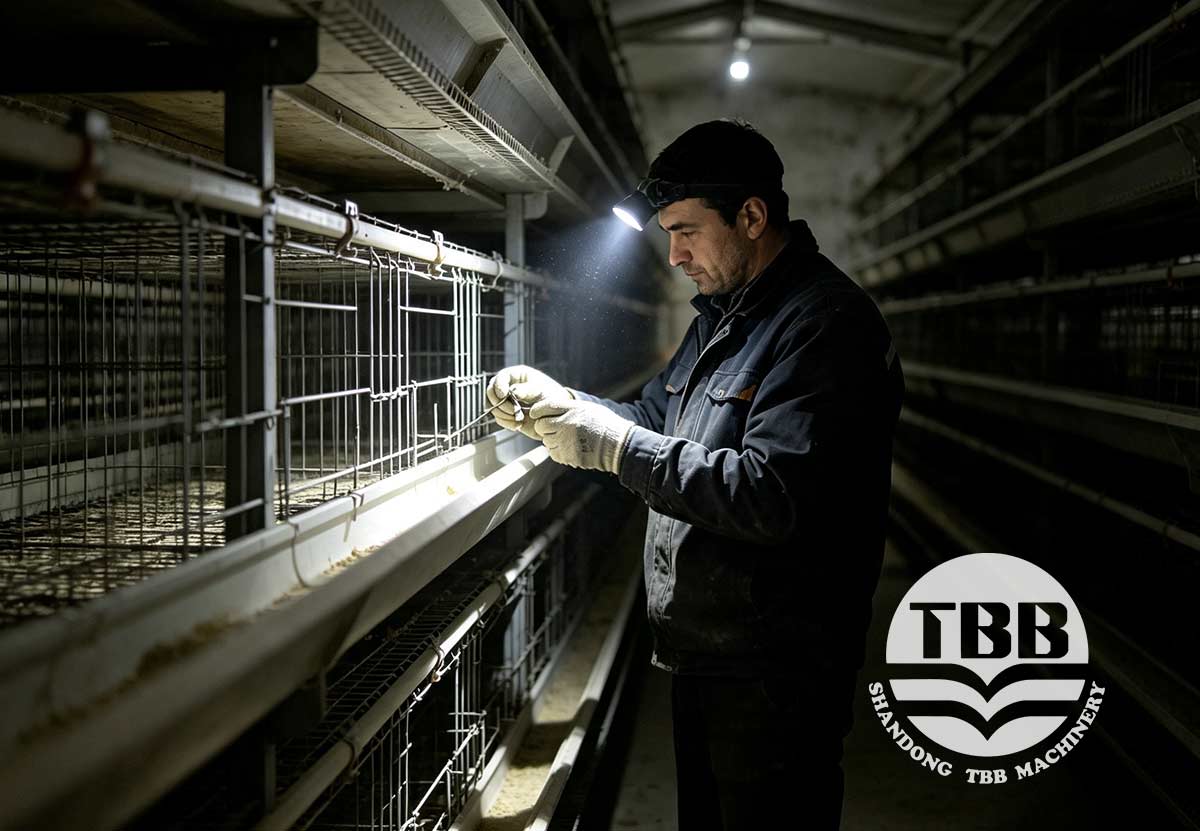
The incentive scheme targets national food security rather than standalone financial aid.
Kazakhstan produced roughly 372,000 tonnes of broiler meat in 2025 (up from 360,000 tonnes in 2024), alongside imports of around 136,300 tonnes poultry meat. Domestic self-sufficiency reached 80% in 2025, compared with 67% in 2022. Officials aim to achieve 100% self-sufficiency for poultry meat by 2027. Kazakhstan signed a poultry meat export protocol with China in 2025 to open overseas markets.
Egg supply is nearly self-reliant: national output hit 4.56 billion eggs in 2025, satisfying 98% of domestic demand. This explains the proposal for a temporary ban on fresh egg imports in 2026 to shield local producers.
As of early 2025, Kazakhstan operates around 70 commercial poultry farms — roughly 34 layer farms, 29 broiler farms and 7 breeding operations. Most facilities run below full capacity; modernisation alone could lift national output by approximately 30%. The gap between current 80% self-sufficiency and the 100% target creates clear opportunities for new investors and existing farm expansions.
▶ Equipment Determines Whether You Qualify for Top-Tier Subsidies
The tiered production bonus means investors can only access the higher 60–80 tenge/kg rates with annual output above 5,000 tonnes. Reaching this scale relies on efficient farm operation.
A well-designed cage system equipped with automatic feeding & drinking lines, manure removal belts and stable climate control maintains consistent flock performance and reduces labour costs — critical to hitting required production volumes. Poorly equipped farms face excessive mortality and costly reworks, wasting potential subsidy income. For broiler farm investments in Kazakhstan, equipment selection, not government grants, separates farms that reach maximum subsidy brackets from those that fall short.
Recommended strategy for investors:
Design farm capacity to match subsidy tiers (minimum 5,000 tonnes annual output to qualify for 60–80 tenge/kg rates)
Fund building works and equipment via the 5–6% preferential loan
Claim the updated 40% CapEx reimbursement
Take advantage of the 80% state insurance subsidy (investor covers only 20% of premiums)
Prioritise high-throughput equipment instead of low upfront prices
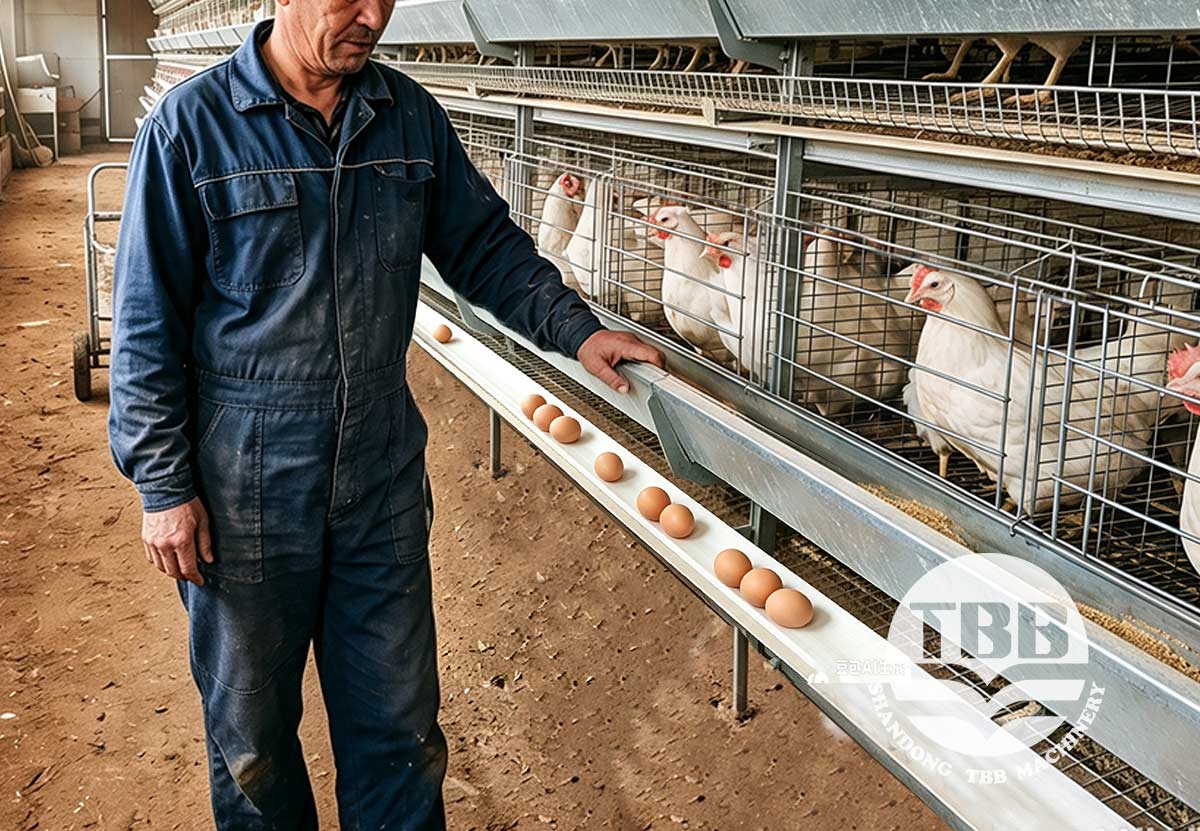
Layer operations require reliable cage setups and automated egg collection systems. Broiler farm profitability hinges on consistent feed supply, water access and precise environmental control.
▶ Next Steps & 2026 Core Policy Summary
If you are evaluating a broiler or layer project in Kazakhstan during 2026, align your planned production volume with official subsidy tiers and build your budget around the updated policy terms. Government support and favourable financing are currently available, yet benefits only reward professionally designed, high-output poultry farms.
2026 Core Policy Summary
CapEx reimbursement: Up to 40% (increased from 25%)
Preferential loan: 5% (working capital) / 6% (investment projects)
Insurance subsidy: State covers 80% of insurance premiums
Production subsidy: 50–80 tenge/kg based on annual output
Parent/grandparent day-old chicks: 600 tenge per head
Finished laying pullets: 60 tenge per head
Strategic target: 100% poultry meat self-sufficiency by 2027
Tobetter supplies complete cage systems, automatic feeding & drinking equipment, manure belts and climate control solutions tailored for commercial poultry houses. We have outfitted multiple export-orientated livestock farms across Central Asia.
Contact us to receive customised farm layout design and quotation optimised for Kazakhstan’s 2026 subsidy policy and secure competitive pricing this year.