



News
Zambia Broiler Profit Per Cycle: What the 2025 Numbers Show — and the Equipment That Moves Them
Source: TBBView: 93Zambia Broiler Profit Per Cycle: What the 2025 Numbers Show — and the Equipment That Moves Them
A national survey of Zambian small broiler farms, published in 2025, found something worth sitting with: the average operation clears about ZMW 5,932 per production cycle. Batches run around 292 birds. Farmers turn the house over roughly 6.3 times a year. And mortality sits at 7.59% on deep litter.
Those are real figures, not brochure math — they come from a peer-reviewed study covering smallholders across ten provinces. The number that should catch your eye isn't the profit. It's the mortality, and the model behind it.
▶ The floor is the bottleneck
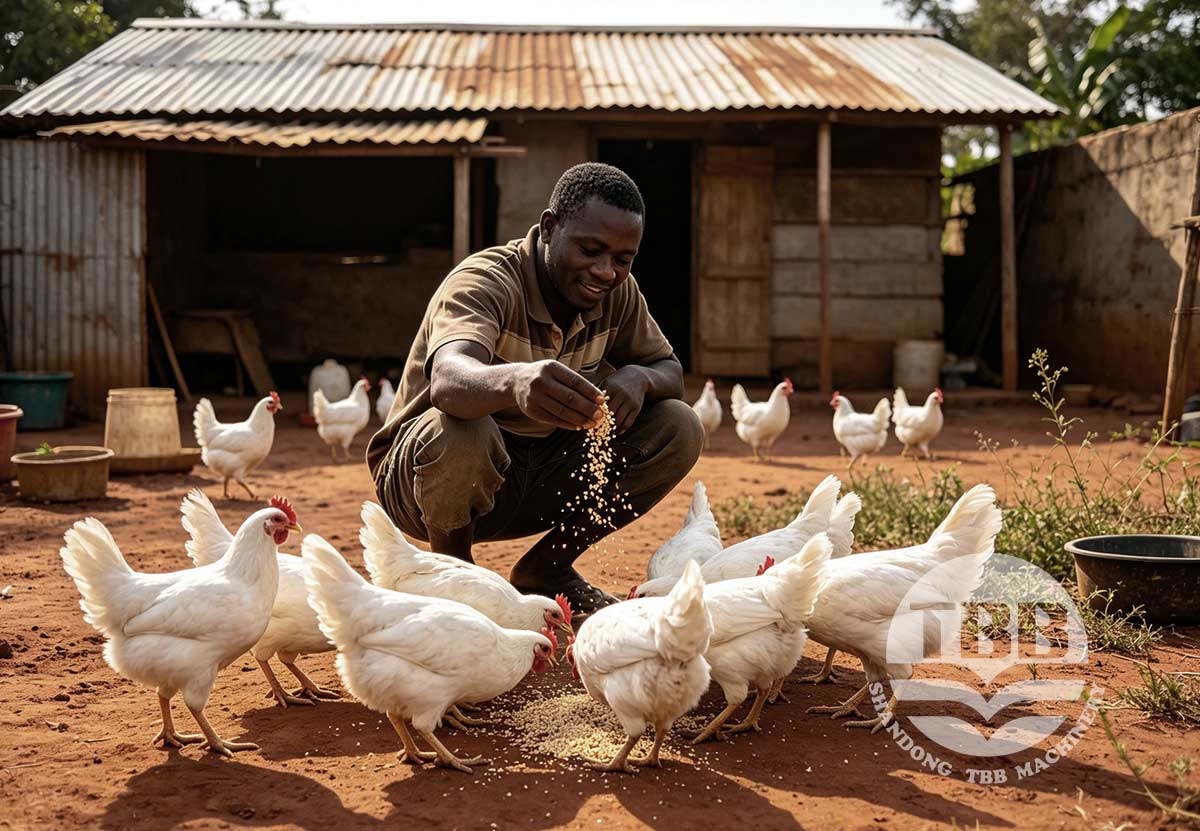
Most of these farms run deep litter in a backyard house. It works, and it's also where the money leaks. Labour is manual — feeding, watering, clearing wet spots by hand. Disease pressure builds in the litter. Birds crowd for space. At 7.59% mortality, roughly 22 of every 292 birds never reach the market.
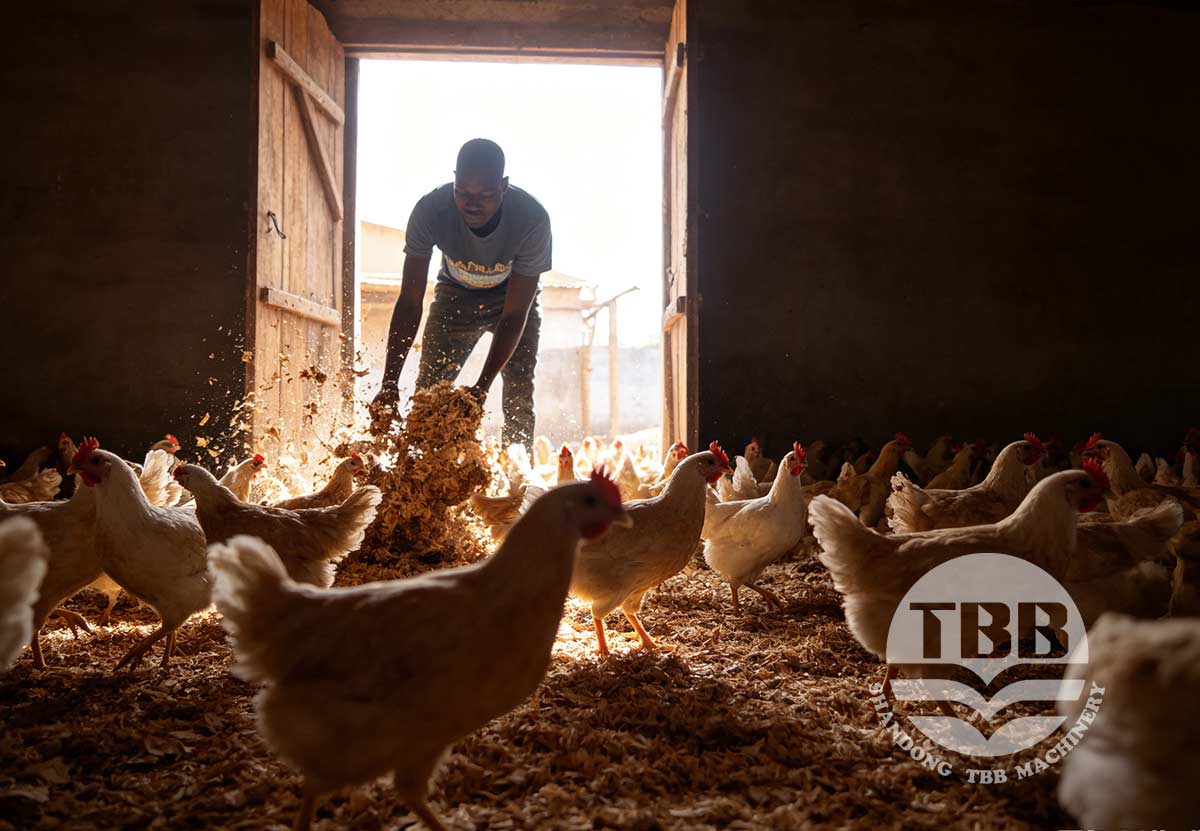
You can tweak the feed. You can chase a better chick price. But the structure of the house decides most of what's left on the table.
▶ What a broiler cage system actually changes
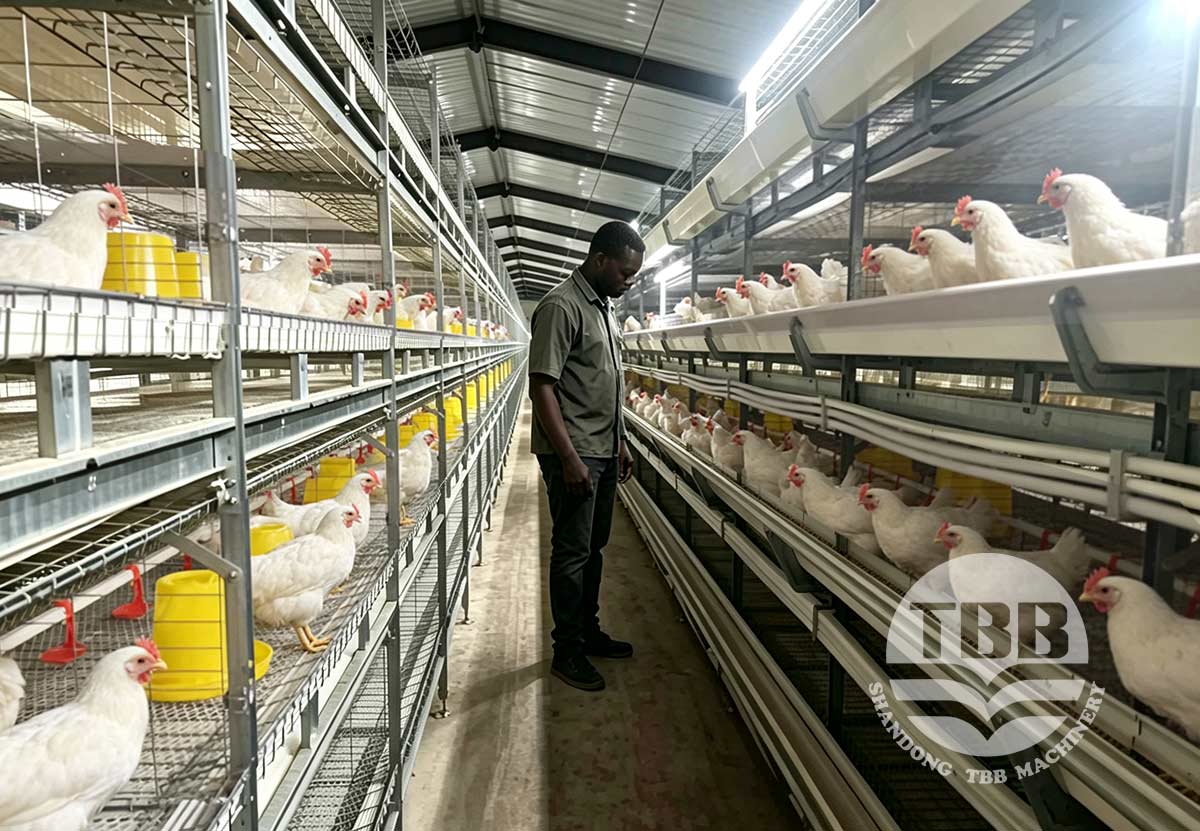
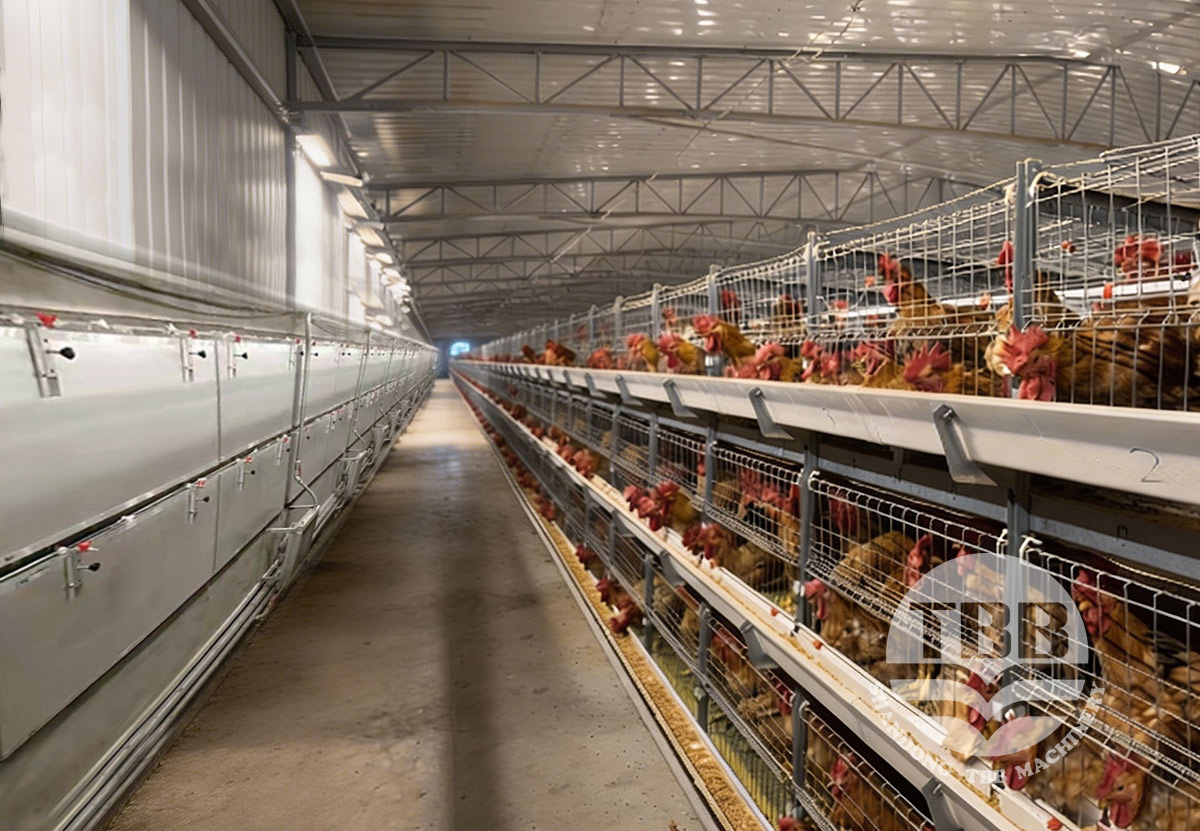
A broiler cage system takes the birds off the litter. One move changes four things at once:
· Density. Cage houses run several times the birds per square metre of a deep-litter floor, so the same land turns out more cycles a year.
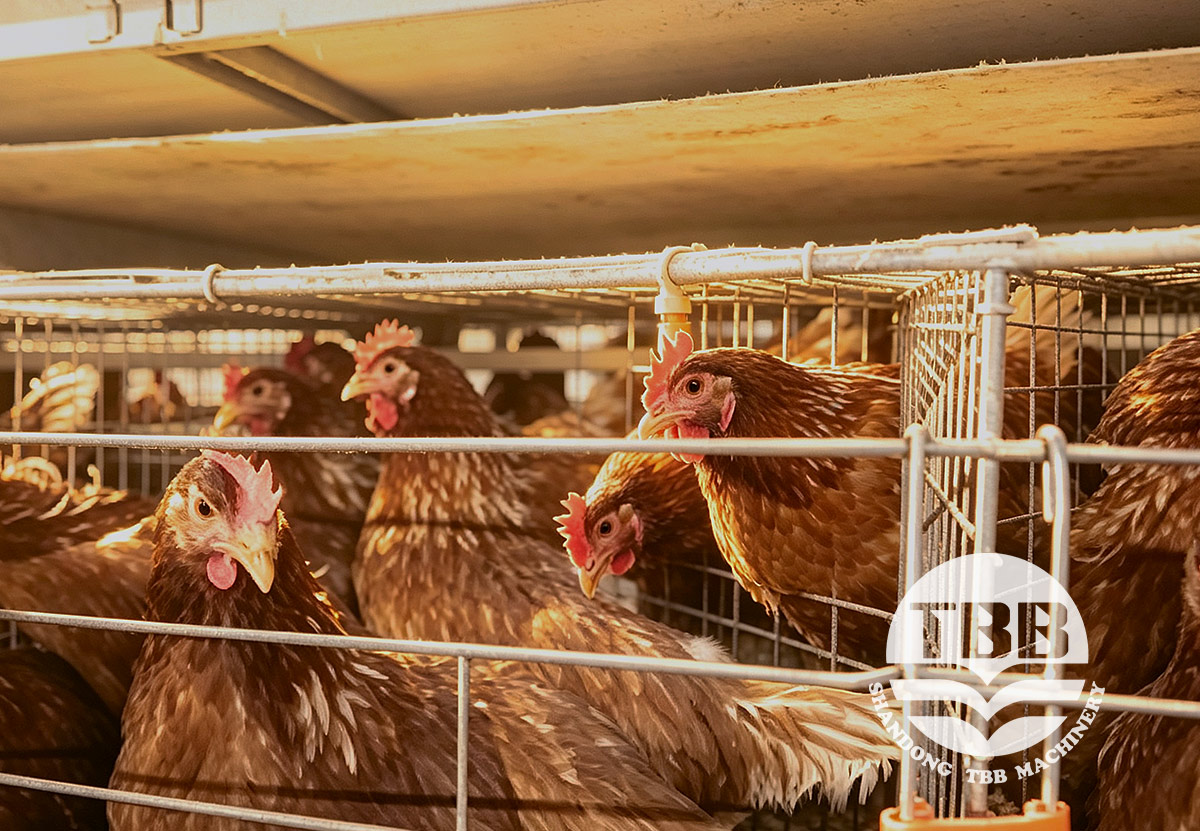
· Mortality. Birds separated from manure don't pick up the litter-borne infections that hold smallholders in the 7–8% band. Cage broiler houses we've supplied commonly land in the 3–5% range.
· Labour. Feed and water run on one line; one person covers far more birds than a litter floor allows.
· Manure. It drops to a belt instead of baking into the floor, so house turns are faster and the next batch starts cleaner.
▶ Why it ships knock-down
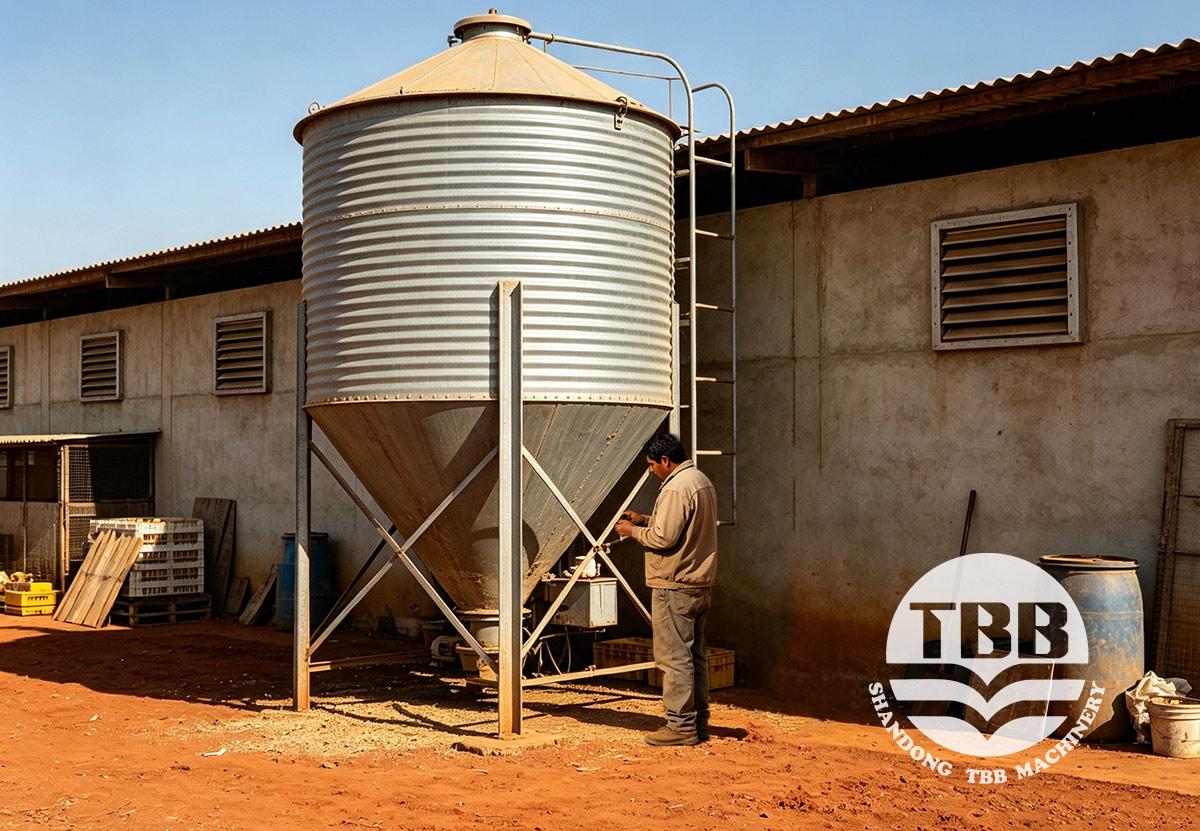
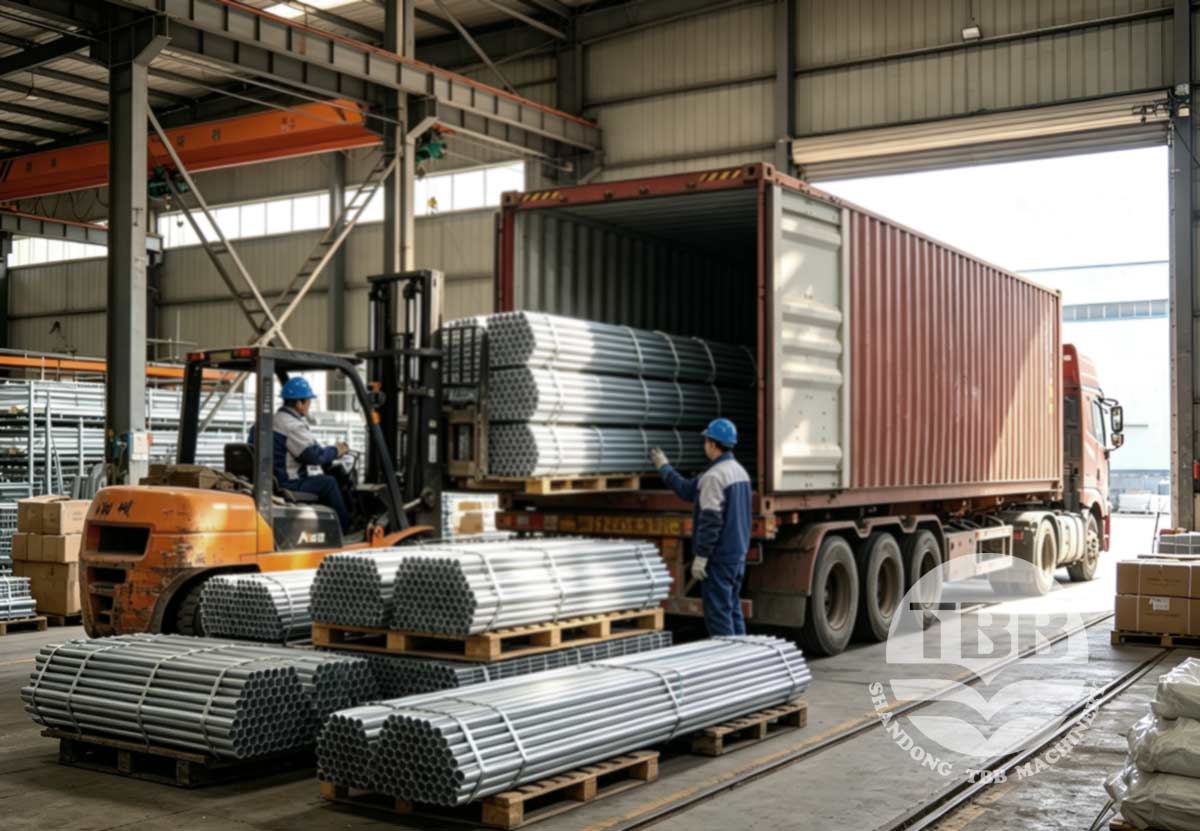
The system travels flat-packed: frames, cages, feeders, drinkers and the manure belt, with the drawings and install guidance. You assemble on site. For a landlocked market like Zambia, where freight comes in through Dar es Salaam or Walvis Bay, flat-pack parts mean you're not paying to ship empty container space — the volume saved is freight saved.
▶ Run the math on the study's own numbers
Take the study's 292 birds per cycle and its ZMW 120–150 whole-bird price. Pull mortality from the reported 7.59% down to a 4% cage-house band. That's about 10 more birds sold every cycle. At the low end that's roughly ZMW 1,200 extra per cycle; times 6.3 cycles, around ZMW 7,500 a year from mortality alone — before you count the extra density and the hand-labour you stop paying for.
That's an illustration, not a promise about a specific Zambian farm. But every input is a number the 2025 study already published. The lever is real; the size of the move is yours to measure.
▶ Before you switch houses
Cages don't fix a weak water line or a power cut. Check three things first: steady water pressure for the drinker line, reliable power for the feed motor, and a biosecurity gate so you're not carrying disease between batches. Get those right and the system pays back out of the part you were losing anyway. Operators who've made the switch typically recover the equipment inside the first 12–18 months.
▶ FAQ — Zambia broiler cage questions
Do broiler cages work in Zambia's heat?
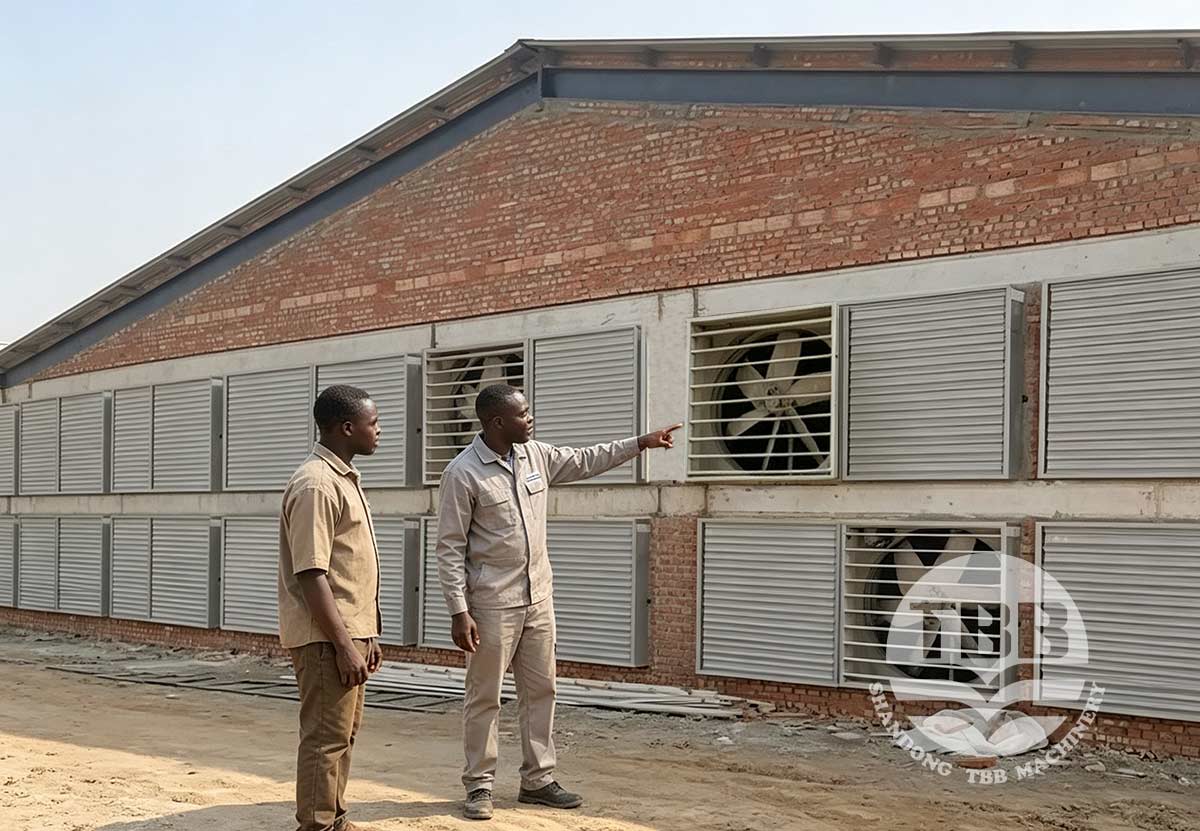
They do, with ventilation built into the plan. A cage house traps less moisture than deep litter, but it needs airflow — Tobetter's layout guidance covers fan and inlet spacing for hot climates.
How much does a broiler cage system cost in Zambia?
It's quote-based: cage size, tiers and freight to your port decide it. Because it ships knock-down, you're paying for steel, not empty container space.
Deep litter or cage — which is better for a small Zambian farm?
If you're at 292 birds a cycle and happy, litter is fine. If you want more cycles on the same land without more hands, the cage system is the lever.
Can I assemble it myself?
Yes. The drawings and install guidance ship with the system, and many clients put it together with a local team — no outside crew required.
Want the layout and a knock-down equipment quote for your house? Message us for this year's best price.