



News
Why Lagos Layer Farmers Are Moving to Automated Battery Cages in 2026
Source: TBBView: 177Why Lagos Layer Farmers Are Moving to Automated Battery Cages in 2026
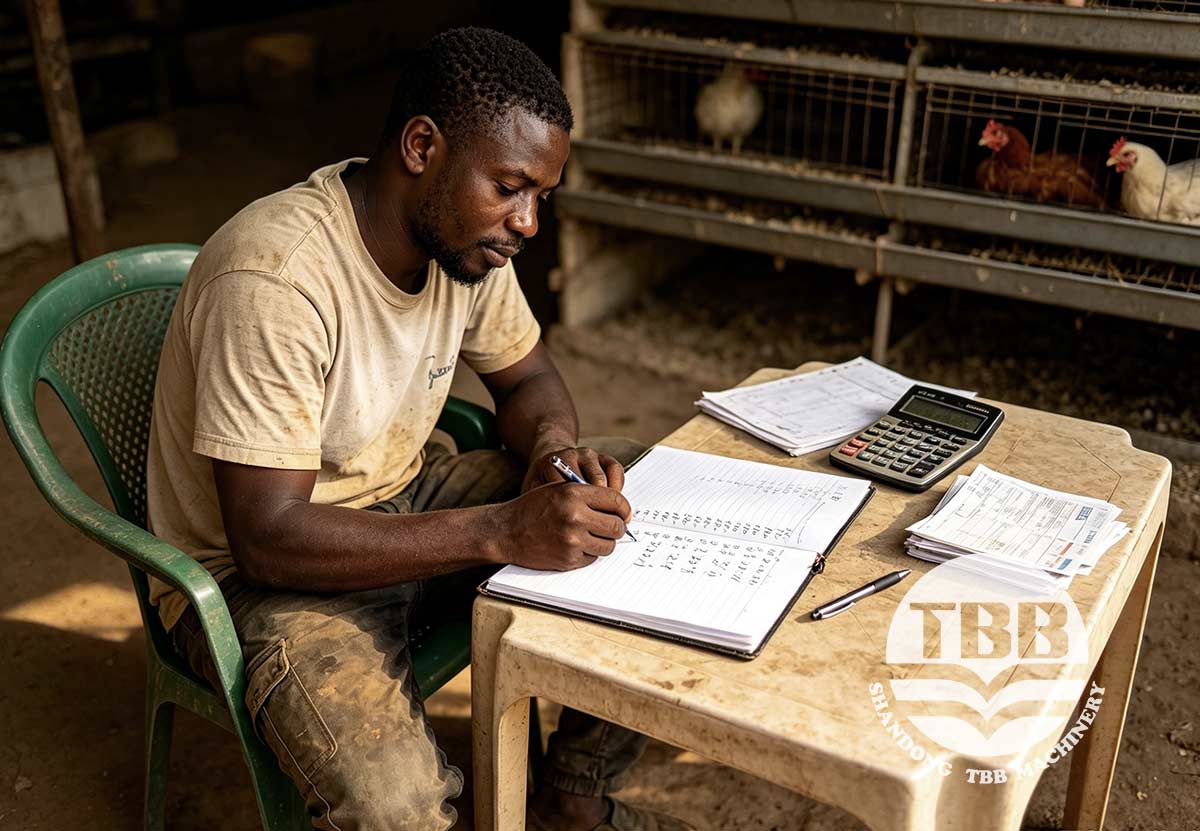
Egg prices in Lagos have rarely been stronger — farm-gate crates cleared around ₦5,500 in 2026 — yet many layer farmers are earning less, not more. The squeeze is input cost: feed alone is 65 to 70 per cent of production, and a day-old chick now runs roughly ₦3,300, up from about ₦1,800 a year earlier. When the things you buy keep getting dearer, the lever you actually control is how efficiently your house converts feed into sellable eggs. For most Lagos operators, that decision now starts and ends with the cage system.
▶ Why Lagos Farmers Are Switching to Battery Cages
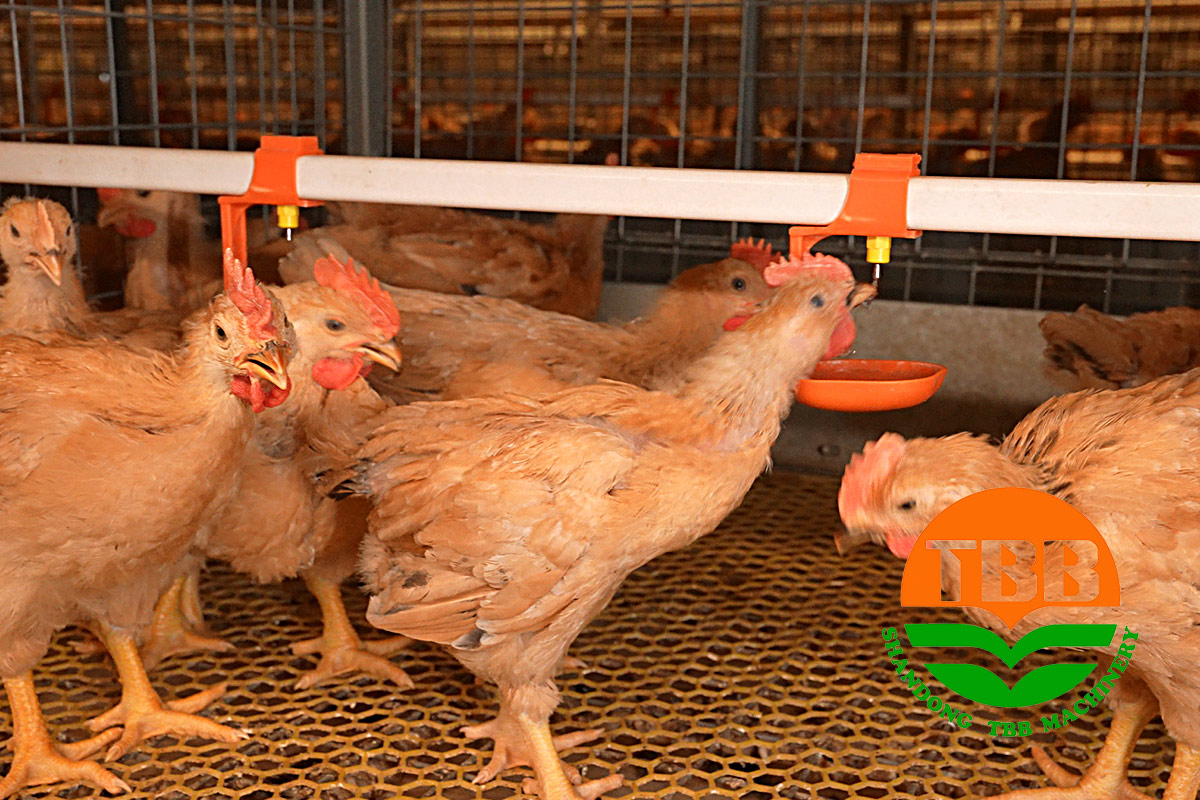
The numbers explain the shift. On deep-litter pens, a hen lays at roughly 65 to 75 per cent of peak and eats 125–135 grams of feed a day. A well-run battery cage lifts peak production to 85–95 per cent while cutting intake to 115–120 grams. Mortality drops from 5–10 per cent to 2–5 per cent, and egg breakage falls from 3–5 per cent to under 1 per cent. On a 20,000-bird farm, that gap is the difference between a tight year and a profitable one.
▶ Inside a Modern Automated Battery Cage System
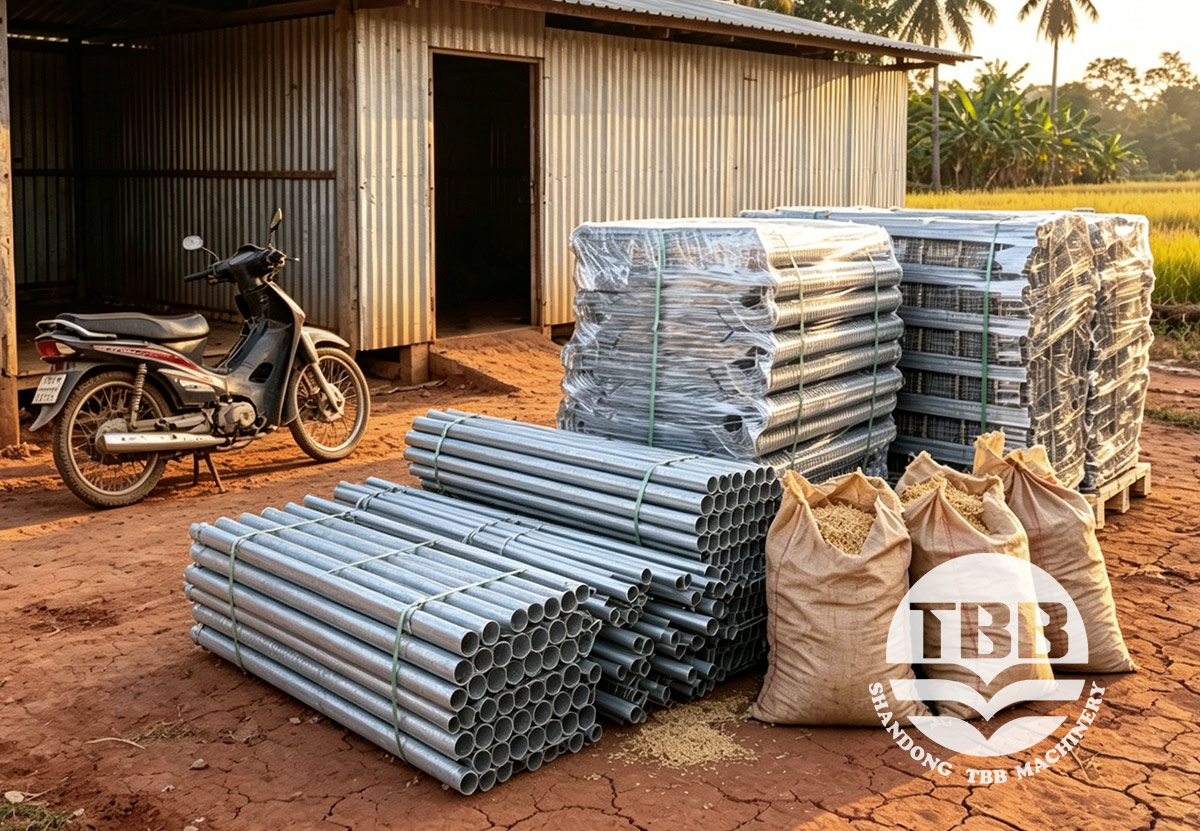
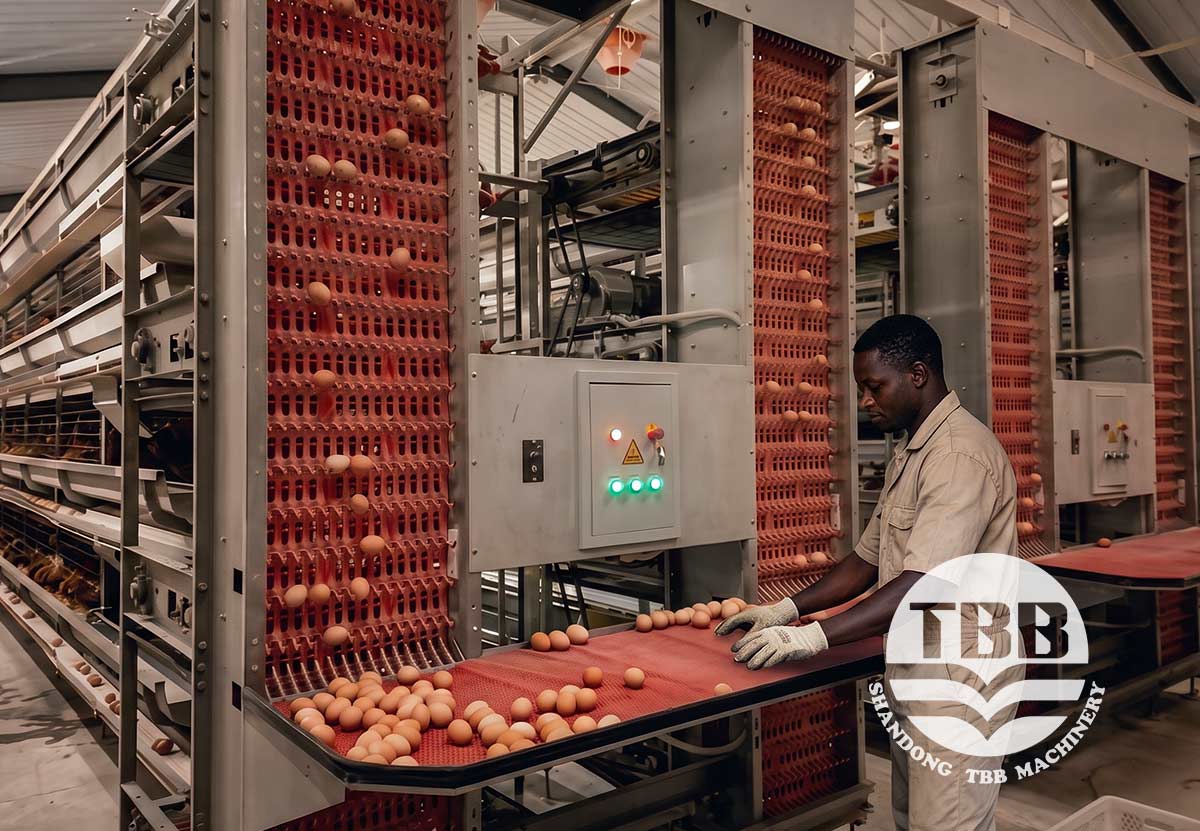
A modern Lagos layer house built around automation looks specific to the coastline. Tobetter’s H-type installations run four to five tiers, holding 20,000 birds in a 75–100 metre by 12 metre shed. Hot-dip galvanised steel matters here: the humid, salt-laden air off the lagoon eats untreated metal in a few seasons. The line carries automatic feeding, nipple drinking, a conveyor for egg collection and a manure belt underneath. Because eggs travel on a belt instead of being hand-gathered, breakage stays low even on the rough run to Mile 12.
▶ Ventilation, Solar & Land Savings
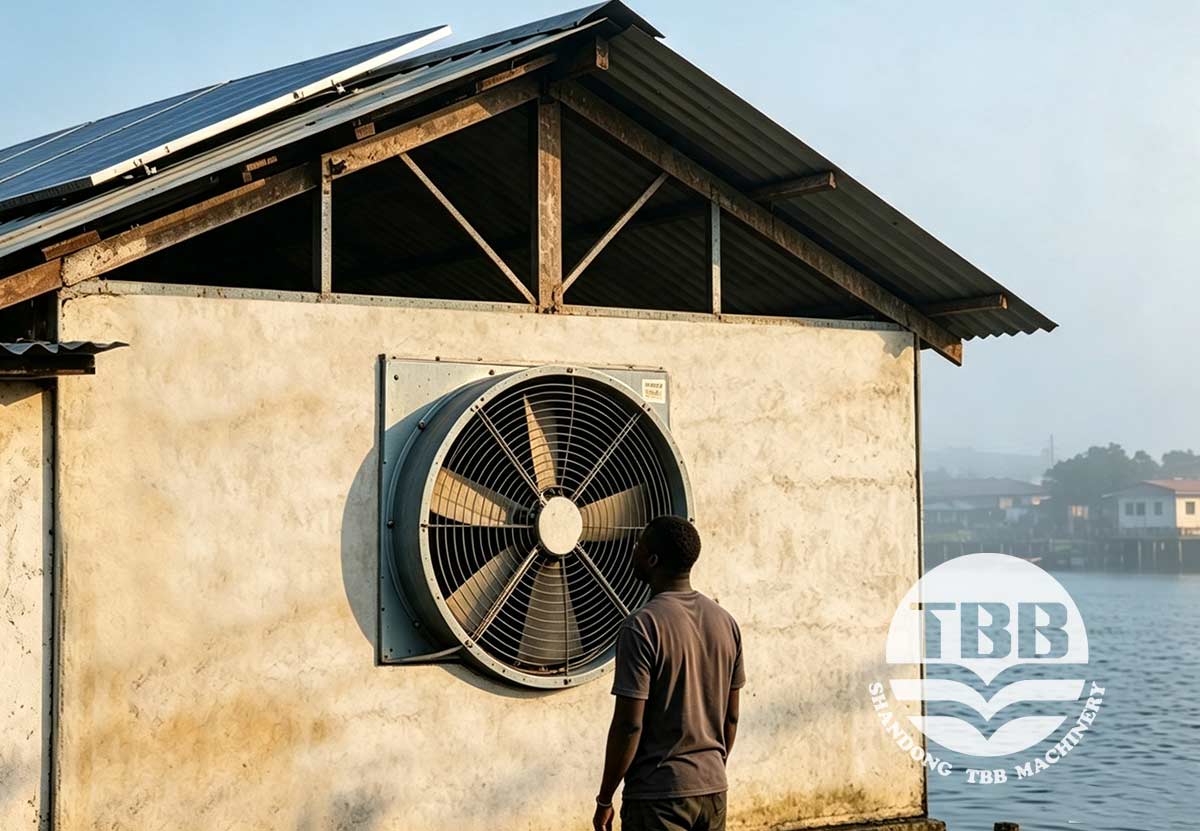
Ventilation is where Lagos houses live or die. Coastal humidity and heat spikes push birds off feed and cut laying; solar-assisted extraction with cooling pads and controlled inlets keeps the house in a productive range through the worst months. Several Tobetter clients pair the cage line with a solar array that offsets daytime lighting and fan load, trimming production cost per egg by 5 to 8 per cent — real money when margins are thin.
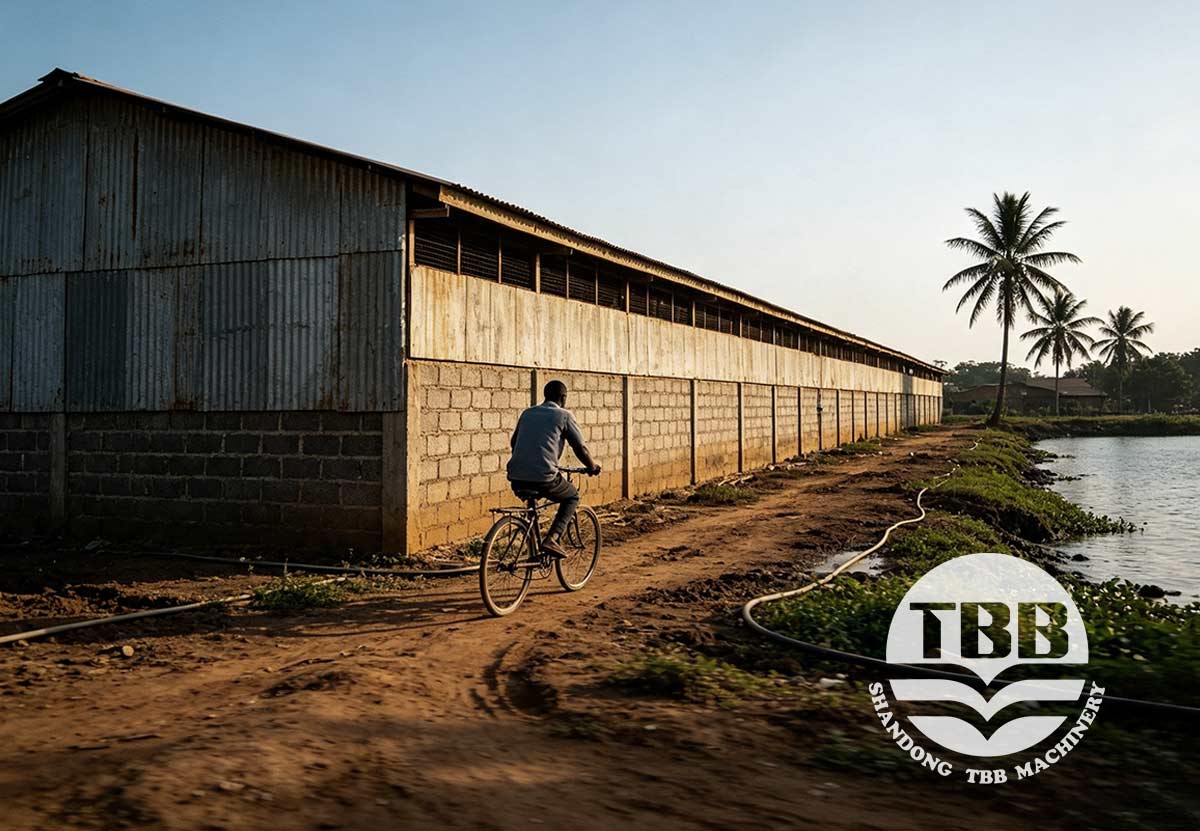
Land is the quiet advantage nobody mentions. Plots in Ikorodu and Epe are not cheap, and deep-litter housing needs far more floor area per bird than a vertical cage. Stacking layers in four or five tiers lets a 20,000-bird unit run on a fraction of the footprint, which changes the maths on both land cost and the length of the shed you have to light, ventilate and secure.
▶ Biosecurity Advantages
Biosecurity is cleaner in cages too. Birds sit above their droppings, so contact with manure — the main route for coccidiosis, coccy and respiratory spread — drops sharply, and all-in/all-out cycles are easier to enforce. That matters more in 2026, when institutional buyers audit suppliers and want coded, traceable batches before they sign.

▶ Payback, Market Access & The System Mindset
The payback is honest, not miraculous. A full 20,000-bird automated setup in Nigeria now runs roughly ₦160–220 million once you price 2026 chicks, cages, housing and backup power; break-even typically lands at 18–24 months. A smaller 10,000-bird start-up can reach it in 14–18 months. What kills the maths is under-specced ventilation, skipping the manure belt, or buying cages before securing a reliable chick source — the 2026 day-old-chick queue can leave a finished house empty for months.
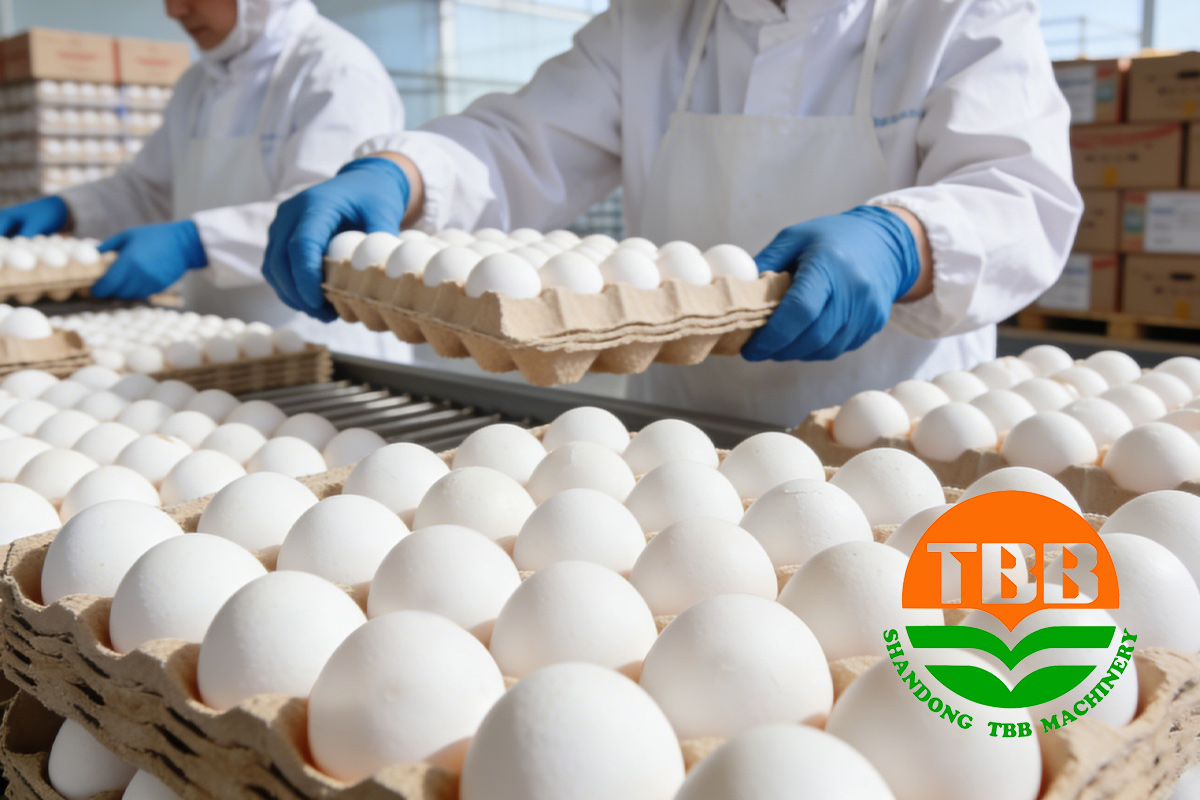
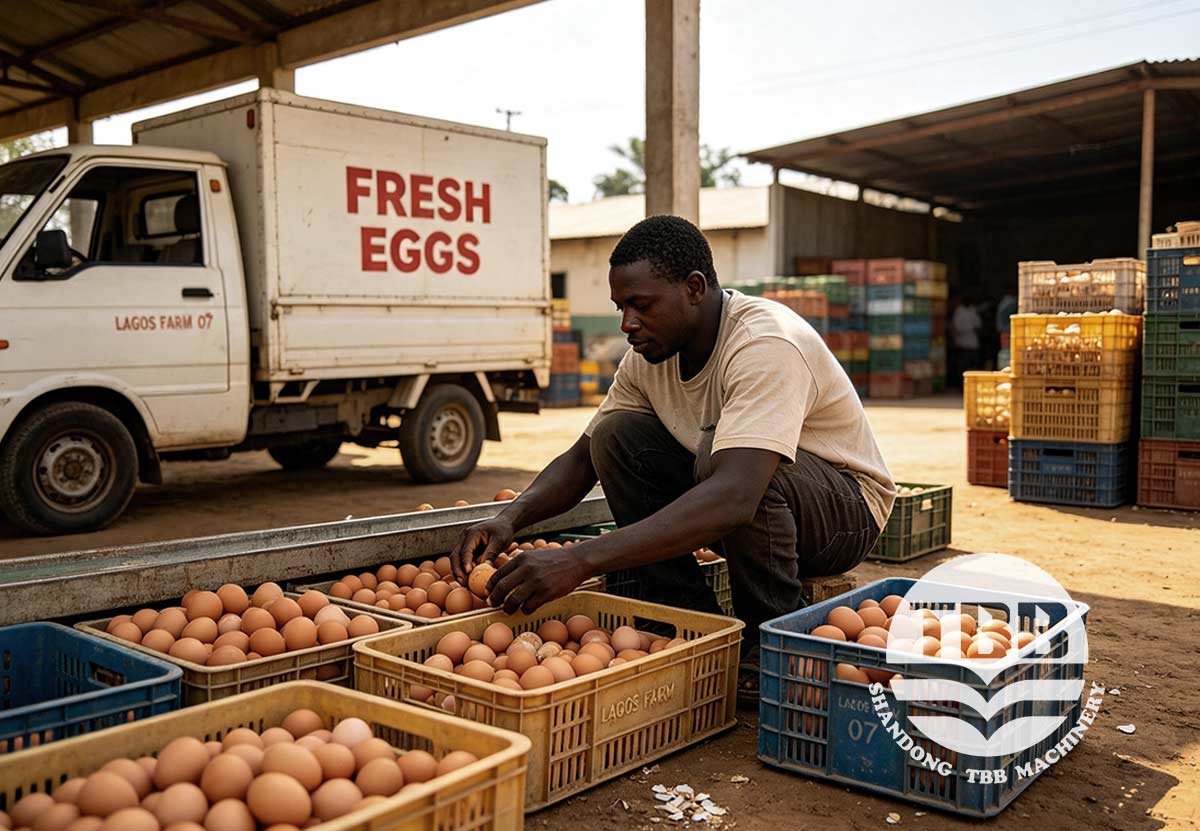
There is a market reason cage eggs win in Lagos as well. Supermarkets, hotels and school-feeding programmes want uniform size and a food-safety record their contracts require, which is why the larger farms moving eggs toward Epe’s planned egg-powder plant are overwhelmingly caged operations.
State help exists — Lagos’s Ounje Eko programme put a 25 per cent discount on layer mash in its first phase — but equipment still decides the margin.
The common mistake is treating the cage as a single purchase. It is a system: birds, feed contract, ventilation, manure handling and market access have to be specified together. Tobetter’s turnkey packages for Lagos size the cage, climate control and egg collection as one engineered line, with installation and training included, so a first-time operator is not guessing at each piece.
If you are starting a layer farm in Lagos or upgrading from deep litter, the equipment choice decides your margin more than the egg price does. Message us for this year’s best price on automated battery cage systems, climate control and egg collection built for the Nigerian coast.