



News
Senegal's Poultry Association Draws a Line at 4.5 Million Layers, Citing Two Foreign Projects
Source: TBBView: 181Senegal's Poultry Association Draws a Line at 4.5 Million Layers, Citing Two Foreign Projects
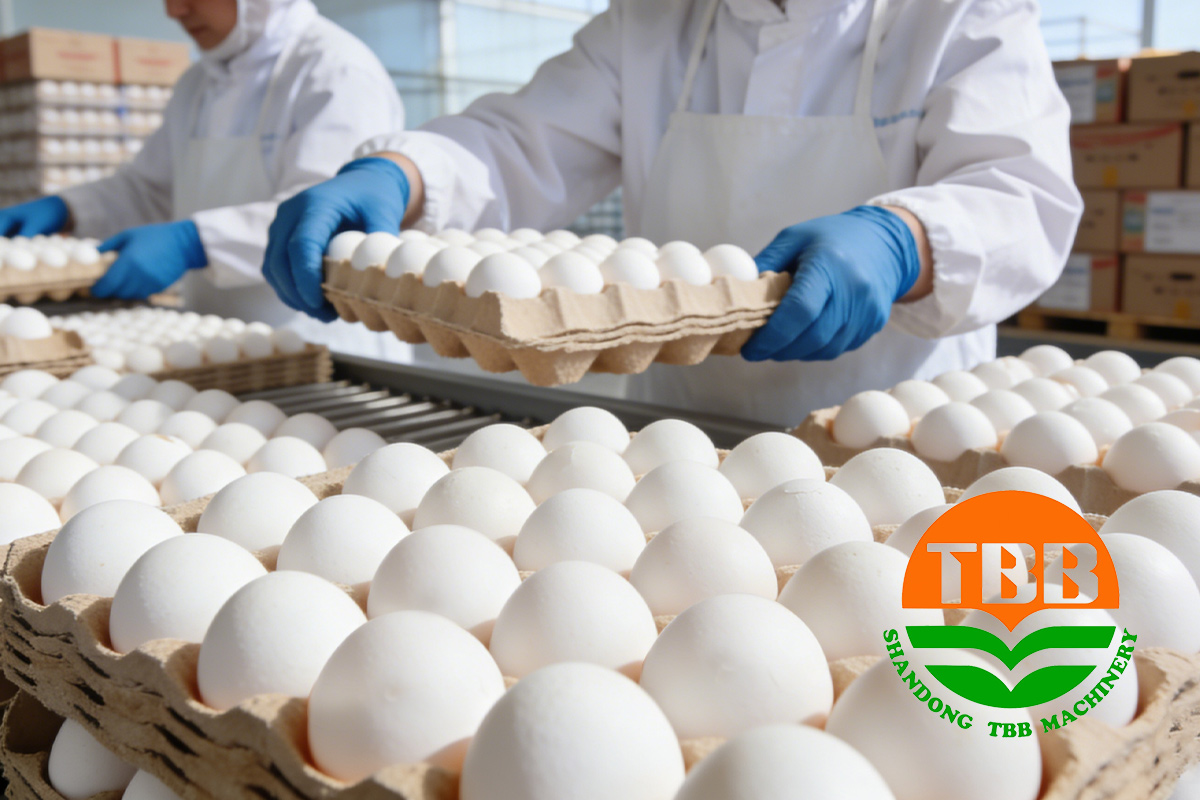
Senegal's poultry association has put a number on how much more layer capacity the country can absorb, and it is smaller than what is on the table. At a press conference in Thiès on 10 October 2026, the Interprofession avicole du Sénégal warned that projects reported for Thiès and Diourbel — a one-million-bird layer farm attributed to Chinese investors, another backed by Brazilians — risk disrupting a market its secretary-general says is already supplied. “With three million laying hens, we are able to adequately supply the Senegalese market,” Mamadou Bâ said, putting 60,000 jobs at risk. “According to our projections, increasing that number to 4.5 million or more would seriously disrupt and harm the poultry industry.”
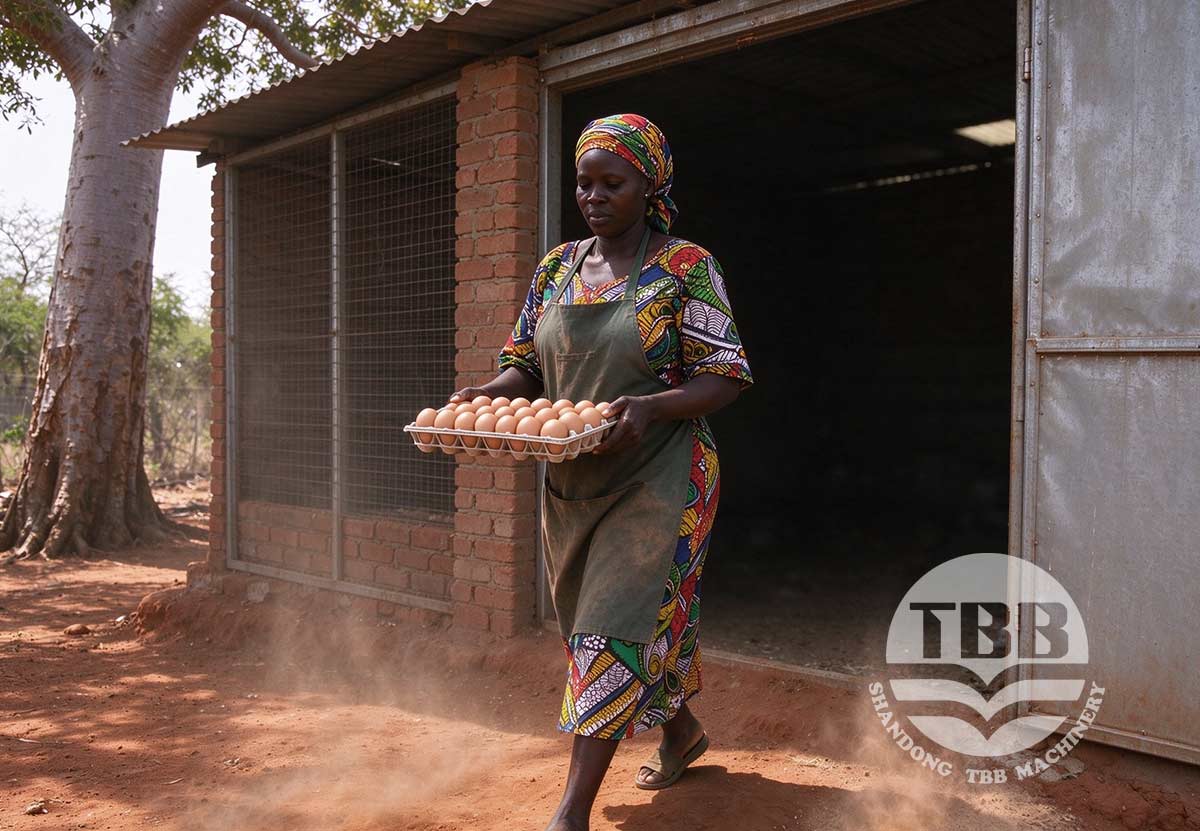
Those are the association's own figures rather than official statistics, but the order of magnitude holds against an independent count: data compiled by the Agricultural and Rural Foresight Initiative put Senegal's laying flock at 3.4 million birds over 2015–2019, up 13.48%. Chicken meat output has climbed over a longer span, from 29,042 tonnes in 2005 to 159,502 tonnes in 2024 (FAO). IPAS speaks for the operators already in the market, so the ceiling it proposes binds new entrants rather than flocks already running. Where the line should sit is a separate question.
▶ Why a national ceiling exists at all
The reason a ceiling can be drawn at all is that Senegal's market is closed. Imports of live poultry, most day-old chicks, poultry meat and table eggs have been suspended since 2005, when the measure was taken during a West African avian influenza outbreak, and it has stayed in force. A sector strategy followed in 2010, and IPAS itself dates from 2013.
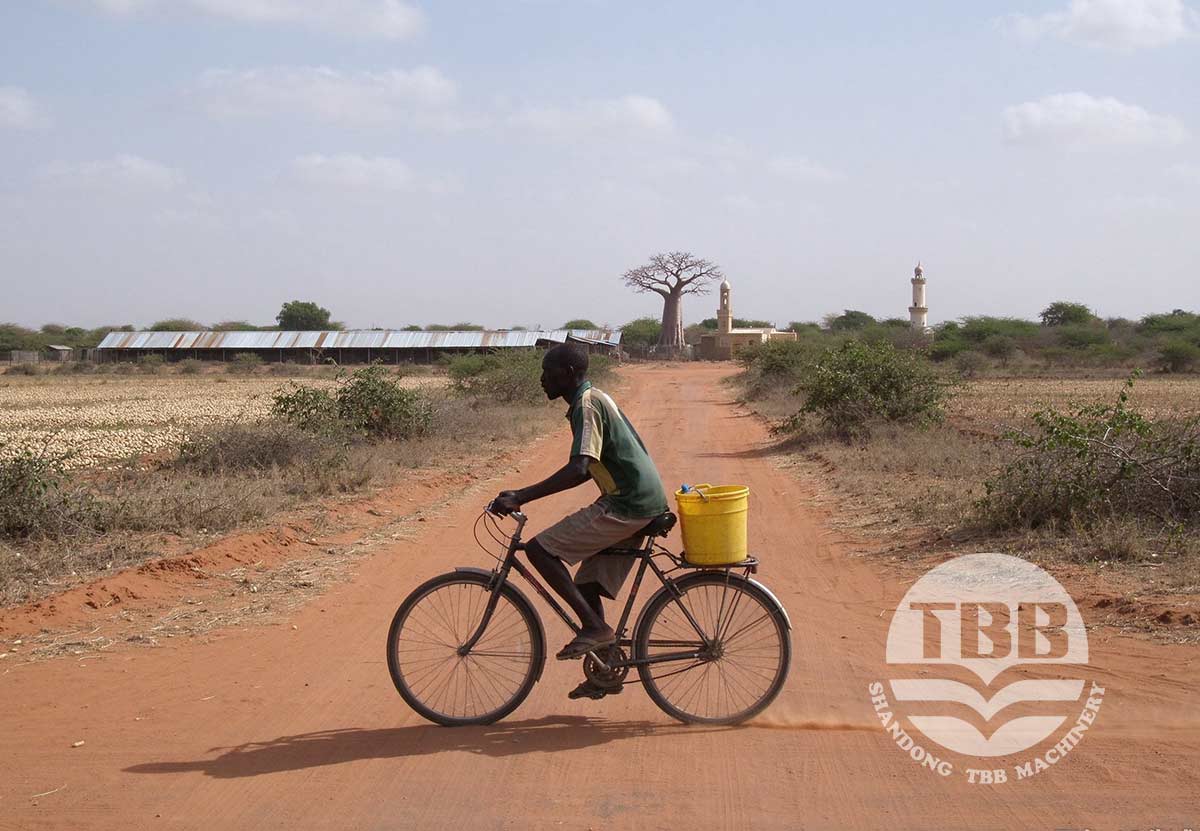
Egg supply runs on the same logic. Sector data cited in a 2023 industry directory put national output near 42,000 tonnes a year, with consumption around 50 eggs per person, roughly 60% of it from commercial farms. Production concentrates in the Thiès-Tivaouane and Mbour corridor, close to 80% of the national total — where the disputed projects would sit.
Removing external competition is what made the sector investable: demand became predictable and private money followed. It also means a ceiling carries more weight here than it would in an open market, because Senegal cannot import to smooth a shortfall. And with the border closed, the only barrier left is a domestic one — a line adopted by the authorities would decide who supplies the market, not merely where supply comes from. What the association is weighing is domestic capacity against domestic demand alone.
▶ The money already committed
None of this is speculative. Gade Gui secured CFA 2.5 billion from Proparco in November 2025 for an integrated layer farm with grading and packing, expected to top 80 million eggs a year. In June 2026, La Ripaille signed a CFA 1.3 billion agreement with Oyass Capital, a FONSIS-backed fund, to expand laying and breeding capacity and cut reliance on imported hatching eggs.
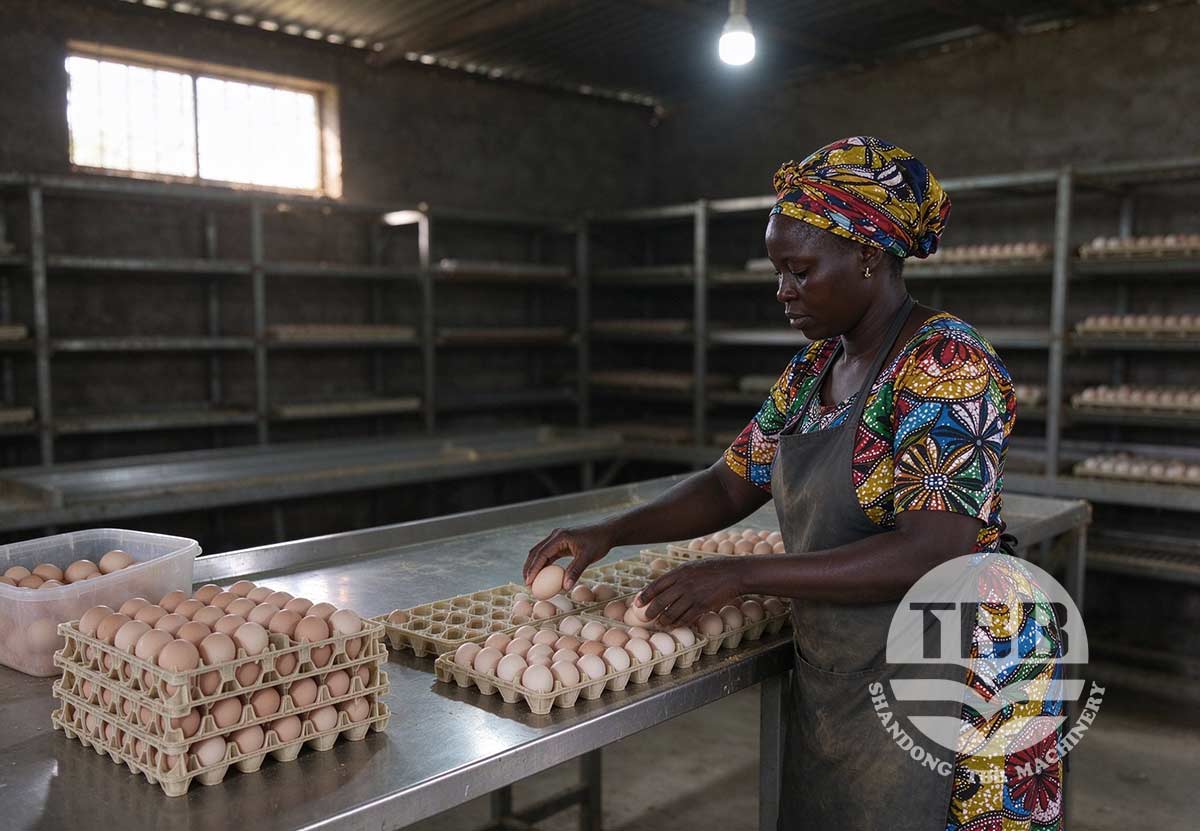
The gap those projects aim at is documented. When AVVITE-X SARL opened an industrial hatching-egg unit at Taïba Ndiaye in August 2026 — CFA 969 million, starting with 5,500 hens and 850 cockerels, targeting 3.15 million hatching eggs a year by year four — roughly 86% of Senegal's hatching eggs and day-old chicks were still imported, at an estimated CFA 20 billion a year.
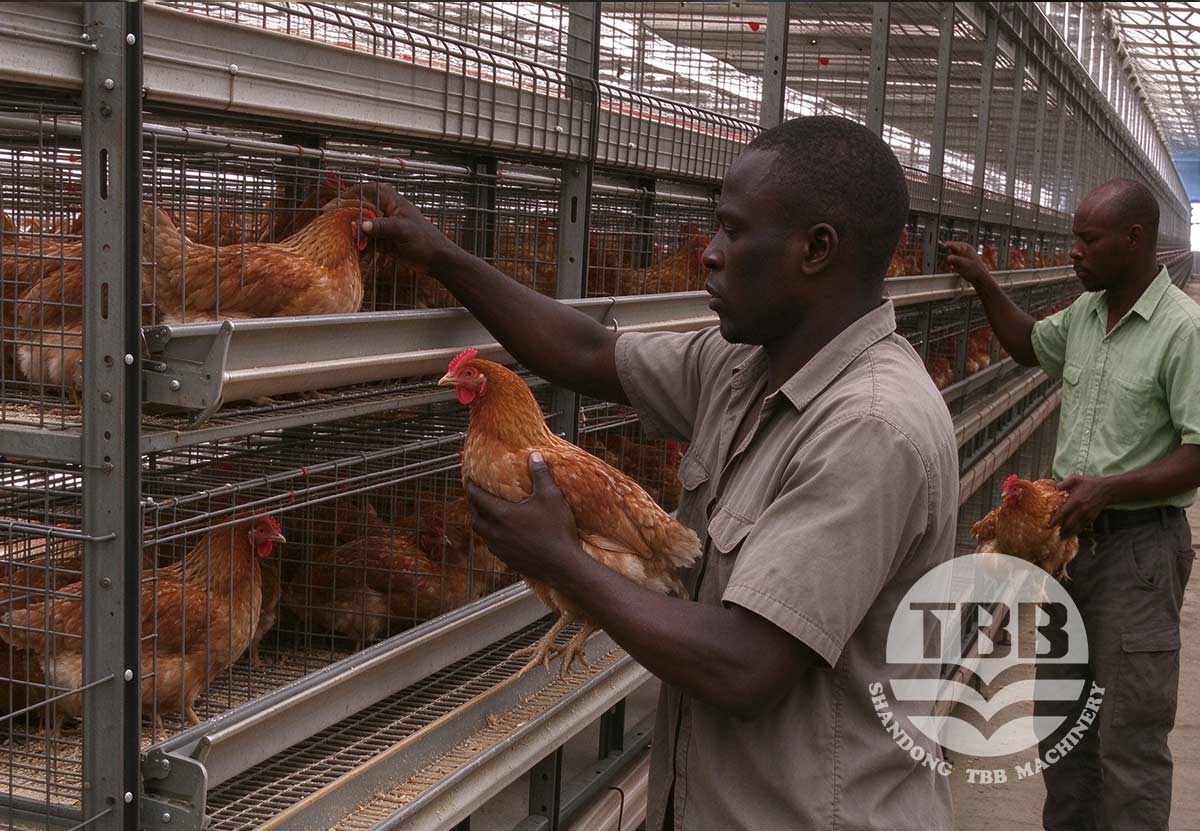
Outside interest has followed. On the sidelines of an Indonesia–West Africa business forum on 16 October 2026, an official at the Indonesian embassy in Dakar confirmed that PT Charoen Pokphand Indonesia was studying an entry into Senegal, without naming a segment. Neither of the two projects IPAS flagged has been confirmed by the authorities, and no response from the investors was reported.
▶ What the ceiling means one house down
What IPAS objects to is not building, but building at that scale on one site. A million birds spread over 50 to 70 houses holding 10,000 to 20,000 each is a different proposition from a million on one site, and it is the second that the association has asked authorities to weigh. Bâ's 4.5 million is national headroom, and his point is that the headroom is finite — which for a grower is a reason to know where a house sits inside the national count, not a reason not to put one up.
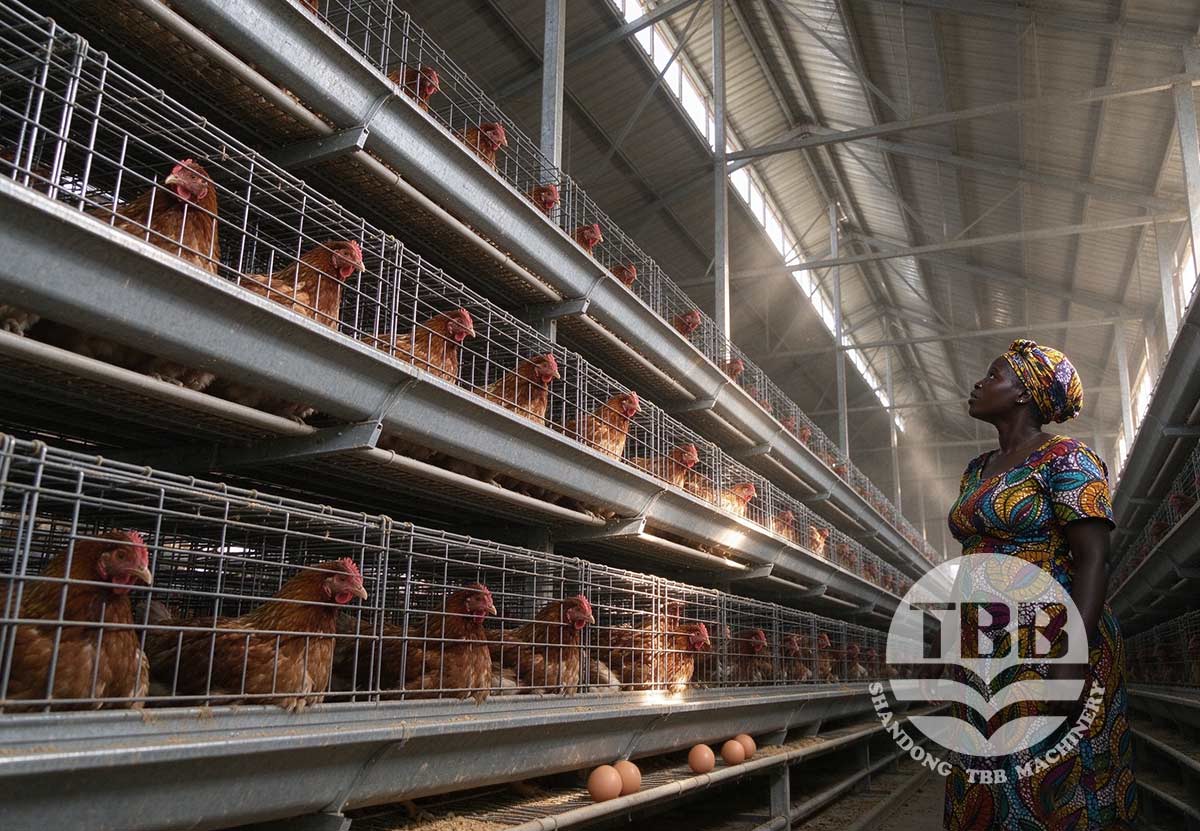
How the birds are housed is decided at that scale. Layers stay in the same building for a year or more, unlike a broiler house turned over several times a year. What sets the layout is bird count against floor, and a tiered system holds more birds per square metre of building than a floor system. Tier count, cage run and the lines that serve them come from the building — length, width, height at the eaves, birds it has to hold.
The reporting above is editorial. What follows is a commercial message from a cage-system supplier.
Tobetter builds layer cage systems in A-frame and H-frame, three to five tiers, hot-dip galvanized, with feeding lines, nipple drinking, egg collection and belt manure removal worked out together. Send the building dimensions and the bird count you are planning, and we will come back with the tier count, cage run and line layout that fit them.
Message us for this year's best price.
Sources
IPAS press conference, Thiès, 10 October 2026, via the Senegalese Press Agency and Ecofin Agency: Mamadou Bâ on the three-million and 4.5-million thresholds and 60,000 jobs. Ecofin Agency and eFeedLink, 16 October 2026, on PT Charoen Pokphand Indonesia. Agricultural and Rural Foresight Initiative on the laying flock, 3.4 million birds, 2015–2019. FAO on chicken meat, 2005 and 2024. Lever Foundation sector directory (2023) on egg output, consumption and the Thiès-Tivaouane and Mbour corridor. Ecofin Agency on Proparco's CFA 2.5 billion to Gade Gui and Oyass Capital's CFA 1.3 billion to La Ripaille. Reporting on the AVVITE-X SARL unit at Taïba Ndiaye, August 2026, and on the import suspension since 2005.