




News
Mexico Plans US$3.5B Poultry Expansion Through 2030 — What Layer FarmMexico Plans US$3.5B Poultry Expansion Through 2030 — What Layer Farms Are Buildings Are Building
Source: TBBView: 194Mexico Plans US$3.5B Poultry Expansion Through 2030 — What Layer Farms Are Building
Mexico's poultry sector has committed US$3.5 billion in investment for the 2026–2030 period, the National Poultry Farmers Union (UNA) announced at its 64th Ordinary General Meeting in Mexico City on April 9. The pledge, framed around the federal Plan México goals of producing more and importing less, puts the sector on a capacity-adding cycle that reaches straight into the country's layer houses.

UNA put numbers behind the promise. The program is expected to lift national poultry production by 22.68% by 2030, add 389.4 million birds to annual supply, and create more than 18,000 direct jobs. Mexico Business News, reporting from the meeting, described the outlay as capital dedicated to infrastructure, technological innovation and commercialization networks over the next four years — contingent, the sector noted, on stable trade parameters.
▶ Layer production is the backbone of that math
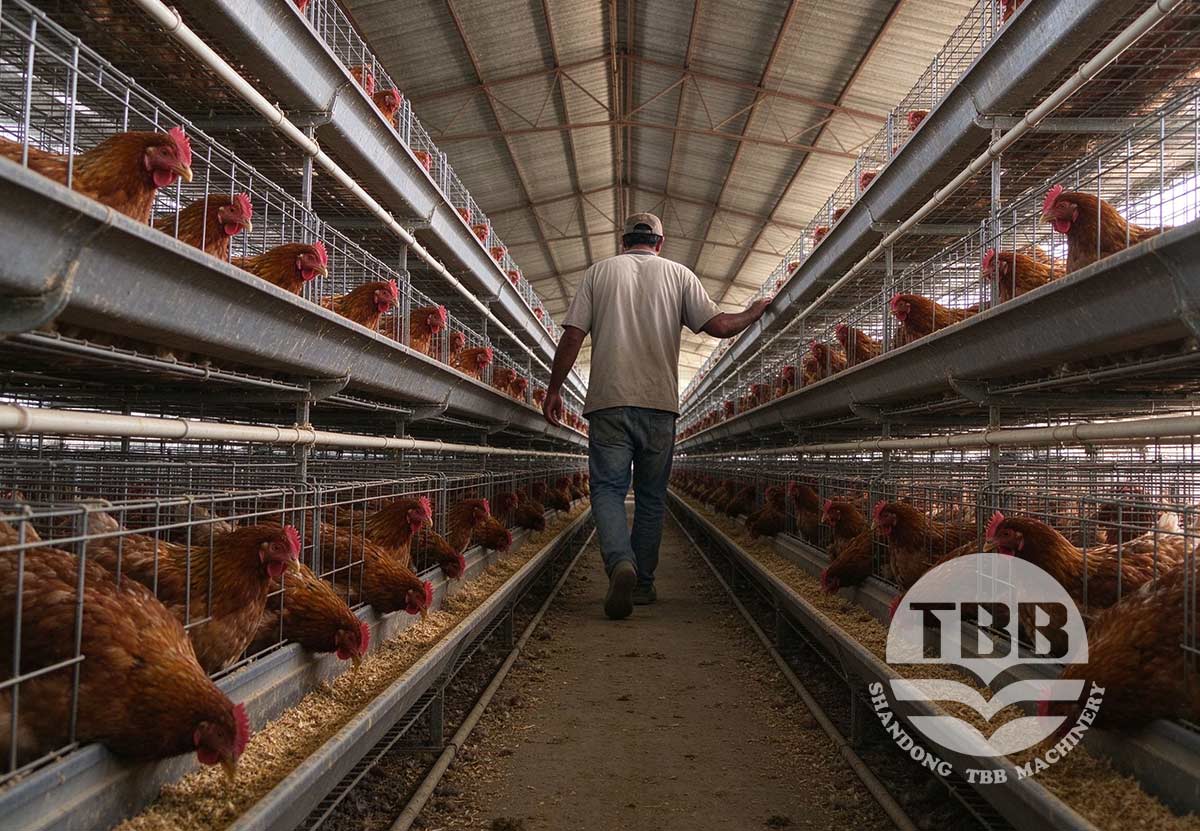
National egg output reached 3.47 million tonnes in 2025, up 6.1% in volume and 18.8% in value from the prior year, according to the Agriculture Ministry's agricultural information service (SADER/DGSIAP). Preliminary figures showed 1.42 million tonnes produced through May — about 40% of that year's full target, a steady pace. That places Mexico sixth among the world's egg producers, with a 2.7% global share. The layer flock itself is large and still growing: USDA's Foreign Agricultural Service estimated Mexico's total poultry flock at 631 million birds in 2024, of which layers accounted for 218 million (35%), and forecast poultry production to rise about 2% in both 2025 and 2026. UNA estimates egg production will grow a further 2.8% in 2026. On the demand side, Mexicans eat more fresh eggs per person than any other population — about 24.8 kg a year, roughly 410 eggs per head.
▶ The expansion will not land evenly
Five states already supply 80.6% of national output, led by Jalisco at 1.79 million tonnes and close to 54% of table-egg supply, followed by Puebla, Sonora, Yucatán and San Luis Potosí. The size of that lead is confirmed independently: the Asociación de Avicultores de Tepatitlán reported on October 13, 2026 that Jalisco produces about 83 million table eggs a day and that Tepatitlán — the municipality it calls the egg capital — alone accounts for 482,000 tonnes, with production concentrated in Los Altos de Jalisco.

Regional specialization is sharp: Jalisco anchors the layer flock while Veracruz has built out as the broiler hub. So the next wave of layer housing is most likely to appear in and around established layer clusters like Los Altos, where the infrastructure, feed access and processing already sit — not on fresh ground far from the existing birds.
▶ What the money buys, in layer terms
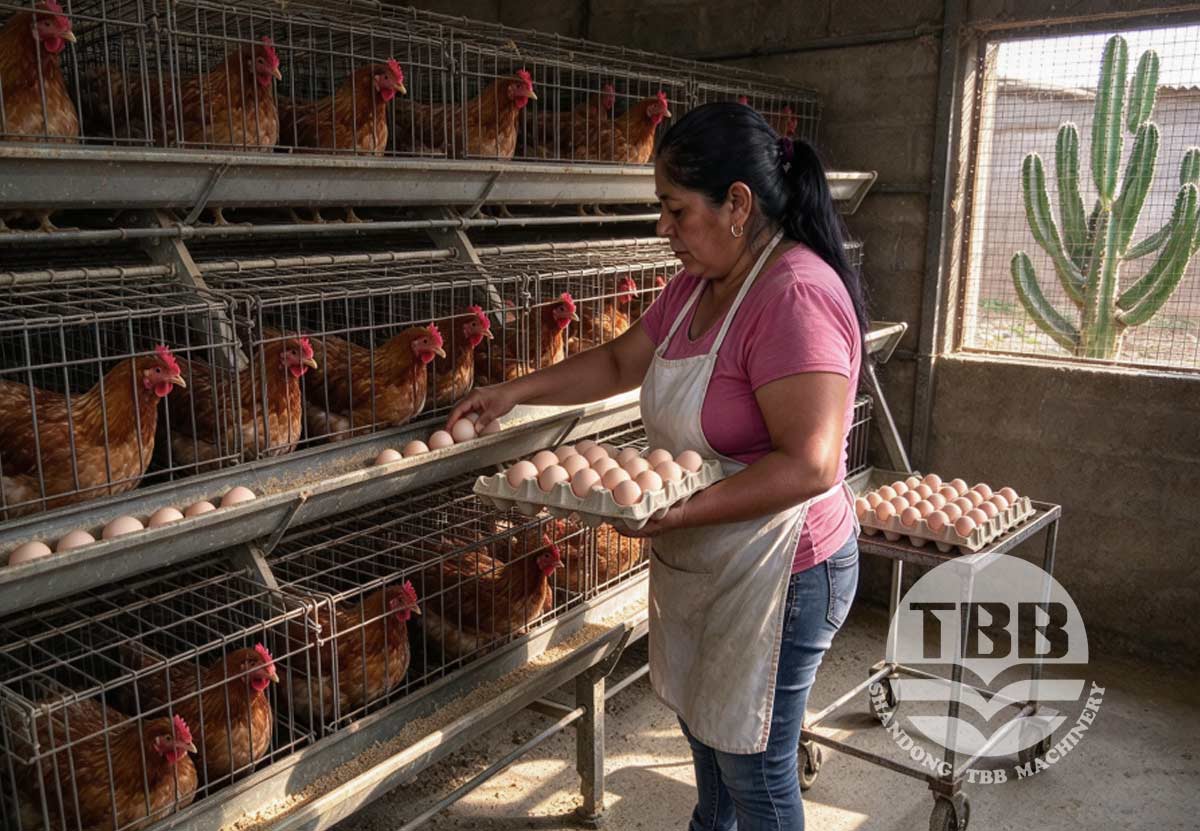
A 22.68% production increase and 389.4 million additional birds by 2030 cannot come from existing houses alone; it implies a wave of new layer housing and breeding capacity concentrated in those five states. The signal is reinforced by Mexico's dependence on imported fertile eggs for hatching — US$209 million worth in 2024, sourced mainly from the United States and Brazil — a bottleneck the local industry has every reason to close as it commits to producing more at home. Closing it means more breeding and hatching capacity on Mexican soil, the front end of the layer chain where new housing matters as much as the laying houses themselves.
▶ The “import less” line is the through-line of the plan
Mexico is virtually self-sufficient in table eggs, yet imported table eggs still arrived — more than 12,500 tonnes from the United States as of July 2026, on top of a reported 118% surge in poultry imports overall. Local producers in Tehuacán went public in August 2026 to protest US egg shipments, arguing domestic output already covers national demand. The US$3.5 billion program is the sector's answer to that exposure: build the capacity, keep the value inside the country.
▶ None of this reads as panic
Egg prices had posted 24 consecutive two-week periods of annual decline, falling 22.45% by late September, per the national statistics institute (INEGI). The federal government has held a voluntary price ceiling on a basket of staples under its anti-inflation PACIC program, renewed in May 2026, which makes steady domestic supply a political priority. The 7.92% jump in the first half of August drew headlines, but analysts tied it to producers recovering margins after a stretch of oversupply and to seasonal demand — not to any gap between supply and demand. The sector is managing abundance, not scrambling to fill a hole.
▶ A commercial message from a cage-system supplier
For farms scaling up under this expansion, the cage layout that pays off depends on house length, width and how many birds the operation plans to run. We supply layer cage systems and housing equipment built for exactly that math. Send us the dimensions and the bird count.
Message us for this year's best price.
Sources
UNA 64th General Meeting, Apr 9 2026 (Mexico Business News): US$3.5B 2026–2030; +22.68% output by 2030; 389.4M more birds; 18,000+ jobs; Plan México. UNA/World Egg Organisation (Luz Noticias): 24.8 kg/capita (~410 eggs), world's top fresh-egg consumer; +2.8% egg output forecast for 2026.
SADER/DGSIAP: 2025 egg output 3.47 Mt (+6.1% vol, +18.8% val); five-state concentration 80.6% (Jalisco 1.79 Mt, ~54%); 6th globally, 2.7% share.
USDA FAS (The Poultry Site, Oct 2025 / May 2026): 2024 flock 631M birds, layers 218M (35%); poultry production +2% in 2025 and 2026; Jalisco, Puebla, Veracruz largest flocks.
Asociación de Avicultores de Tepatitlán (Diario El Volcán, Oct 13 2026): Jalisco ~83M table eggs/day, 1.789 Mt/yr (~56% national); Tepatitlán 482,000 t (Los Altos de Jalisco).
INEGI/INPC: egg prices -22.45% by late September after 24 declining two-week periods; +7.92% early August 2026 (margin recovery, seasonal demand).
Mexico Business News & El Universal Puebla: 12,500+ t US egg imports to July 2026; 118% poultry import surge; fertile egg imports US$209M in 2024 (US, Brazil); Tehuacán producers protested US egg imports Aug 2026, citing sufficient domestic supply.