




News
Kenya's 5-Billion Egg Deficit Reopens the Cage-versus-Floor Rearing Debate
Source: TBBView: 90Kenya's 5-Billion Egg Deficit Reopens the Cage-versus-Floor Rearing Debate
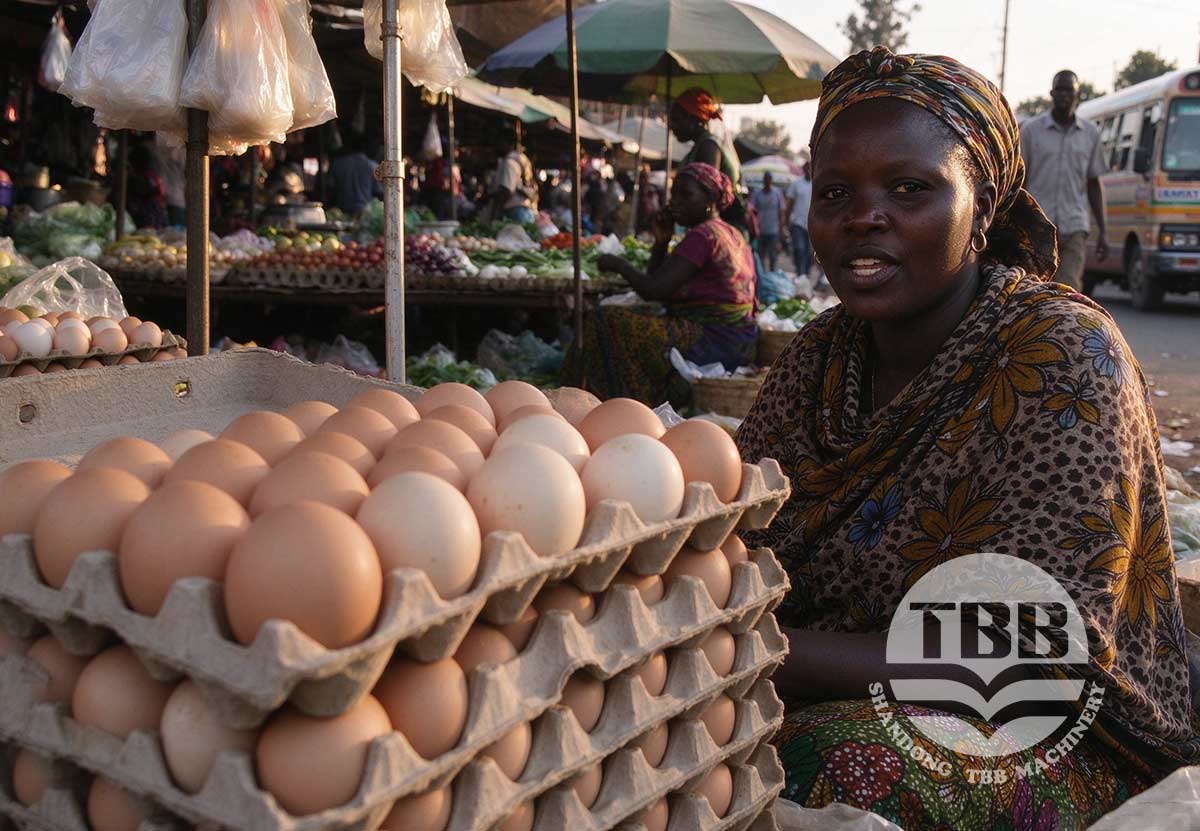
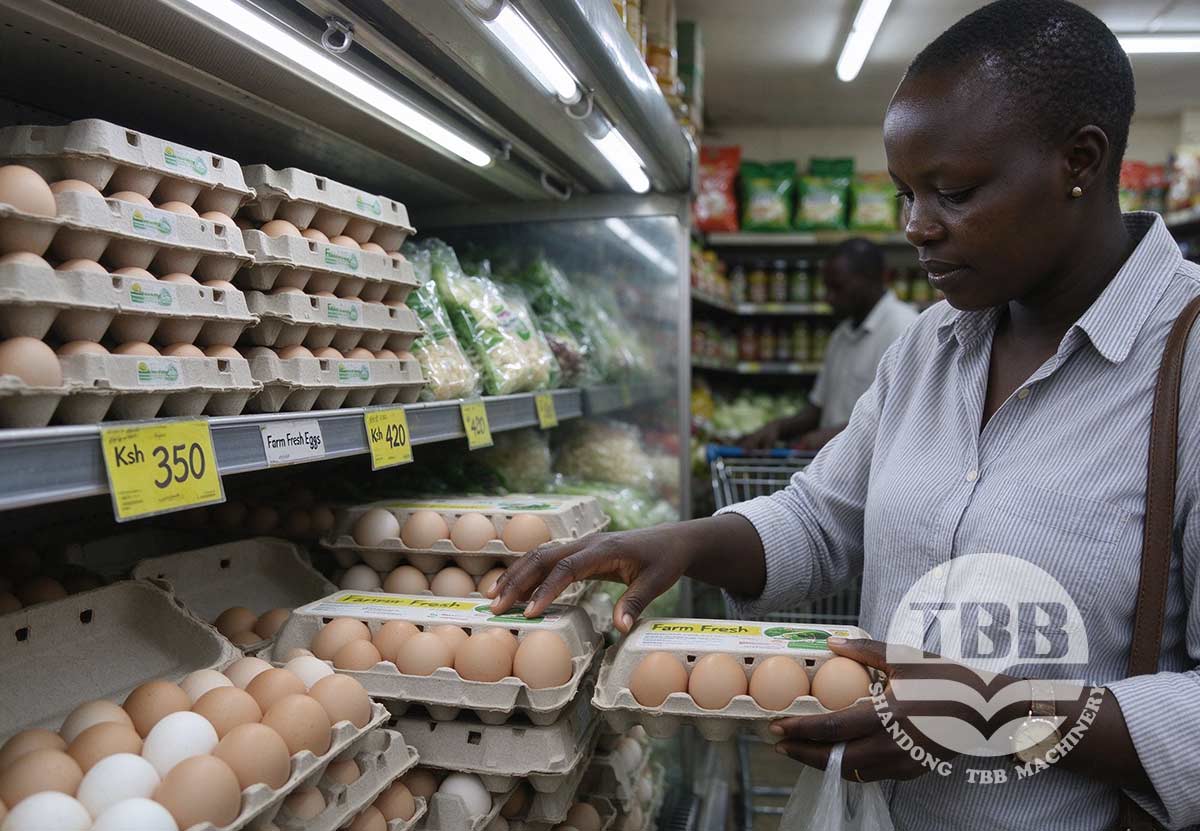
Kenya is short about five billion eggs a year, and in 2026 that gap stopped being a farmers' problem and became a line item in national policy. A Food Systems Analysis report by FSD Kenya put domestic output near four billion eggs against annual demand of nine billion, with the shortfall covered by imports from Uganda and Tanzania. The Central Bank held its benchmark rate at 8.75 percent on June 9, citing a food-and-energy index that had jumped 16 percent, and PLO Lumumba used a September television appearance to ask why a country that eats nine billion eggs produces barely four. On Nairobi shelves a 30-egg tray now sells for Sh504 to Sh720, up from Sh450–550 a few months earlier.
▶ The deficit is structural, not seasonal
Feed alone accounts for 50 to 70 percent of production cost across the 1,210 agribusinesses FSD Kenya surveyed, and Kenyan feed runs above regional averages because of taxes on soya and yellow maize. A World Bank-backed poultry memorandum signed this year targets 240,000 birds over six months against a reported 78,000 previously, but domestic supply still covers only about half of egg demand and 60 percent of poultry meat. The Stanbic Bank purchasing managers' index fell to 46.6 in May from 49.4 in April, a contraction that tracks input costs. Close the egg gap and you close a recurring inflation pressure — which is why the debate over how to produce eggs is back on the table.
▶ The two rearing systems showed up in the same cold snap this year
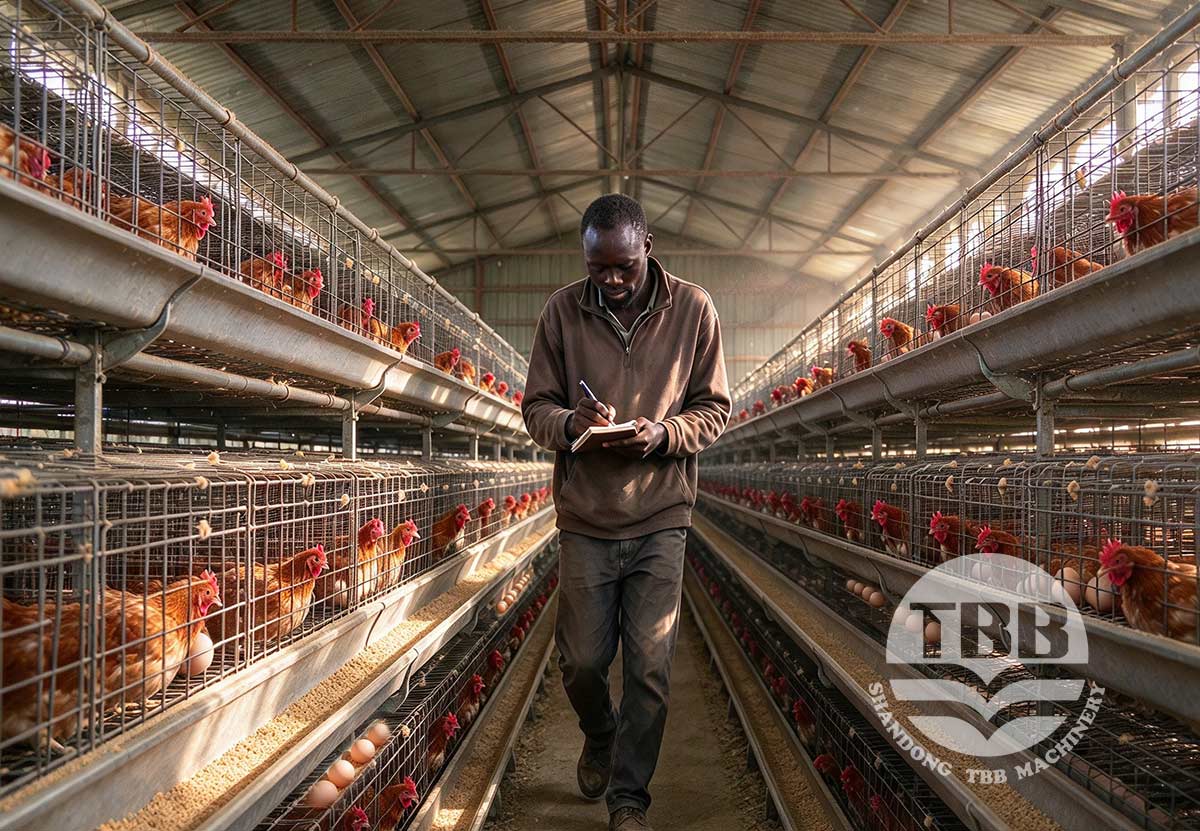
In a July Nation spot check, Francis Muiruri — “Francis wa Kuku” — runs 3,000 to 4,000 layers in cages outside Juja and pulls more than 90 trays a day, saying the cold barely touched his flock because of cage housing, locally mixed feed and house design.
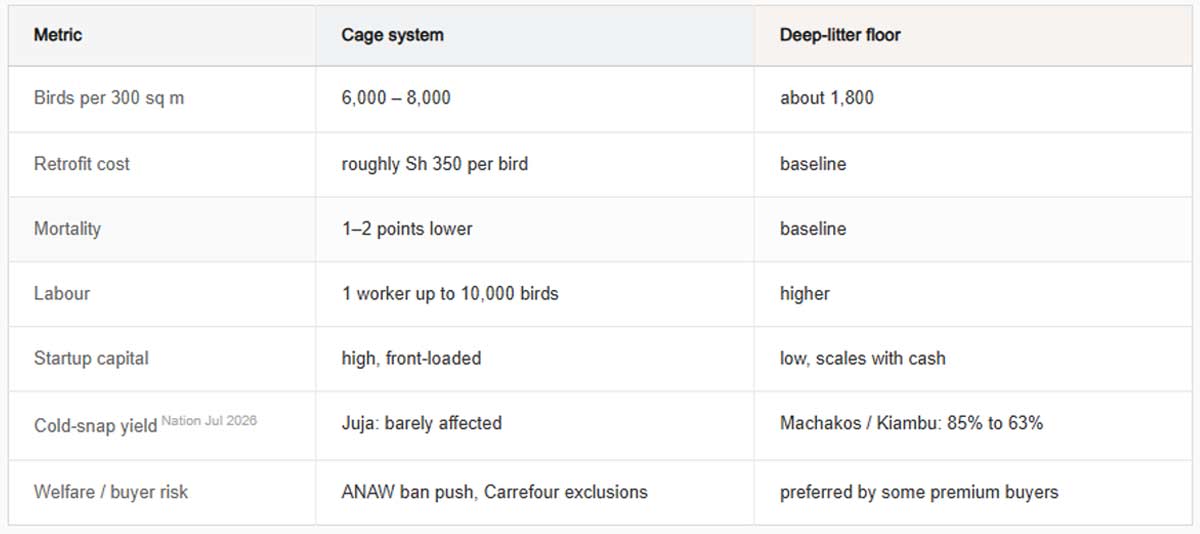
Twenty kilometres away in practice, Kelvin Kilonzo's floor-reared improved birds in Machakos and Kiambu normally lay at 85 percent; the cold pulled him to 63 percent, and his crate price rose to Sh750–900.
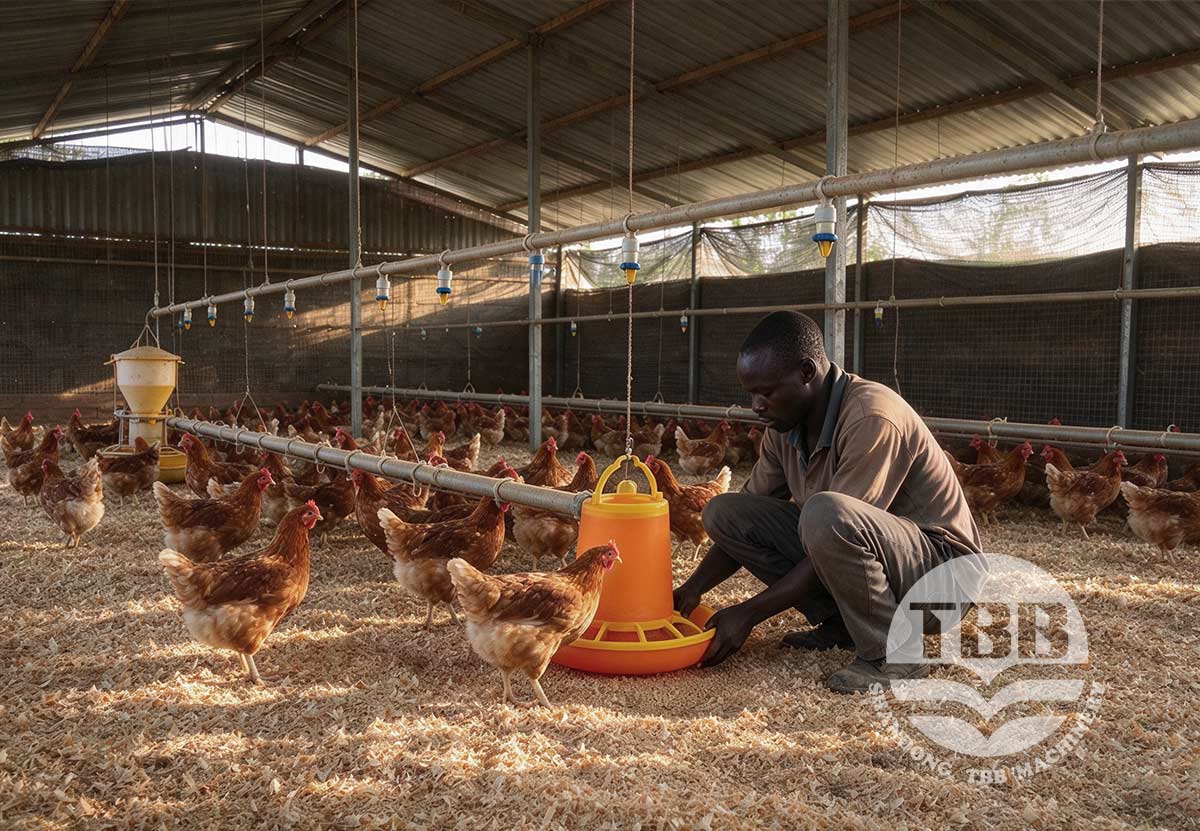
In Siaya, Paul Oketch reported no cold effect at all. Same weather, same country, two very different margins — and the difference tracks both system and management.
▶ On paper the space case for cages is stark
A 2025 comparison cited by a Kenchic veterinarian in The Standard found that on the same 300 square metres a cage house carries 6,000–8,000 layers while a deep-litter floor house manages about 1,800 — three to four times the birds on the same footprint. Retrofitting to cages costs roughly Sh350 per bird, but mortality drops 1–2 percentage points and one worker can handle up to 10,000 birds.
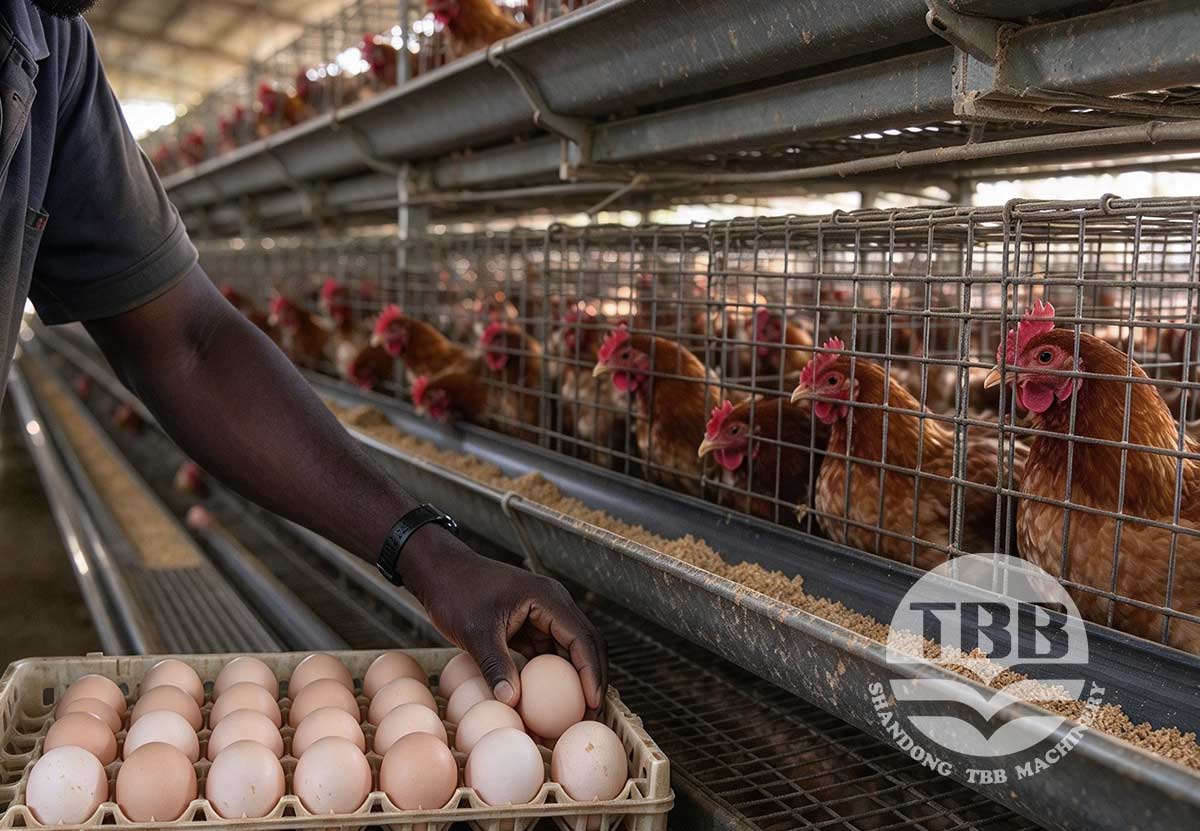
For a peri-urban operator boxed in by Nairobi land prices, that density is the opening entry in any margin calculation, and a KALRO-backed local breed now laying around 250 eggs a year against 100 previously only sharpens the arithmetic.
▶ So why does most of Kenya still rear on the floor?
Capital, not ignorance. FSD Kenya found only 3 to 5 percent of commercial bank credit reaches agriculture; 53 percent of the farmers it surveyed cited no collateral and 43 percent cited irregular income as the reason lenders walk away. A cage house is a fixed, front-loaded spend, while a deep-litter house scales as cash allows. The choice is often made by the loan officer, not the production manual — which is why a five-billion-egg gap has not simply been filled by stacking cages.
▶ There is a second ledger entry the pure cost math misses
Animal-welfare groups, led by ANAW, are lobbying for a cage ban, and in January 2026 a draft ARSO battery-cage standard drew a joint letter from 35 civil-society organisations opposing it. Kenya has no standalone law either way, though KS 2945:2022 sets welfare benchmarks that are loosely enforced, and an ANAW study puts battery-cage adoption among commercial farmers at 57 percent. Carrefour Kenya has already begun sourcing campaigns that exclude caged products, and export-minded buyers watch EU and UK bans closely.
A farmer choosing a system in 2026 has to price in where buyers and regulators may move, not just where feed and land sit today.
▶ The five-billion-egg gap is, plainly, an opening
Cages raise density and cut labour per bird; floor rearing keeps startup low and suits markets that pay for cage-free. Neither is a universal answer — the right call turns on capital, land, labour, regulation and what the buyer will pay for. Both cage and floor-rearing systems sit within the equipment range we supply, and the honest work is matching the system to the farmer's own constraints rather than picking a winner on paper.
Planning a house and running the margin math? Message us for this year's best price.