



News
Tanzania Hatchery Setup: Securing a Reliable Day-Old Chicks Supply Chain From Farm to Farm
Source: TBBView: 157Tanzania Hatchery Setup: Securing a Reliable Day-Old Chicks Supply Chain From Farm to Farm
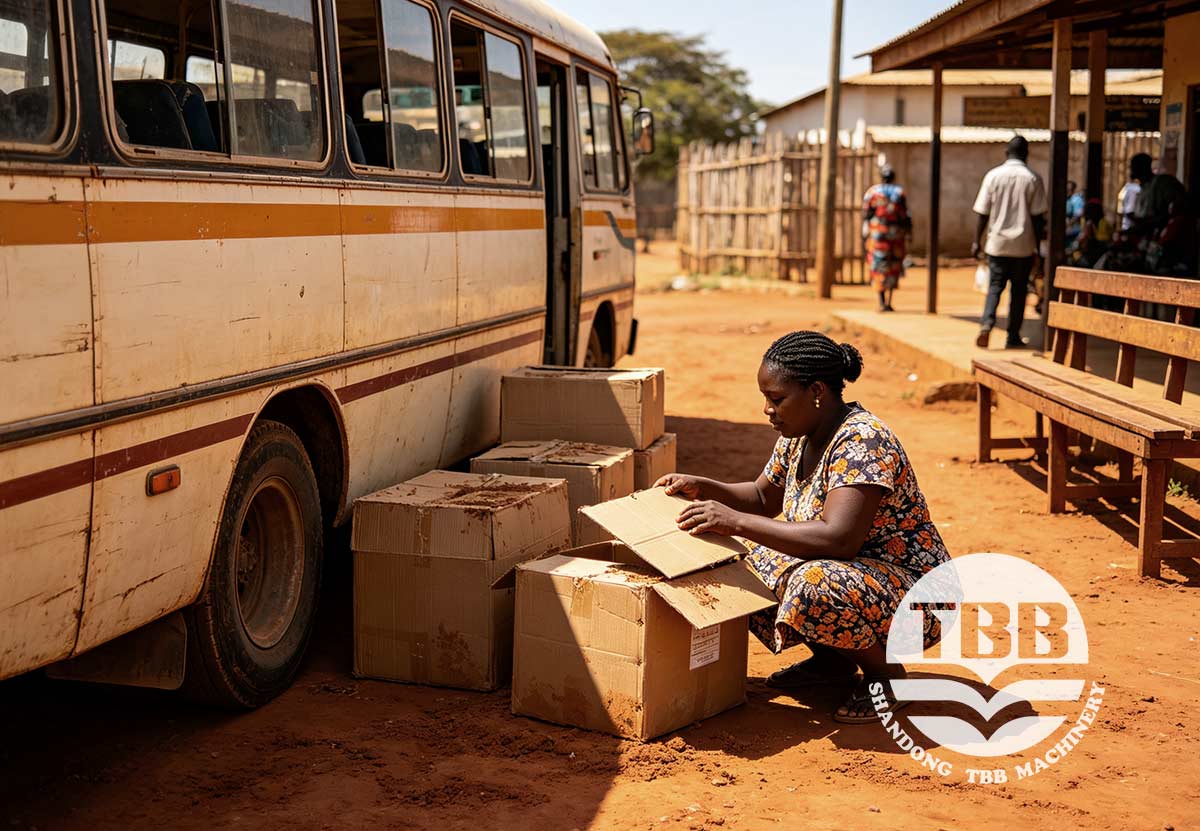
For smallholder poultry farmers in Tanzania, the math has always been brutal. You order 500 day-old chicks from a hatchery 300 kilometres away. They travel on a crowded bus, stuffed in cardboard boxes, changing hands three times before sunrise. By the time they reach your poultry house, you are already counting losses—sometimes 20%, sometimes nearly a third of your entire flock. And you pay for every single one.
That harsh arithmetic is finally forcing a systemic overhaul of the country's day-old chick supply chain from farm to farm. With Tanzania's national poultry flock now exceeding 113 million birds and the government betting big on a 3.5 trillion TZS development strategy through 2036, the spotlight has shifted to one critical bottleneck: how do we get quality chicks from hatchery to grower without bleeding margins along the way?
▶ “Public transport is not an option anymore”
One poultry aggregator we spoke with in Dodoma coordinates supplies for over 200 small-scale growers across the Dodoma and Singida regions. Last year alone, she documented an average 26% mortality rate on long-haul deliveries.
“We can't gamble with public buses anymore,” she told us. “A single delayed trip, a rainstorm, or a careless handler can wipe out a farmer's entire monthly income. We desperately need a hatchery-to-farm supply chain that treats live chicks like the valuable biological assets they are—not like sacks of maize.”
Her frustration echoes across the country. Many agripreneurs are now realising that reliable day-old chick supply isn't just about hatchery capacity—it's about logistics, biosecurity protocols, and real-time communication between parent stock producers and end-users.
▶ Modern hatchery infrastructure: more than just setters and hatchers
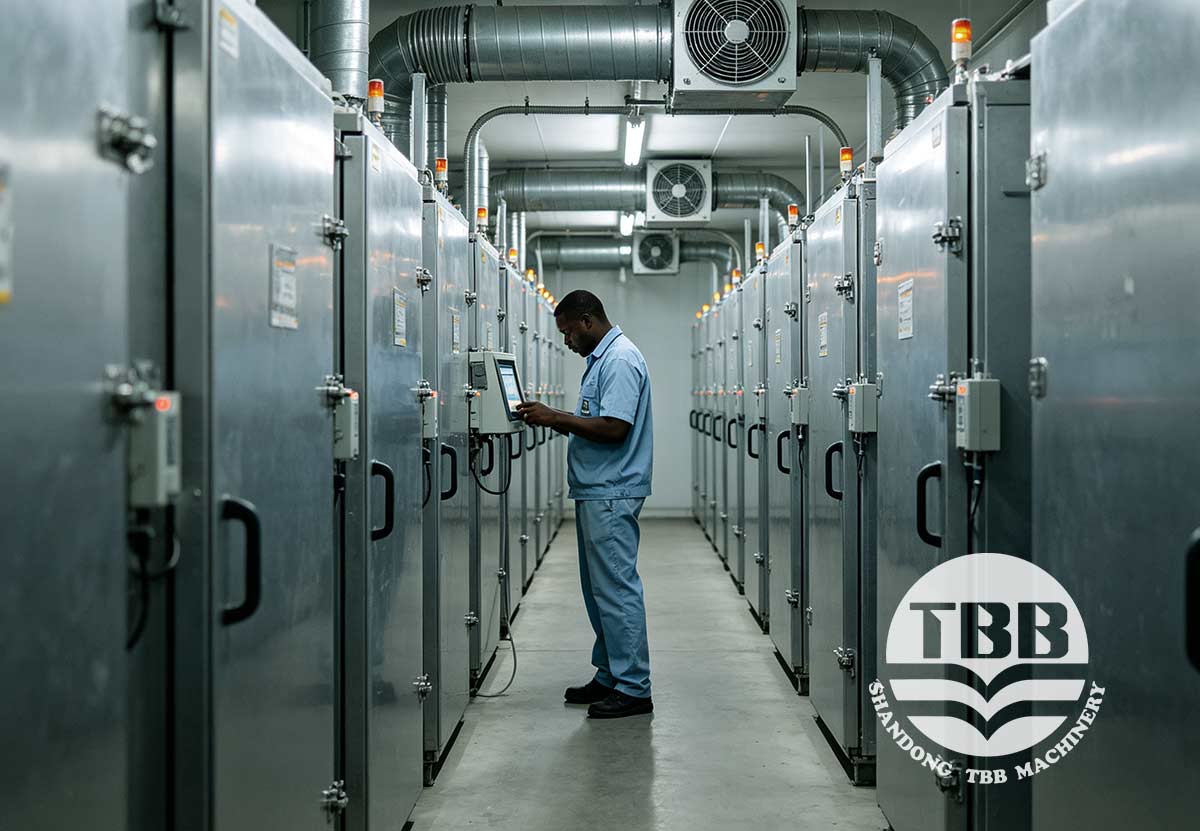
The good news is that big players are responding. Silverlands Tanzania, operating out of Arusha, has quietly become a benchmark for modern hatchery setup in East Africa. Their facility, running Royal Pas Reform's SmartSetPro™4 setters and SmartHatchPro™ hatchers, is doing something most local operations overlook: controlling the micro-environment from egg arrival to chick dispatch.
We are talking about cold-process water chillers, heat-recovery systems, and air-handling units that keep every single incubator tray at optimal humidity. More importantly, the SmartCenterPro™ data system tracks each batch in real-time. If a temperature spike occurs at 2 AM, the system flags it instantly. For hatchery managers, this is non-negotiable—because even a single-degree drift during the final hatch phase can measurably lower chick quality and, further down the line, feed conversion ratios (FCR).
But infrastructure alone doesn't fix the supply chain. You need a steady flow of genetics. That is where the new Cobb East Africa grandparent breeding facility in Naibili Village, Kilimanjaro, changes the game. Instead of relying solely on imported breeding stock that takes months to arrive, this facility is geared toward producing robust parent stock locally.
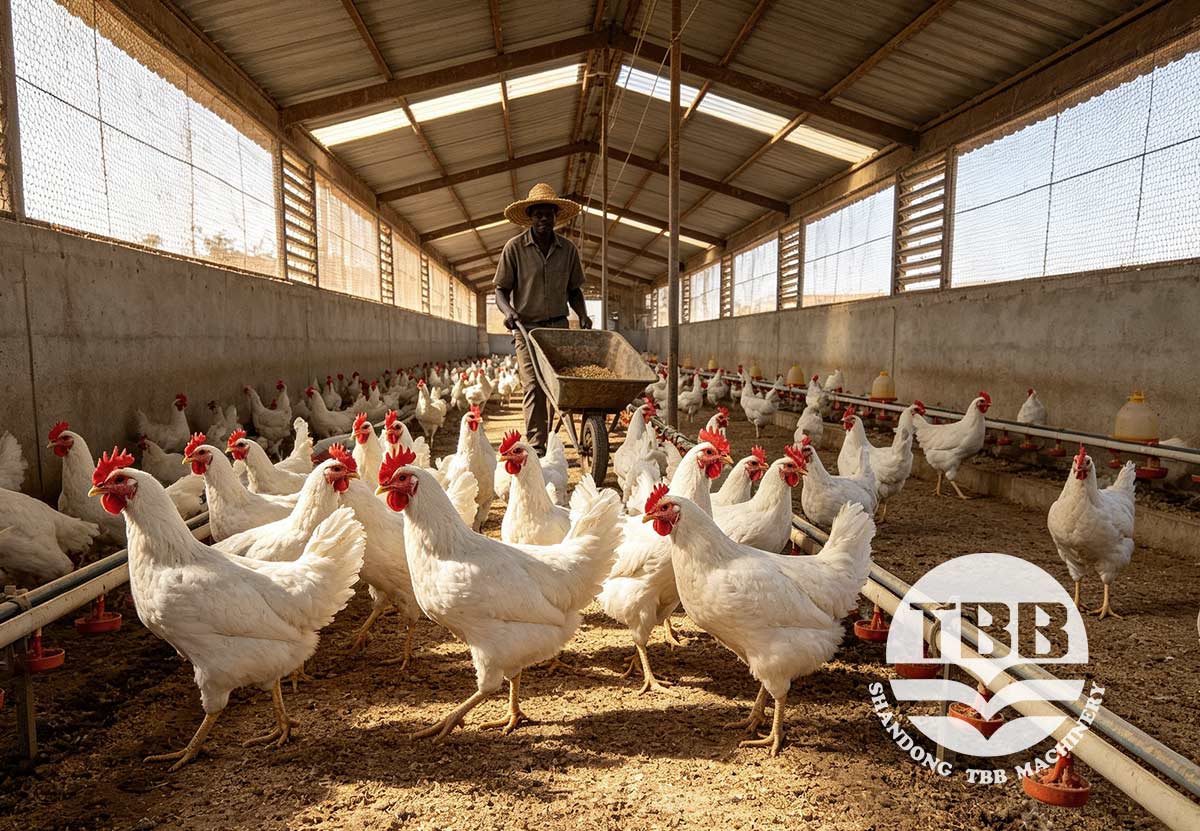
Shorter lead times mean hatcheries can better synchronise supply with farmer demand, reducing the wild price swings that plague the wet season.
For a grower planning a setup, the practical takeaway is this: the edge these operators enjoy comes from speccing equipment and genetics to local reality—climate, disease pressure, feed base—rather than lifting the cheapest line off a quote. Getting that specification right before capital is committed is where the margins are won or lost, and it is the first thing we examine when we help a new hatchery get off the ground.
▶ Vaccination and biosecurity: starting at the hatchery door
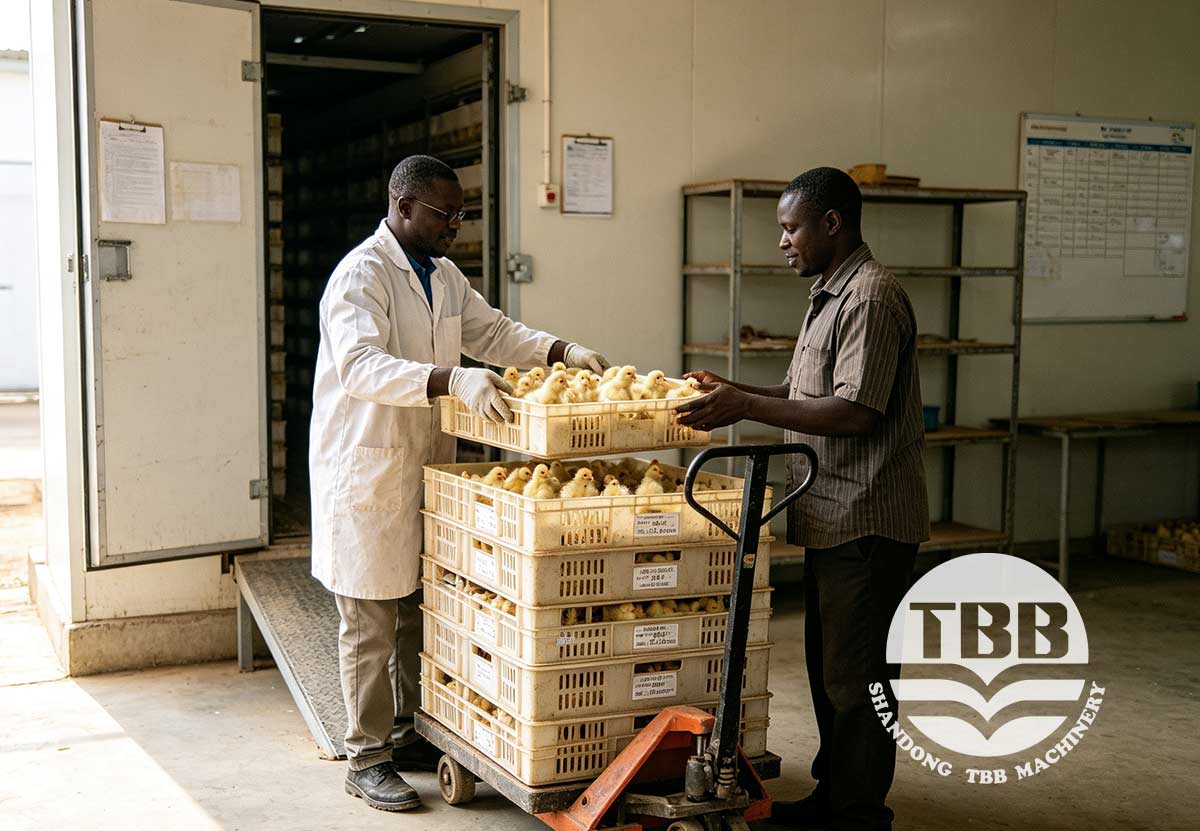
Ask any veterinary specialist in Dar, and they will tell you the same thing: disease prevention must happen before the chick leaves the facility. Leading hatcheries are now bundling vaccinations—against Newcastle disease and infectious bursal disease, among others—directly into the day-old chick price. Farmers receive a documented vaccination record with each batch, showing exactly what was administered and when.
Silverlands has even gone a step further by setting up an on-site diagnostic lab that collaborates with Tanzania's Director of Veterinary Services. They have also trained over 5,500 rural farmers in basic biosecurity, housing, and early disease detection. For a grower in Mbeya, that training often makes the difference between a 90% survival rate and a disastrous 50% one.

▶ What does this boil down to for local investors?
The numbers are too big to ignore. The National Poultry Development Strategy 2026–2036 aims to triple meat production from 156,000 to 380,000 tonnes annually. To get there, the government needs over 2.6 trillion TZS in private capital—and modern hatcheries sit right at the top of the priority list.
Feed costs still eat up about 70% of production expenses, but with soybean output targeted to jump from 25,000 to 300,000 tonnes by 2036, the input-cost equation is slowly tilting in favour of large-scale producers. For those willing to invest in hatchery setup now, the next 24 months represent a narrow window before the market consolidates around the first movers.
▶ Your next move: don't wait for the peak season rush
Whether you are scoping a greenfield hatchery project, upgrading an existing facility, or simply trying to stabilise your day-old chick supply chain from farm to farm, the time to act is before the Q4 rains push logistics costs through the roof—and before you commit to equipment that does not fit your site or your climate.
Here is what we are offering exclusively for this quarter: a complimentary 45-minute supply chain audit for the first five serious inquiries, covering your current mortality rates, transport routes, and biosecurity gaps. On top of that, we have reserved a special startup equipment bundle for 2026—priced at our distributor rate, which we usually reserve for bulk orders above 50,000 eggs per cycle.
Reach out via WhatsApp or our website contact form today. Mention the code “HATCHERY2026” in your first message, and we will fast-track your feasibility checklist within 24 hours. This rate expires on September 30, and we are already seeing a spike in project enquiries from Arusha, Iringa, and Morogoro. Secure your spot now—because in this industry, every week of delay is a week of lost margins.