



News
Côte d'Ivoire Broiler Farm: Real Cost to Raise 10,000 Chickens in 2026
Source: TBBView: 110Côte d'Ivoire Broiler Farm: Real Cost to Raise 10,000 Chickens in 2026
Côte d'Ivoire runs one of West Africa's fastest-moving poultry sectors. The national flock climbed from 57.46 million birds to an estimated 149.17 million in 2024, and the industry now turns over around 450 billion FCFA while employing more than 320,000 people directly and indirectly. Table-egg output is effectively self-sufficient, and the government wants chicken-meat production near 200,000 tonnes a year by 2030, up from 114,000 tonnes in 2024.
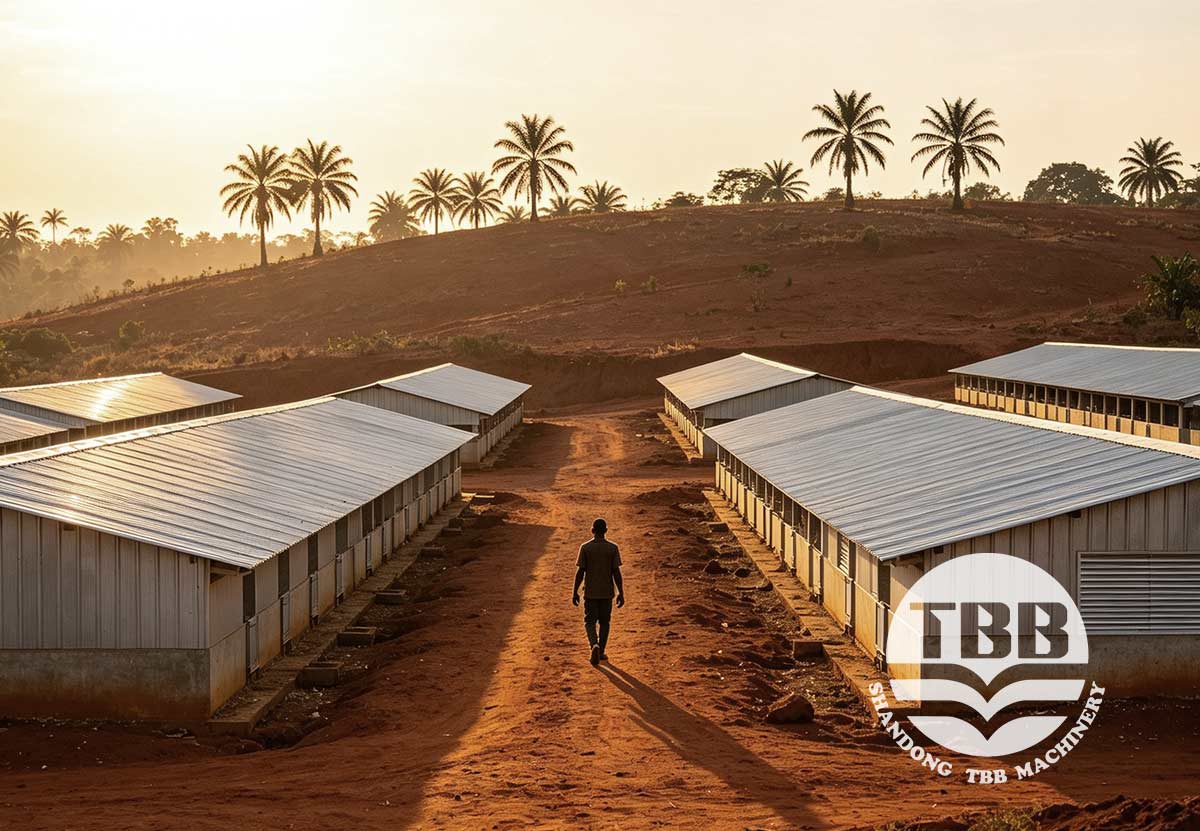
For farmers, investors and first-time operators asking one practical question — what does it actually cost to raise 10,000 broilers in Côte d'Ivoire in 2026 — the answer sits where cheap birds meet expensive inputs.
▶ The 2026 Landscape: Momentum Meets Pressure
Momentum is real. Dutch group De Heus announced a new feed plant in Korhogo in 2025, and Norway's Norfund committed €20 million to SIPRA, the country's leading integrated poultry producer, to expand capacity. But producers are squeezed from the input side. The 2026 finance law initially drafted an 18% VAT on animal feed, then revised it down to a reduced 9% before it took effect on 17 January — still the first time feed has carried VAT after years of full exemption. Because feed is 60–70% of broiler cost, even the lower rate bites.
Disease adds a second layer. In April 2026, Côte d'Ivoire confirmed its first major H5N1 outbreak since 2021, at a farm in Koun-Fao, killing about 95,000 birds. The 2021 episode forced the cull of more than 600,000 birds and cost over 3 billion FCFA. Biosecurity is no longer optional.
▶ Breaking Down the Real Costs for 10,000 Broilers
The figures below are indicative 2026 ranges drawn from Ivorian market surveys; confirm them against your own supplier quotes, since the CFA moves with feed-grain and freight costs.
Day-old chicks. Local hatcheries quote roughly CFA 650–850 per bird, so 10,000 chicks run CFA 6.5–8.5 million just to stock the farm.
Feed — the dominant driver. Broiler feed trades around CFA 320–450 per kg. Over a 42–45 day cycle each bird eats about 4–4.5 kg, so 10,000 birds consume 40–45 tonnes and the feed bill alone lands at CFA 12.8–20.25 million. Pushing FCR from 2.5 to 2.0 is worth 20–30% more profit — every decimal point matters.
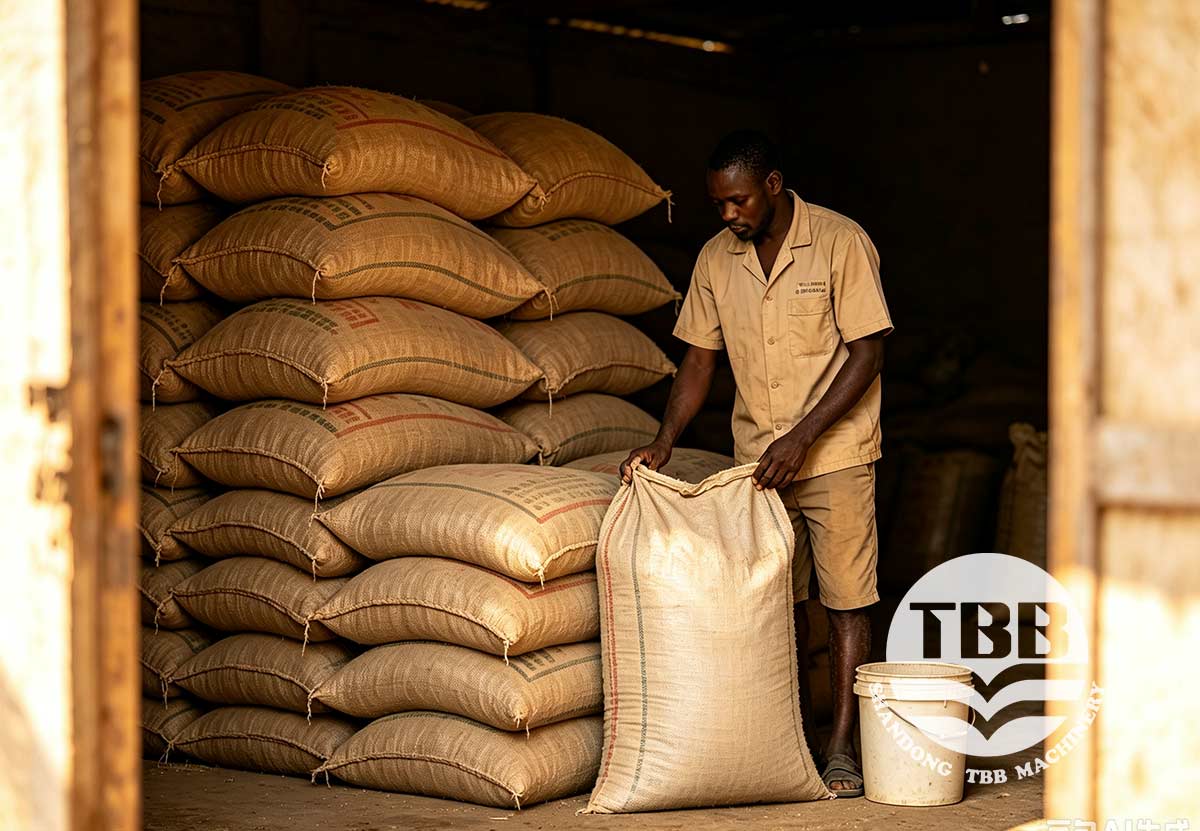
Housing and equipment. A semi-modern house for 10,000 birds with ventilation, feeders, drinkers and climate control costs CFA 10–18 million once. Spread over several cycles, that is CFA 500,000–1 million per batch.
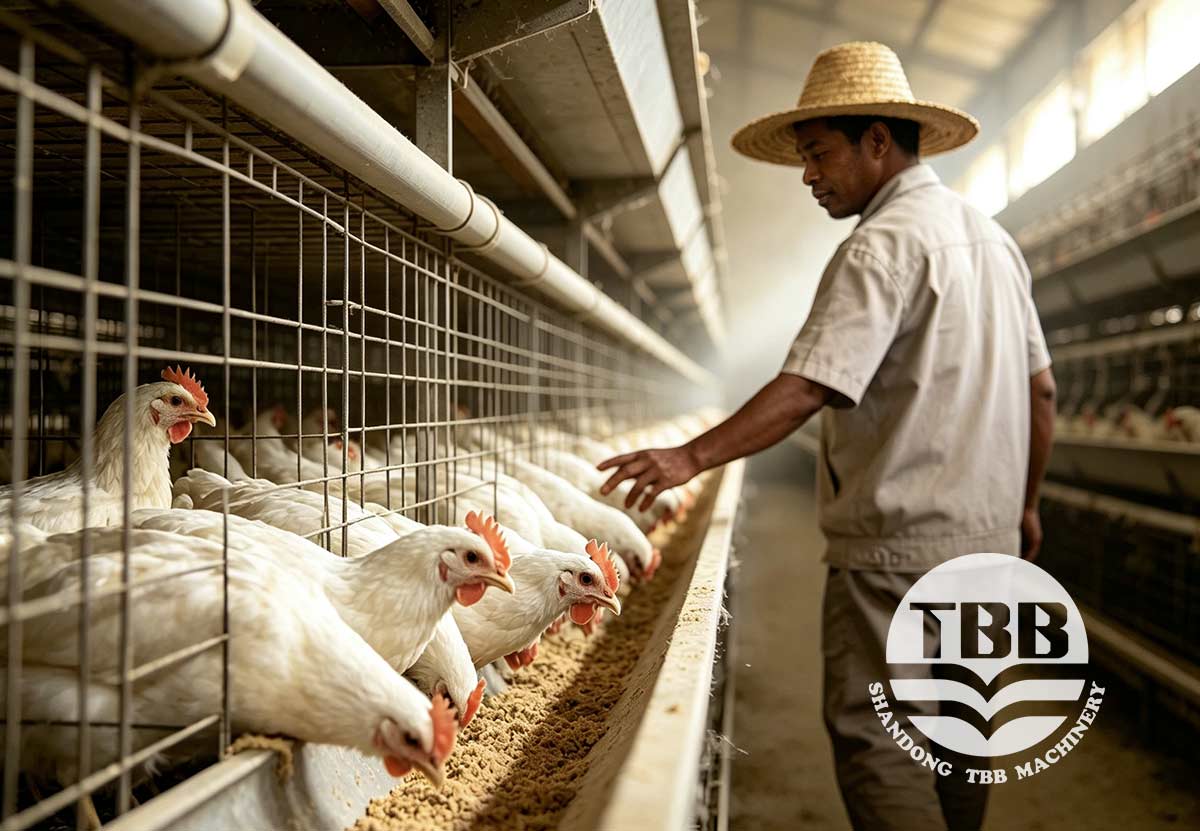
Vaccination and veterinary care. With H5N1 active, a full schedule against Newcastle disease, avian influenza and infectious bronchitis runs about CFA 200–300 per bird — CFA 2–3 million for the flock.
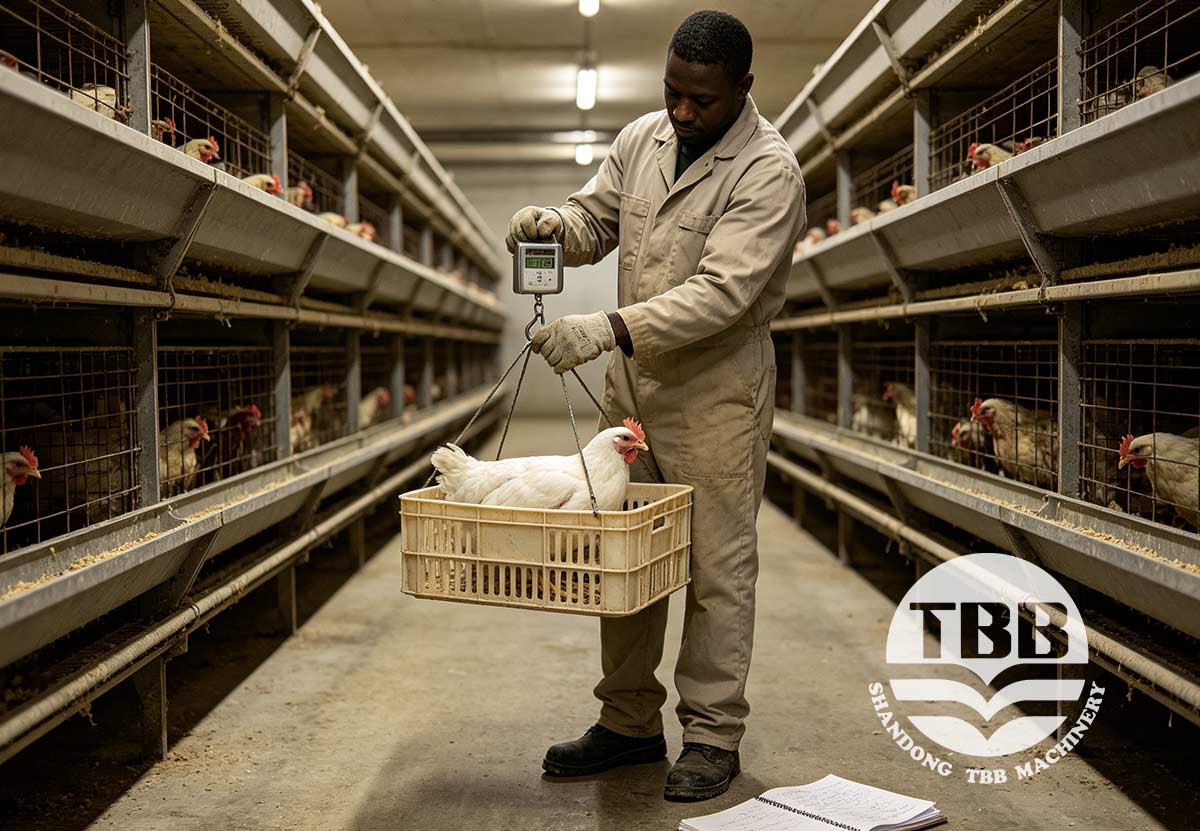
Labour. The agricultural minimum wage sits near CFA 36,000–40,000 a month. A 10,000-bird unit needs 3–4 workers, so labour over a 45-day cycle is CFA 500,000–700,000.
Utilities, bedding and transport add a further CFA 1.5–2.5 million.
▶ Total Estimated Cost Per Cycle
Day-old chicks: CFA 6.5–8.5 million. Feed (45-day cycle): CFA 12.8–20.25 million. Vaccination & veterinary: CFA 2–3 million. Labour: CFA 0.5–0.7 million. Utilities & miscellaneous: CFA 1.5–2.5 million. Total excluding housing: CFA 23.3–34.95 million. Add housing amortisation and a 10,000-bird cycle costs roughly CFA 24–36 million.
▶ Revenue and Profitability
At harvest, birds average 1.6–2.0 kg live weight. Live prices in 2026 run about CFA 3,319–4,100 per kg. At 85–90% survival (8,500–9,000 birds), saleable weight is 13.6–18 tonnes and revenue reaches CFA 45–73.8 million. With costs of CFA 24–36 million, a well-run unit can show gross margins of CFA 10–30 million per cycle.
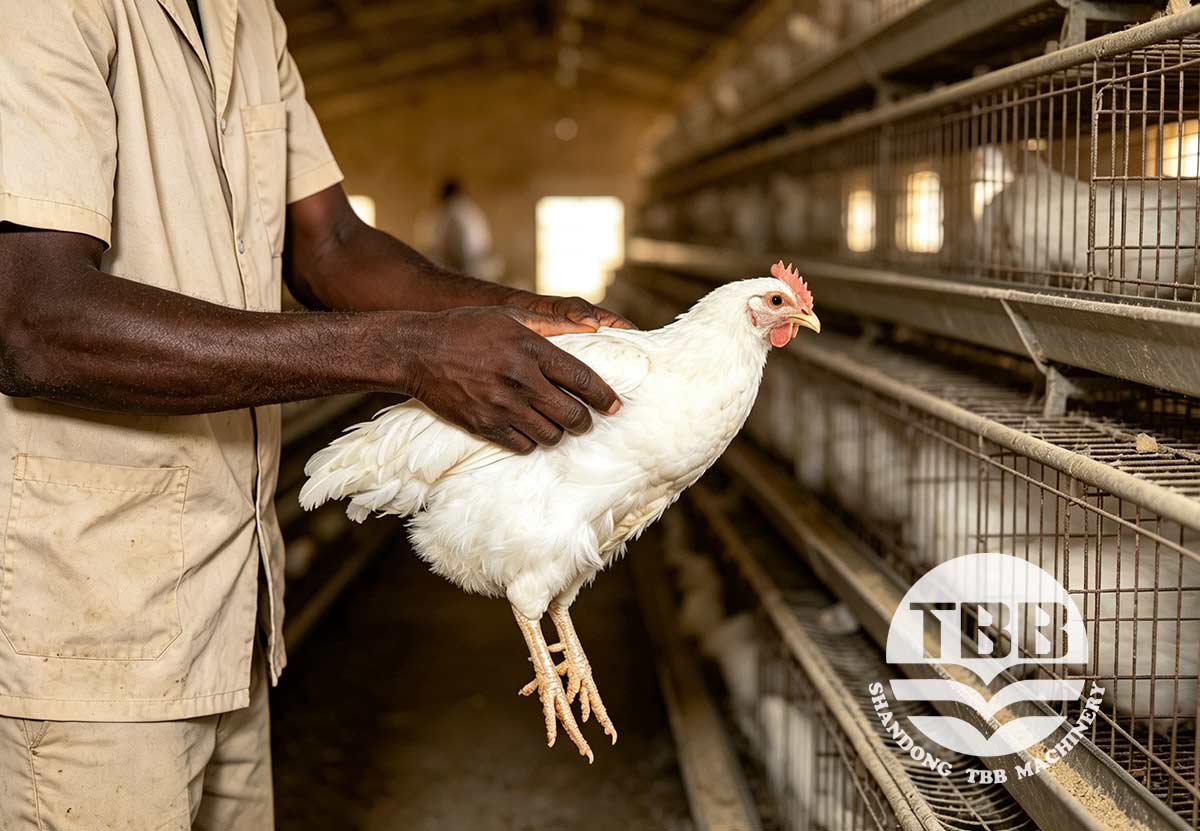
▶ Where the Equipment Choice Protects Those Margins
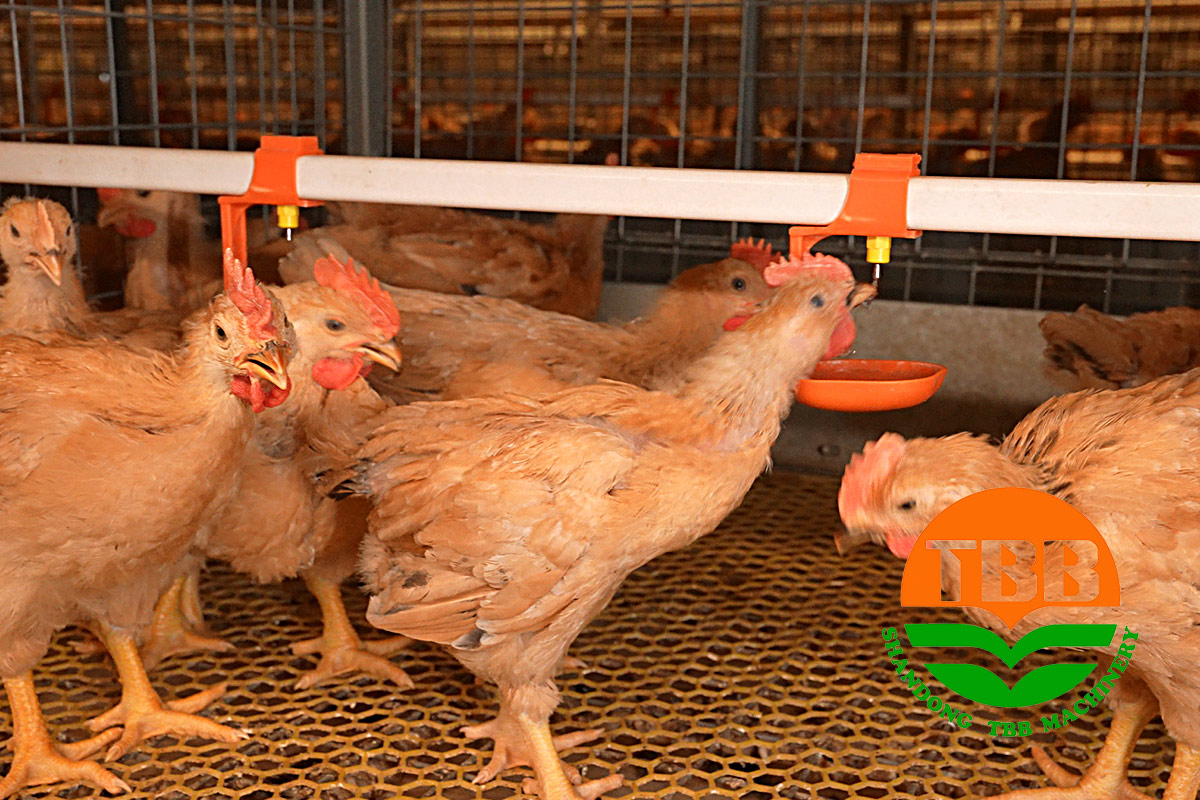
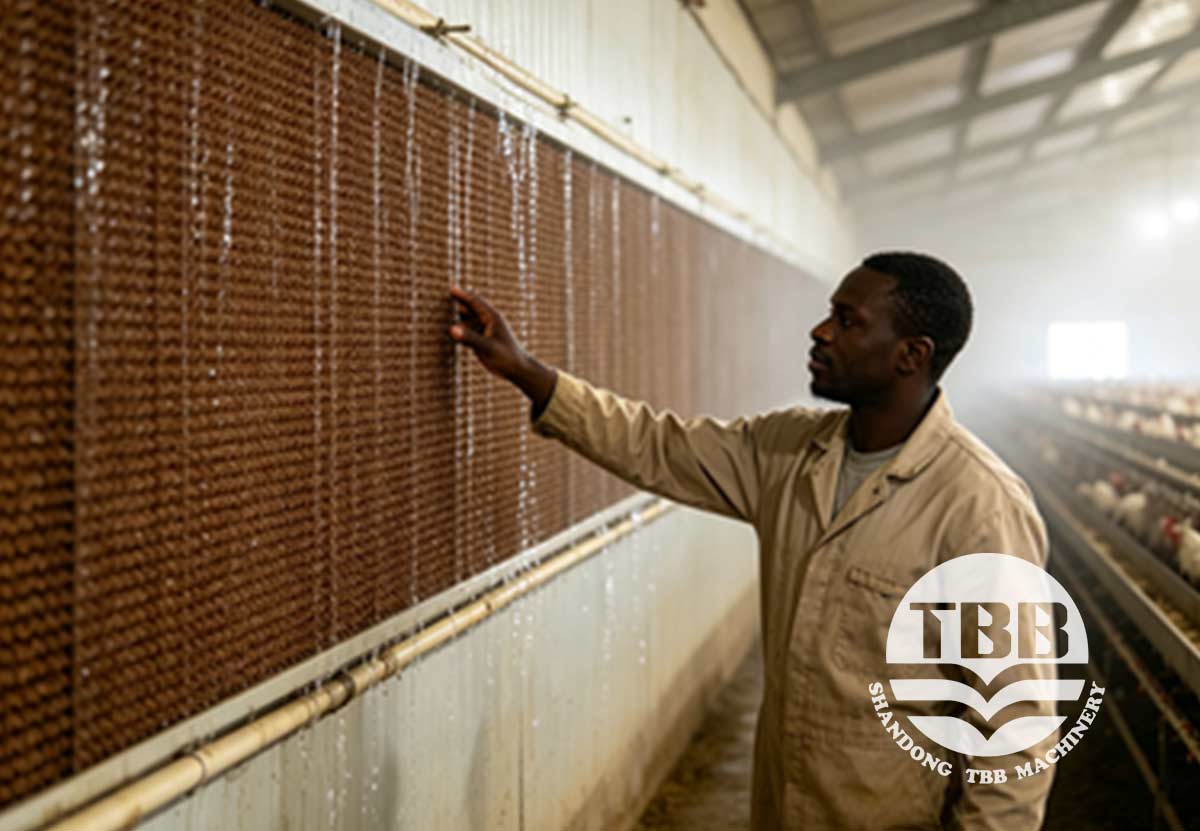
The single biggest lever after feed price is the house itself. In Côte d'Ivoire's heat, unmanaged heat stress quietly raises FCR and mortality; properly sized ventilation and cooling keep birds eating and gaining through hot months. Efficient nipple drinkers and enclosed feeders cut the feed wastage that eats into that 20–30% FCR gain, while a layout built for biosecurity — restricted access, controlled movement — is what lets a farm ride out an H5N1 scare without a 600,000-bird cull. None of this shows up as its own line item, but it decides whether your real margin lands at the top or the bottom of the range.
▶ The 2026 Squeeze
Producing one chicken now averages about CFA 2,400 — high enough that farmer associations are organising to make their own feed and pull cost toward CFA 1,500–1,600. The April outbreak is a reminder that skimping on biosecurity is the most expensive saving of all. Yet SIPRA's expansion, De Heus's plant and the 2030 target all point to a sector still growing.
If you are planning a 10,000-bird broiler operation in Côte d'Ivoire, the numbers reward scale, discipline and the right house. Talk to our team about a complete broiler housing and equipment setup — and ask for this year's best price.