



News
Saudi Arabia Wants to Feed Itself — Can Poultry Farmers Deliver?
Source: TBBView: 189Saudi Arabia Wants to Feed Itself — Can Poultry Farmers Deliver?
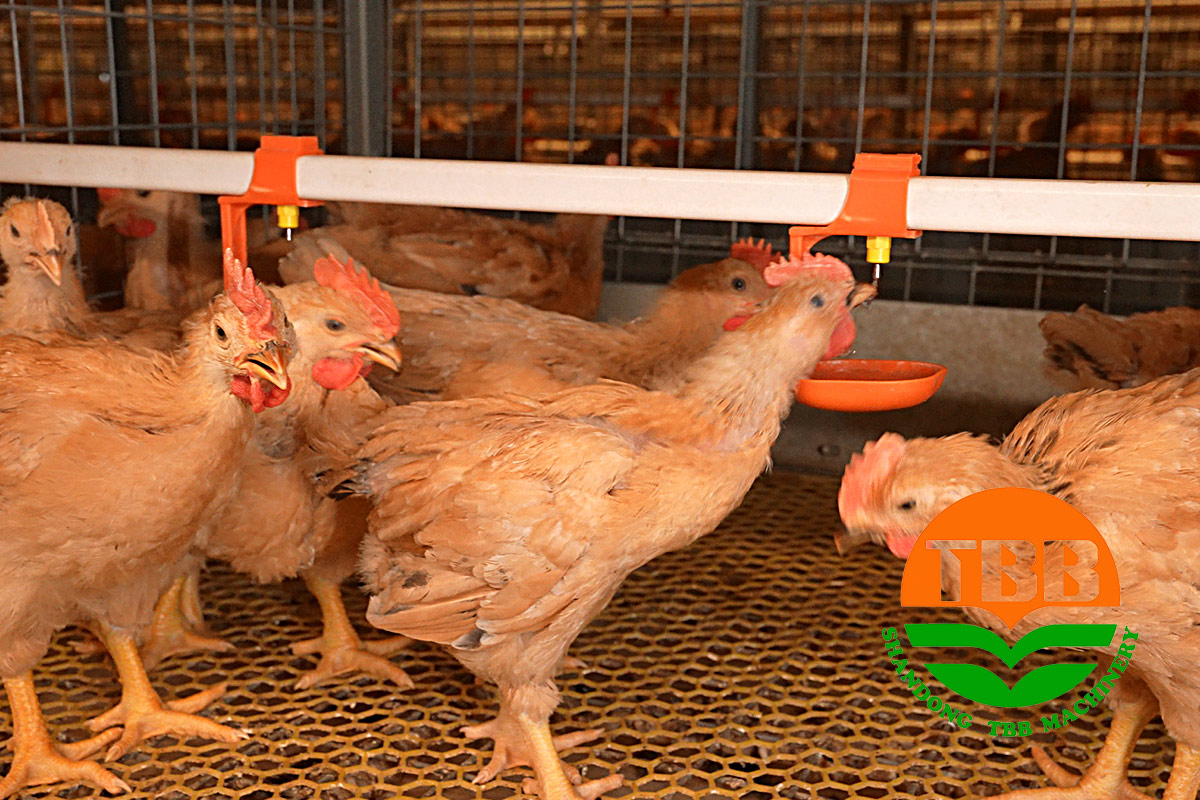
Inside a broiler house in Al-Qassim, 40,000 chicks thrive under evaporative cooling pads while outside temperatures soar past 48°C. The birds are gaining weight on schedule — a quiet testament to the kingdom's relentless drive toward food independence. Chicken is at the heart of Saudi Arabia's self-sufficiency agenda, yet the question remains whether local poultry companies can scale quickly enough to meet a target that doubles current output.
Today, domestic broiler meat self-sufficiency hovers around 58-60%, according to USDA estimates. Saudi consumers, with per capita poultry consumption among the highest globally, still rely heavily on frozen chicken imports from Brazil and France. Vision 2030 aims to flip that ratio, targeting 80% self-sufficiency in poultry meat — a goal that has triggered a wave of new broiler farm projects and processing plant investments across the kingdom.
▶ The Feed Barrier
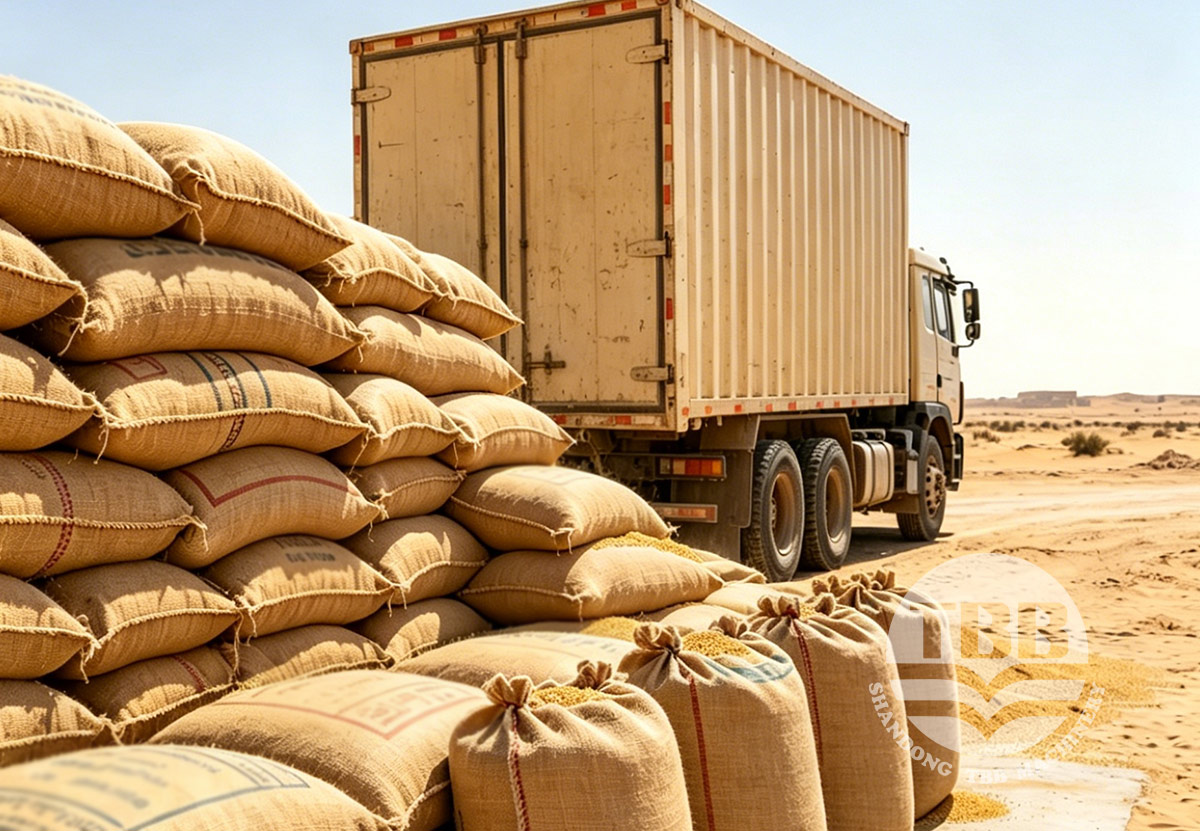
Saudi Arabia imports over 80% of its corn and soybean meal requirements, a vulnerability laid bare by Red Sea shipping disruptions and commodity price swings since 2022. A reliable poultry feed ingredients supplier strategy is now top of mind for every integrator. Compound feed mills are testing alternatives — sunflower meal, canola expeller, even insect-based meals — but reformulating without sacrificing growth rates remains costly. Industry data from the Saudi Ministry of Environment, Water and Agriculture suggests feed represents up to 70% of live bird production costs, making every point of feed conversion ratio improvement worth millions of riyals to a mid-sized broiler operation.
▶ Water and Climate Reality
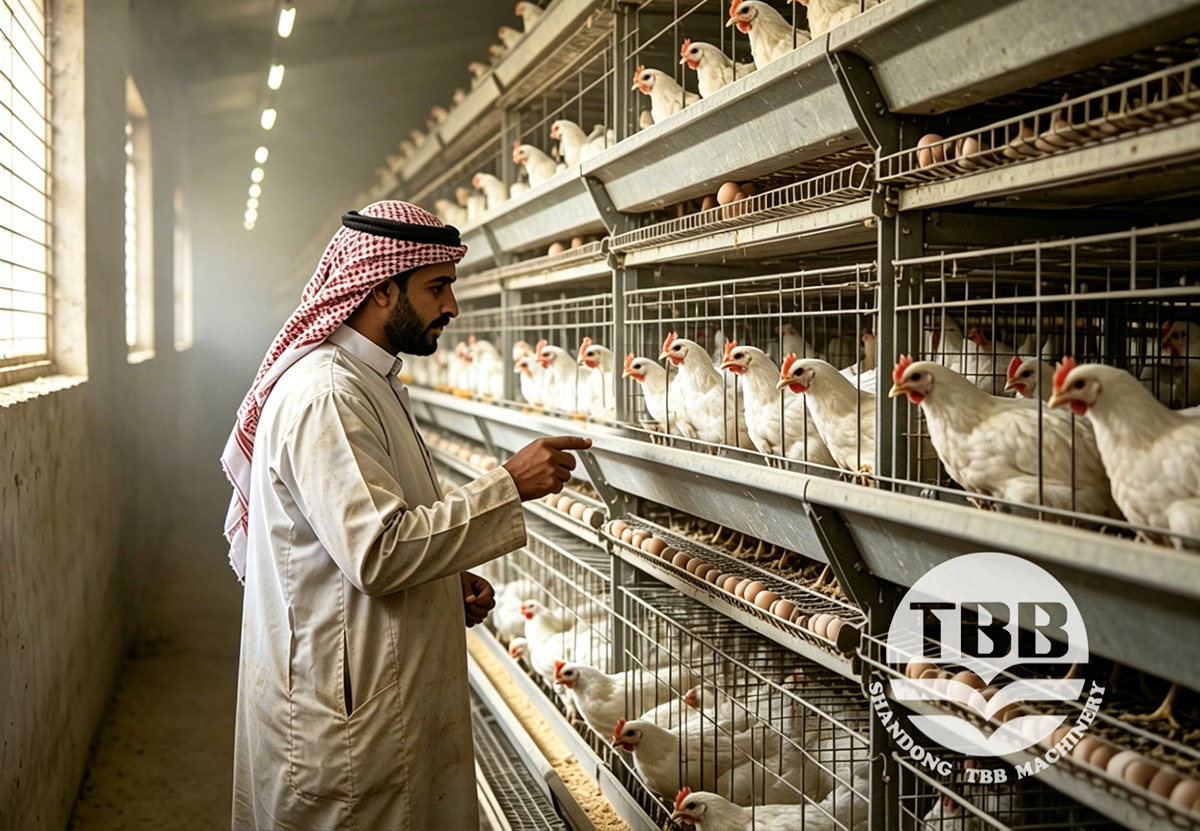
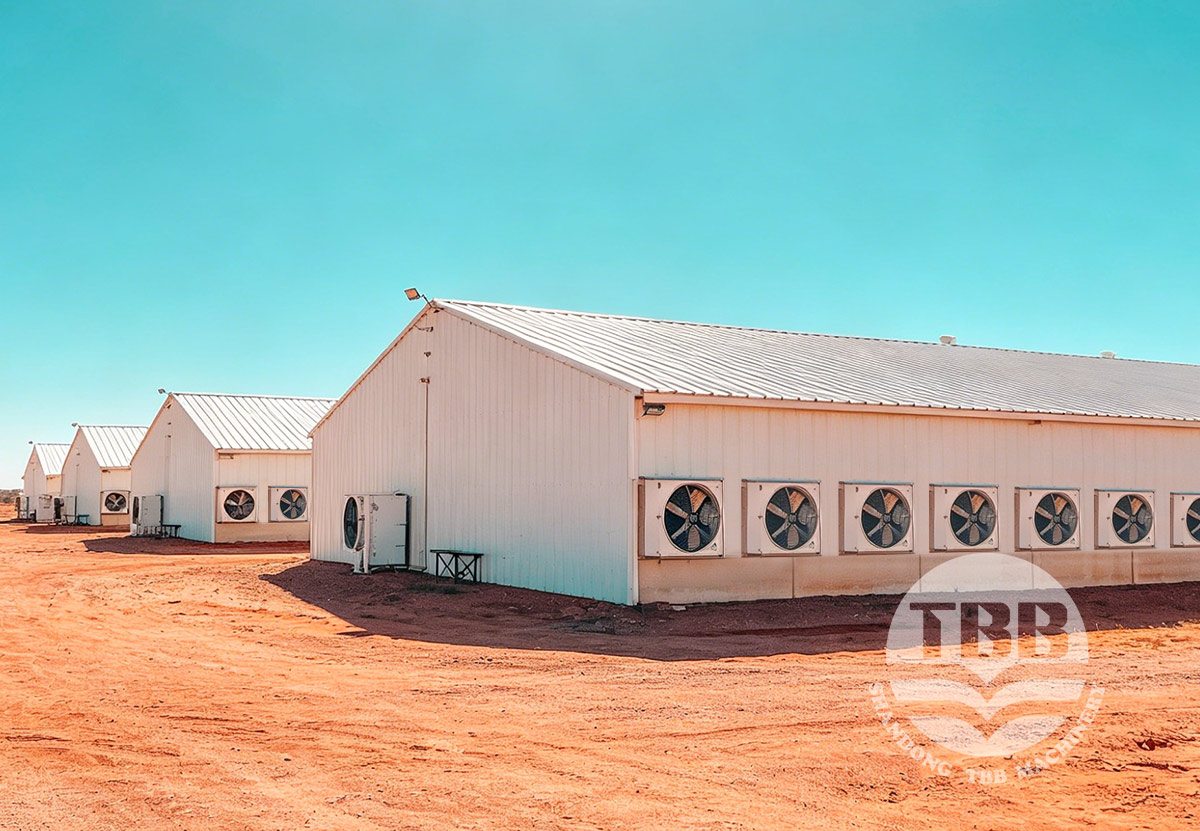
Water scarcity is the second bottleneck. With no permanent rivers and depleting aquifers, regulators now tie new farm licenses to treated wastewater reuse and rainwater harvesting. This is accelerating demand for water-efficient poultry farming systems with closed-loop drinking lines and solar-powered cooling. A growing number of suppliers of automated poultry equipment in Dammam and Riyadh report increased inquiries for tunnel-ventilated, fully enclosed houses capable of maintaining production through the Gulf summer. The shift isn't optional — it is becoming a license to operate.
▶ Disease Pressure and Biosecurity
Outbreaks of highly pathogenic avian influenza and Newcastle disease periodically sweep through regional flyways, and concentrated poultry populations in Al-Kharj and Sudair can amplify transmission. Leading companies are investing in multi-zone entry systems, air filtration for breeder farms, and real-time mortality dashboards. The government has tightened movement controls on live birds, but the fragmented sector — with many smallholders still in open-sided sheds — leaves the broader supply chain exposed. For anyone evaluating poultry farm investment in Saudi Arabia, the quality of a project's biosecurity protocol is now as critical as its financial model.
▶ The Corporate Response
On the ground, the response is aggressive. Almarai's poultry division has doubled processing capacity and expanded its vertically integrated model from grandparent stock to branded chilled cuts. Al-Watania Poultry is retrofitting older units into enclosed, environmentally controlled broiler houses that maintain output year-round. The Saudi Agricultural Development Fund offers subsidized loans covering up to 70% of capex for new processing plants and farms — a clear signal the state is underwriting the push for local production.
▶ Genetics & Nutrition: The Quiet Revolution
A quieter revolution is unfolding in genetics and nutrition. Breeders are selecting heat-tolerant strains with better feed efficiency under cyclic heat stress — essential when daily temperature swings exceed 20°C. Automated feeding systems that adjust amino acid profiles in real time are beginning to appear in larger complexes, aiming to trim feed conversion ratios that remain 10-15% above cooler-climate benchmarks.
▶ Can the Targets Be Met?
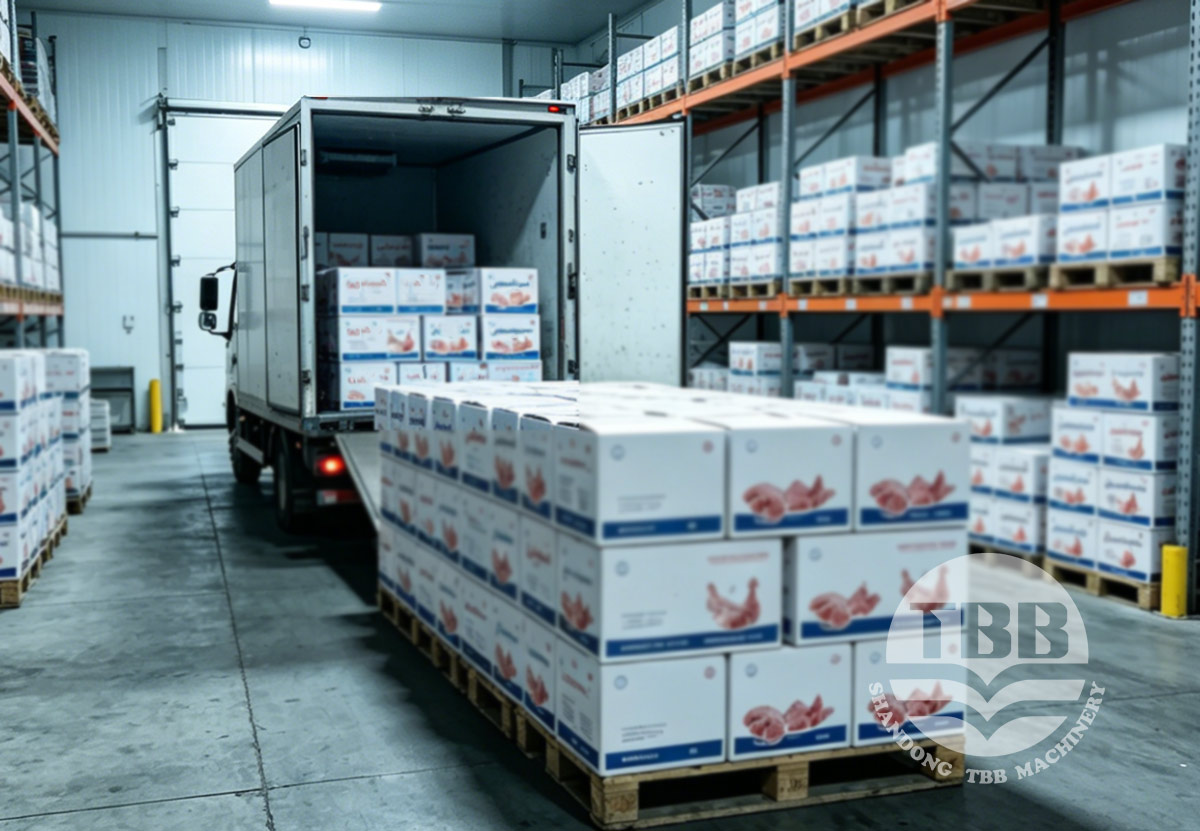
Despite the momentum, analysts caution that expanding slaughter capacity is faster than building a stable, biosecure breeder pyramid. Imported fertile eggs still satisfy a significant portion of hatchery demand, and genetic dependency remains a strategic weak point. Without faster progress on local feed production and grandparent stock development, the 2030 self-sufficiency target could easily slip by a decade. Still, procurement contracts now favor local content, land is allocated for integrated poultry cities, and vocational training programs are drawing young Saudis into the sector.
The kingdom is treating poultry not as a mere commodity but as a strategic asset. For suppliers, investors, and technology partners, the opportunities span the entire value chain — from day-old chick supply to cold chain logistics and processing automation.
If you're exploring the Saudi poultry market — sourcing equipment, evaluating project costs, or looking for a local partner — reach out. I'll help you navigate the landscape. Mention this article and you'll receive this year's most competitive advisory rates.