



News
I Visited 10 Poultry Farms in Uganda — Here’s What the Profitable Ones Do Differently
Source: TBBView: 179I Visited 10 Poultry Farms in Uganda — Here’s What the Profitable Ones Do Differently
Last harvest season, I spent three weeks driving through central and eastern Uganda — Mukono, Jinja, Mbale, and the villages in between. I walked through poultry houses, sat with farm owners under mango trees, and took notes on everything from feed storage to cage spacing. Some farms were barely breaking even. A handful were turning solid profits, batch after batch. The gap between them was not luck — it was a set of habits anyone can copy.
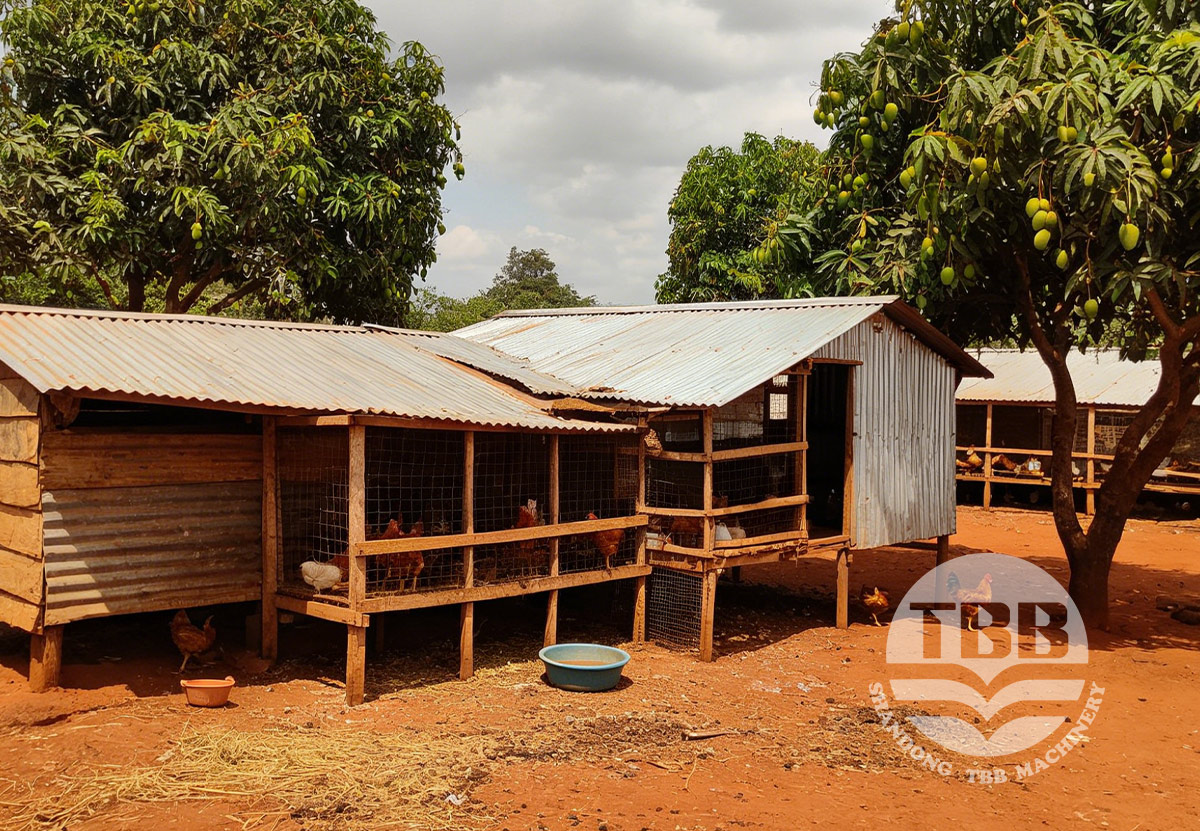
Uganda’s poultry sector is growing fast. Domestic consumption is rising. Urban demand for eggs and chicken meat is climbing. More young farmers are entering the business. But growth brings competition. The farms that survive and scale are not the ones with the most capital — they are the ones that make smarter, more disciplined decisions from day one.
▶ 1. They Treat Feed Like a Bank Account
Feed swallows 60 to 70 percent of total costs in Ugandan poultry operations. The profitable farms don’t buy on impulse. They calculate their broiler feed conversion ratio (FCR) weekly. In the best-run broiler house I saw, the owner averaged an FCR of 1.7 at slaughter, while a struggling farm nearby was burning 2.3 kg of feed for every kilogram of live weight — a margin killer.
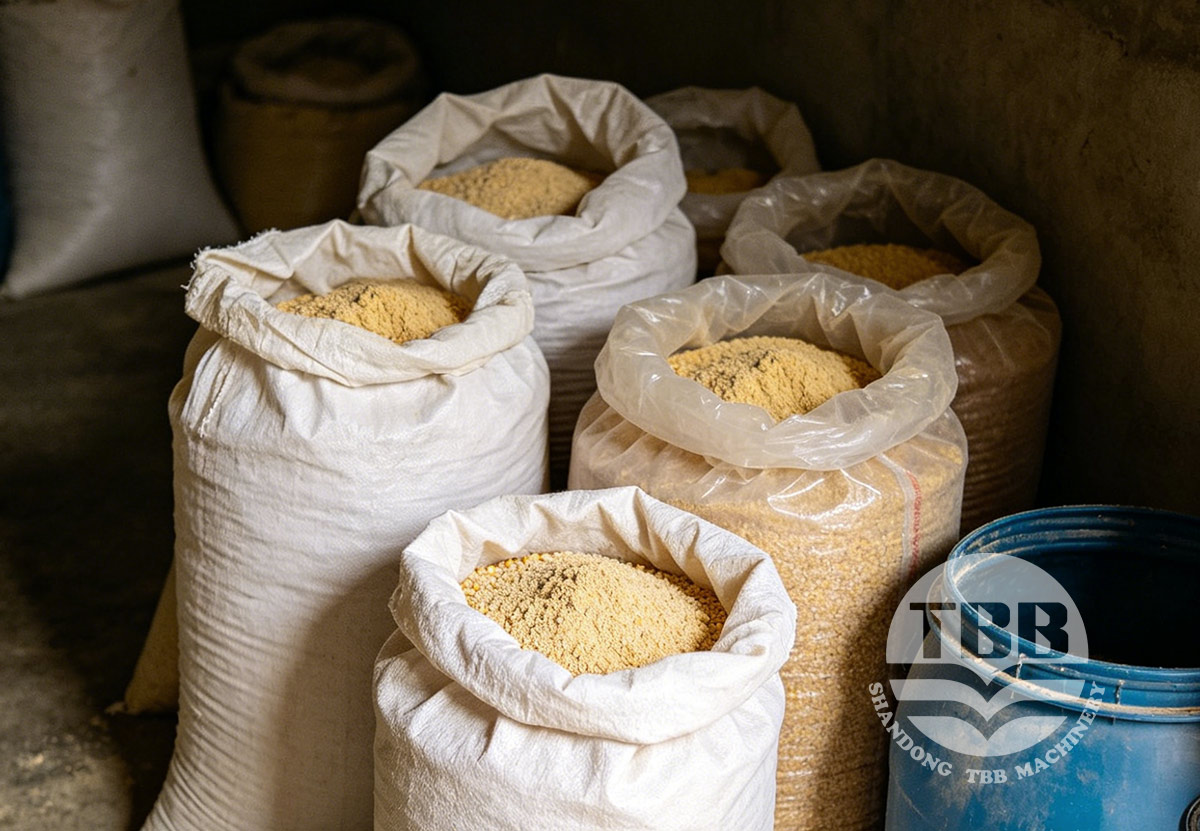
For layers, the profitable farms track feed cost per tray of eggs. One farmer outside Mukono knew his cost was UGX 7,200 per tray when maize prices were stable, and he had a rule: if that number crossed UGX 8,000, he would immediately explore alternative formulations or forward-buy ingredients. The farms that lose money buy whatever is available at the local market and hope for the best. By the time the maize is moldy or the protein is off, the damage to the flock — and the wallet — is already done.
Good feed management also means testing a sample of every new delivery with a simple sieve or float test to check for sand, stones or spoiled grain. It takes ten minutes and saves thousands.
▶ 2. They Build Housing That Works Before Adding Birds
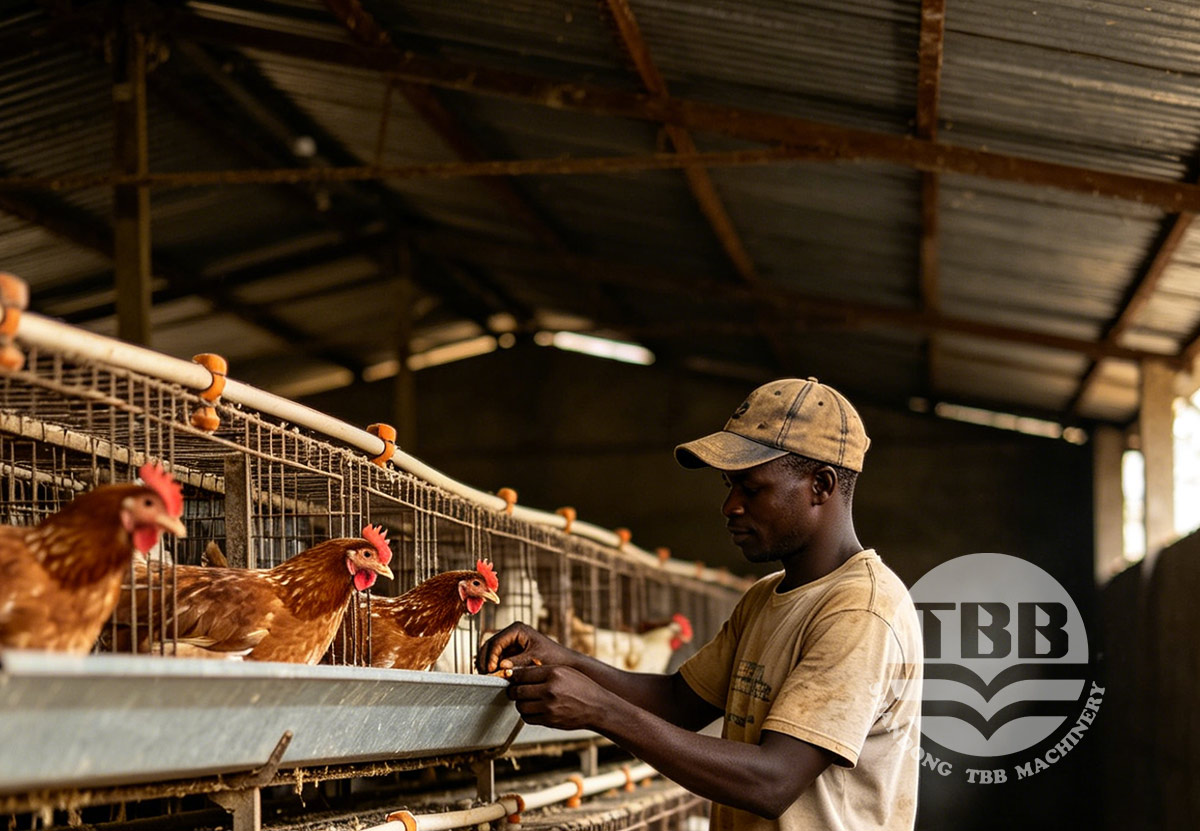
First-time builders in Uganda often pour money into more chicks rather than better housing. Profitable farms do the opposite. They invest in enclosed, well-ventilated structures with concrete floors, proper drainage, and insulation under the iron sheets before adding a single extra bird. They understand that even budget poultry housing in Uganda must prioritize three things: airflow, biosecurity, and easy cleaning.
In hot, humid conditions, open-sided mud-floor sheds create a perfect incubator for coccidiosis and bacterial infections. A layer farmer near Jinja showed me his simple upgrade: he raised the floor with compacted murram, laid a 1:3:6 concrete slab with a slight slope, and installed mesh-covered windows on opposite walls for cross-ventilation. His mortality from wet litter diseases dropped by half in the next flock. He didn’t spend a fortune — he spent deliberately.
There’s a clear reason why demand for improved cage and deep-litter systems is rising across the country. Even if you start small, getting the physical environment right pays back faster than any other investment.
▶ 3. They Keep Numbers, Not Guesses
You would be surprised how many farm owners cannot tell you their exact mortality rate for the last batch. The profitable ones can. They keep simple records — a notebook, a whiteboard, or a shared Google Sheet on a phone. They track feed intake, water consumption, mortality, medication, and output (eggs or kilograms of meat) every single week.
One farmer in Mbale used a basic exercise book with columns: date, total birds, mortalities, feed bags opened, eggs collected, and remarks. When his water intake dropped 15% over two days without a change in weather, he caught a leaking drinker line before ammonia built up and triggered respiratory stress. Another farm missed that signal and lost 60 birds to air-sac infection.
Record keeping does not require software. It requires a five-minute habit at the same time each day. If you can tell within a glance whether your mortality rate this month is above 1% in layers or above 3-4% cumulative in broilers, you already have an edge over most of your competitors.
▶ 4. They Treat Vaccination as Non-Negotiable
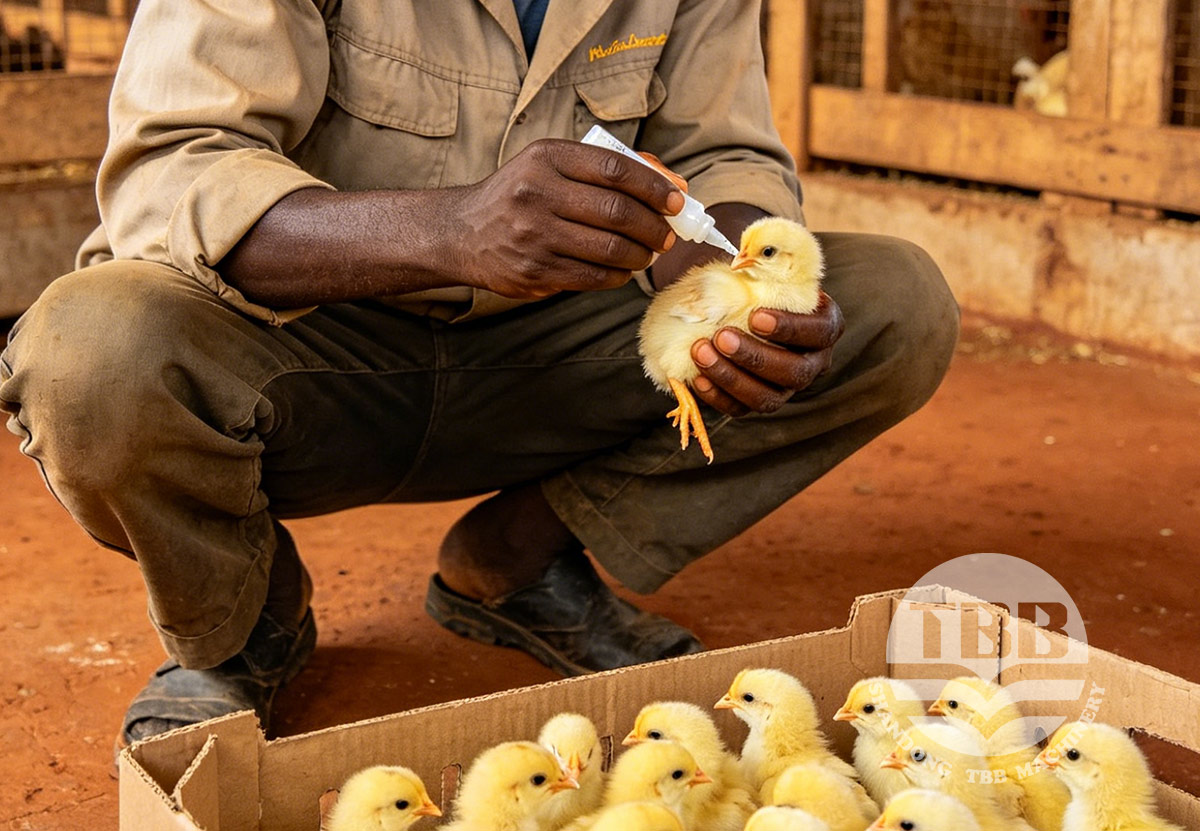
Newcastle disease and fowl typhoid remain the biggest killers in small to mid-size poultry operations across Uganda. The profitable farms follow a strict vaccination schedule with no skipped boosters. A typical broiler program I saw working well: day 1 Marek’s (at hatchery), day 7 Newcastle live (HB1 or La Sota), day 14 Gumboro, day 21 Newcastle booster. Layers add fowl typhoid and infectious bronchitis at point of lay. The key is never buying vaccines from a market stall where the cold chain is a rumor.
I watched the cost of a missed booster outside Jinja. A farmer skipped the second Newcastle dose to save UGX 60,000. Four days later, 800 birds were dead. The calculated loss was over UGX 12 million. Disease prevention in the tropics isn’t theoretical — it’s brutal math.
▶ 5. They Source Chicks From Hatcheries They Trust, Every Time
Day-old chick quality varies enormously across Uganda. Profitable farms consistently pay slightly more for chicks from hatcheries that can show parent-stock vaccination records and a clean pullorum test history. They check uniformity by weighing a sample — if the coefficient of variation is above 12%, they know future growth will be uneven and costly.
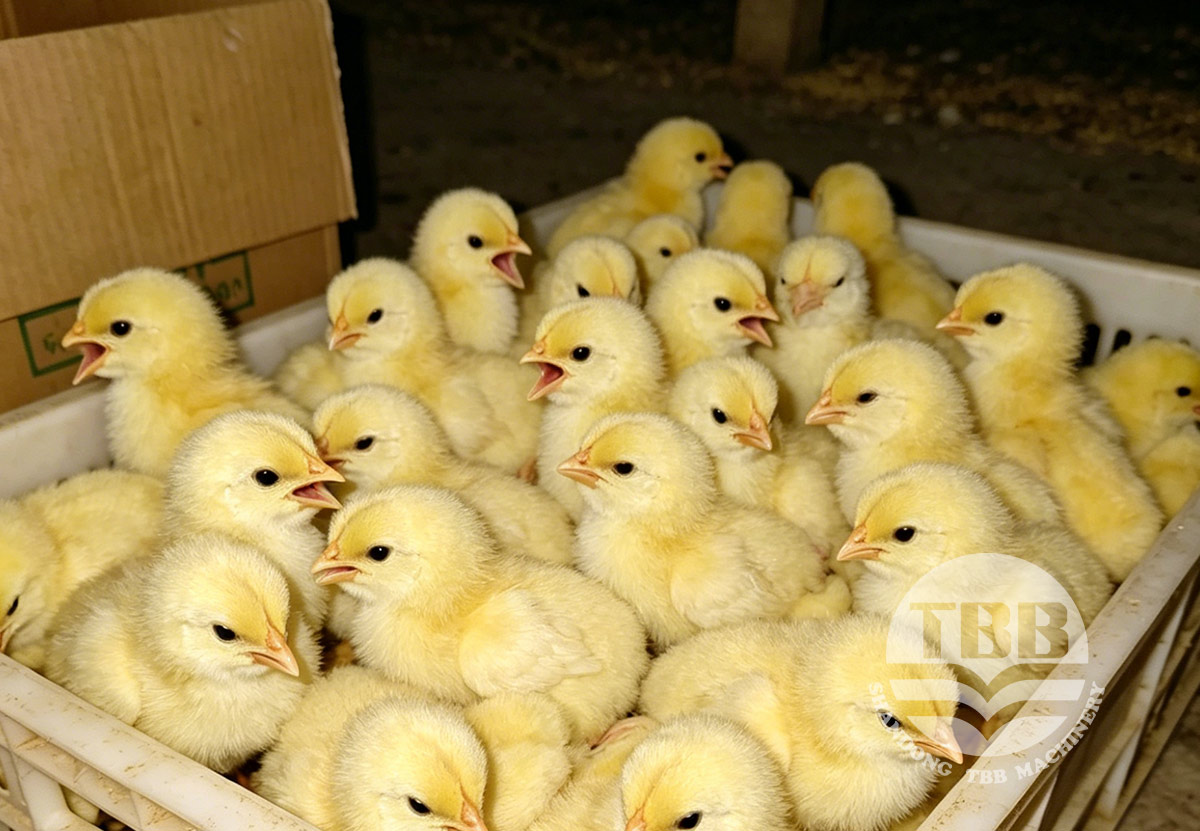
Cheap chicks often bring hidden problems: weak maternal immunity, uneven sizes, higher early mortality. The “saving” on day-old prices disappears the first time you have to cull 5% of the flock in week one. The best-performing farm I visited had used the same hatchery for three years and viewed the extra UGX 200-300 per chick as the cheapest insurance they bought.
What This Misses — And Why These Five Still Matter
These five habits won’t solve everything. I saw farms that struggled with borehole water high in iron, with sudden oversupply in local egg markets, with thieves, with extended power cuts ruining brooding cycles. Profitability also depends on litter management, biosecurity protocols for visitors, and finding reliable buyers before harvest day.
But here is what stood out after visiting 10 farms: every owner who consistently made money shared these five disciplines. The ones losing money were missing at least two of them. The habits are not expensive. They are just easy to neglect until the losses arrive.
The difference between a farm that folds and one that grows is not complicated. It comes down to feed discipline, appropriate housing, daily records, strict vaccination, and trusted chick sourcing — practices that cost very little to adopt but become enormously expensive to ignore.
If you are setting up or upgrading a commercial poultry house in Uganda and want to get the structure and equipment right from the start, I’m happy to share practical design ideas. Reach out and mention this article, and I’ll put together a preliminary layout and equipment concept for your bird count and budget — with no obligation, just the kind of guidance I wish more farmers had before they broke ground.