



News
Angola's 20% Local Chicken Rule Takes Effect — Domestic Output Covers 23%
Source: TBBView: 135Angola's 20% Local Chicken Rule Takes Effect — Domestic Output Covers 23%
Angola now requires importers of poultry and other selected foods to buy at least a fifth of what they sell from domestic producers. Presidential Decree 130/26 took effect in June, and the USDA's Luanda office published its assessment of the sector in August.
What the rule runs into is a small production base. Domestic chicken covers about 23% of national consumption, and the country's seven industrial slaughterhouses already run below capacity because not enough birds are being grown to supply them.
▶ What the decree does
The decree ties import licences to local sourcing. Importers must procure at least 20% of the products they commercialize from domestic producers as a condition of getting a licence. The intent, as the USDA report puts it, is to force stronger commercial links between importers, processors and Angolan farms.
It fits a longer pattern. Trade ministry figures put 2025 chicken imports at roughly 228,000 tonnes, worth more than US$312 million, down 18.64% year on year, while licences have tightened progressively. At an inauguration in Benguela, Agriculture Minister Isaac dos Anjos said the government will progressively reduce pork and poultry imports to protect national production.
▶ The capacity already built
Public investment has put the base in place. The Ministry of Agriculture and Forestry counts ten poultry production units — 200 houses — with installed capacity for about 1.04 million birds, concentrated in Cuanza Norte, Malanje, Lunda Norte and Moxico, alongside two slaughterhouses and three feed mills. Angola has seven industrial slaughterhouses in total, with combined capacity near 130,000 birds a day.
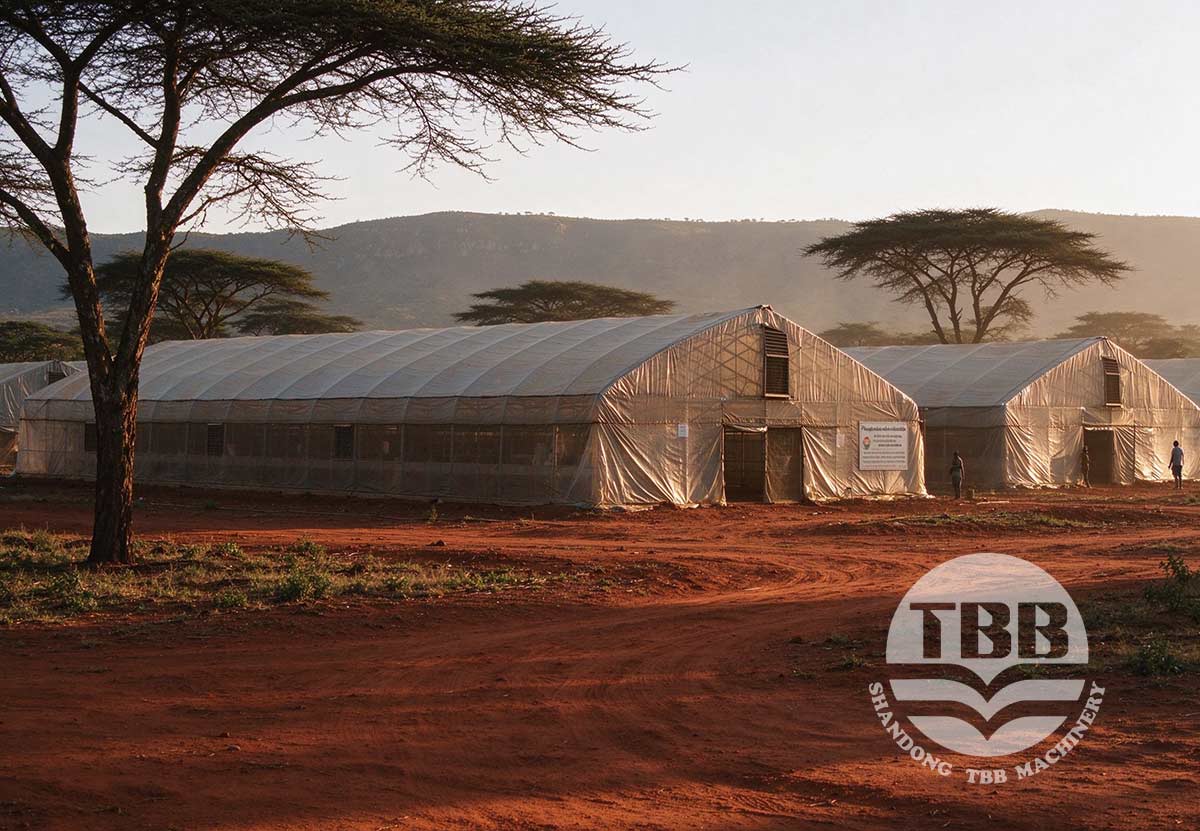
Utilisation is the problem. Those plants run below capacity because live bird production hasn't grown fast enough to feed them.
▶ Where the pressure lands
Flock size explains most of it. Ministry data cited by the USDA split producers into three tiers: large commercial operations typically house around 30,000 birds per house, small producers about 5,000, and micro producers 1,000 or fewer. The smaller tiers supply local and informal markets, with limited access to processing, cold chain, distribution and finance.
The gap between 5,000 and 30,000 birds is where the policy pressure lands, and it is where financing is now moving.
▶ Credit, and one cooperative's numbers
The Agricultural Development Support Fund committed 800 million kwanzas to the Huíla Poultry Farmers' Cooperative, half of it disbursed so far. Under FADA's model, 70% of the investment goes directly to suppliers and 30% reaches the borrower as working capital, with a one-year grace period followed by four years to repay. That structure sends most of the credit straight into equipment and inputs rather than into the borrower's account.
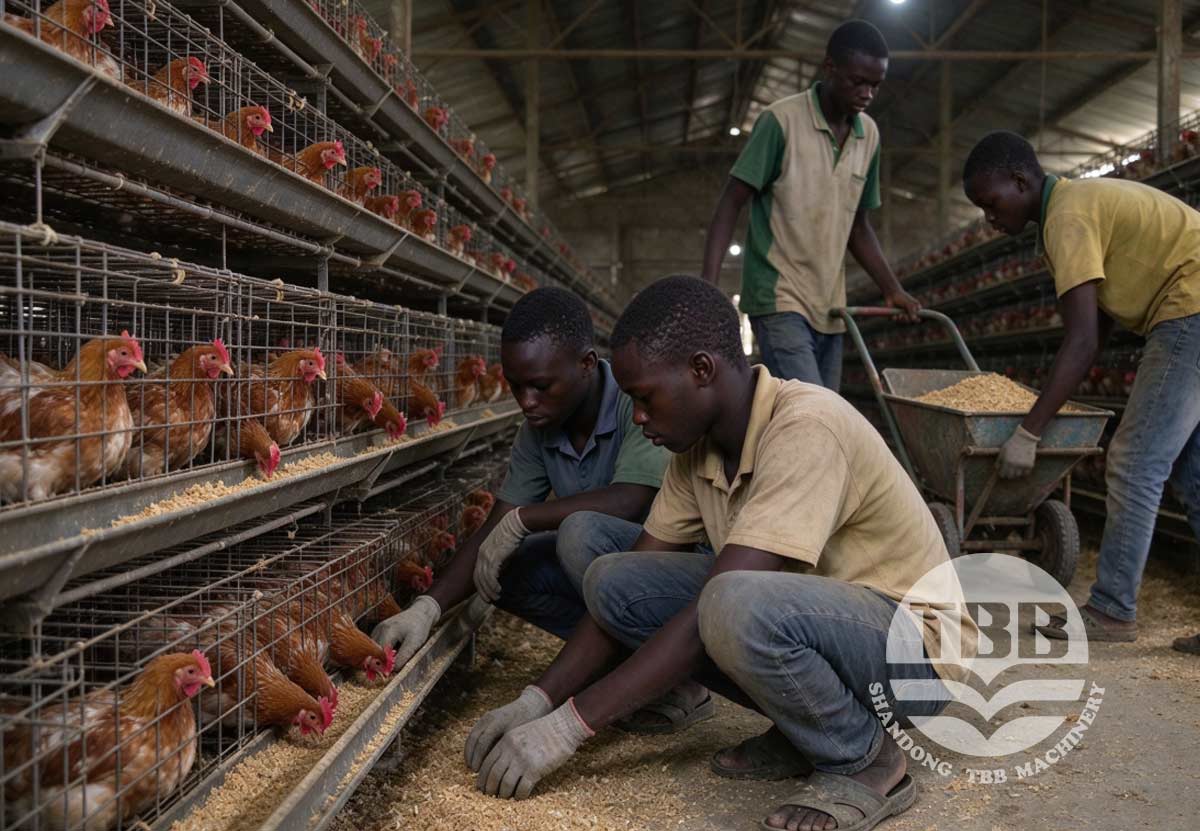
Cooperative president Miguel Calandula said the cooperative's output has gone from about 4,000 birds per cycle to 22,000 across its members' houses, and the cycle itself has been cut from 40 days to 30. It has created 60 jobs for young people. Even so, the cooperative is running at half its installed capacity by choice — and Huíla still produces 669,466 kg of the 3,060,717 kg of chicken meat the province needs each year.
▶ The constraints that haven't moved
Feed remains the largest production cost, with corn and soybean meal dominating. Angola still imports soybean meal, feed additives, veterinary products, breeding stock — and production equipment. Finance is tightest for mid-sized producers trying to modernise or expand. Electricity supply is unreliable, transport is expensive, and cold chain outside the main cities is thin.
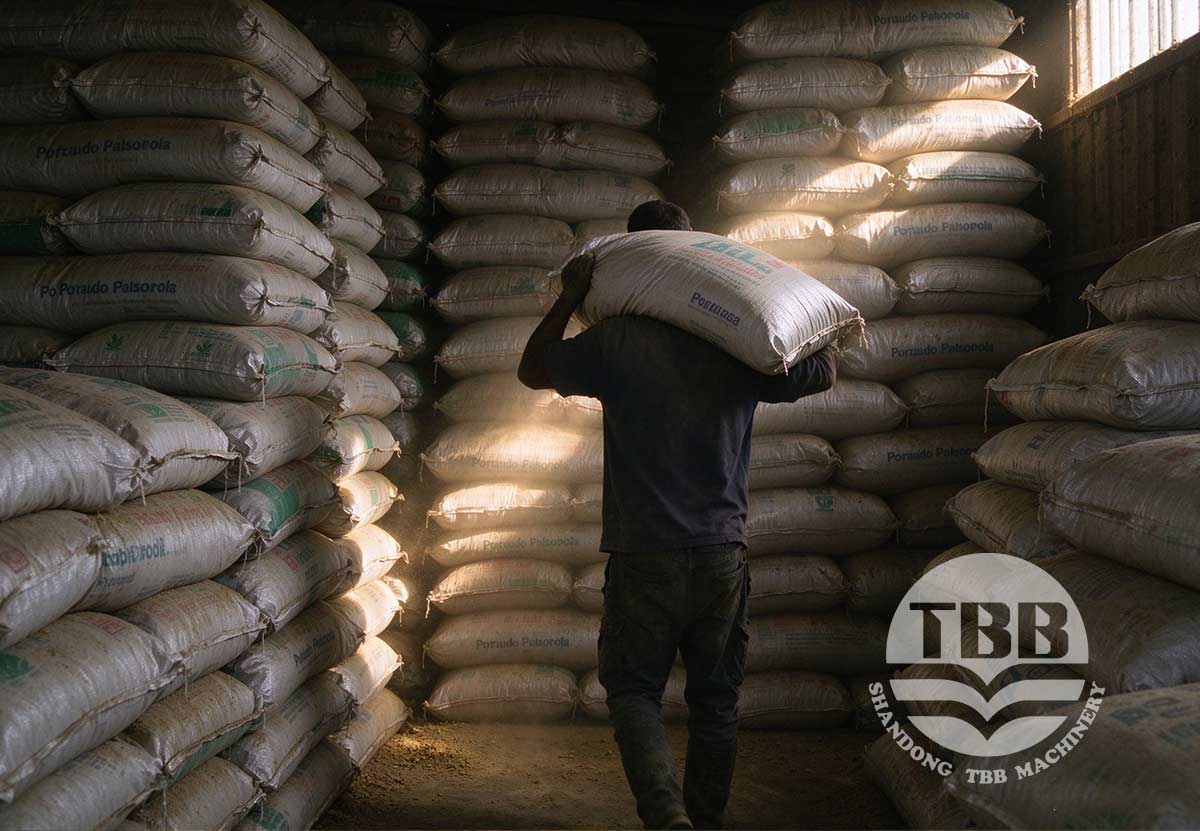
On health, ministry data show Newcastle disease, infectious coryza, fowl pox, Gumboro, mycotoxin-related conditions and coccidiosis still causing significant losses, especially among smaller producers with weaker biosecurity.
▶ The outlook
The USDA forecasts chicken meat production at 80,000 tonnes in 2027, up 6.7% on its 2026 estimate of 75,000, against consumption of 350,000 tonnes. Imports are expected to keep satisfying most demand through the forecast period.
▶ What it means for equipment
Closing that gap means houses, not just birds — and houses mean equipment. The USDA lists production equipment among the inputs Angola imports, alongside feed ingredients and breeding stock.
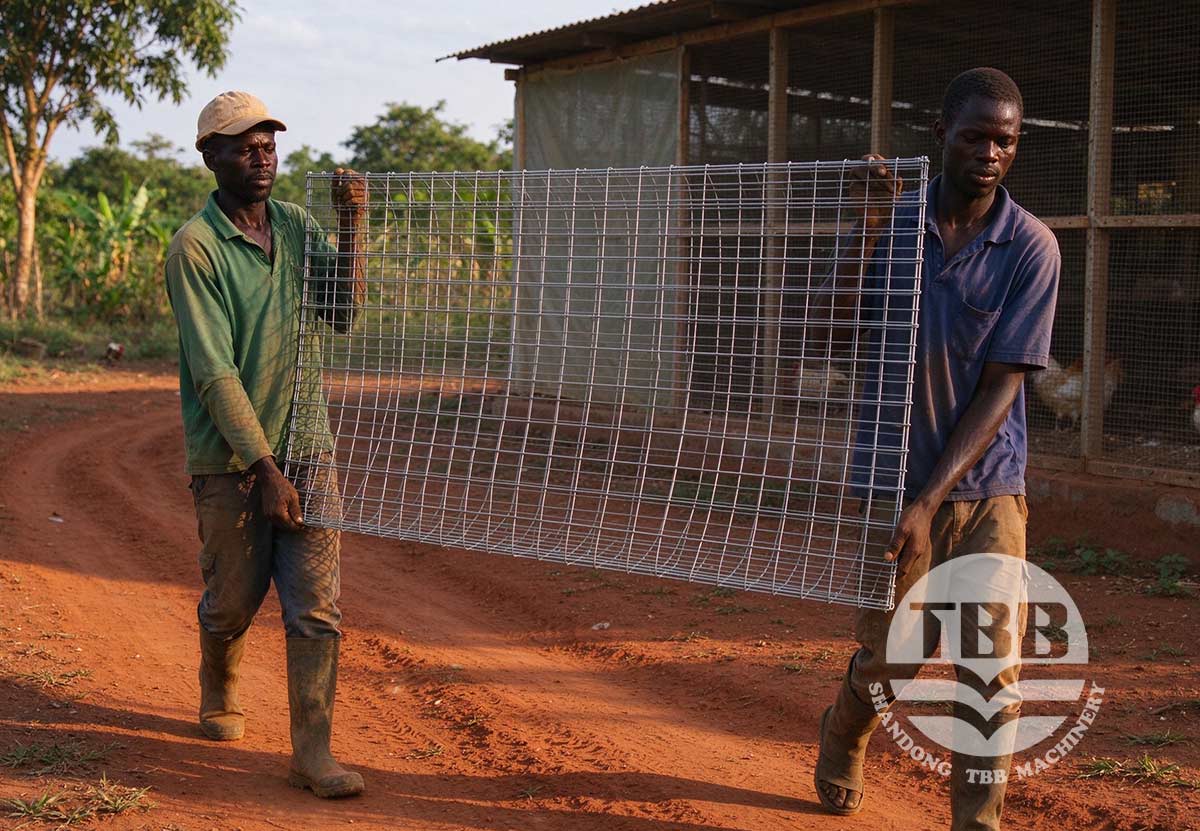
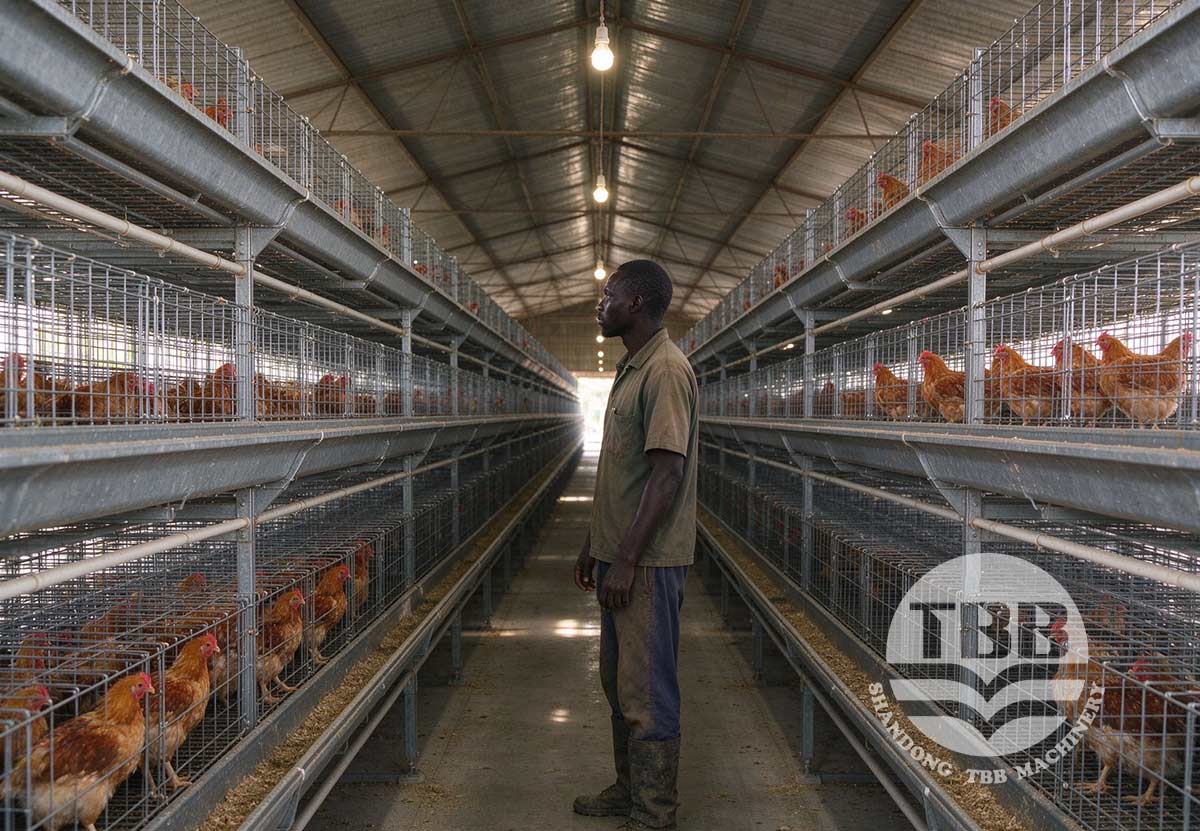
For operations moving out of the 5,000-bird tier and into 10,000 to 20,000 broilers, the specification is the whole building working as one: a broiler cage system sized to the house, with floor mesh and coating specified for finished bird weight, automatic feeding and nipple drinking lines, belt manure removal, and ventilation that stages on temperature and humidity and fails safe when power drops. Hot-dip galvanized frames are the starting point here, not an upgrade.
Bought from five different suppliers, those take two years to make fit each other. Bought as one specification, they don't.
Tell us the house you're planning — dimensions, bird count, province — and we'll size the cage system, feeding and drinking lines, manure removal and ventilation as one package for 10,000 to 20,000 birds, and quote this year's best price.
Message us for this year's best price.