



Case
Mr. Lim called us in August 2023. His family had been running their layer farm in Perak for 12 years, and things weren't adding up anymore. Labor costs kept climbing.
How We Helped a Malaysian Farm Go from 45,000 to 80,000 Birds
How We Helped a Malaysian Farm Go from 45,000 to 80,000 Birds
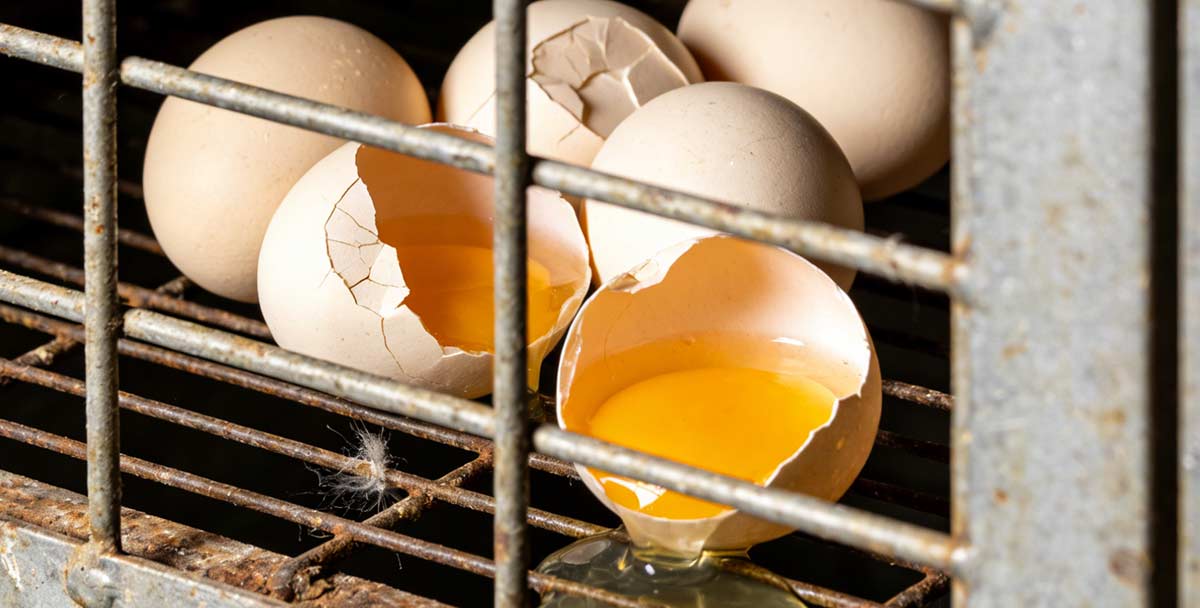
Mr. Lim called us in August 2023. His family had been running their layer farm in Perak for 12 years, and things weren't adding up anymore. Labor costs kept climbing. Good workers were hard to find. And the old A-frame cages they'd bought second-hand years ago? Breaking eggs faster than they could pack them.
"Every morning I'd walk in and see another basket of cracked eggs," he told us during our first site visit. "My workers were exhausted. I was exhausted. Something had to change."
The Numbers Weren't Pretty
We spent two days on his farm in late August, walking the sheds and looking at the books. Here's what we found:
Lay rate stuck at 79% — should've been 90%+ for birds that age
Egg breakage running at 3.8% — that's roughly MYR 12,000-15,000 walking out the door every month
18 workers on payroll just to keep daily operations running
Ammonia levels hitting 30+ ppm on hot days (anything over 10 starts hurting bird health)
Annual mortality at 6.3% — nearly double what we'd expect
Floor space usage under 55% — he had room but couldn't use it with the old setup
The kicker? Malaysia's egg consumption keeps climbing — about 370 eggs per person per year now.
Demand wasn't his problem. Production efficiency was.
What We Proposed
Most suppliers would've told him to build new sheds. We didn't think he needed to.
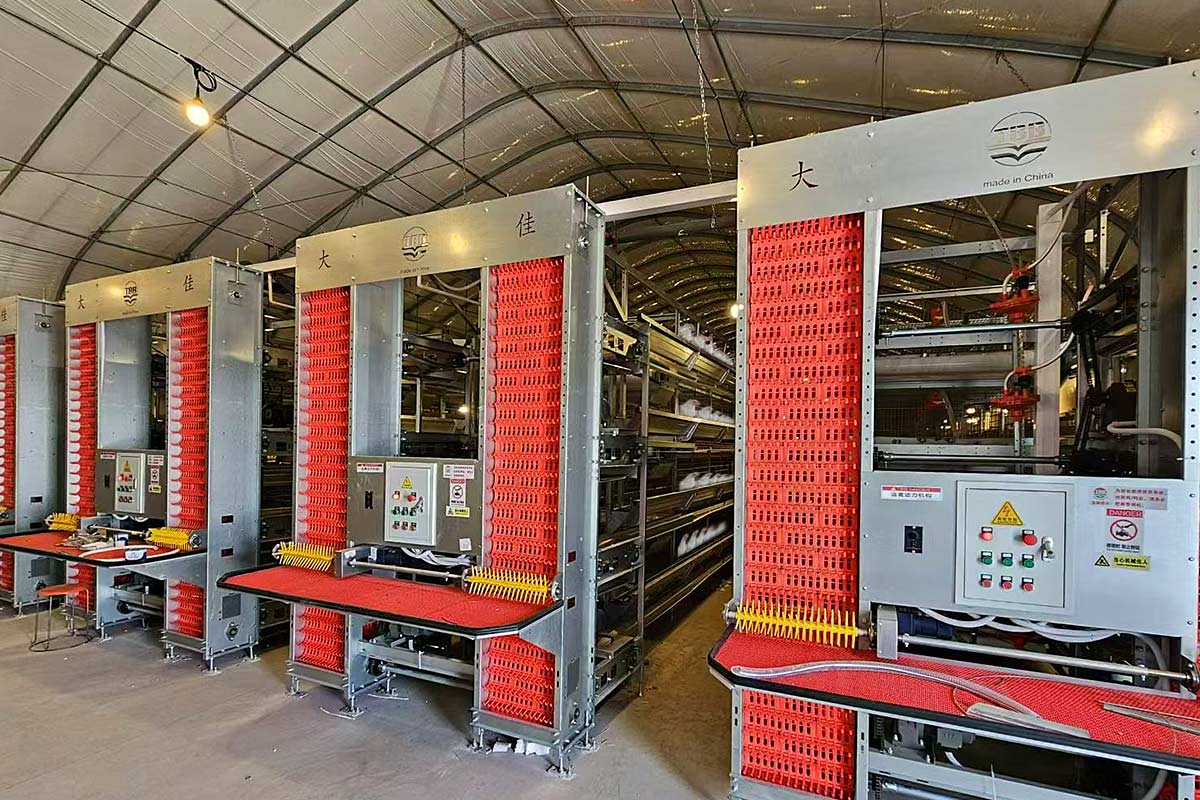
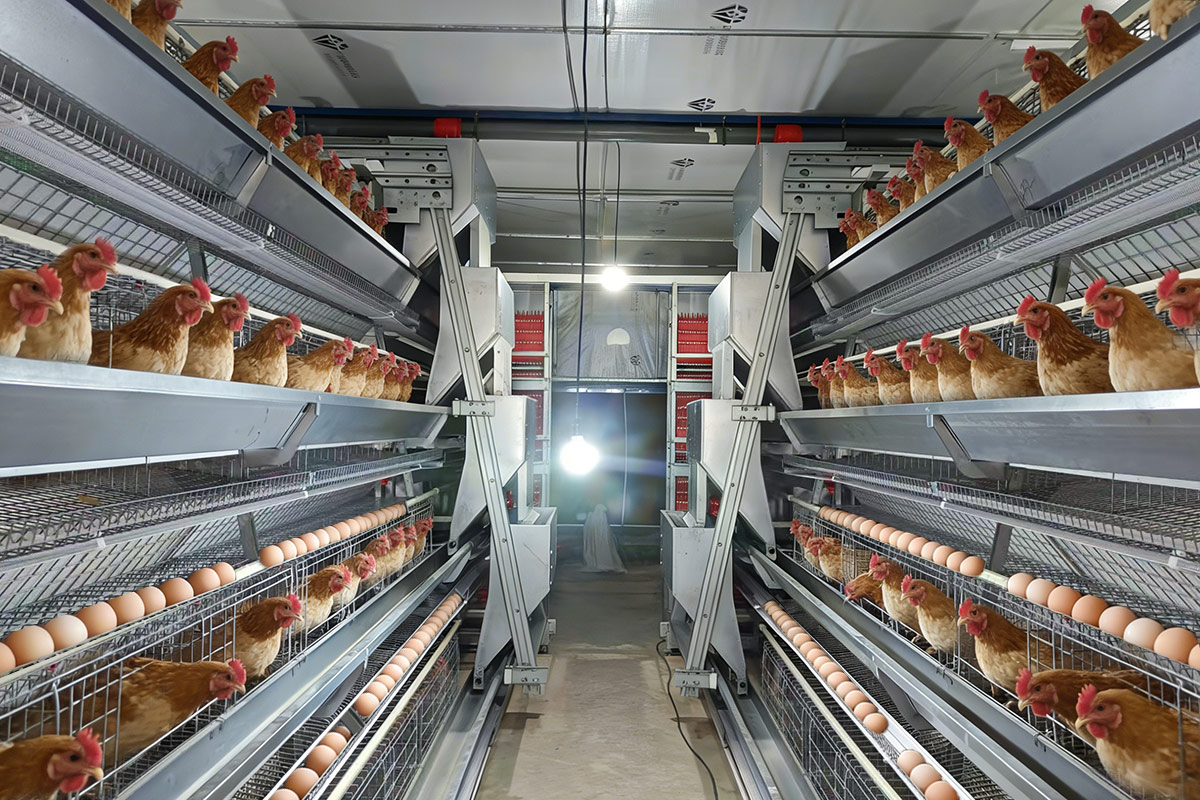
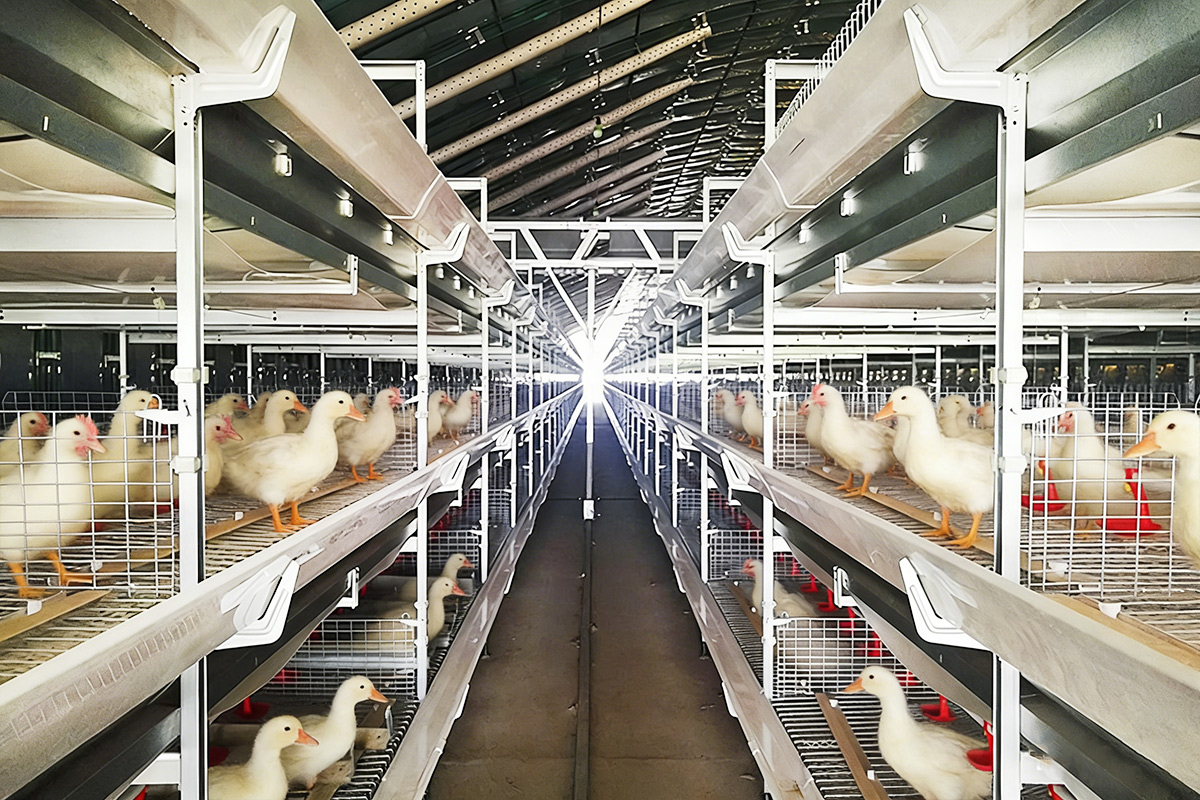
Our idea: Rip out the old A-frames and install a 5-tier H-type automated system right in the same buildings. Same footprint, nearly double the birds. From 45,000 to 80,000.
Mr. Lim was skeptical. "Can you really fit that many without expanding?"
We showed him the 3D layout. Walked him through another farm we'd done in Indonesia with similar dimensions. He slept on it for a week, then signed.
What Went In
H-Type 5-Tier Cages — Hot-dip galvanized, 85-micron coating. We specified this thickness because Perak's humidity eats standard cages for breakfast.
Dual-Side Egg Collection — Our own design. Eggs roll onto cushioned belts from both sides, not just one. Breakage dropped to under 0.6%.
Automated Chain Feeding — Programmed portions, timed delivery. Cut feed waste by about 9% compared to hand-scattering.
Nipple Drinkers with Pressure Control — Every bird gets water, every time. No more dry lines on the top tiers.
Continuous Manure Scrapers — This was big. Ammonia fell from 30+ ppm to under 8 ppm. The workers noticed the difference in week one.
Ventilation & LED Control — Temperature stays within 1.5 degrees C of target, year-round. Lighting schedule automated.
Installation took 11 weeks. Our team flew in, worked six days a week, and slept on-site. Mr. Lim's farm stayed partially operational the whole time — we phased the build so he never had to shut down completely.
The Results (8 Months In)
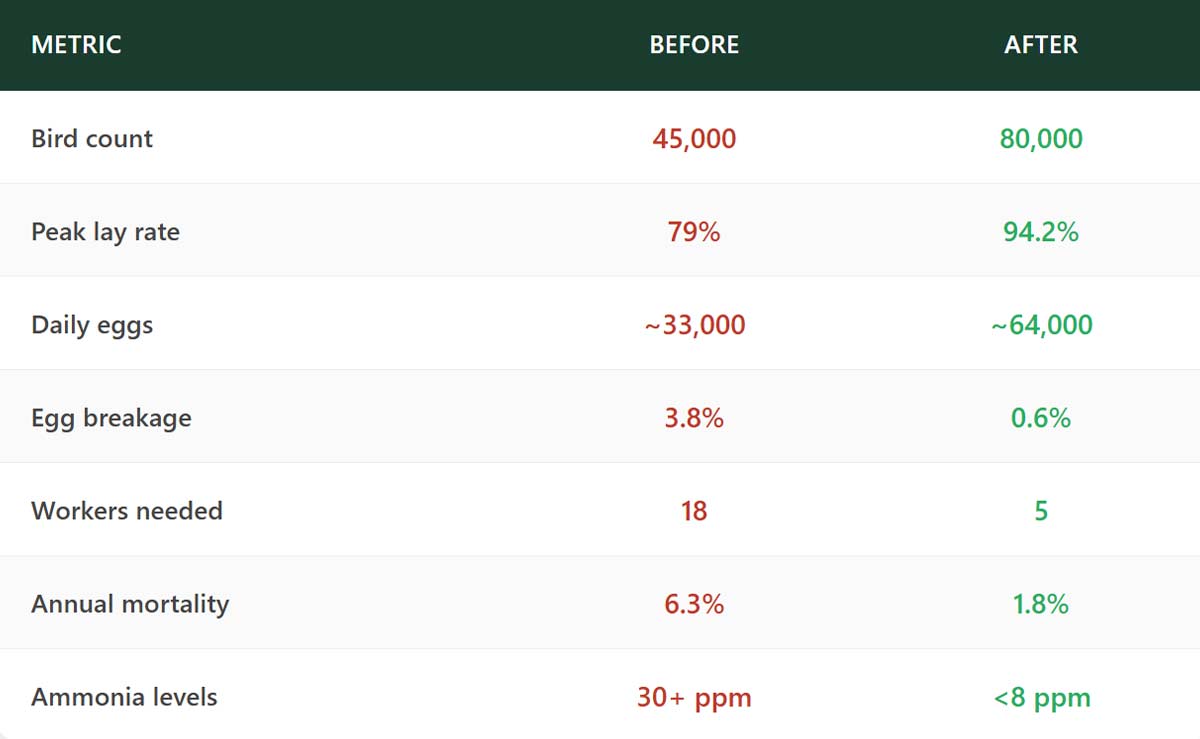
Full production started July 2024. Here's where they are now:
Why He Chose Us
Mr. Lim looked at three suppliers. Here's what tipped it for us:
First, the bilateral egg collection. It's patented — our design, not available from the others. He saw the breakage numbers from our Indonesia project and wanted that for himself.
Second, the galvanizing spec. We quoted 85-micron hot-dip. Competitors were offering cold-galvanized or thinner coatings. In Perak's humidity, that's the difference between 8 years and 3 years of cage life.
Third, we handled everything. Design, manufacturing, shipping, installation, training. One contract, one team to call. He didn't want to coordinate five different vendors.
Thinking About Your Own Upgrade?
Tell us what you're working with - farm size, location, current setup. We'll tell you what's possible.