



News
Uzbekistan Restarts Idle Poultry Farms as Egg Output Trails Its 10.5 Billion Target
Source: TBBView: 104Uzbekistan Restarts Idle Poultry Farms as Egg Output Trails Its 10.5 Billion Target
Uzbekistan's first nationwide agricultural census since 1989 counted 120.9 million poultry, according to preliminary results presented in June 2026. Keeping that flock productive — and bringing back the houses that have dropped out of it — is the job handed to the sector at a review on 21 January 2025, when President Shavkat Mirziyoyev ordered the financial recovery of poultry enterprises that had stopped operating or were running below capacity. The restart has carried into 2026, with projects in Namangan, Karakalpakstan and Surkhandarya.
▶ The two numbers
The target set for 2025 was 10.5 billion eggs. The National Statistics Committee recorded 6,723.8 million eggs across all farm categories in January–September 2025, up 6.2% on the same months of 2024.
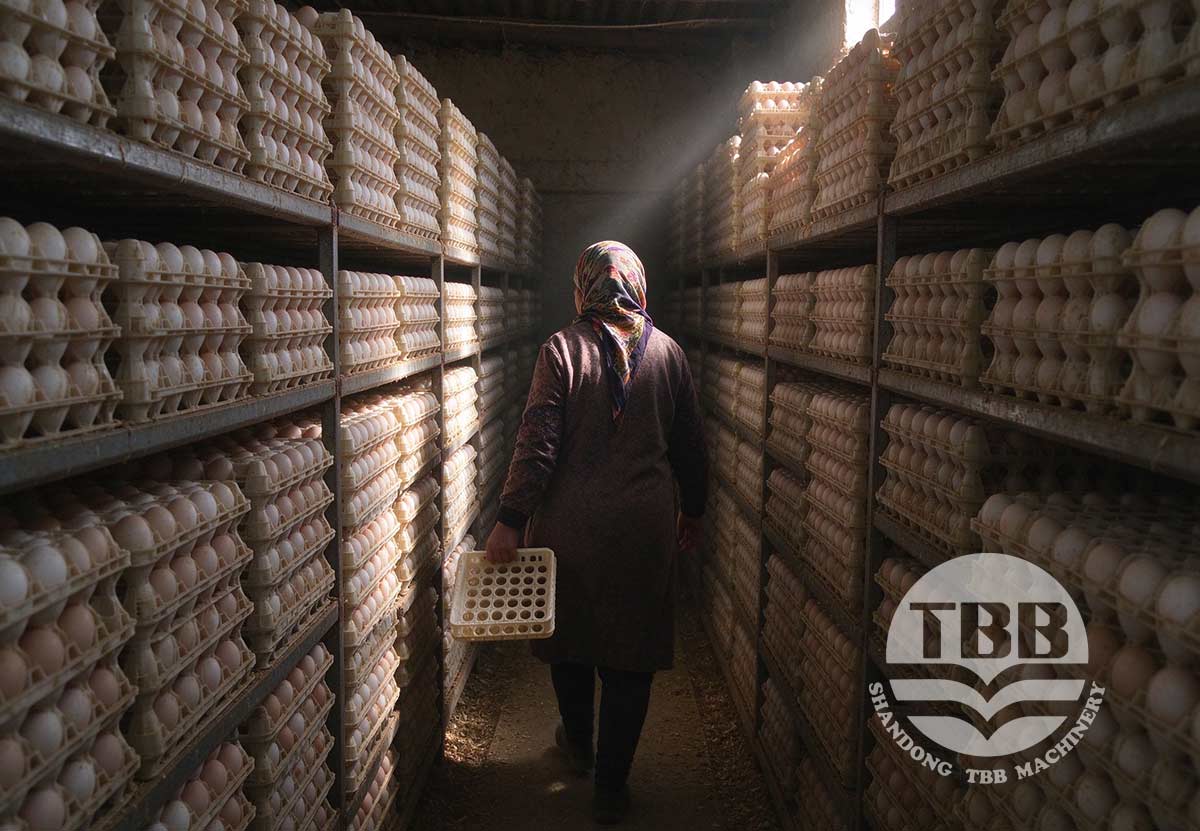
Closing those two figures would have required roughly another 3.8 billion eggs in the final quarter alone. Poultry stocks were 104.6 million head on 1 July 2025, 5.3% more than a year earlier, and 118.65 million on 1 January 2026, before the census put the count at 120.9 million. Both figures are up. The 10.5 billion target has stayed where it was.
▶ What the support package does
Since 1 April 2025, farms earning at least 90% of their revenue from meat, milk, eggs or poultry meat get half of their value-added tax back, a mechanism that runs until 1 January 2028. The Fund for Reconstruction and Development put US$50 million into Microcreditbank to finance the "Poultry Farming — Source of Income" programme. Customs duty on imported trucks of 5 to 20 tonnes dropped to 5% of value plus US$1.2 per cubic centimetre of engine, down from 70% plus US$3.
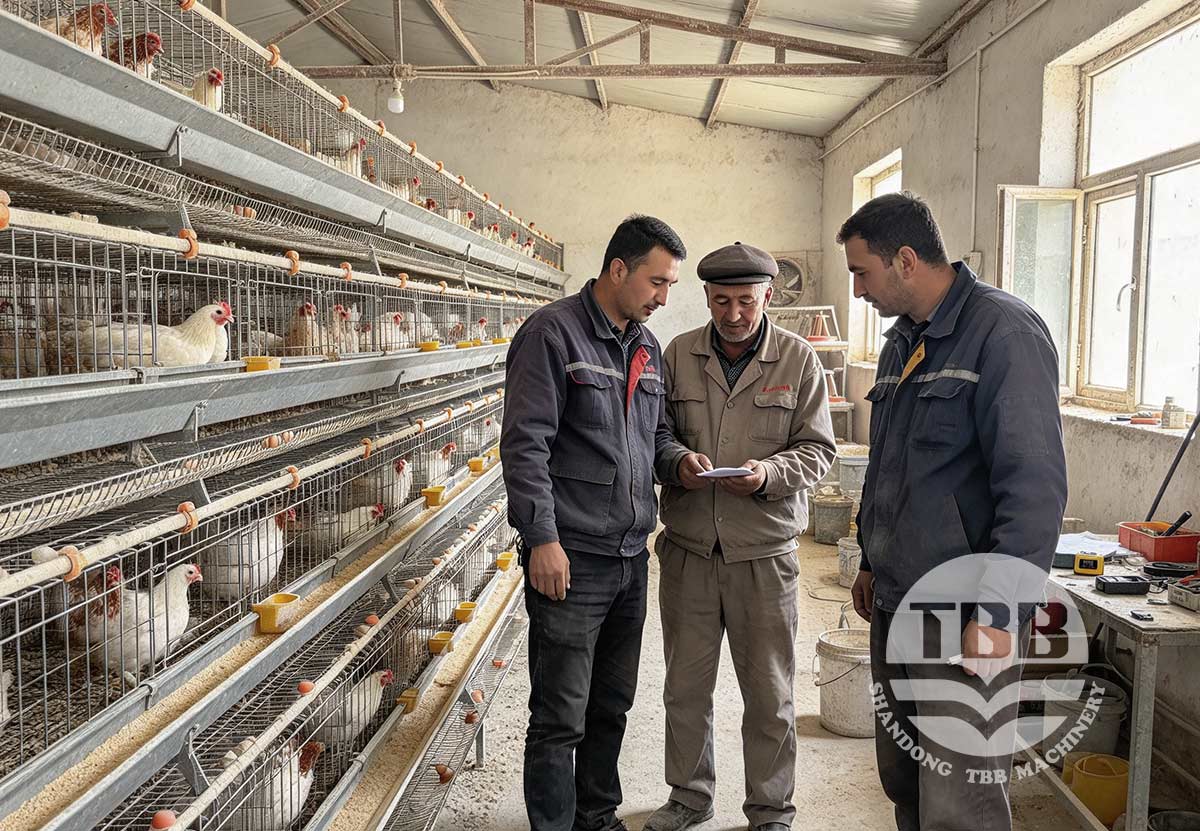
In one region the restart has been given numbers. At the Sokin Savdo Servis cluster in Andijan, which runs eight farms across Andijan and Namangan, officials proposed folding idle and struggling farms into a single cooperation system — a move they said would restore 350 to 400 jobs and add 1.7 million birds. The cluster is separately putting US$10 million into a rendering line and a multi-tier cage system by the end of 2027.
▶ New capacity, and one region's first local supply
Building is running alongside the restart. Namangan has a US$50 million project on the table that would add 813 million eggs and 2,000 tonnes of meat a year, with roughly US$42 million of exports to Central Asian and Arab markets. Surkhandarya has 18 farms planned at a combined US$60 million.
In Karakalpakstan, the Kegeyli Baraka Naslli Parranda complex was built for US$7.8 million on 21 hectares, with room for 200,000 birds. It produces 27.5 million hatching eggs a year, employs 70 people, and had exported US$1.1 million worth of product to Afghanistan by September 2026 against a US$1.5 million target for the year. Until it opened, poultry meat and eggs for Karakalpakstan came in from other regions of the country.
▶ The houses that are already standing
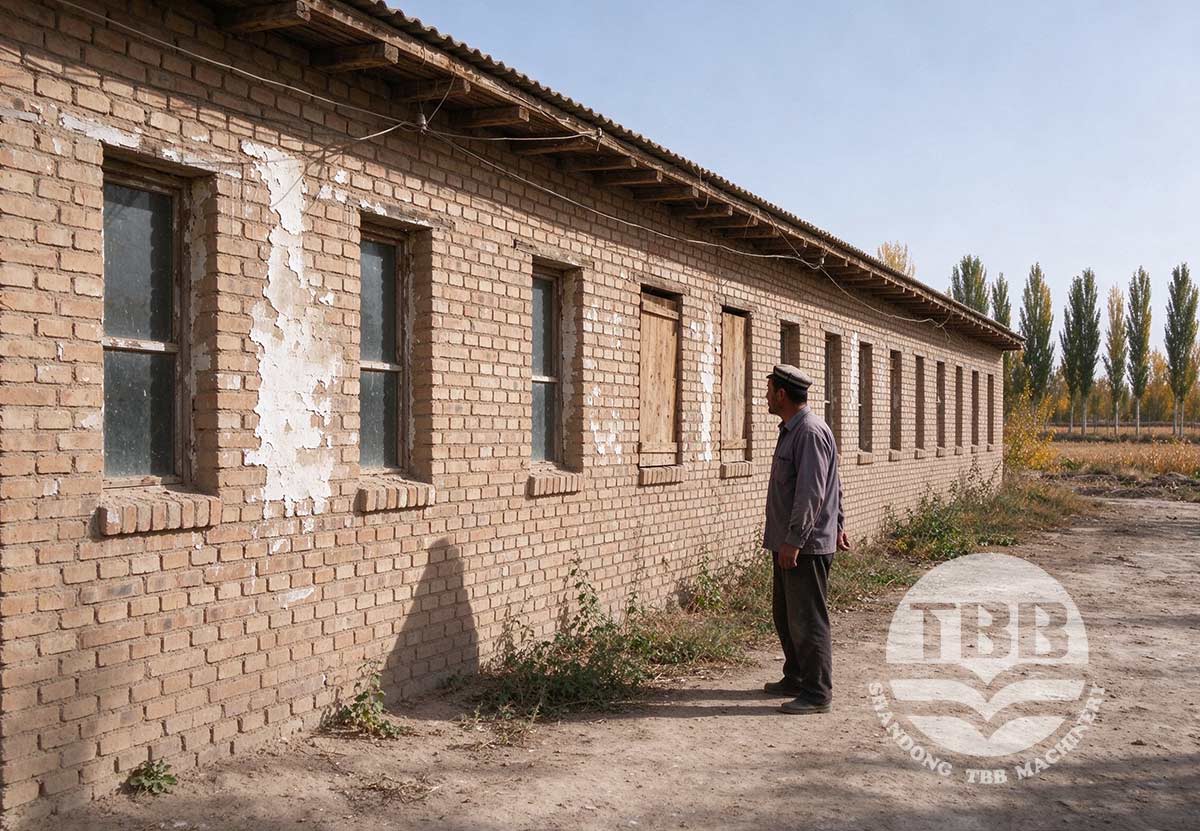
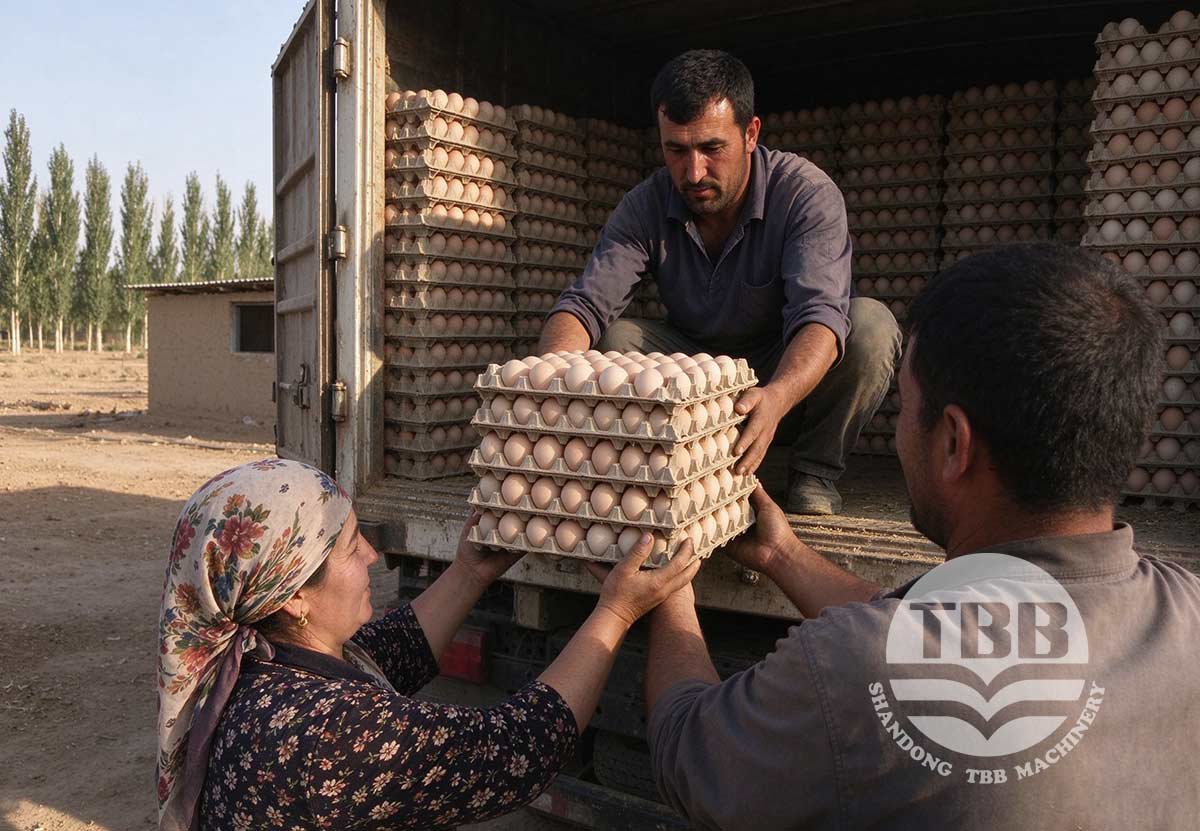
The cheaper half of the work is what can be brought back. The Tashkent poultry farm was built in 1967 and stood abandoned for years before Navobod Naslli Parranda bought the whole 50-hectare site. "The facility was built as a poultry farm in 1967 and stood completely abandoned for a number of years," company owner Saidov said. The company rebuilt 45 production houses there, fitted imported equipment — feeding systems from VDL, egg handling from Sanovo — and by early 2021 the site was supplying roughly a fifth of Uzbekistan's hatching eggs, with shipments to Tajikistan, Kazakhstan, Kyrgyzstan and Afghanistan.
Little of that equipment is made in Uzbekistan. Import duties on poultry equipment, layers, hatching eggs, feed and feed additives were removed under the 2019 industrial development programme, so what goes into a restarted house arrives from abroad — in practice, cage systems from Chinese suppliers moved overland through Xinjiang.
▶ A restarted house is not a new one
Ceiling height, column spacing and floor level in these buildings were set decades ago and differ from house to house. Tier count, cage run length, and the feeding and drinking lines that hang above them have to be worked out against the measurements of that building rather than copied from a standard layout.
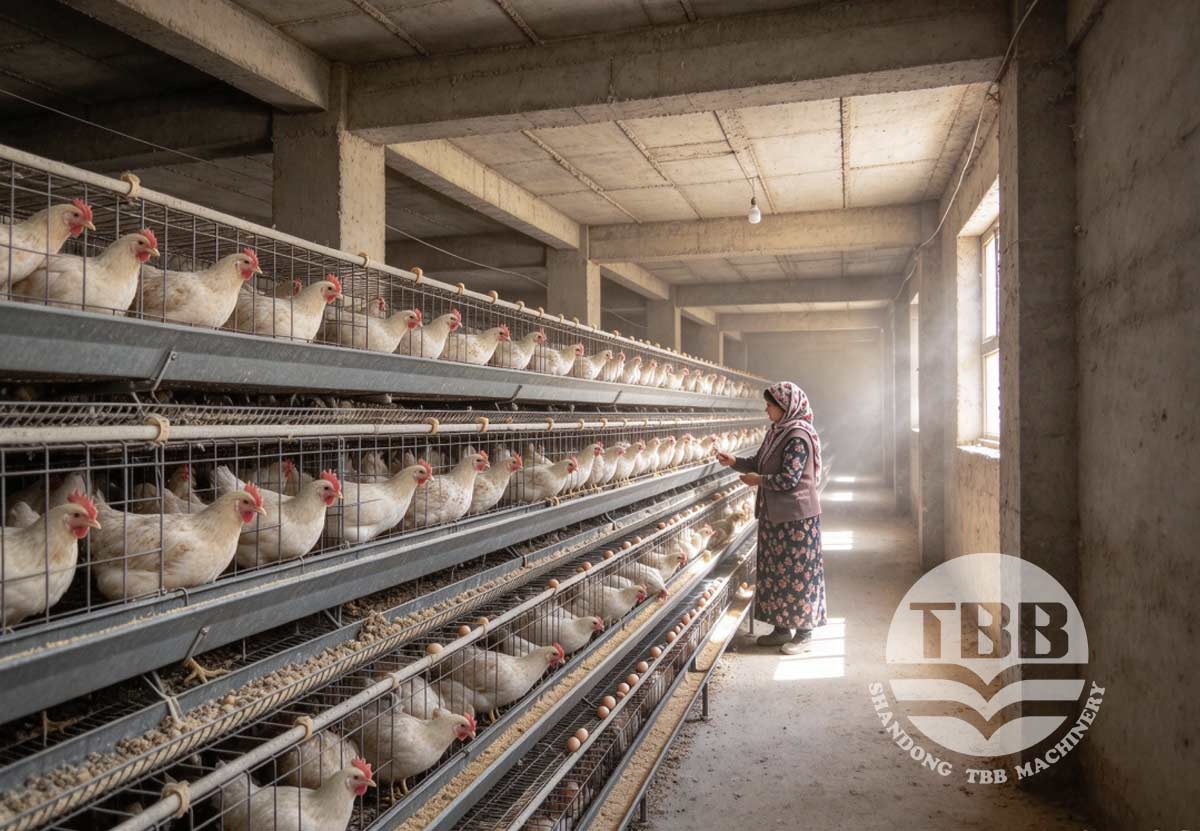
Hatchery houses and commercial layer houses run on the same basic kit — cages, feeding and drinking lines, egg collection, manure removal — so the specification work looks much the same whichever way a restarted farm goes. Tobetter builds layer cage systems — A-frame and H-frame, three to five tiers, hot-dip galvanized — with feeding lines, nipple drinking, egg collection and belt manure removal specified as one set for houses holding 10,000 to 20,000 birds.
On a restart the parts wanted first are usually the small ones: drinking nipples, feeder components, belt sections. Specifying the whole system once means those spares match the original order rather than being sourced again later.
If you are bringing a house back, the figures that decide the layout are the ones you already have — length, width, height at the eaves, and the bird count you are planning. Send us those and we will size the cage system, feeding and drinking lines, egg collection and manure removal to the building you have.
Message us for this year's best price.