




News
Peru Layer Farming at Altitude: Housing and Climate Setup for the Andes
Source: TBBView: 146Peru Layer Farming at Altitude: Housing and Climate Setup for the Andes
LIMA — Peru's egg sector is bigger than most outside the region realize.
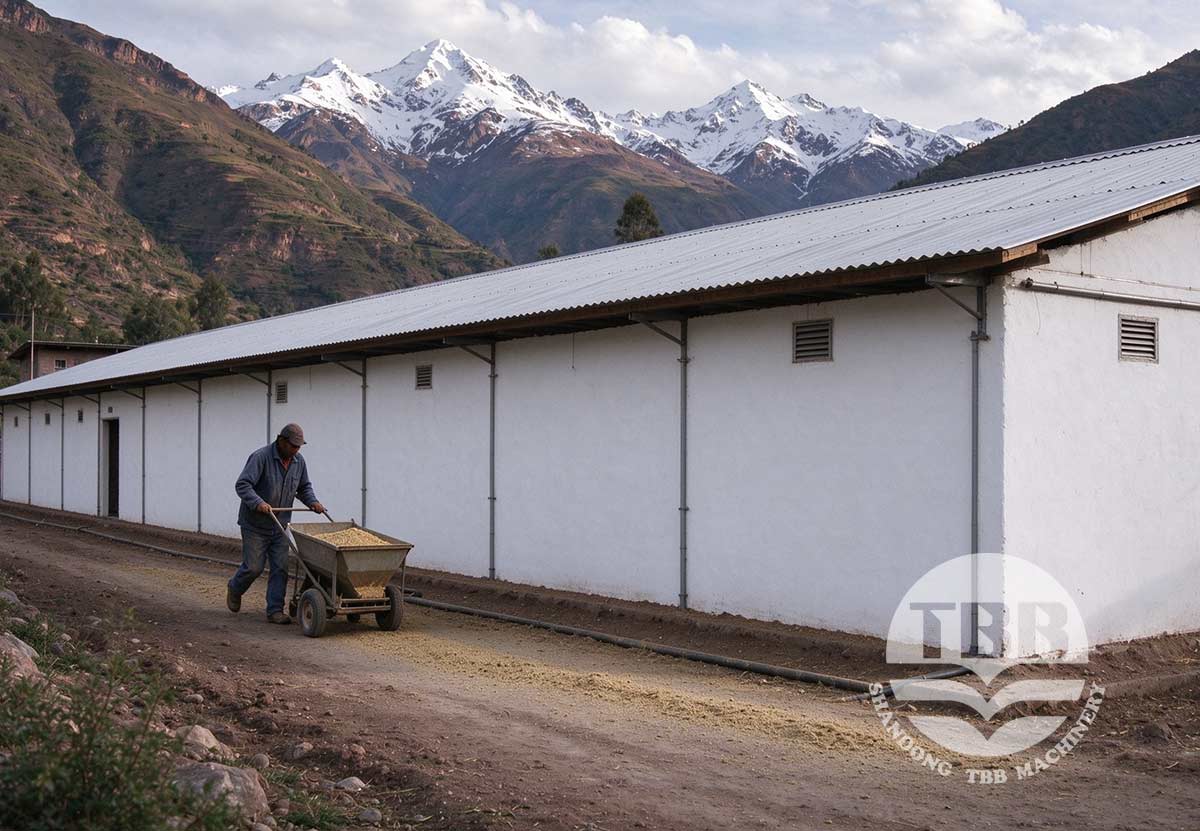
In 2025 the country's layer flock held steady at around 28 million hens and produced 511,754 tonnes of eggs, up from 508,592 tonnes a year earlier, according to MIDAGRI. Consumption keeps climbing too — about 238 eggs per person across the country, and 326 in Metropolitan Lima. The poultry sector as a whole is close to a quarter of national farm output, accounting for 24.3 percent of the gross value of agricultural production in 2025. Most of that output comes off the coast, where Ica, Lima and La Libertad account for roughly 86 percent of national egg production. But the interesting move is inland, up in the Sierra, where a growing slice of commercial layer housing now sits at 2,000 to 3,800 metres. That is where standard coastal house designs start to fail.
▶ Farming layers above 2,500 metres is a different job
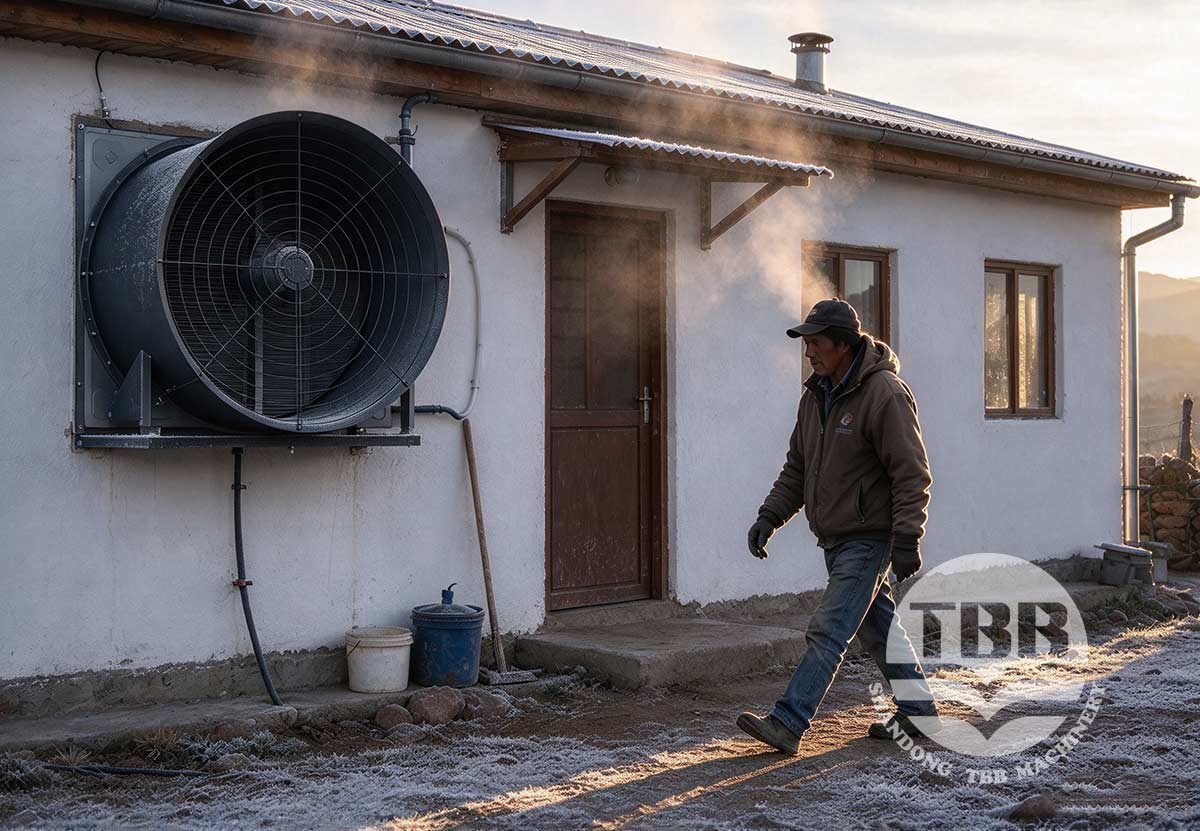
The air holds less oxygen — birds at altitude eat less, convert feed a little worse, and lay fewer eggs than matched flocks lower down. The weather swings harder than most expect: in Juliaca, at 3,800 metres, the daily temperature range averages about 18°C and pushes past 23°C in the dry winter, with afternoon highs near 17°C and pre-dawn lows below -6°C. Strong UV and thin, dry air round out the list. None of this is a reason not to build there. It is a reason to build differently.
▶ Biosecurity is the second force pulling the Sierra toward enclosed housing
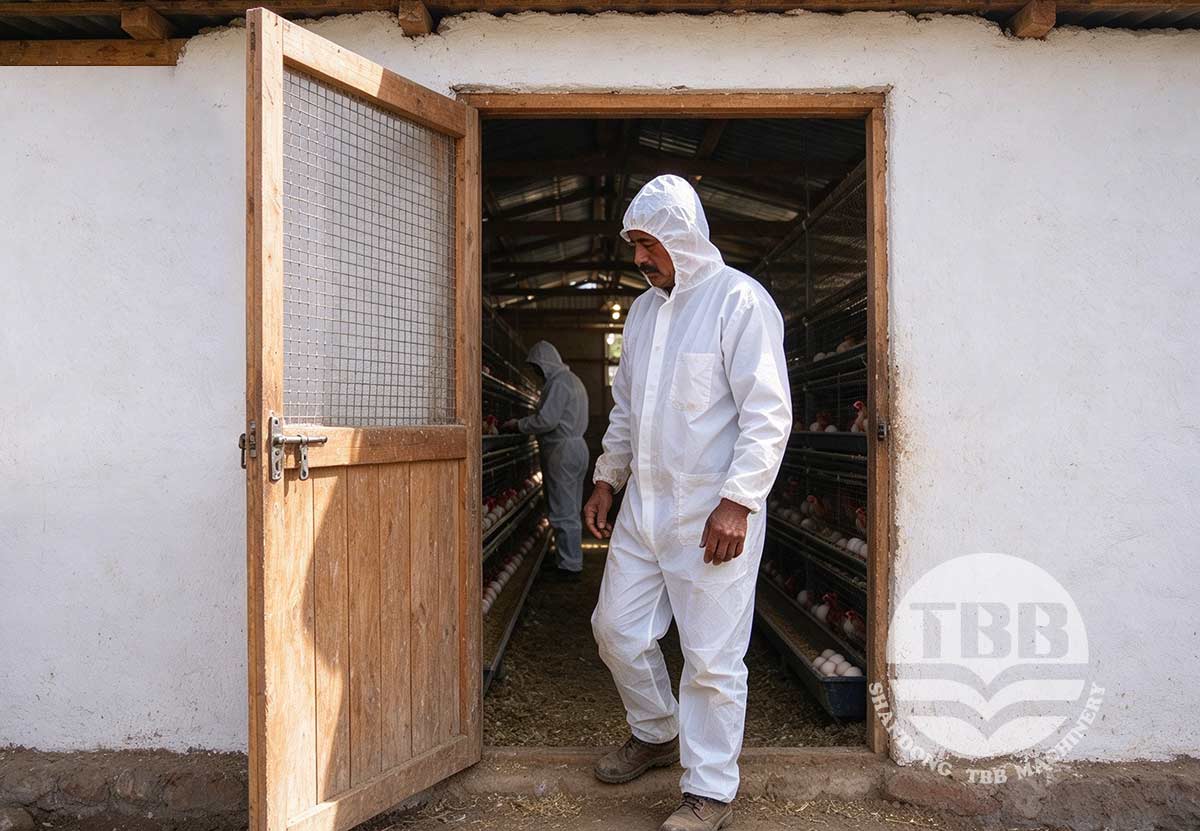
Peru earned avian-influenza-free status from the WOAH after the July 2024 outbreak, but holding it depends on the surveillance and biosecurity SENASA runs — and a sealed, climate-managed envelope is far easier to protect than an open-sided shed as flocks scale.
▶ The first mistake: treating altitude like a warmer climate with a view
The single biggest avoidable stressor at elevation is cold — not heat. When a house leaks drafts or the night setpoint slips, birds burn energy just to stay warm, and that energy comes straight out of egg output and immunity. The fix is not a bigger heater. It is a tighter building and a control system that actually holds the setpoint through a 23-degree day-night swing.
▶ Where the housing spec stops being generic
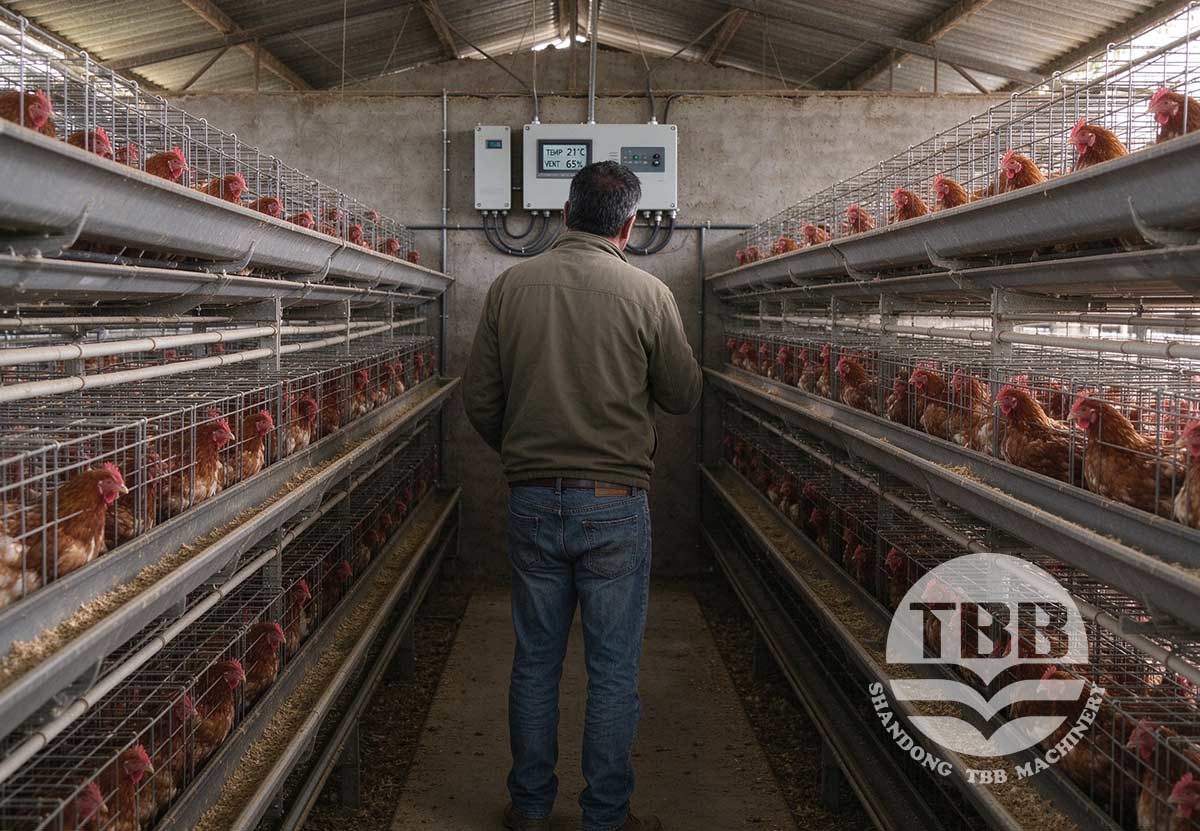
A well-run highland layer house starts with closed or curtained sidewalls and a sealed envelope, so ventilation is something you command rather than something the wind decides. Layer cages — battery systems with manure belts — keep birds off a cold, damp floor and pull waste out of the air fast, which matters more up here: dry air and low ammonia protect lungs that are already working against thin oxygen. Then the environmental controller does the heavy lifting, trimming ventilation and calling for heat as the temperature falls, never letting a cold draft sweep the flock.
▶ One detail buyers routinely miss: ventilation rates at altitude
Ventilation rates calibrated at sea level do not transfer to the Andes. At 3,800 metres the air pressure is only about 63 percent of sea level, so the same cubic metre carries less oxygen and less cooling capacity — airflow targets have to be recalculated, not copied. A controller that lets you set altitude-aware parameters — rather than a fixed chart from a coastal manual — is the difference between a house that merely runs and one that holds production through the cold months.
▶ Both cage and floor layouts work at altitude
Peruvian operators use both. Cages win on density and keep birds clear of cold, damp litter; well-managed deep-litter floor systems suit operators who prioritise bird movement and certain buyer specs. The choice is about footprint, labour and local buyer requirements, not about which is “right” in the abstract. What both need is the same: an envelope and a climate system tuned to thin air and cold nights, not to the coast.
▶ The honest limit: no house adds oxygen
Hypoxia is a breed, stocking and management question, and nobody should pretend steel and a controller cure it.
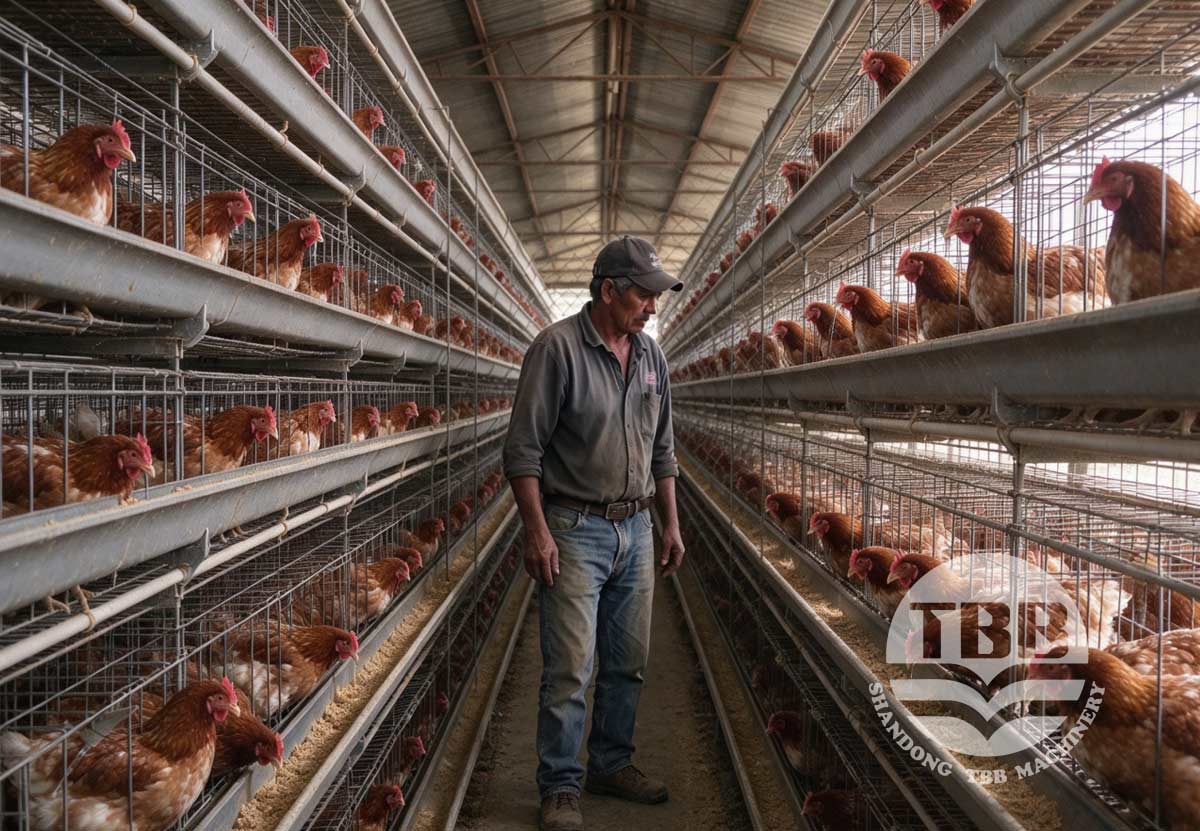
What the right setup does is strip out the stressors a farmer can control — cold drafts, temperature swings, ammonia, stale air — so the birds' limited oxygen budget goes into eggs, not into fighting the environment. That is a smaller promise than some equipment pitches make, and it is the one that holds.
Planning a layer house above 2,000 metres? Send us your site elevation and house size — we'll spec an environmental-control setup built for thin air and cold nights, cages or floor, and help you run the numbers before you break ground.