



News
Raising Laying Hens in Cameroon: A Complete Guide to Commercial Layer Farming
Source: TBBView: 178Raising Laying Hens in Cameroon: A Complete Guide to Commercial Layer Farming
Cameroon’s poultry sector has grown into the country’s second-largest source of animal protein.
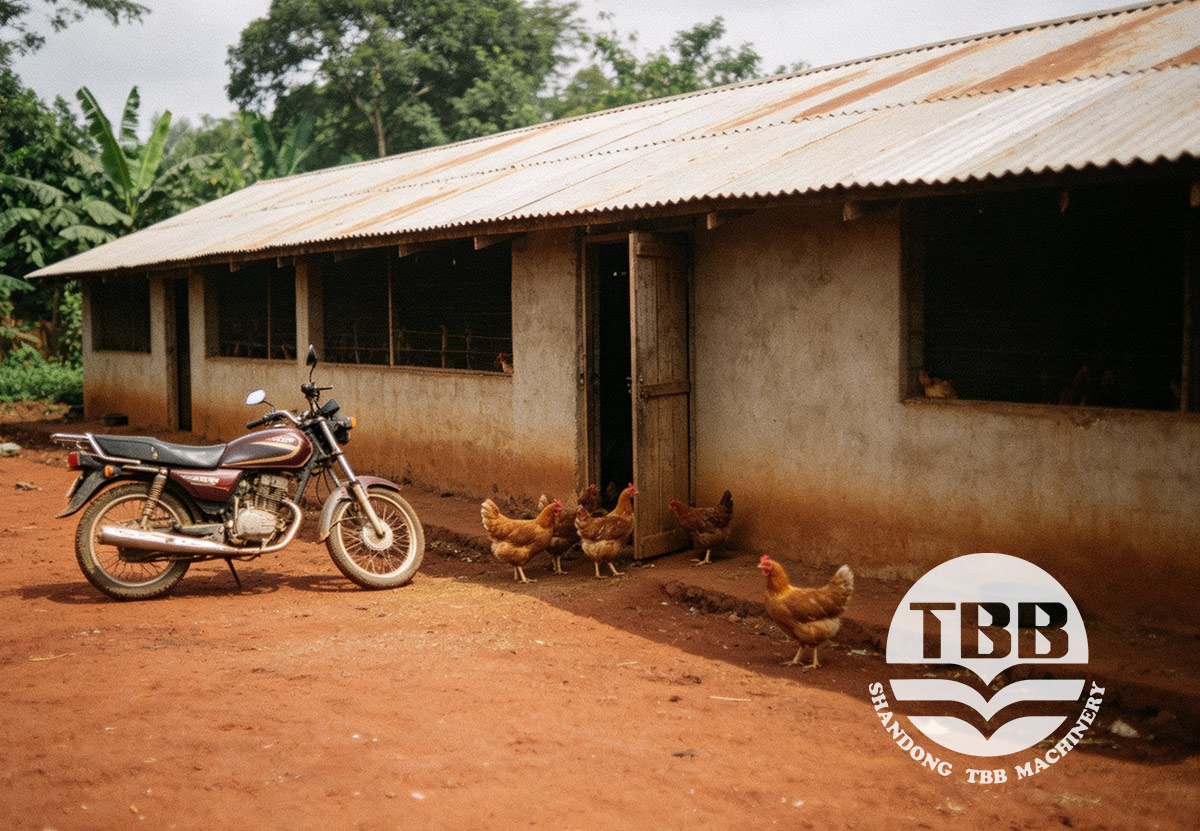
According to the National Institute of Statistics (INS), poultry accounts for 19% of the national meat supply and about 4% of GDP, and broiler output alone rose 18% in 2021 to roughly 52,600 tons. With the government’s import-substitution policy pushing more local production, the case for commercial layer farming in Cameroon has rarely been stronger. Whether you are a first-time smallholder or an established integrator, understanding how layer farming works on the ground is what separates a farm that breaks even from one that pays.
▶ Cameroon’s layer farming landscape
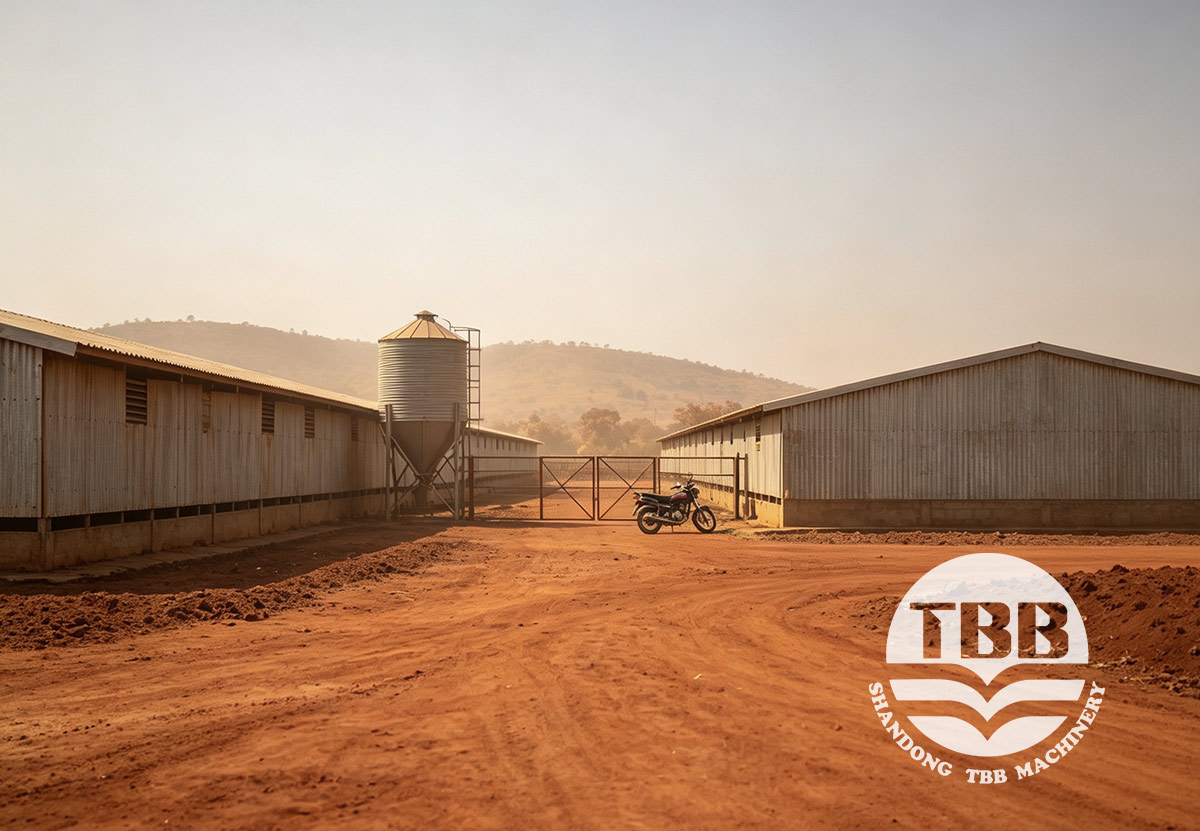
The sector is expanding fast and employing people in both cities and villages. The clearest proof came on 8 July 2025, when the Minister of Livestock inaugurated the Cameroon Cooperative Farm (FCC) in Bamendjou: two houses with 80,000 laying hens producing 75,000 eggs a day, a feed mill running 4 tons per hour, and a hatchery for 40,000 chicks — a 6 billion CFA franc (about US$10.6 million) integrated complex. For individual and mid-size farmers the opening is real, but success still lives in the fundamentals: the right breed, the right house, disciplined feeding, and tight disease control.
▶ Choosing layer breeds for Cameroon’s climate
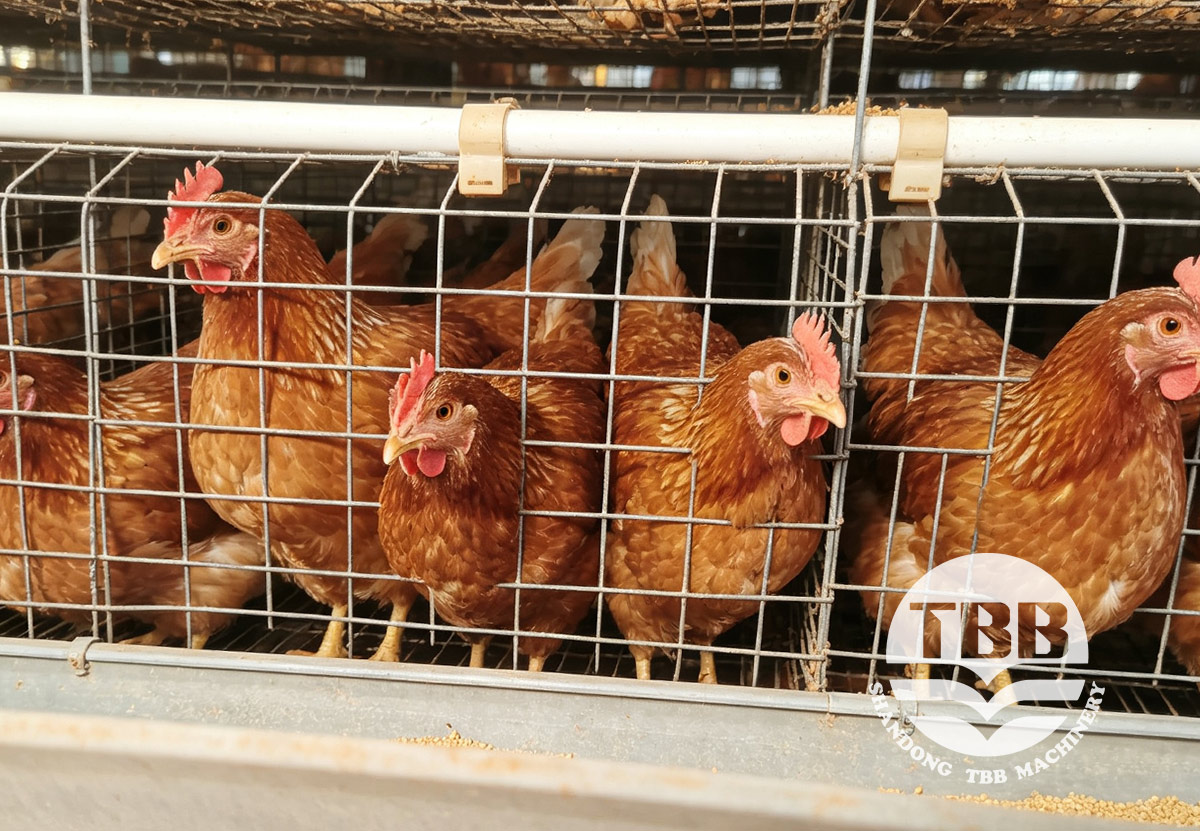
Cameroon’s heat and humidity quickly narrow the realistic choice for brown-egg production to two commercial hybrids: ISA Brown and Lohmann Brown. Both reach 50% lay at 140–150 days. ISA Brown peaks at 93–96%; Lohmann Brown Classic at 92–95%, and Lohmann Brown Extra at 94–97%. Well-managed flocks lay 250–300 eggs per hen a year. Registered hatcheries supply both breeds through Cameroon’s main poultry hubs, including the Littoral and Centre regions. A 30,000-hen battery cage system at 90–96% production yields roughly 27,000–28,800 eggs a day — the steady daily volume a layer cage system in Cameroon is designed to produce. As a battery cage supplier in Cameroon, Tobetter sizes these systems to the named breeds’ performance.
▶ Cage systems: battery cages vs deep litter
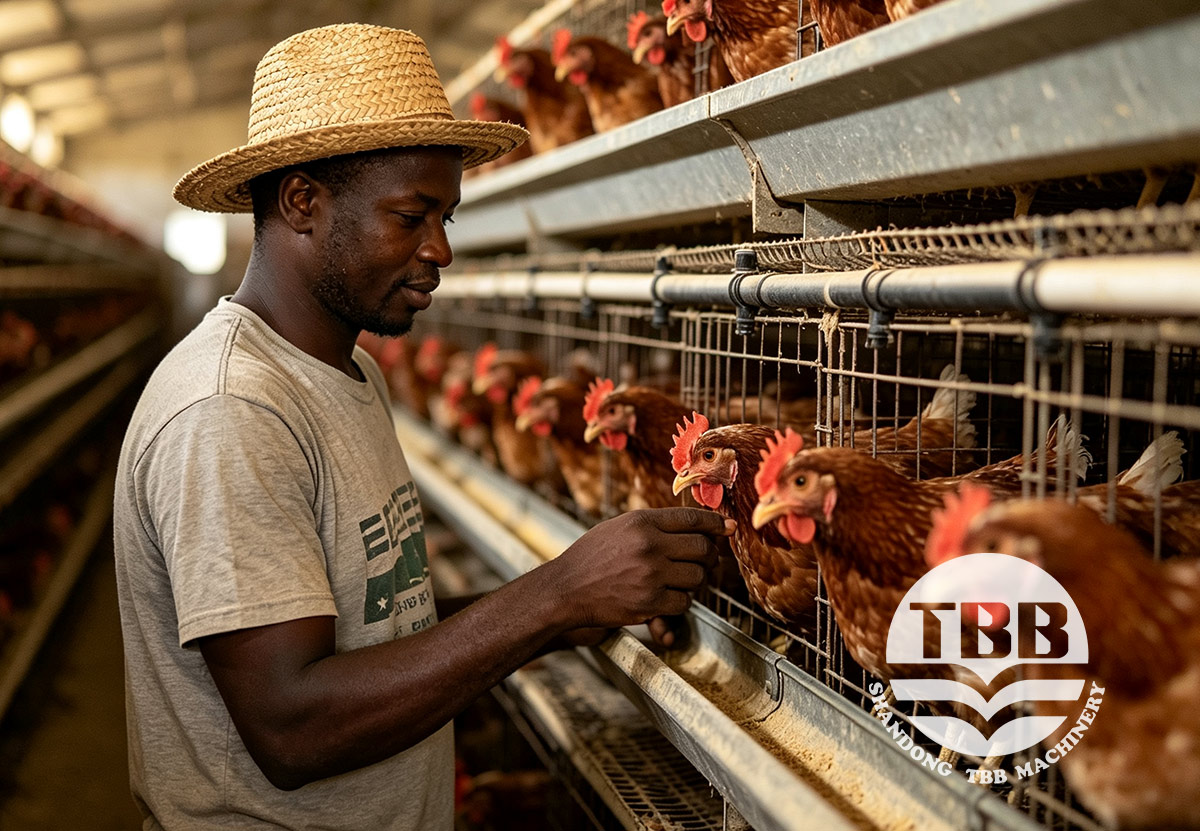
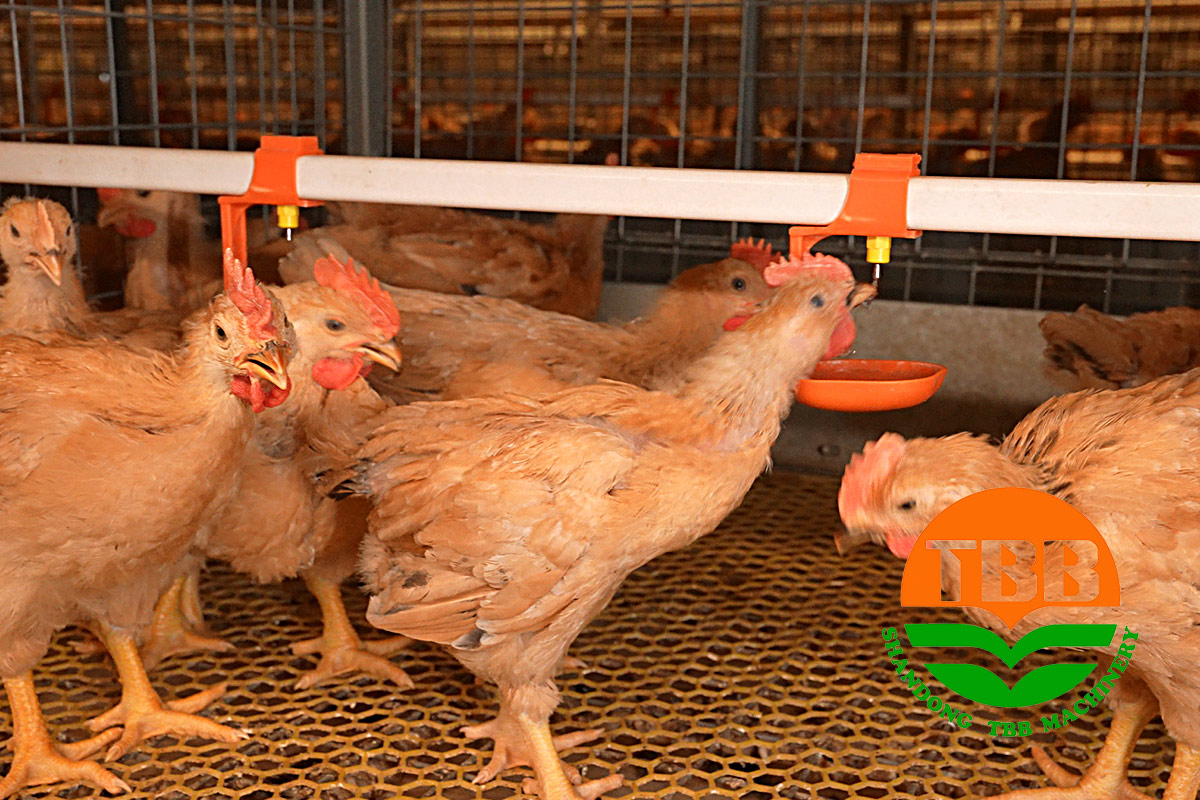
For commercial egg production the battery cage stays the workhorse. A typical layout of 80 A-type cage sets houses about 10,240 layers; at 550–600 cm² per bird, 10,000 hens need around 550–600 m² of house, plus room for feed, packing, and utilities. Tobetter’s A-type and H-type layer cages are engineered for this density — compact, easy to clean, and built for long humid seasons. Deep litter is the cheaper alternative: 5–7 birds per square metre on 10–15 cm of wood shavings or rice husk. It costs less up front but asks for more labour and stricter litter management.
▶ Feed formulation and cost
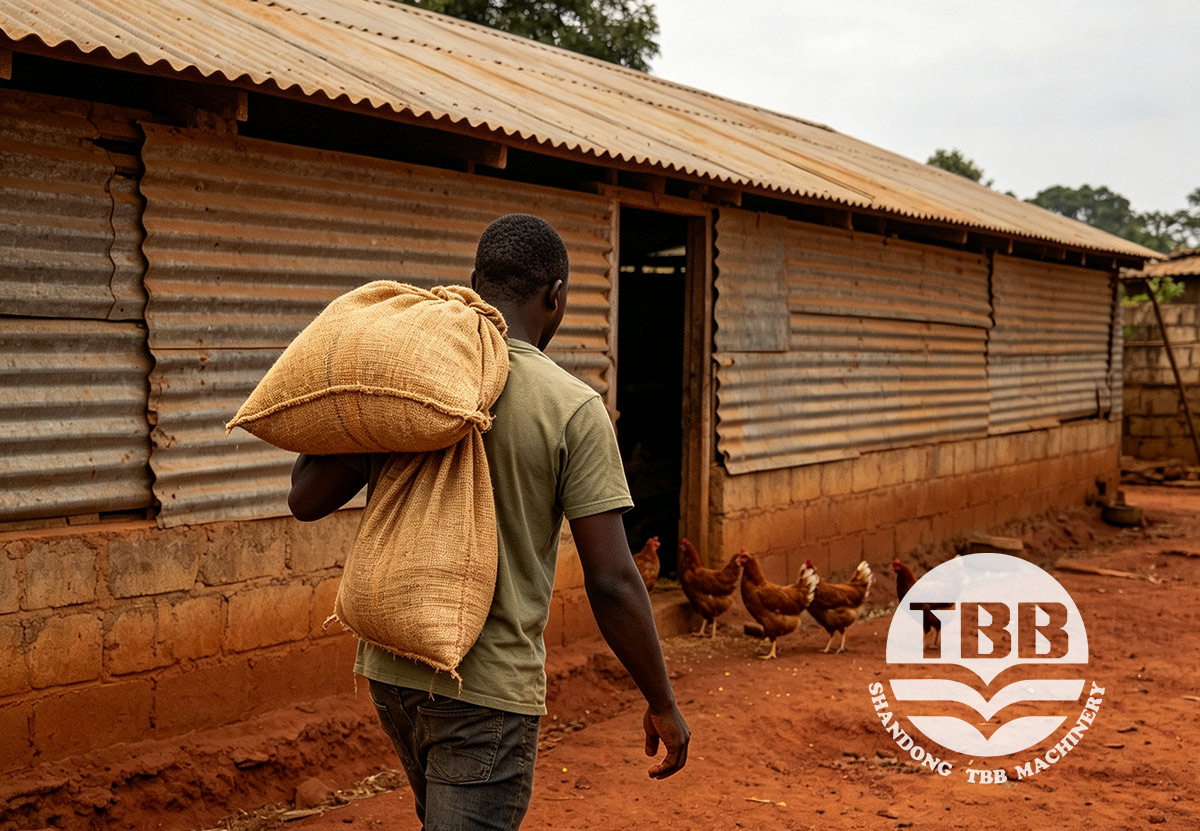
Feed is the big number — 65–75% of the variable cost of an egg. A standard layer ration mixes maize, soya or groundnut cake, wheat bran, and fish or blood meal. Farmer reports put maize around XAF 200–220/kg and layer mash at XAF 280–310/kg in 2022, though feed costs have climbed since on the back of inflation and import reliance. The poultry feed price in Cameroon stays volatile, so many farms now replace up to 25% of maize with cassava or sweet potato meal — a shift that holds egg output while trimming feed spend. Tobetter’s automatic feeding system for layers meters ration by flock size, cutting waste and keeping feed conversion honest.
▶ Disease control and vaccination
Newcastle disease is the heaviest killer in low-input flocks, so vaccination is non-negotiable on a commercial farm. The LaSota strain is available in Cameroon through suppliers such as BIOTESTLAB. Pair it with deworming, footbaths, disinfection, litter disposal, and regular vet visits. Tobetter’s layer manure belt system keeps droppings away from the birds, lowering ammonia and the disease pressure that builds in a poorly cleaned house.
▶ Lighting, temperature, and environment
Lay intensity climbs with 10–30 lux of light and a steady day length; day-old chicks need 34–35°C. In Cameroon’s humid climate, houses with high ceilings and open-mesh sides let warm air rise and draw in cooler air. Tobetter’s climate-controlled poultry houses add tunnel ventilation and evaporative cooling so peak production holds even through the hot season.
▶ Market and profitability
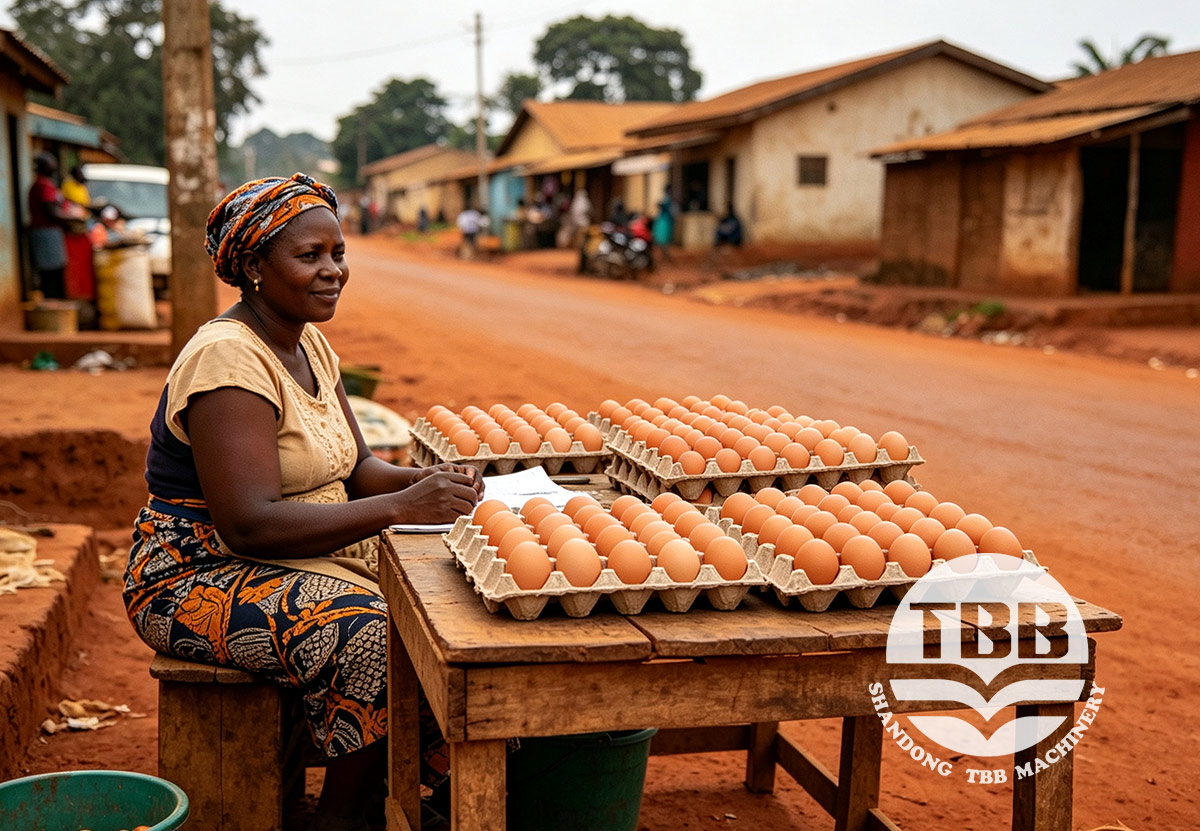
Poultry contributes about 4% of Cameroon’s GDP, and traditional and smallholder flocks still account for roughly 70% of the country’s chickens. Demand keeps rising with urban growth. The risks are real too — avian influenza, feed gaps, price swings — and the 2011 failure of Société des Produits Avicoles du Cameroun (SPAC) is a reminder that unsustainable cost structures fail: SPAC sank 5 billion CFA francs into a Bafang slaughter plant and collapsed within months. Profit comes from a low cost per egg, steady output, and reliable buyers. Working with an experienced poultry equipment manufacturer in Cameroon helps keep both capital and running costs in check.
Getting started
Practical first steps: pick the breed for your target market, invest in solid housing and a proven layer cage system in Cameroon, lock in a feed-sourcing strategy, run strict vaccination and biosecurity from day one, and secure your sales channels before the first flock arrives.
Tobetter supplies layer cages, automatic feeding, manure systems, and climate-controlled houses sized for Cameroonian farms. Planning a house this season? Message us for this year’s best price — we’ll help you size the system and get your layer operation profitable from the first flock.