



News
Key Management Tips for Extending the Production Cycle of Layer Hens (12+ Months Old)
Source: TBBView: 100Key Management Tips for Extending the Production Cycle of Layer Hens (12+ Months Old)
As layer hens enter the late laying period (12 months and older), their egg production rate naturally begins to decline from a peak of 80-90% down to 50-60%. However, with precise and scientific management, farmers can significantly extend the productive life of their flock, improve eggshell quality, and maintain profitability. Implementing modern solutions, such as those provided by Shandong Tobetter Machinery, can streamline these adjustments. Here are essential tips for managing layers during this crucial late stage.
1. Optimize Nutritional Management for Senior Hens
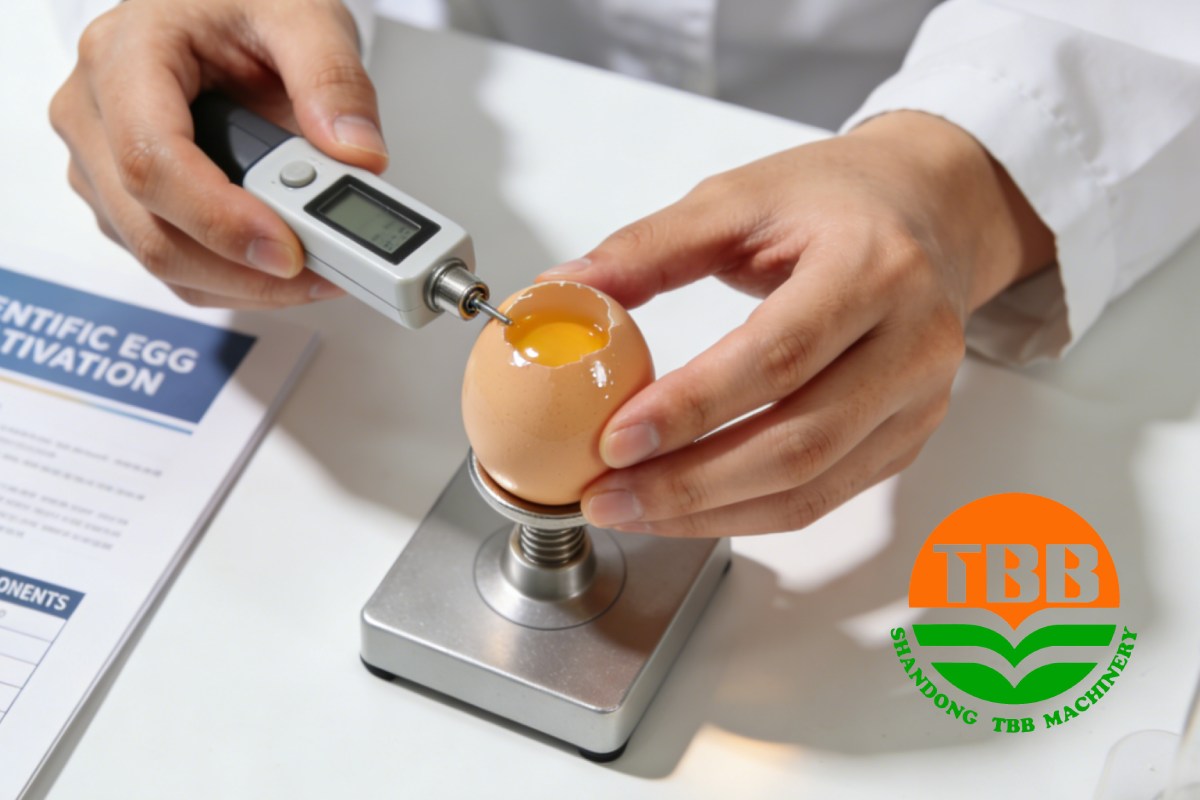
During this phase, the physiological needs of the birds change. It is vital to adjust the feed formula accordingly. While you should slightly reduce crude protein levels (to 15-16%), it is critical to maintain high levels of calcium (3.8-4.0%) and available phosphorus (0.45-0.55%) to strengthen eggshells and prevent breakage. Incorporating higher fiber ingredients (such as alfalfa meal) supports digestive health and helps prevent Fatty Liver Syndrome, a common issue in older layers. To ensure consistent delivery of this specialized diet, utilizing an automatic feeding layer chicken cage system ensures every bird receives the precise nutrition required without waste.
2. Enhance Environmental Control and Hygiene
Older hens have weaker immune systems, making them more susceptible to poor environmental conditions. Strict hygiene is paramount. Clean the chicken house and cages frequently—ideally using an automatic manure cleaning layer cage system to remove waste at least once daily. This reduces harmful ammonia concentrations (keep it below 20 ppm), which can severely irritate the respiratory tract. Integrating an automatic layer chicken cage system with good ventilation helps maintain fresh, dry air. Furthermore, a well-designed battery cage system for layers facilitates better airflow around the birds compared to floor setups.
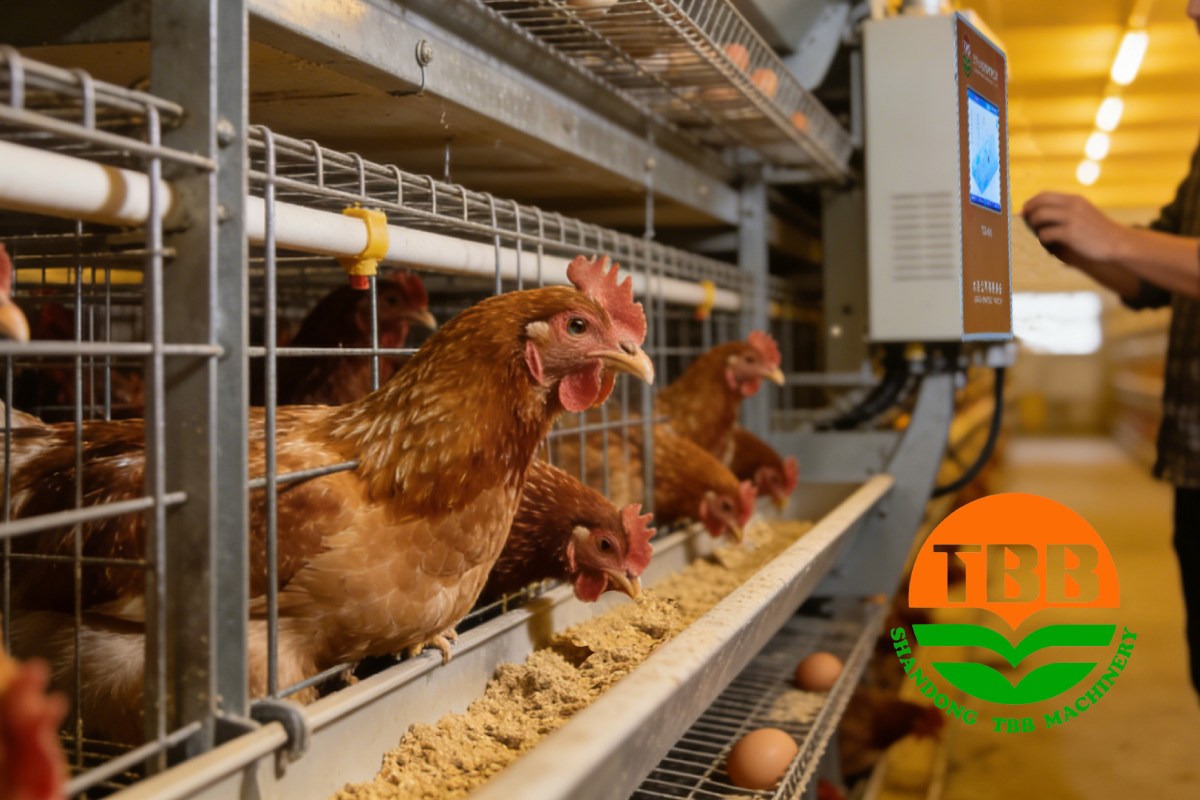
3. Leverage Modern Equipment for Flock Monitoring
Regular health checks are essential, but modern equipment can aid in this process. Observe the flock for signs of illness (e.g., listlessness or abnormal feces) and isolate sick birds immediately. Utilizing automated poultry cage equipment for laying hens allows for easier observation and reduces stress on the birds during inspections. For farms looking to maximize efficiency, combining these systems with an automatic egg collecting layer poultry equipment setup not only saves labor but also minimizes floor eggs and keeps the eggs cleaner, which is especially beneficial when shell quality declines in older birds.
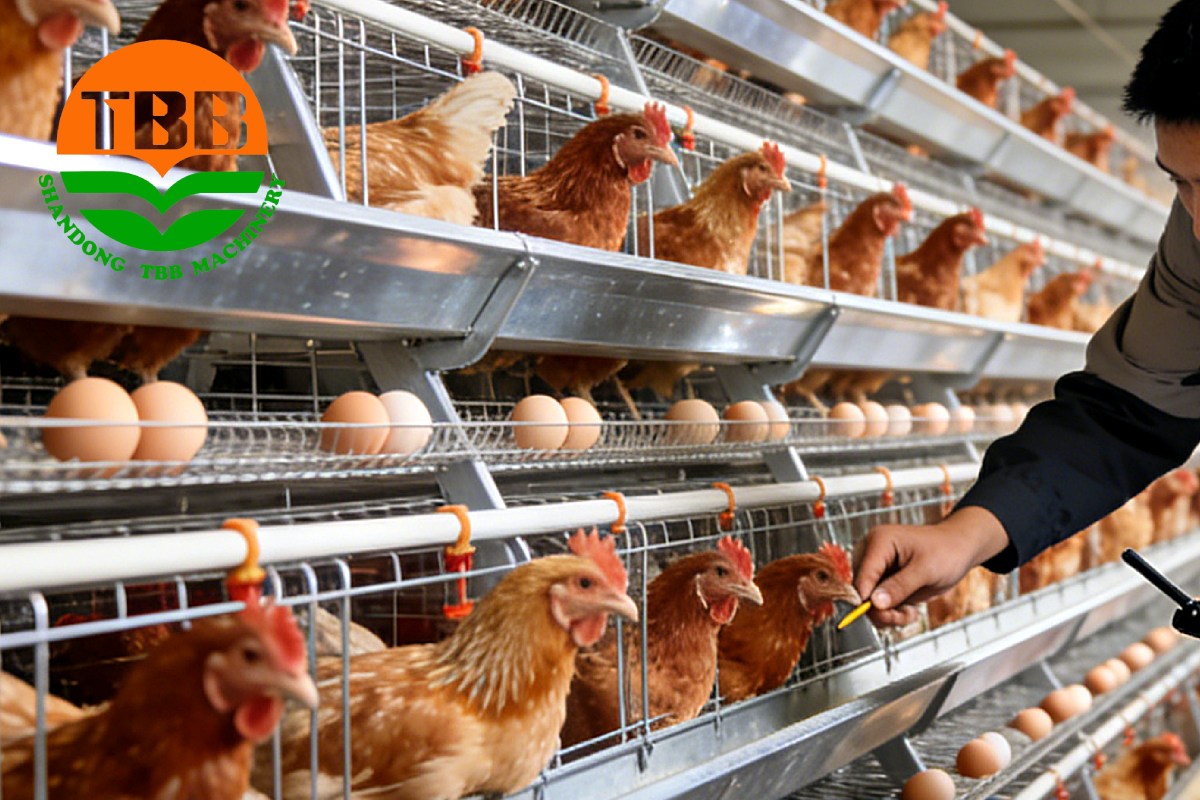
4. Implement Strategic Culling to Improve Flock Efficiency
To maintain overall flock efficiency and reduce feed costs, it is necessary to cull unproductive hens. Regularly identify and remove hens that have stopped laying or show poor production signs (such as shrunken combs or dull feathers). By housing your layers in a durable and well-ventilated environment, such as a high quality layer cage for export or a durable layer cage system for commercial farm, you make it easier to spot these non-performing birds. This practice ensures that feed and resources are directed only toward productive hens, optimizing the return on investment.
Conclusion
Successfully managing the late laying period requires a shift from maximizing output to optimizing longevity and egg quality. By adopting advanced housing solutions like the automatic layer rearing cage system from trusted manufacturers, farmers can better control the environment and nutrition of their flock. For reliable equipment that supports every stage of lay, companies like Shandong Tobetter Machinery offer the robust and automated systems needed to keep a commercial farm profitable during the late laying phase.